 Vietnamnet.vn

 Podcast



Samsung may finally introduce a Galaxy S27 Pro when it unveils its flagship smartphone lineup in early 2027. However, if recent rumors prove accurate, the device's biggest weakness may have little to do with hardware specifications and everything to do with its processor strategy.
Processor choice could define the Galaxy S27 Pro
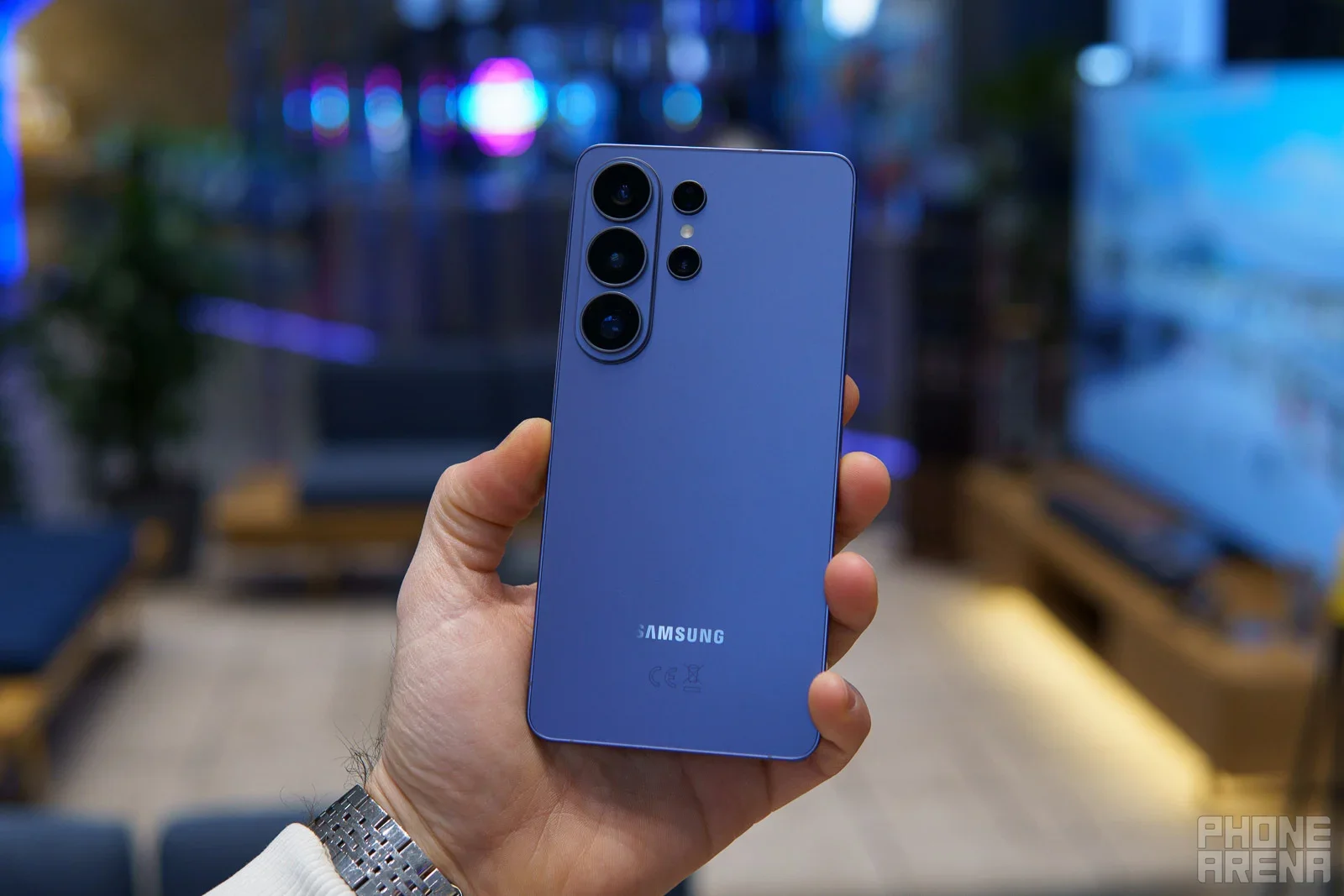
Recent leaks suggest Samsung could launch four premium smartphones in the Galaxy S27 series: the Galaxy S27, Galaxy S27 Plus, Galaxy S27 Pro and Galaxy S27 Ultra.
This is not the first time a Pro model has been rumored. Similar reports emerged before the Galaxy S26 launch, but Samsung ultimately retained its traditional lineup.
If the Galaxy S27 Pro becomes reality, the Ultra will almost certainly remain the company's most advanced flagship, much as Apple positions the iPhone Pro Max above the standard Pro model.
Creating clear differences between flagship models is a common strategy, giving consumers reasons to pay more for premium devices.
The concern, however, lies in how Samsung may differentiate the Pro model.
According to multiple leaks, the Galaxy S27 Pro could be powered by either Qualcomm's Snapdragon 8 Elite Gen 6 for Galaxy or Samsung's own Exynos 2700 processor, depending on the market.
That possibility has already sparked debate.
For years, Snapdragon chips have been widely regarded as the benchmark for premium Android smartphones, offering leading CPU and graphics performance while maintaining strong power efficiency.
Many consumers spending flagship-level prices expect to receive a Snapdragon-powered device.
If Samsung ships the Galaxy S27 Pro with Exynos in some markets while others receive Snapdragon, the phone could be viewed as a compromised version rather than a true "Pro" model.
The issue extends beyond real-world performance.
A device carrying the "Pro" branding is generally expected to deliver the best experience Samsung can offer, second only to the Ultra. Requiring buyers to check which processor their region receives could weaken the product's premium positioning.
Exynos could still surprise
There are reasons to believe Samsung's new Exynos processor could represent a significant improvement.
Early rumors suggest the Exynos 2700 addresses many of the shortcomings that have affected previous generations.
Improved thermal management is expected to help maintain peak performance for longer periods without significant throttling. Both CPU and graphics performance are also rumored to be much closer to Qualcomm's latest flagship chip.
If those claims prove accurate, stronger competition between Samsung and Qualcomm could ultimately benefit Android users by accelerating innovation.
Even so, Samsung itself has contributed to the perception that Snapdragon-powered Galaxy phones are the superior choice.
Recent Galaxy S Ultra models have been equipped exclusively with Snapdragon processors worldwide, reinforcing consumer confidence in Qualcomm-powered versions while leaving Exynos with a weaker reputation.
Samsung should make the Pro a compact Ultra
If Samsung is serious about establishing a Pro lineup, many observers believe it should follow a strategy similar to Apple's.
Rather than creating another mid-tier flagship, the Galaxy S27 Pro could serve as a smaller version of the Galaxy S27 Ultra.
Not every customer wants a smartphone with a display approaching seven inches. Many buyers prioritize flagship cameras, maximum performance, advanced AI features and premium hardware while preferring a device that is easier to hold and operate with one hand.
Compact flagship phones continue to attract loyal users.
If the Galaxy S27 Pro offered the same Snapdragon processor, memory configuration, camera system and AI capabilities as the Ultra, differing mainly in display size and battery capacity, it could appeal to a much broader audience.
Apple has adopted a similar approach with its Pro lineup.
The iPhone Pro and Pro Max deliver nearly identical performance and features, with the larger model primarily offering a bigger display and longer battery life. Buyers choosing the smaller device do not feel they are sacrificing performance or core functionality.
That is the direction Samsung could consider.
Instead of forcing consumers to choose between compact design and top-tier performance, the company could offer two equally powerful flagship devices tailored to different size preferences.
If the Galaxy S27 Pro ends up being little more than a modestly upgraded Galaxy S27 carrying a "Pro" label, it may struggle to establish a clear identity within an already crowded flagship lineup.
Hai Phong
.svg)
