 Vietnamnet.vn

 Podcast



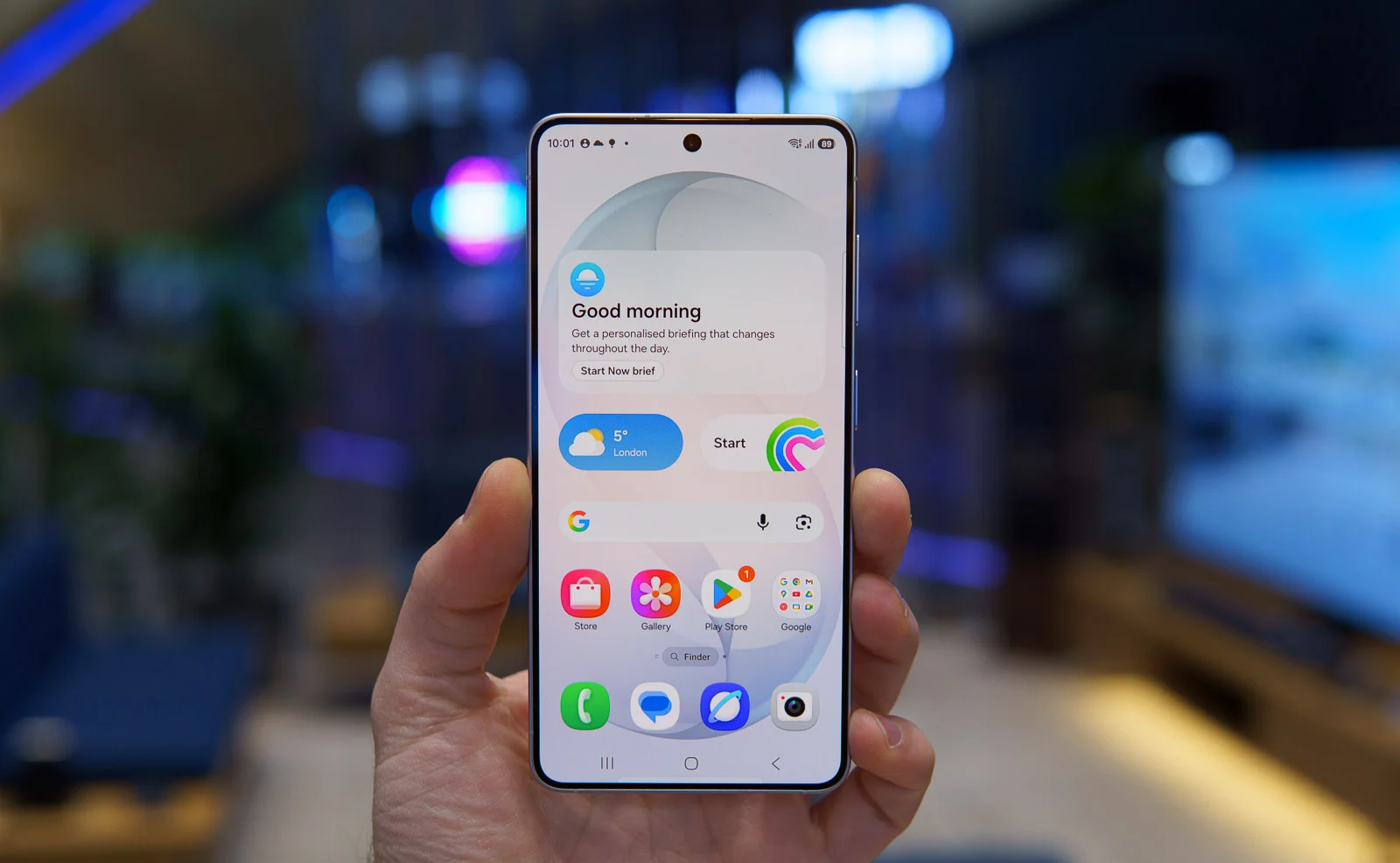
Samsung could be preparing one of the most significant changes in Galaxy S history as mounting cost pressures force the company to reconsider one of its biggest strengths: display technology.
For years, Samsung’s OLED panels have been viewed as the gold standard of the smartphone industry, praised for brightness, color accuracy, contrast and power efficiency.
However, that long-standing advantage may soon face a major turning point with the upcoming Galaxy S27 lineup.
According to multiple supply chain reports, Samsung is considering sourcing display panels for the standard Galaxy S27 from Chinese manufacturer BOE.
If confirmed, it would mark the first time a flagship Galaxy S device uses displays supplied by BOE instead of relying entirely on Samsung Display or LG Display.
The move reflects growing pressure across the smartphone industry as manufacturers confront slowing market growth, rising component costs and increasingly fierce competition over profit margins.
Galaxy S27 may no longer offer Samsung’s best display technology
Research firm SigmaIntel reported that Samsung’s mobile division has been seeking lower display prices from Samsung Display.
However, aggressive price cuts could directly impact the profitability of Samsung’s display business, long considered one of the company’s most valuable revenue drivers.
To avoid that scenario, Samsung is reportedly evaluating BOE as an alternative supplier for the standard Galaxy S27.
While Samsung Display is still expected to provide most OLED panels across the Galaxy S27 lineup, BOE entering Samsung’s flagship segment would still represent a major shift.
BOE currently supplies displays for several mid-range Samsung smartphones, including the Galaxy A57.
Still, industry analysts believe the Chinese manufacturer remains behind Samsung Display and LG Display when it comes to premium OLED technologies.
Experts say BOE can meet Samsung’s demands in pricing and production scale, but matching the display quality traditionally associated with the Galaxy S series may prove more difficult.
If Samsung proceeds with the switch, users could notice differences in outdoor brightness, battery efficiency and color consistency.
Reports also suggest the standard Galaxy S27 may continue using Samsung’s older M13 OLED material instead of the newer M14 generation already featured on Ultra models.
Previous leaks claimed the Galaxy S26 standard model used M13 OLED, while the Galaxy S26 Ultra adopted M14 technology, which delivers higher brightness, improved power efficiency and longer lifespan.
That means the Galaxy S27 standard model could face what some fans describe as a “double downgrade” — using BOE panels while continuing with older OLED materials.
At a time when smartphone makers struggle to create major breakthroughs in design and performance, display quality remains one of the few defining features separating flagship Android devices from competitors.
For longtime Samsung fans, reducing investment in displays raises concerns that the Galaxy S series could lose part of its identity.
The smartphone industry is entering a new phase
Samsung is not alone in reshaping its flagship strategy.
Apple is also rumored to be widening the gap between standard and premium iPhone models.
Reports suggest the iPhone 18 Pro will feature more advanced LTPO+ display technology, while the standard iPhone 18 may receive fewer high-end features.
Apple is also rumored to be considering separate launch schedules for standard iPhones and future foldable or Ultra-tier models.
The broader trend suggests smartphone makers are increasingly concentrating their most advanced technologies in top-tier devices to maximize profitability.
Consumers who want the best possible experience may need to spend significantly more, while standard flagship models gradually become “good enough” alternatives rather than industry-leading devices.
Will users accept the trade-off?
Samsung already raised prices for the Galaxy S26 lineup this year, putting additional pressure on the company ahead of the Galaxy S27 launch.
If switching to BOE helps Samsung avoid another price increase, many mainstream consumers may accept the compromise.
In everyday use, most users are unlikely to notice subtle differences in display quality.
For many buyers, affordability matters more than having the absolute best specifications.
For technology enthusiasts, however, the decision carries symbolic weight.
Samsung has long been regarded as the world leader in smartphone displays.
If even the Galaxy S flagship no longer uses Samsung’s own best display technology, it may signal a broader shift across the smartphone industry - one where cost optimization matters more than pushing technological boundaries at any price.
Hai Phong
.svg)
