 Vietnamnet.vn

 Podcast



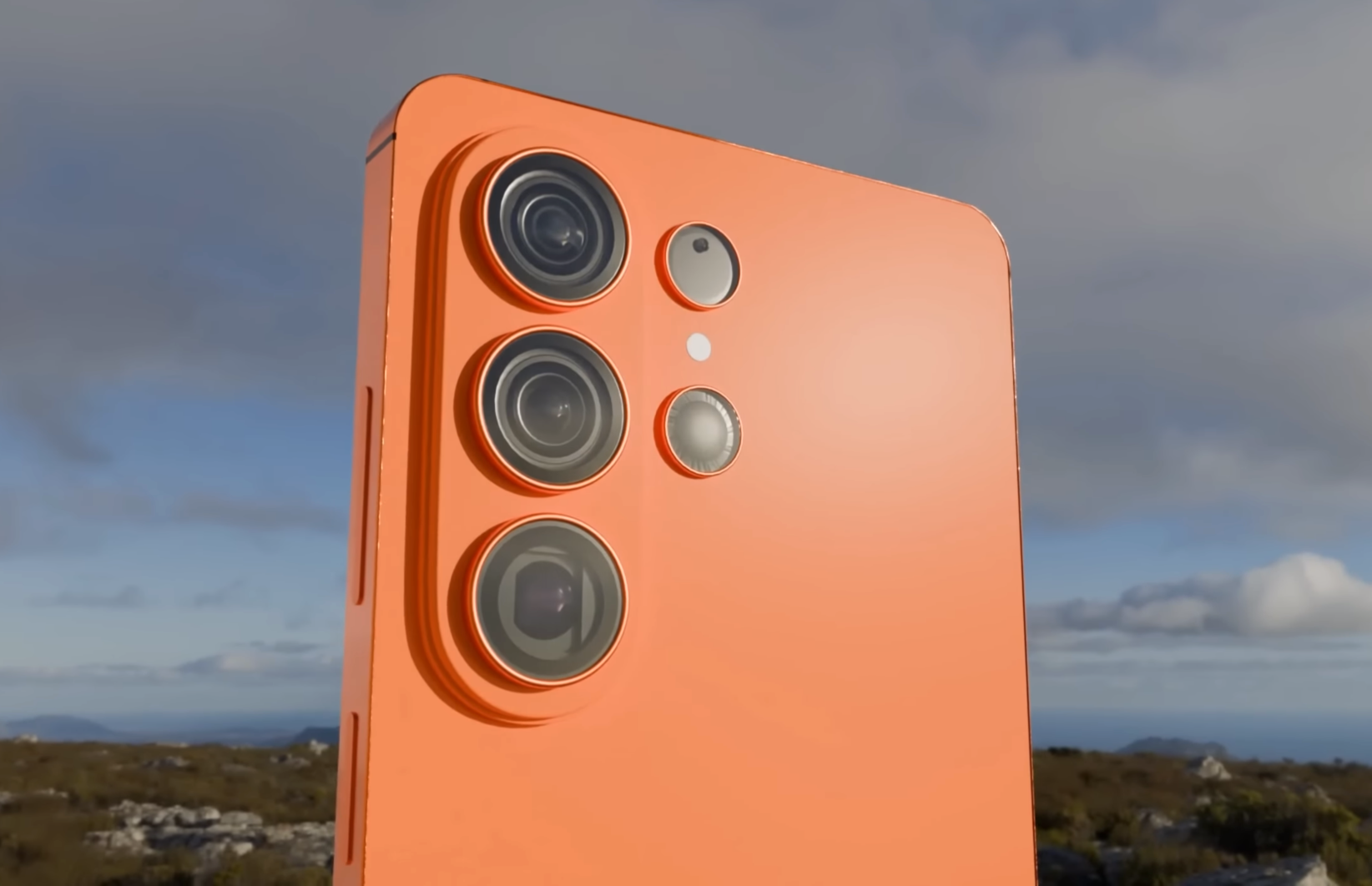
Setting the right price for the Galaxy S26 may be Samsung’s biggest challenge yet. The world’s leading smartphone maker must now decide whether to raise prices to protect profit margins or hold back in order to maintain its share of a fiercely competitive market.
Samsung is expected to launch the Galaxy S26 lineup early next year, following a wave of leaks that have already revealed most details about the device. Yet one critical detail remains under wraps: the price. And according to sources, even Samsung is still undecided.
A recent report revealed that Samsung is currently selling the Galaxy Z TriFold at a loss due to production costs exceeding its retail price. While this isn’t a major issue due to the device's niche appeal, applying the same pricing strategy to the Galaxy S26 - Samsung’s global flagship - would be out of the question.
Sources from South Korea say Samsung is grappling with the pricing of the Galaxy S26 because it cannot afford to compromise on profitability. A sharp rise in component costs has forced the company to consider its options more carefully than ever. As a result, a final pricing decision may take more time.
The most straightforward option would be to raise the retail price. However, this could hurt demand and reduce sales. On the other hand, maintaining last year’s prices would surely shrink profit margins, putting Samsung in a difficult position.
Multiple pressures pushing prices higher
One of Samsung’s biggest hurdles right now is the surge in memory chip prices, expected to climb by another 30–40% next year.
In addition, Samsung cannot rely solely on its in-house Exynos chips and will need to purchase Qualcomm’s Snapdragon processors - at a high cost - for most Galaxy S26 variants.
OLED display costs are also on the rise. In response, Samsung is reportedly exploring a partnership with Chinese display manufacturer BOE to supply panels for future models. Though unconfirmed, this move could help reduce production costs.
Importantly, Samsung is not alone in this dilemma. Xiaomi is said to have approved a 10% price increase for its Xiaomi 17 Ultra, and Apple is also expected to raise prices for its next iPhone lineup by a similar margin.
The price hikes won’t be limited to flagship phones. Entry-level smartphones could see price increases of up to 25%, while mid-range models may rise by about 15%. This reflects an industry-wide trend that no manufacturer seems able to escape.
At the root of these rising costs is the global boom in AI infrastructure. The explosive demand for AI data centers has consumed much of the world’s memory supply, leading to shortages for smartphone and consumer tech makers.
Ironically, while AI promises thrilling new experiences and ushers in a new era of technology, it’s also making everything - from smartphones to gaming consoles - more expensive.
Which path will Samsung take?
Right now, Samsung stands at a crossroads. Raising prices could alienate consumers, especially during a time of global economic uncertainty. But keeping prices low would eat into profits - an unacceptable outcome for a top-tier brand.
The Galaxy S26 is more than just another product. It’s a symbol of Samsung’s dominance in the mobile space. Every decision, especially pricing, must be weighed carefully.
Amid rising component costs, intense competition, and sky-high user expectations, pricing the Galaxy S26 correctly might be the company’s hardest task yet.
Will Samsung increase prices to secure its profits, or will it do the unthinkable - keep prices steady to protect market share?
The answer won’t be revealed until the Galaxy S26 takes the stage next year. But one thing is certain: the era of "affordable" smartphones is fading fast.
Hai Phong
.svg)
