 Vietnamnet.vn

 Podcast



Thao Trinh
Oc mo, a type of sea snail commonly found throughout Vietnam, is a popular seafood delicacy enjoyed from north to south. It is particularly abundant along the central coast, including areas such as Thanh Hoa, Nghe An and Nha Trang.
According to local explanations, the snail gets its name because when submerged in water, it resembles a small piece of pale-yellow animal fat.
In Vietnam, oc mo is generally divided into several varieties, including spotted, white and smooth oc mo. Depending on habitat conditions, each type differs in color, size and quality.
"Fishermen often classify them into black oc mo and white oc mo based on appearance. The black variety is smaller and has shells marked with gray or black patterns. White oc mo is commonly harvested in southern waters, while black oc mo is mainly found from the northern central coast up to northern Vietnam," said Le Hoang Quang Nguyen, owner of a seafood shop at Nghi Thuy fishing port market in Cua Lo Ward, Nghe An Province.
Nguyen, who has supplied oc mo to restaurants and eateries for many years, said the snail remains highly sought after because of its distinctive flavor and texture.
Among the varieties, black oc mo is considered superior and is generally more expensive, often selling for two to three times the price of white oc mo depending on size and season.
"Black oc mo is more tender and less chewy than the white variety. Despite its name, which suggests richness, it is not greasy at all. The front portion is pleasantly crunchy, while the tail is soft, juicy and rich. Experienced diners often say the tail meat is the best part," he explained.
According to Nguyen, black oc mo typically sells for VND200,000-400,000 per kilogram ($7.70-$15.40), depending on size.
White oc mo is more affordable, usually ranging from VND80,000-120,000 per kilogram ($3.10-$4.60).
"Those prices apply to live snails and may vary by location. Once prepared and served in restaurants, prices are usually 1.5 to 2 times higher," he added.
Oc mo is harvested year-round, although catches are generally more abundant during the summer months.
Like many other sea snails, oc mo can be prepared in a variety of dishes, including stir-fried with garlic, tamarind sauce, or steamed with lemongrass and chili.
Its naturally sweet and rich flavor pairs particularly well with aromatic ingredients such as lemongrass, chili, pepper, ginger and satay sauce.
Before cooking, the snails are usually soaked in rice-washing water or clean water with sliced chili peppers for about 30 minutes to purge sand and impurities. They are then rinsed thoroughly before preparation.
One of the simplest and most popular dishes is steamed oc mo with lemongrass. The cleaned snails are placed in a pot with a small amount of water and crushed lemongrass, then steamed over low heat.
Because the snails release moisture during cooking, only a little water is needed to prevent the pot from scorching. Once the water boils, the snails are shaken or stirred to ensure even cooking and are ready after about five to six minutes.
Steamed oc mo is commonly served with fish sauce mixed with ginger. Diners remove the shell cover, use a small skewer or pointed stick to extract the meat, then dip it into fish sauce or salt mixed with pepper and lime.
Beyond steaming, oc mo is also popular stir-fried with garlic butter, cooked with Vietnamese coriander, or tossed in tamarind sauce.
Each preparation offers a different flavor profile but highlights the snail's distinctive texture and taste.
"Oc mo meat has a fragrant aroma and a rich, natural sweetness. The front part is crunchy, while the tail is creamy and rich. Many seafood lovers compare it to duck or chicken egg yolk," Nguyen said.
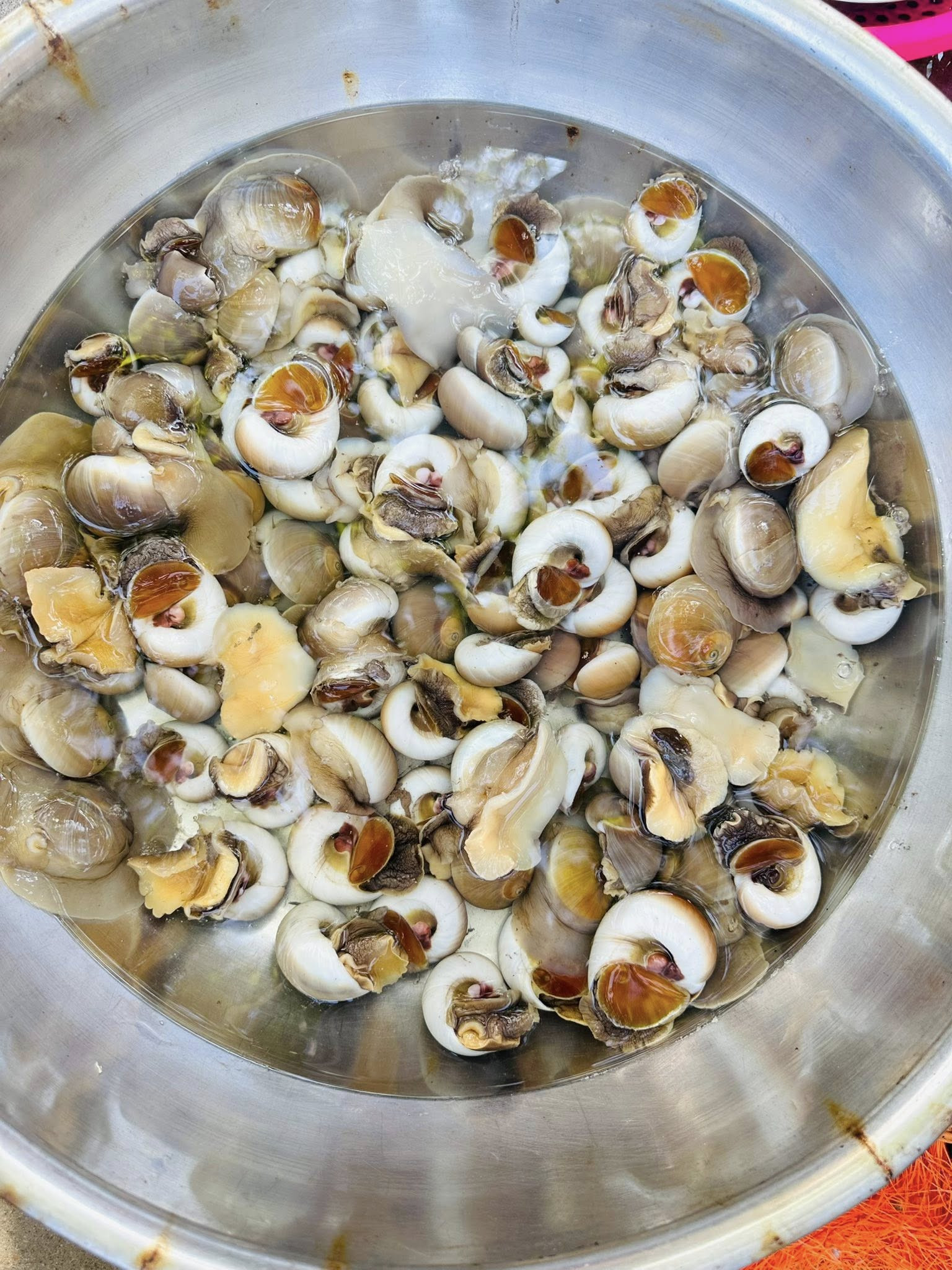
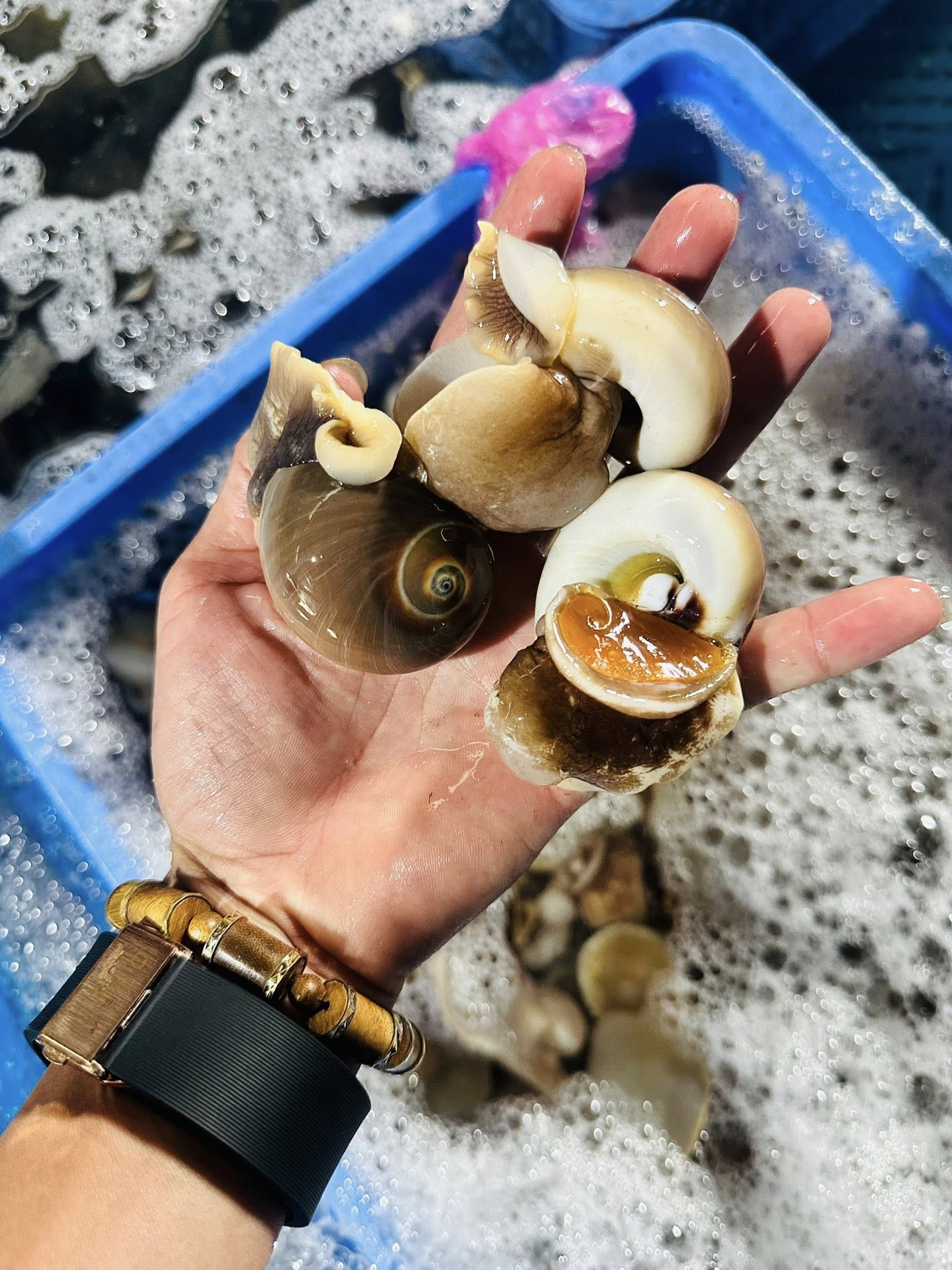
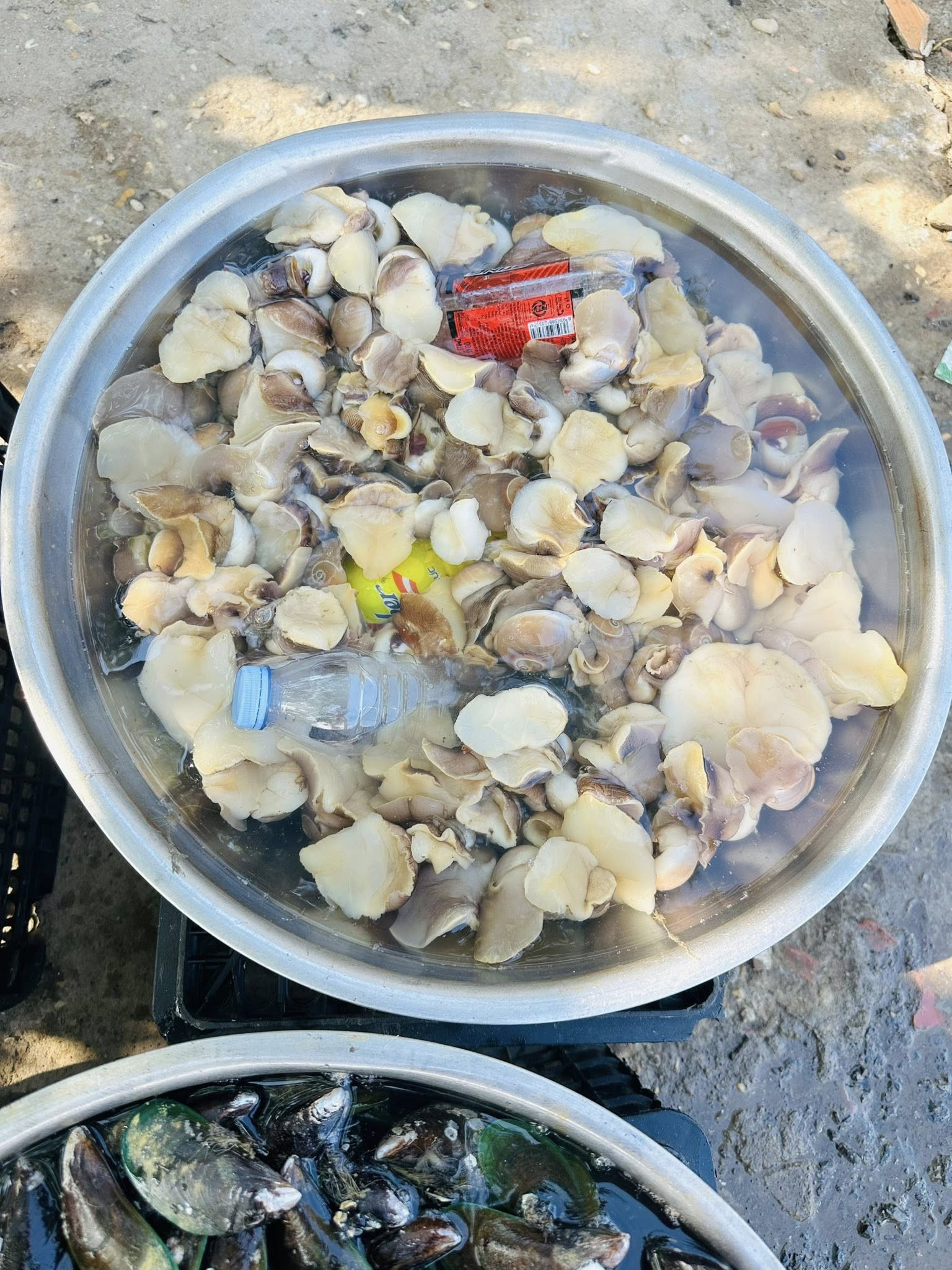
Oc mo is harvested from natural coastal waters and is often described by locals as a gift from nature. Photos: Le Hoang Quang Nguyen
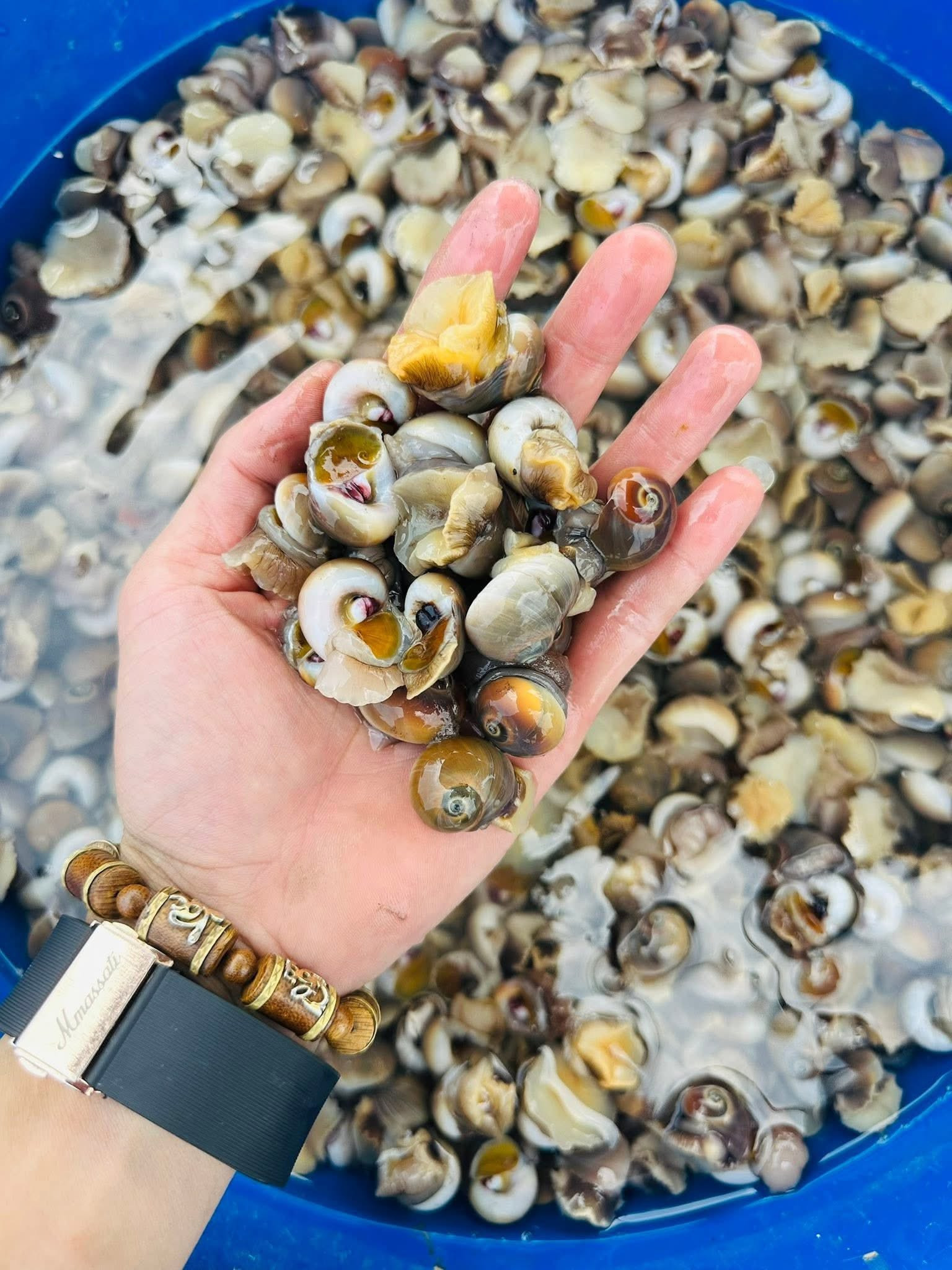

Black oc mo (above) and white oc mo. Photos: Le Hoang Quang Nguyen, Phuong Dung
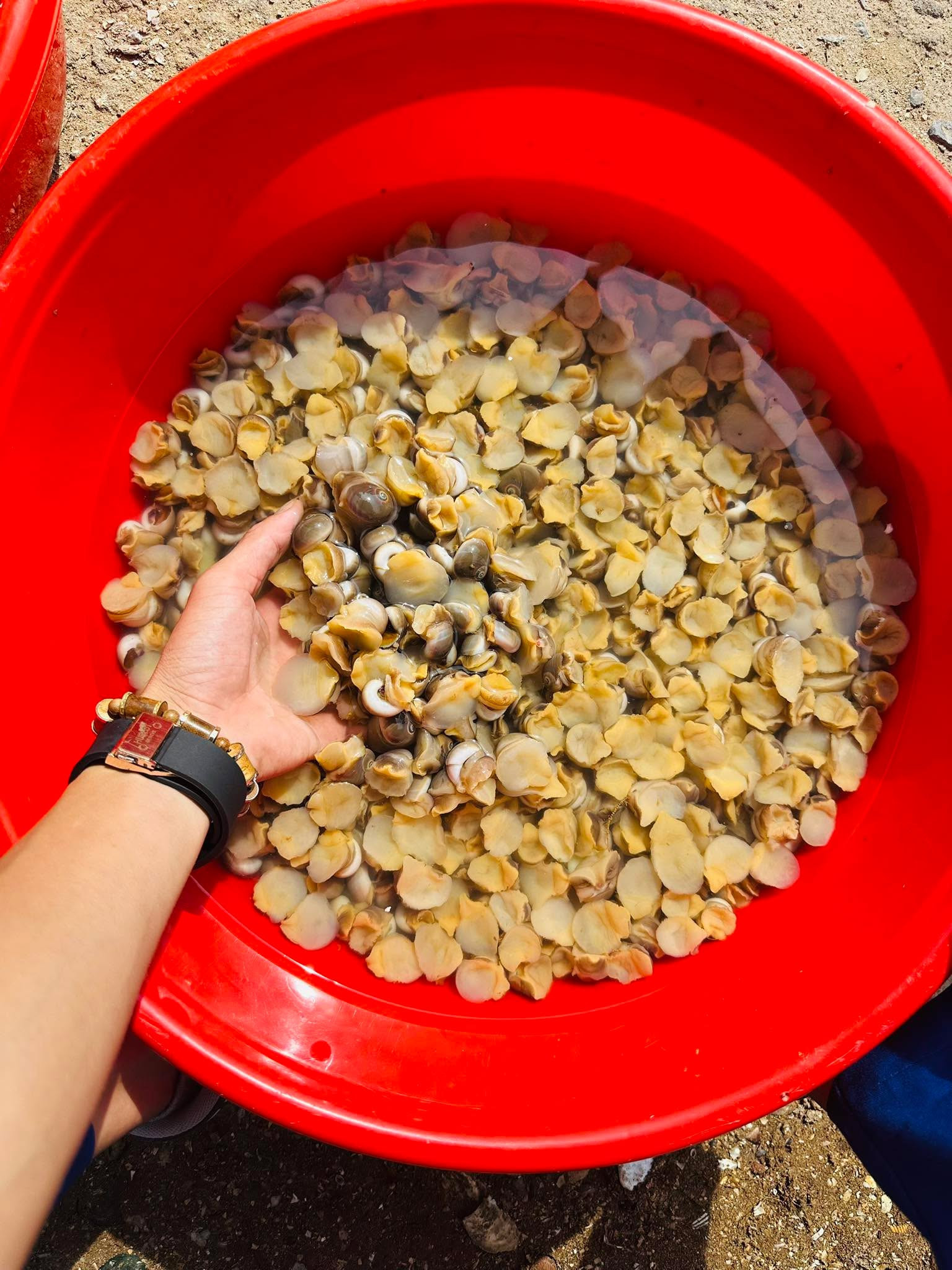

According to seafood trader Le Hoang Quang Nguyen, oc mo is available year-round but is most abundant during the summer season.
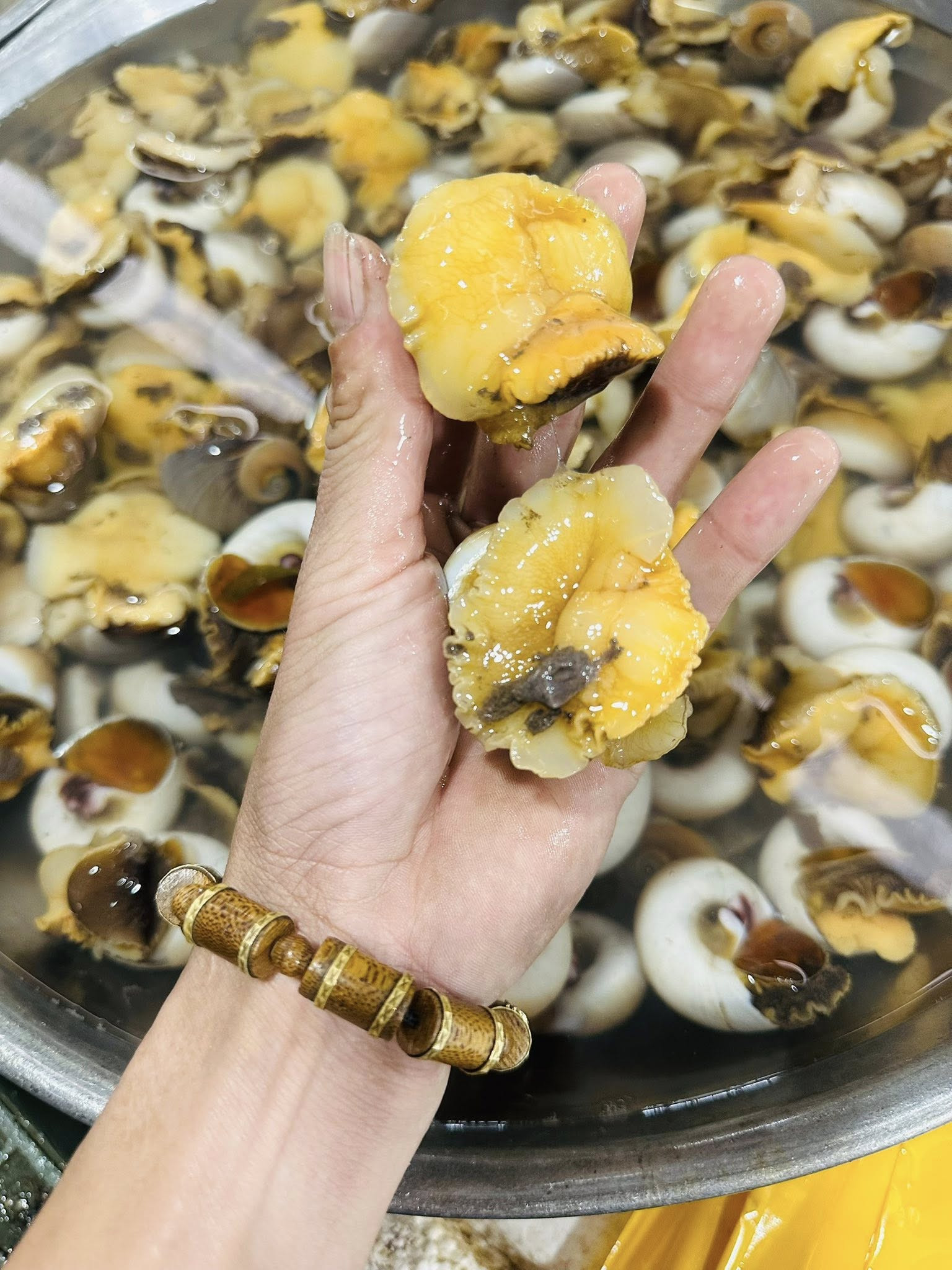
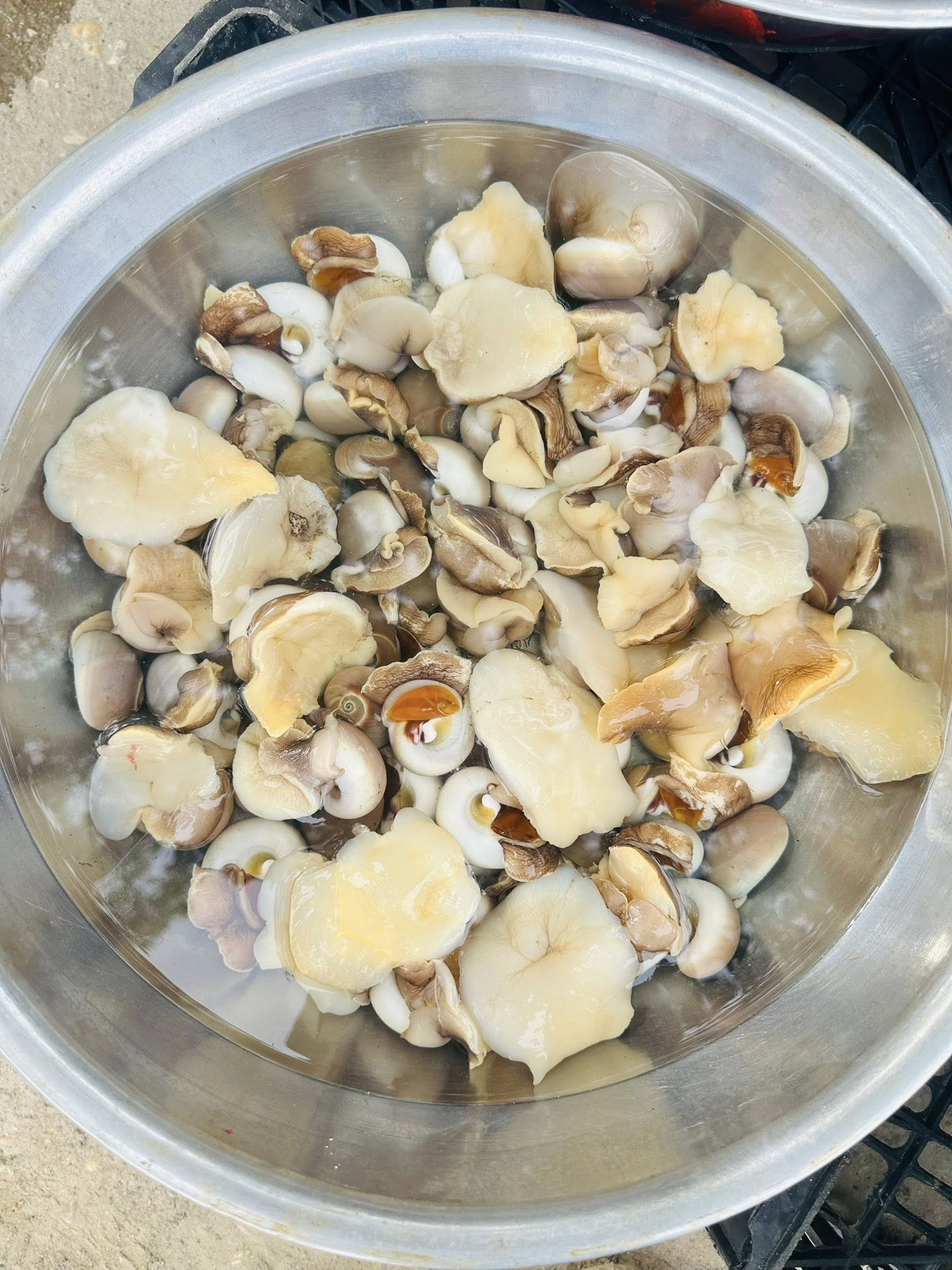
The front part of oc mo is crunchy, while the tail is soft, creamy and rich. Photos: Le Hoang Quang Nguyen
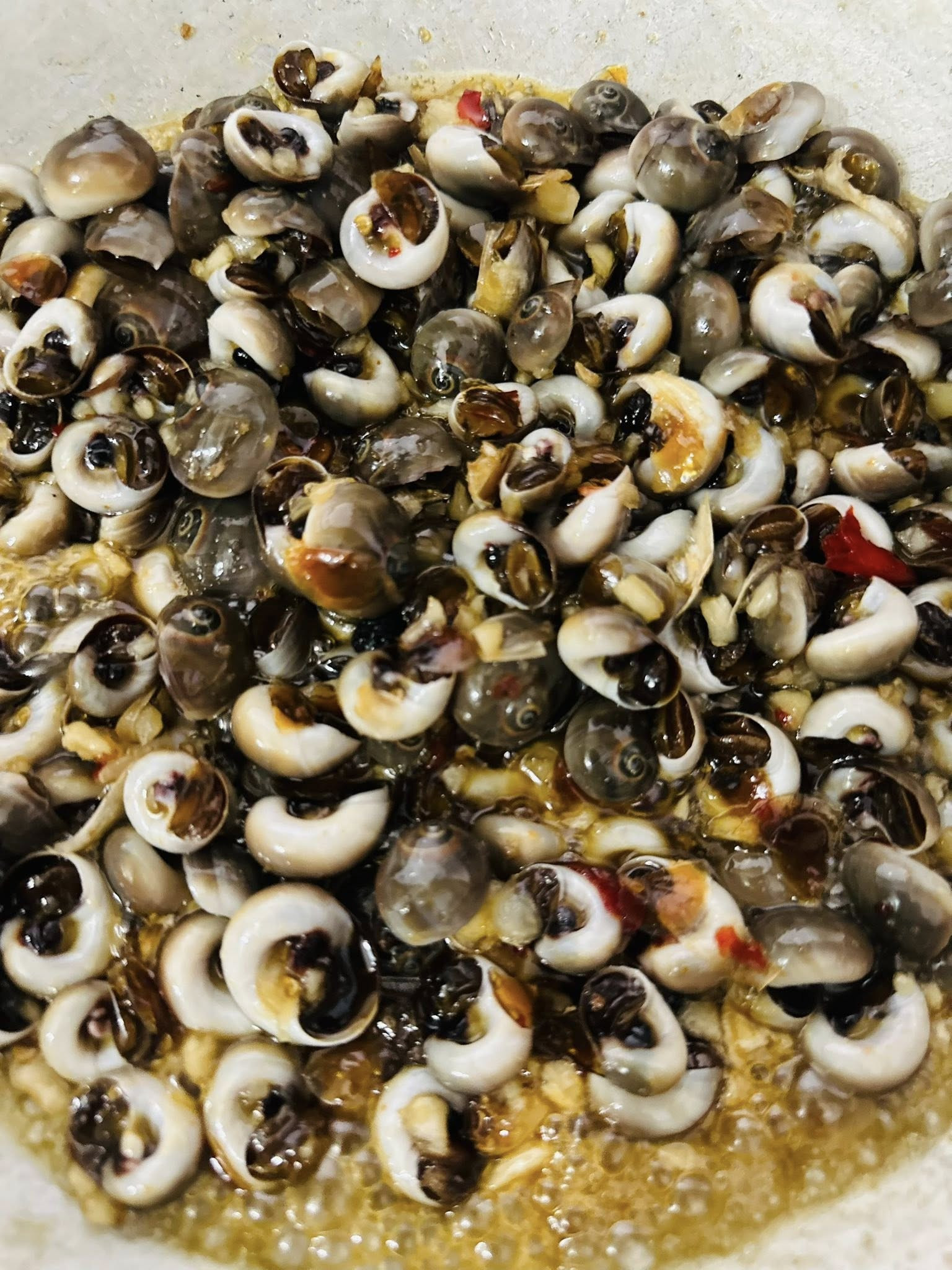
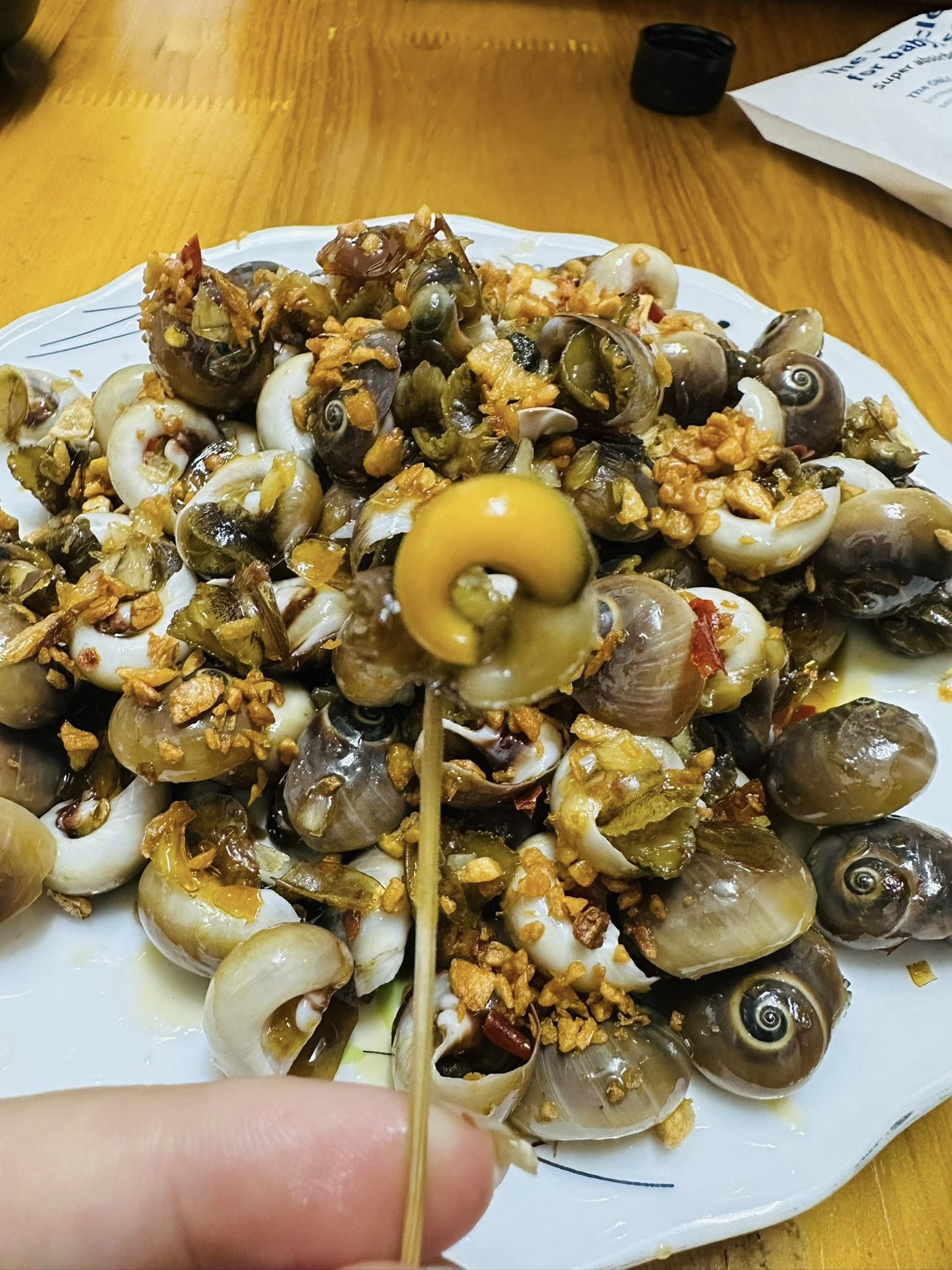
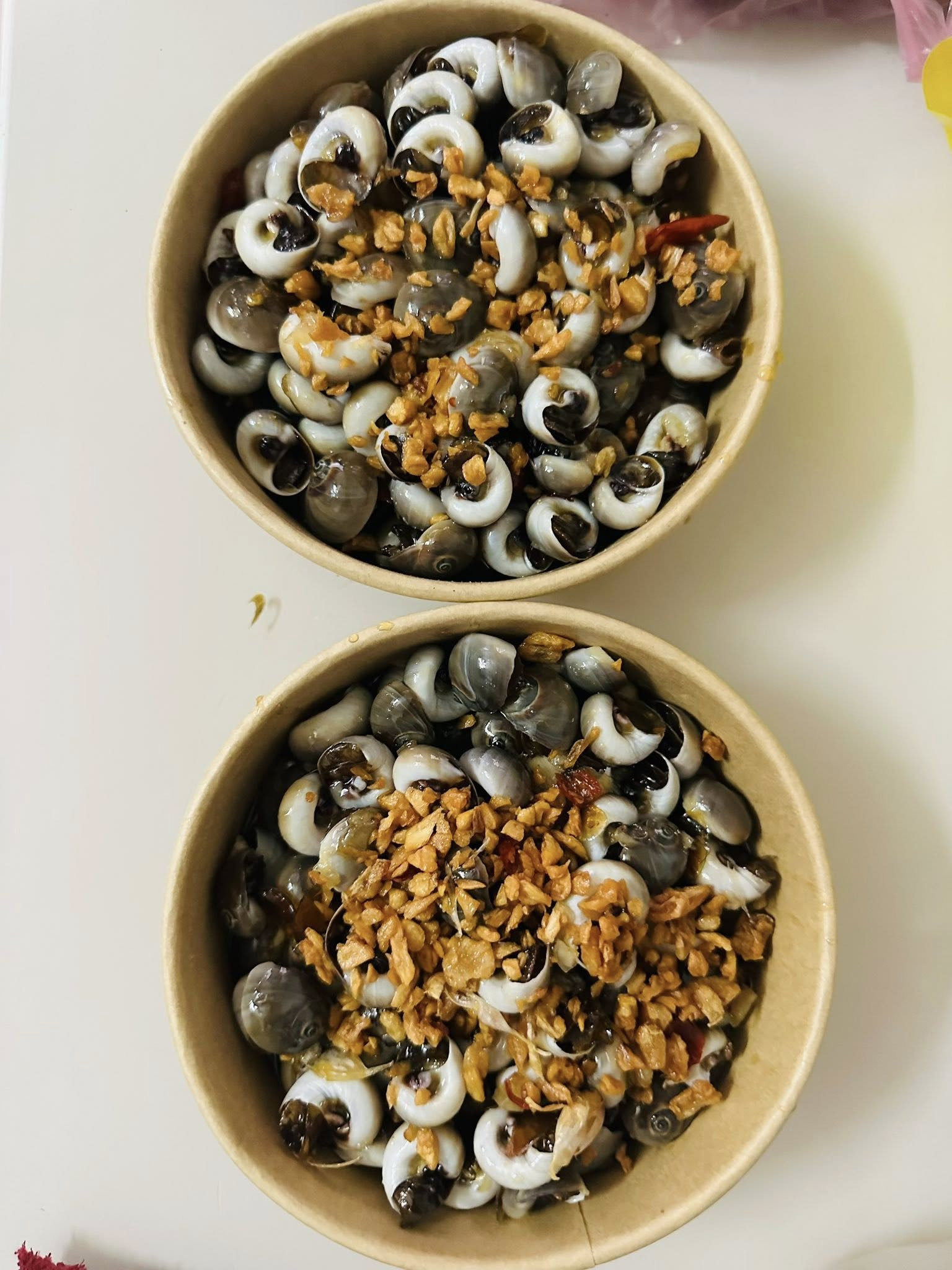
Garlic stir-fried oc mo is among the most popular ways to enjoy the delicacy. Photos: Thuy Le
.svg)
