 Vietnamnet.vn

 Podcast



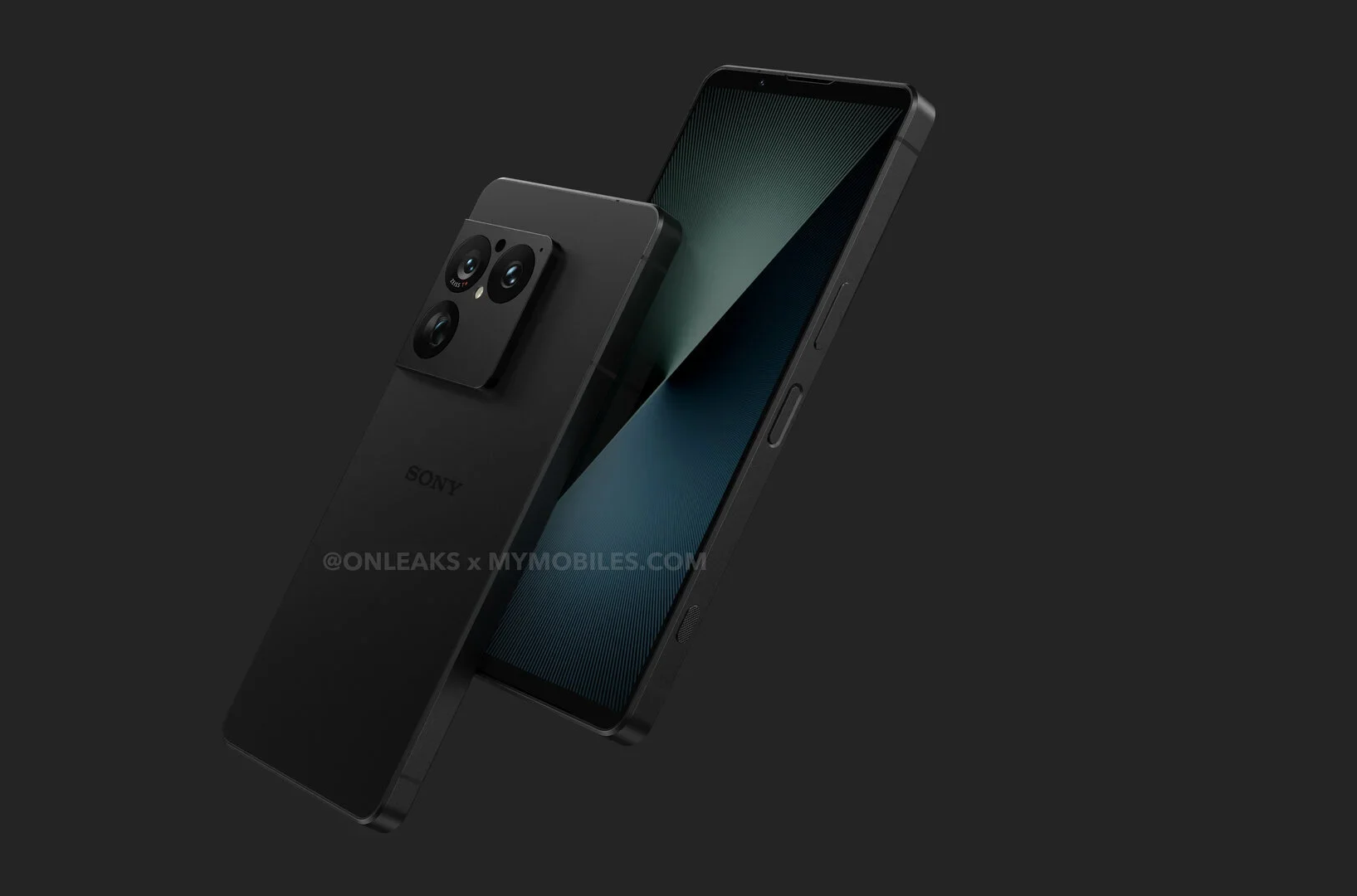
Since rebooting its smartphone lineup in 2019 with the Xperia 1, Sony’s journey has resembled a roller coaster.
On one hand, the company has delivered distinctive features such as its signature 21:9 display ratio, the increasingly rare microSD card slot on a flagship, and an innovative variable optical zoom system.
On the other hand, outdated design language, niche-oriented features, unfinished software experiences, and high pricing have kept Xperia sales stagnant for years.
Sony’s mobile division briefly returned to profitability in 2021 after nearly five years of losses. But since then, the company has discontinued the compact Xperia 5 line, while the flagship Xperia 1 series itself has remained in a fragile position.
Recent leaks suggest the Xperia 1 VIII will likely see a global release. The challenge now is what Sony must change to keep the Xperia brand alive.
A “very Sony” design: strength or limitation?
Ironically, Xperia’s greatest strength may also be its biggest weakness. Sony has consistently moved against mainstream smartphone design trends.
It often feels as though the company’s design team operates in isolation, detached from the broader industry.
While today’s market converges around flat edges, punch-hole cameras, glass backs and user-friendly aesthetics, Xperia continues to embrace a sharp, minimalist, and distinctly angular identity.
For some users, this creates a unique appeal. For the majority, however, being “different” can also mean being difficult to embrace.
What would a more “modern” Xperia look like? The answer is not straightforward. Yet it is clear that Sony’s traditional design language now resonates with only a relatively small group of users.
Software: a missing identity
For years, Xperia devices have prided themselves on offering a near-stock Android experience. While this still holds value, user interface design has become a key element of brand identity - and Sony lacks a strong presence in this area.
Beyond that, Xperia’s software support timeline remains noticeably shorter than competitors such as Apple, Samsung, and Google.
In some cases, even mid-range devices costing a third of the price receive longer support than Xperia 1 flagships - a contradiction that is difficult to justify.
When it comes to emerging technologies, Xperia has also been largely absent from the visible AI wave shaping the current smartphone landscape.
Sony argues that AI operates quietly in the background, but this approach risks missing out on one of the most powerful marketing narratives of the moment.
Marketing and timing: a recurring misstep
Another long-standing issue lies in Sony’s marketing strategy. The gap between product announcement and retail availability is often too long.
In many cases, consumers must wait several months after launch before they can actually purchase the device. By then, the initial excitement has faded, media attention has shifted, and users have turned to competing products.
Sony typically unveils the Xperia 1 series around May. If the Xperia 1 VIII could reach the market within a week - rather than months - it would mark a significant improvement in capitalizing on media momentum.
Pricing: the biggest barrier
Pricing remains perhaps the most critical weakness of Sony’s flagship strategy. Some Xperia 1 models have been priced as high as US$1,599, approaching the territory of foldable devices.
While premium smartphones are becoming increasingly expensive, Xperia prices often drop sharply just a few months after release.
This raises a fundamental question: why not adopt a competitive pricing strategy from the outset?
Instead of lowering prices later to salvage weak sales, a more balanced initial price could help the Xperia 1 VIII reach a broader audience. It is a relatively low-cost adjustment with potentially significant impact.
Xperia continues to hold a special place among technology enthusiasts. Sony’s hardware foundation remains strong - many other brands, including Apple, rely on camera sensors produced by Sony.
The smartphone market would undoubtedly be more diverse and compelling with Xperia still in the picture. The Xperia 1 VIII could become a turning point - if Sony embraces a few key changes: experimenting with more contemporary design, improving software both in UI and long-term support, and, crucially, adopting a more realistic pricing strategy from the beginning.
Hai Phong
.svg)
