 Vietnamnet.vn

 Podcast



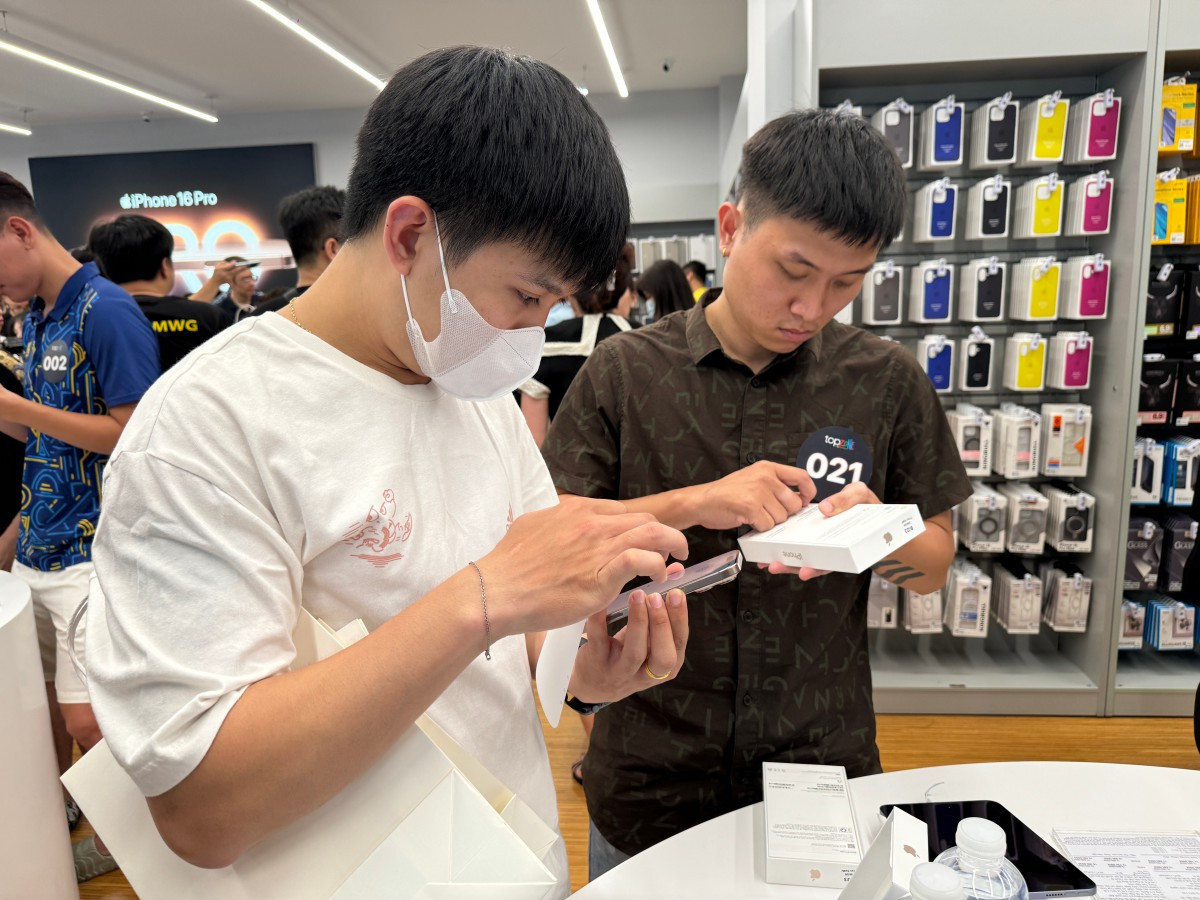
Following the Oppo Find N6, priced at nearly VND65 million (approximately US$2,650), the market has been shaken again by the arrival of the Vivo X300 Ultra, listed at nearly VND50 million (US$2,040).
The Vivo X300 Ultra will be distributed in Vietnam through The Gioi Di Dong retail system, with pre-orders opening from April 15. Notably, the device carries a price tag of VND49,990,000 (US$2,040), significantly higher than earlier expectations of around VND40 million (US$1,630).
However, customers still have a chance to purchase the device at VND39,990,000 (US$1,630), as The Gioi Di Dong is offering 100 promotional slots for early depositors between April 15 and April 30.
Despite its high price, the retailer has recorded 301 pre-orders out of 385 interested customers to date.
Looking at the current pricing landscape compared to previous years, it is evident that premium smartphones in Vietnam have seen a notable increase.
The trend began with the iPhone 17 Pro Max, whose starting price rose from VND35 million (US$1,430) to VND38 million (US$1,550) during its launch in September last year.
Similarly, the Samsung Galaxy S26 Ultra, released in early 2026, debuted at VND37 million (US$1,510), compared to the typical VND34 million (US$1,390) launch price of earlier S Ultra models - an increase of around 10%.
Oppo has recorded the steepest price hikes among flagship smartphones. While the Find N5 launched at VND45 million (US$1,840), the Find N6 surged to VND65 million (US$2,650), marking a 44% increase. Meanwhile, the Find X9 Pro is priced at VND32 million (US$1,310), compared to VND29 million (US$1,180) for its predecessor, the Find X8 Pro.
Xiaomi has also raised prices in its premium segment, with the 17 Ultra launching at VND40 million (US$1,630), up from VND35 million (US$1,430) for the previous 15 Ultra.
According to representatives from major retail systems in Vietnam, the rising prices of premium smartphones are largely driven by increasing costs of key components such as RAM and storage. These costs have surged recently due to higher input material prices, forcing manufacturers to adjust retail prices upward.
However, the price hikes are also impacting sales performance. Retail representatives note that, aside from Apple products - which consistently remain top choices among consumers - and the Galaxy S26 Ultra, which benefits from a loyal customer base, most other premium smartphones are attracting limited interest.
For example, Oppo Find N6 has only garnered interest from a few hundred customers across domestic retail systems. Meanwhile, although the Vivo X300 Ultra has generated significant media attention, actual pre-orders have only surpassed 300 units. As for the Xiaomi 17 Ultra, interest remains minimal, with most consumers opting instead for lower-priced or mid-range devices.
“Except for Apple and Samsung, most premium smartphones from Chinese brands entering the Vietnamese market primarily serve to create media buzz rather than achieve substantial sales volumes,” a retail representative said.
Le My
.svg)
