 Vietnamnet.vn

 Podcast


At 52, South Korean businessman Choi Chang Young is pursuing a Master of Business Administration (MBA) at Ho Chi Minh City Open University, demonstrating his commitment to lifelong learning.
Having lived and worked in Ho Chi Minh City for more than six years, Choi decided to return to university to update his management knowledge and better understand Vietnam's evolving business environment.
He believes that practical experience alone is no longer sufficient in a rapidly changing economy, making continuous learning essential for business leaders.
From corporate leadership to university classrooms
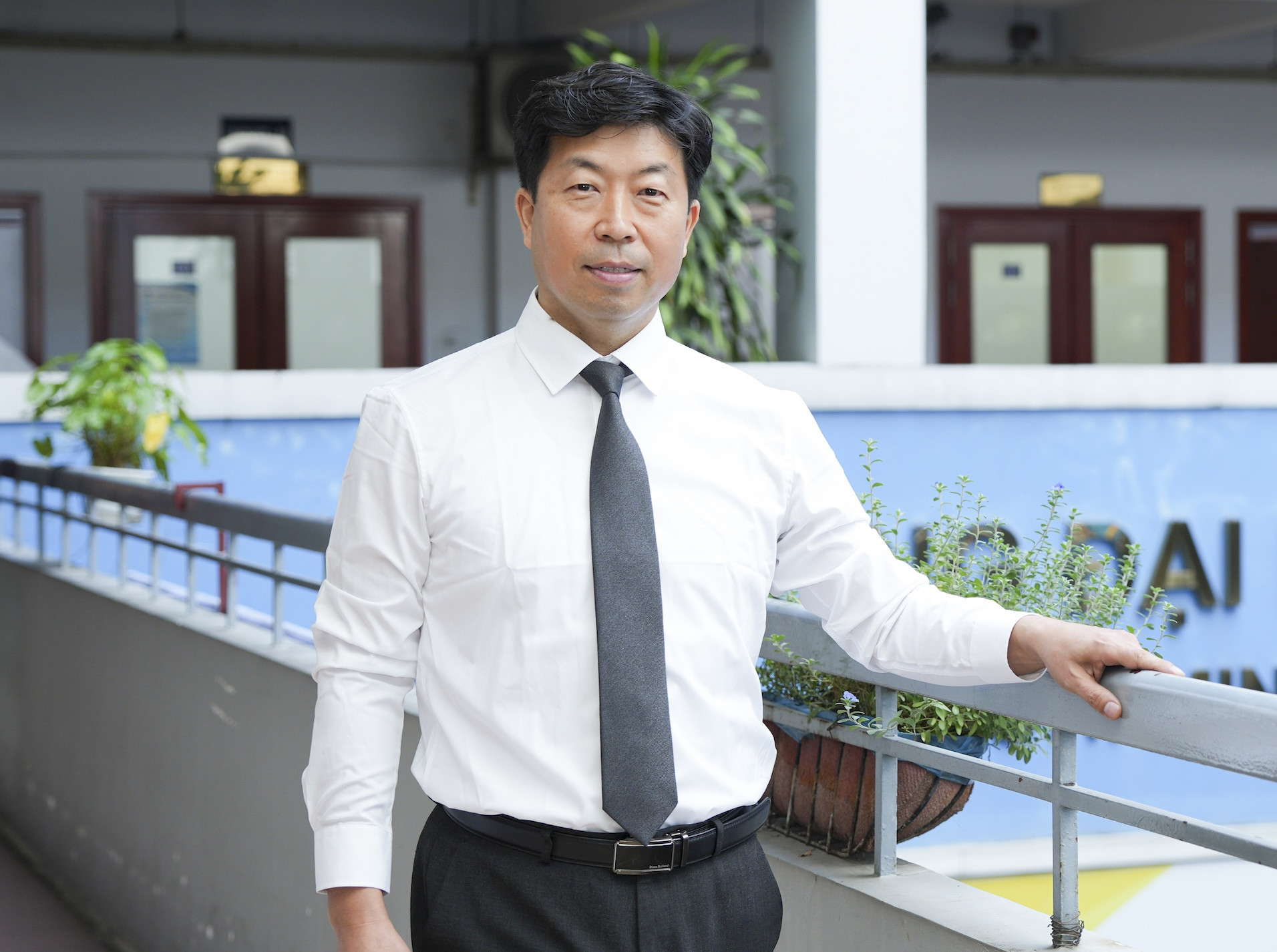
Born in 1974, Choi holds two bachelor's degrees from South Korean universities and has completed several short-term professional training courses, including an advanced sports marketing program at Sogang University.
His professional background includes working for Samsung Group and launching a business in the sports industry.
These experiences have given him extensive exposure to corporate operations, market development and partnership building.
Choi currently serves as vice president of the Korean Sports Association in Vietnam, deputy director of a company specializing in Vietnam-South Korea education cooperation, and vice president of the Real Estate Convergence and Urban Development Association in South Korea.
Through these positions, he participates in initiatives connecting businesses and organizations across sports, education and urban development.
According to Choi, working in Vietnam requires a thorough understanding of the country's business environment, investment conditions and management practices.
Despite his extensive professional experience, he recognizes the importance of updating his knowledge to keep pace with market developments.
That realization motivated him to enroll in an MBA program in Vietnam rather than rely solely on the expertise accumulated throughout his career.
For Choi, returning to university is not simply about earning another academic qualification.
It also provides an opportunity to compare real-world business challenges with management theories, reassess established practices and explore more effective approaches to decision-making.
He hopes to contribute his professional experience to classroom discussions and group projects, sharing practical insights with fellow students.
At the same time, he believes academic instruction can provide new analytical frameworks for examining business problems.
Real-life corporate situations, he explained, can enrich academic discussions, while theoretical knowledge can help professionals evaluate familiar challenges from different perspectives.
Age should not be a barrier to education
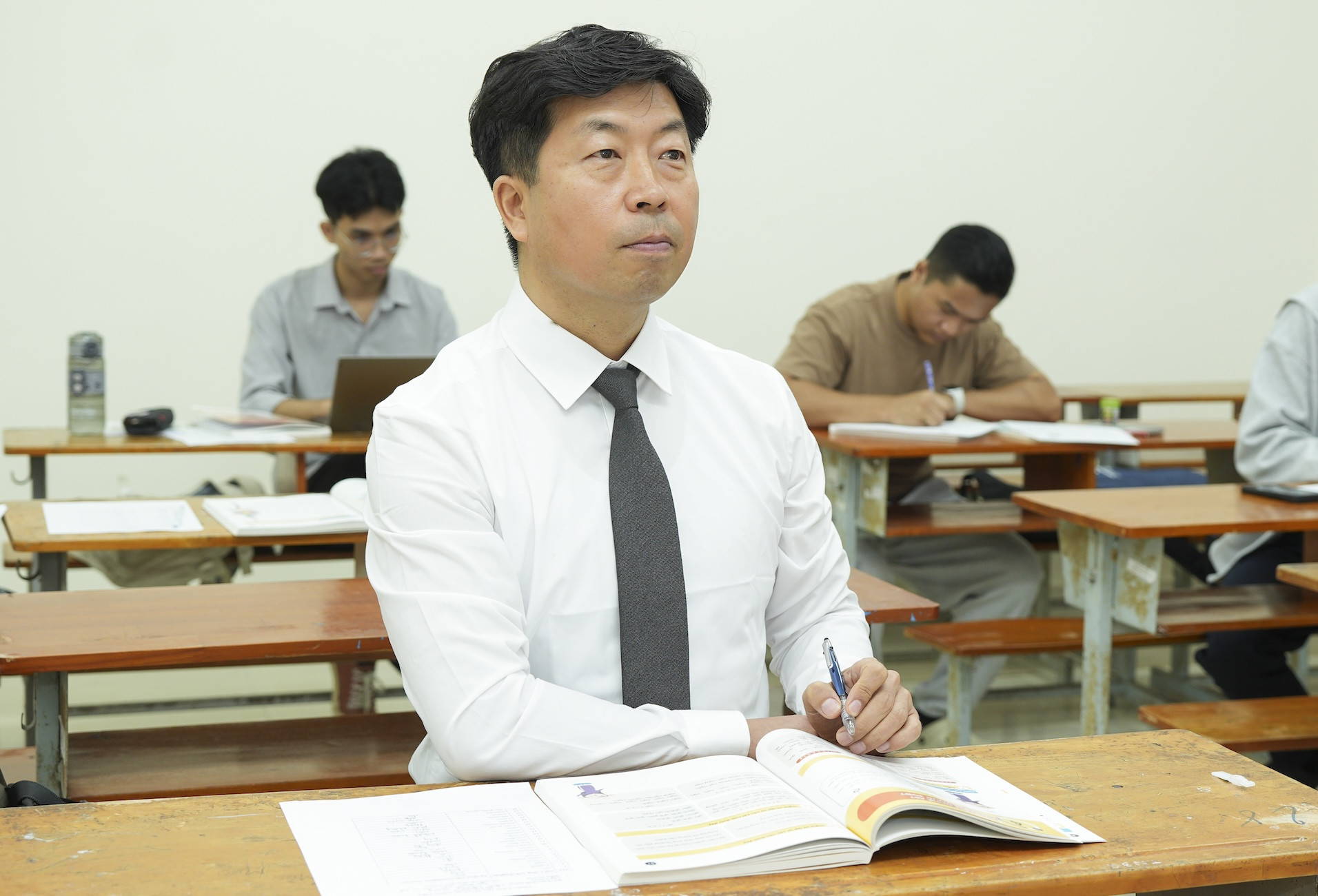
Choi believes that age should never prevent someone from pursuing further education.
However, he acknowledges that returning to university after many years in the workforce requires considerable adjustment.
Balancing professional responsibilities with academic commitments, adapting to new teaching methods and absorbing unfamiliar concepts can all present challenges.
Nevertheless, he sees his business experience as an advantage in understanding the practical implications of what he studies.
He also recognizes that experience can become a limitation if professionals fail to regularly question their assumptions and update their knowledge.
Without continuous learning, familiar approaches to management and problem-solving can gradually become outdated.
Choi therefore regards his MBA studies as an opportunity to challenge established ways of thinking while strengthening his professional capabilities.
Plans to pursue a doctorate in Vietnam
Choi's academic ambitions extend beyond his current master's program.
After completing his MBA, he hopes to pursue doctoral studies at Ho Chi Minh City Open University while continuing his professional career.
He views the doctorate as the next stage of his educational journey rather than a departure from his business responsibilities.
Reflecting on his experience, Choi encourages university freshmen and postgraduate students to take an active approach to learning.
He advises young people to continuously update their knowledge, develop practical skills and gain professional experience.
In his view, academic qualifications should be complemented by adaptability, independent thinking and the ability to collaborate effectively with others.
These capabilities are increasingly important as economic conditions and business practices continue to evolve.
At 52, Choi's decision to pursue an MBA illustrates how higher education can remain relevant throughout a professional career.
His return to university also highlights the growing importance of lifelong learning for experienced executives seeking to remain effective in a changing business environment.
Le Huyen

