 Vietnamnet.vn

 Podcast





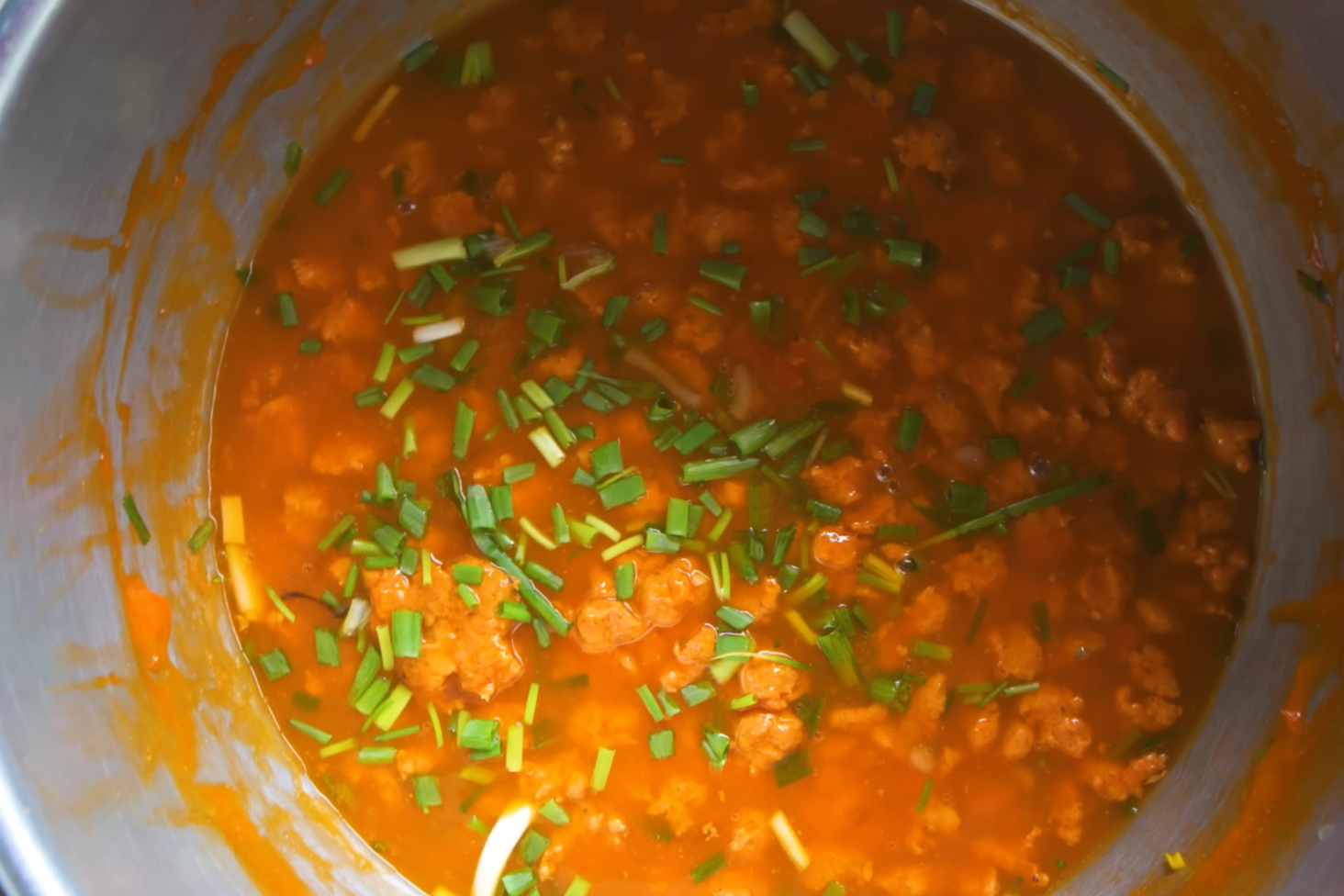
“This is a really special noodle dish from Hue,” Steph explained to their viewers. “It’s not just the color - it’s the way it’s made. The broth is thick like a stew, made from pork bones, shrimp, and crab.”
As she tasted it, her face lit up.
“The noodles are chewy but melt in your mouth. The broth is savory and rich. And once you add some fresh or chili oil - it’s a total flavor explosion,” she exclaimed, praising the balance and intensity of the dish.
The price? Just 20,000 VND, or around 80 cents.
Despite its low cost, bánh canh Nam Pho is a time-consuming dish to prepare. Originating from Nam Pho village, it’s a recipe passed down through generations.
The noodles are made from a blend of rice flour and tapioca starch, but unlike many other Vietnamese noodle dishes, the dough is steamed rather than rolled and sliced. The resulting strands are shorter, tender, and slightly translucent. They’re removed from the steamer just as they turn opaque, then rinsed in cool water to preserve their texture.
The broth is equally laborious. Made from a blend of pork bone stock and shrimp water, many modern versions also include crab meat, ground pork, or crab roe for added richness. Locals say the best bánh canh Nam Pho comes from ingredients harvested in the Sam and Chuon lagoons, known for their sweet, firm-fleshed seafood.
To round out the bowl, minced shrimp and pork are sautéed with black pepper, fish sauce, and scallions.
A final touch of chili - fresh or in oil - is recommended to fully awaken the palate.
Today, the dish is no longer confined to Nam Pho village. It’s served across Hue, becoming a favorite among both locals and visitors for its bold flavor, vibrant color, and unforgettable texture.
For Chris and Steph, it was more than just a meal. It was an insight into the care, craft, and cultural richness of Hue’s street food scene - served in a simple bowl, with a side of genuine hospitality.
Linh Trang
.svg)
