 Vietnamnet.vn

 Podcast



In the days leading up to the Lunar New Year 2026, the kitchen at “Banh Anh Em” in New York has grown even busier. In addition to its well-known banh mi, the eatery prepares classic Tet dishes such as banh chung, braised pork with eggs, red sticky rice, pickled mustard greens, gio and cha.
“Our work becomes much more hectic, sometimes from early morning until late at night, but we are happy to bring the taste of Tet to Vietnamese people far from home and to introduce these special flavors to local diners,” said Ton Thi Hong Nhu, born in 1990 in Dak Lak, in an interview with VietNamNet.


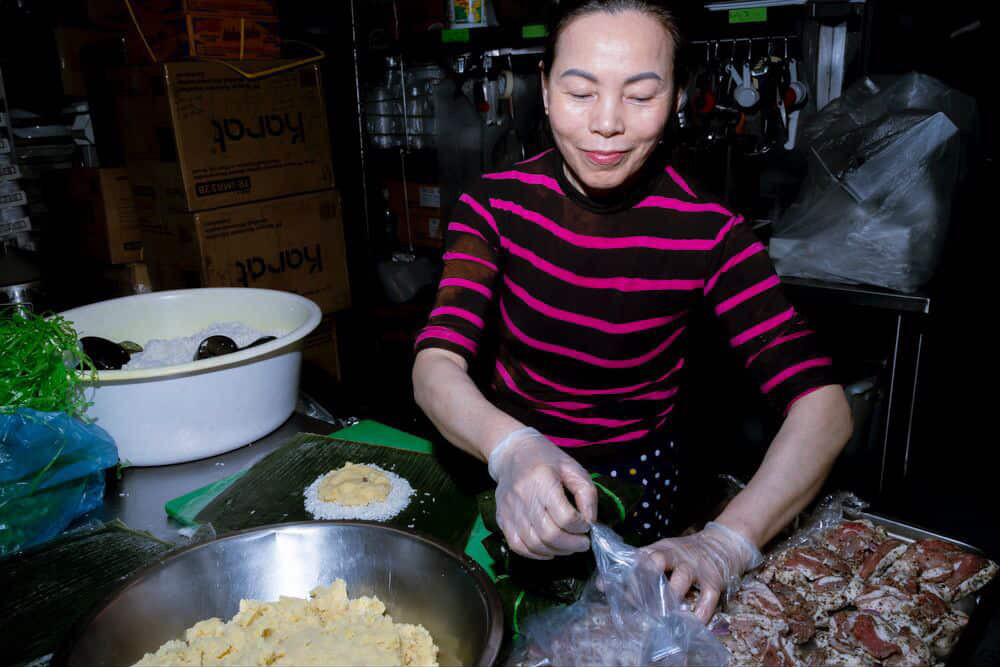
Traditional Tet dishes are prepared at her restaurant in the US.
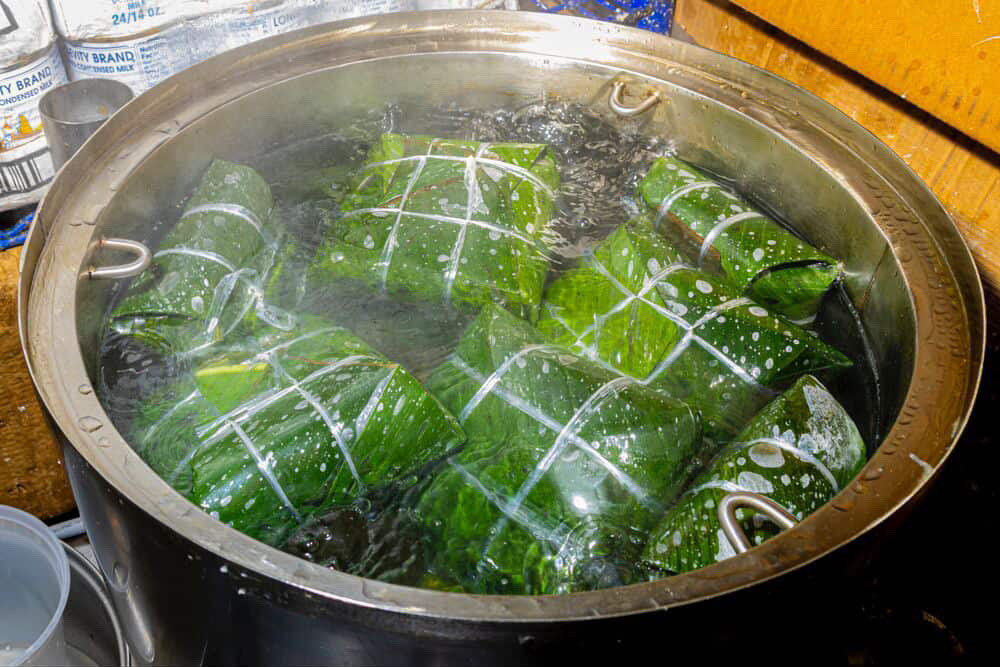
The most elaborate dish is banh chung. The process involves washing banana leaves - as dong leaves are difficult to find in the US - soaking glutinous rice, steaming mung beans and marinating pork. The square cakes are wrapped by Ms. Hang, who has more than 20 years of experience making traditional banh chung.
Each batch takes about a full day to complete, with boiling alone lasting eight to 10 hours.
“In the days close to Tet, Ms. Hang eats and sleeps at the restaurant to make and check every single banh chung. Her dedication to this traditional dish inspires me and the rest of the team to work even harder,” Nhu said.
“The cakes taste exactly like those at home in Vietnam. Even the pepper is brought from Vietnam for the most fragrant and authentic flavor.”
This year, the restaurant has wrapped between 2,000 and 2,200 banh chung, most of which were pre-ordered well in advance.
“Banh Anh Em,” located in central New York, was opened by Nhu and her partners in early April 2025. Just months later, it was listed in the Michelin Guide 2025 Bib Gourmand category, recognizing restaurants that offer high-quality food at reasonable prices, and has since appeared frequently in major media outlets.
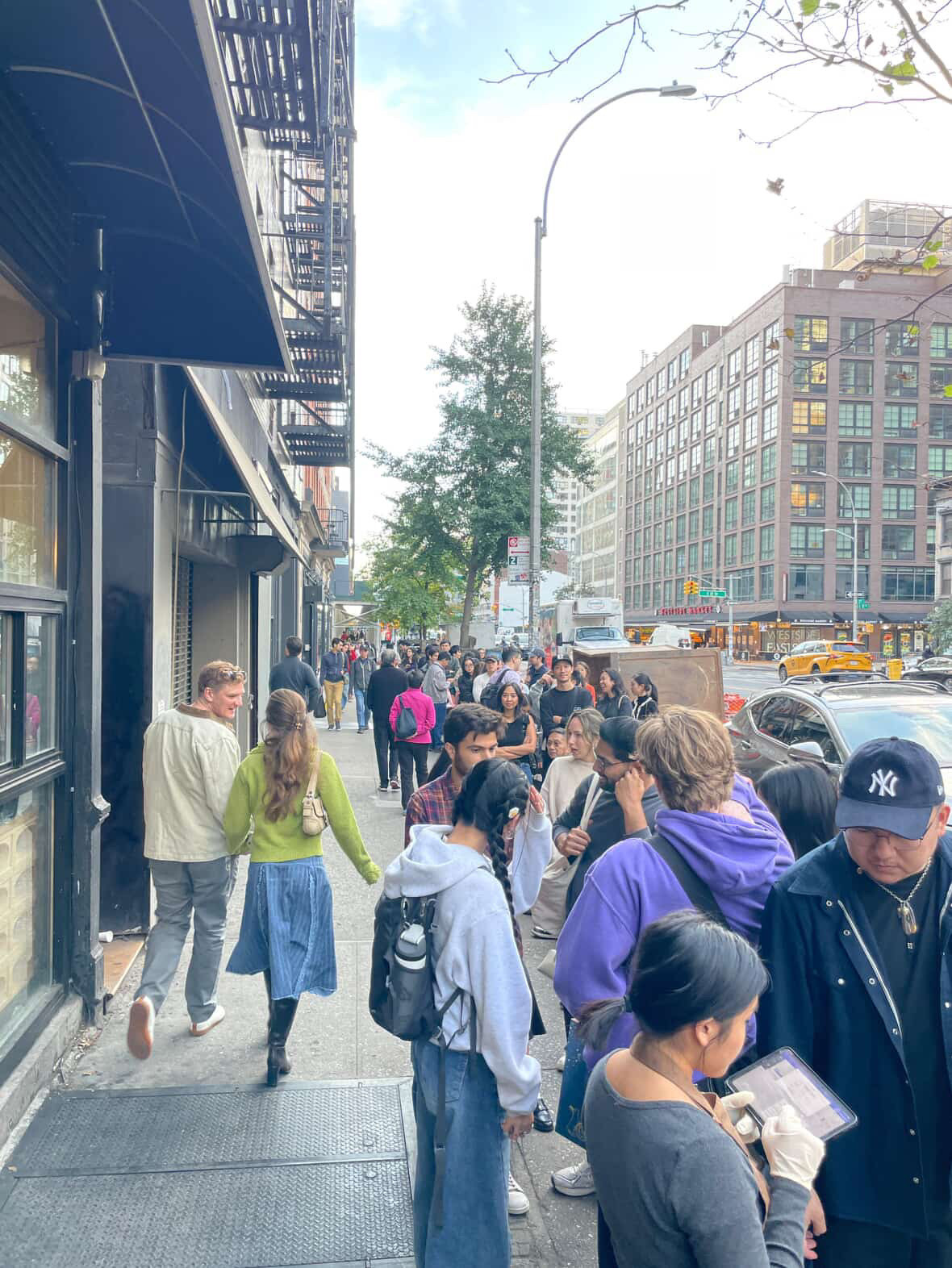
Customers line up outside the Vietnamese restaurant.
The restaurant’s signature and best-selling dish is banh mi. The sandwiches feature crisp crusts, airy interiors and generous fillings of pate, roasted pork, grilled beef, pickled vegetables and chili sauce. Every component, from the bread to the fillings, is made in-house rather than sourced industrially.
“In recent months, there have been times when customers waited up to three hours to dine here. We plan to expand to reduce waiting time, but first we must ensure quality. I want every Vietnamese dish served to be prepared with the utmost care,” she said.
Fourteen years ago, Nhu arrived in the US after graduating in restaurant and hotel management in Vietnam. She worked her way up from cleaning and dishwashing to management positions.
After a culinary journey across Vietnam exploring regional cuisines, she realized that Vietnamese food in the US was often simplified. That realization inspired her to open a restaurant to introduce authentic specialties to international diners. Before “Banh Anh Em,” she had found success with Com Tam Ninh Kieu in the Bronx and Vietnamese Shop House.
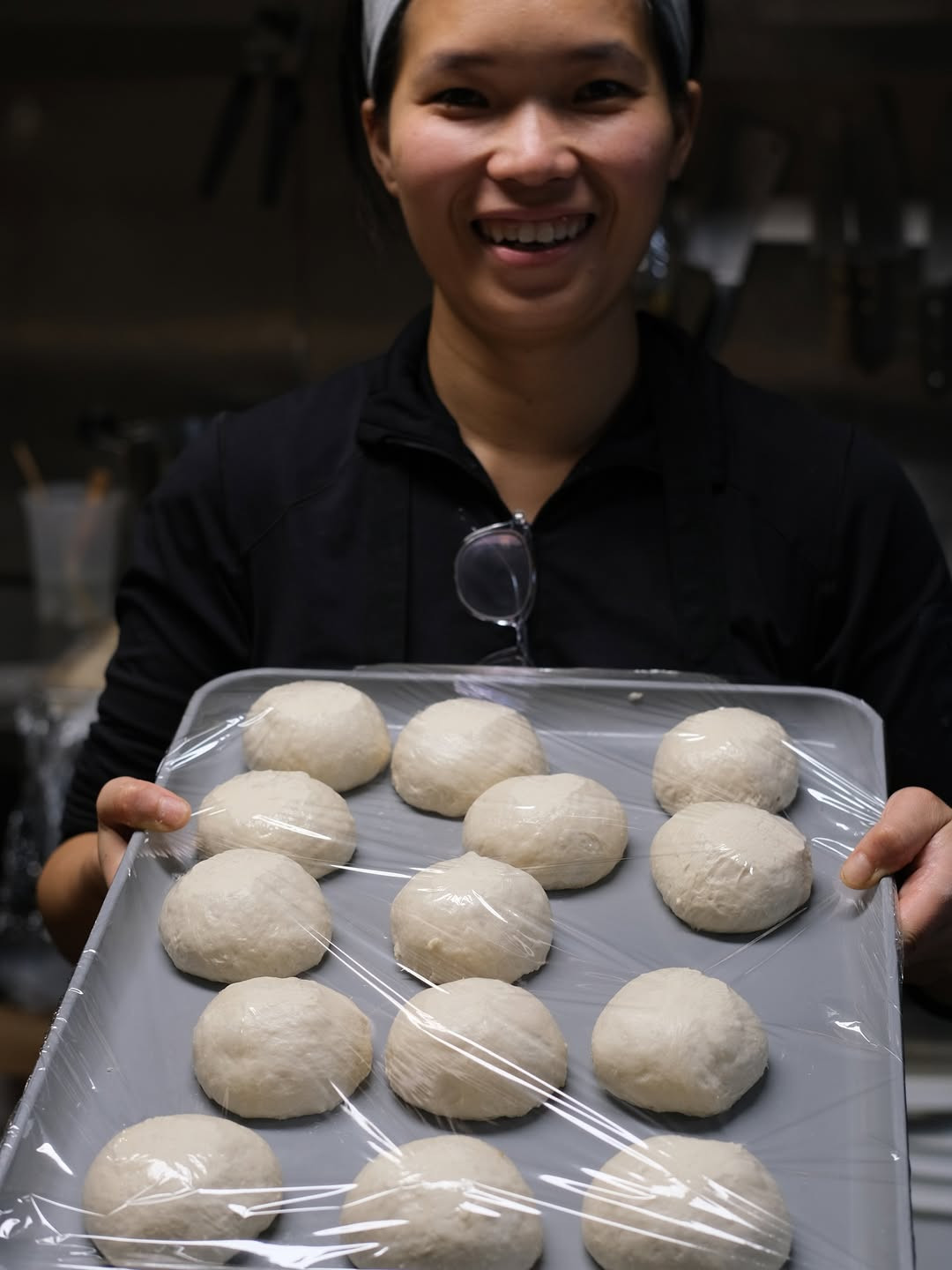
She spent two years researching banh mi techniques, learning from bakers in Vietnam, France, Denmark and Japan. Every day, she ferments the dough overnight and bakes the bread just 15 to 20 minutes before opening. The process is carefully calculated to achieve a thin, crispy crust and a soft, airy interior reminiscent of banh mi in Vietnam.
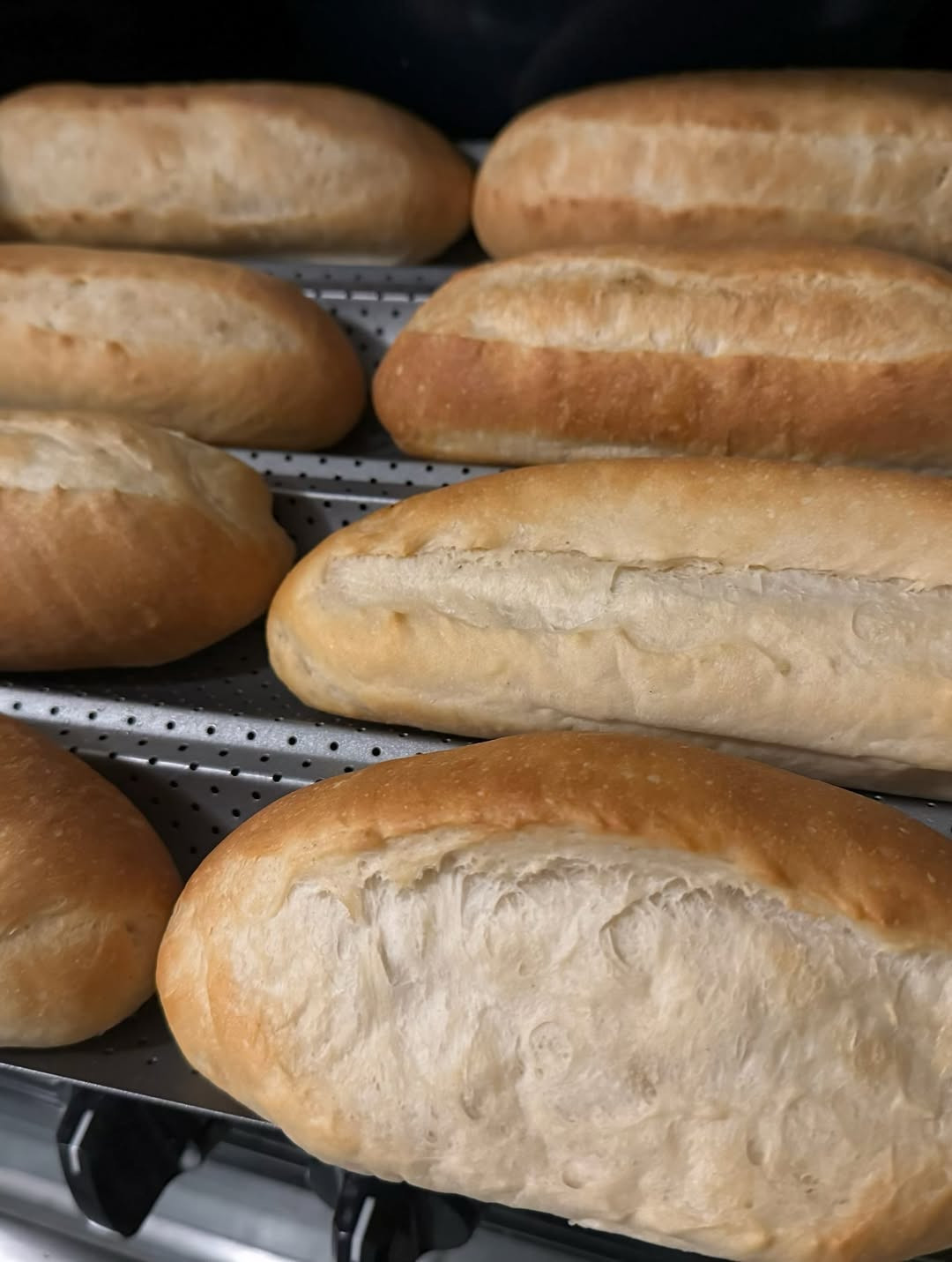
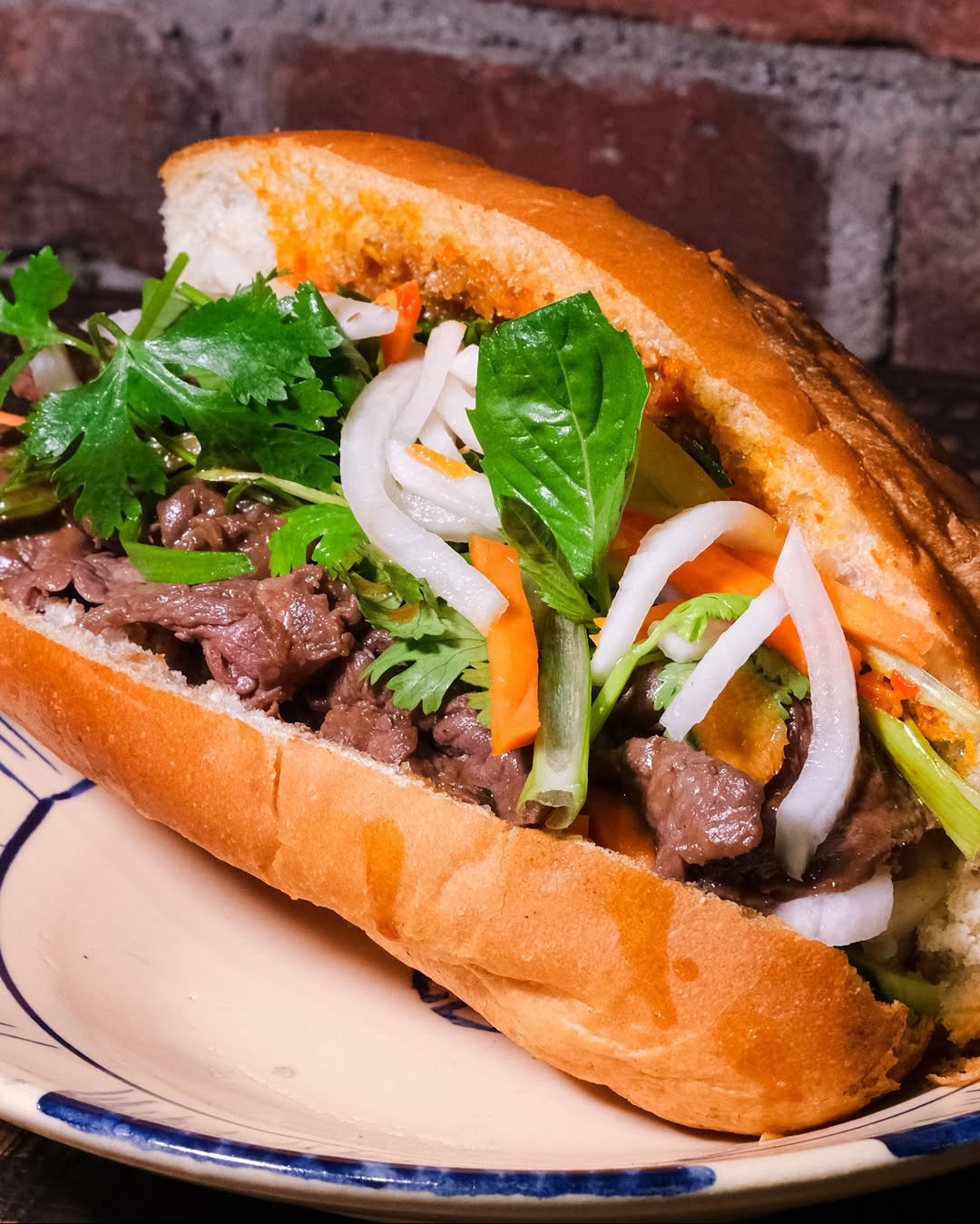
The restaurant’s banh mi is priced at about US$15.
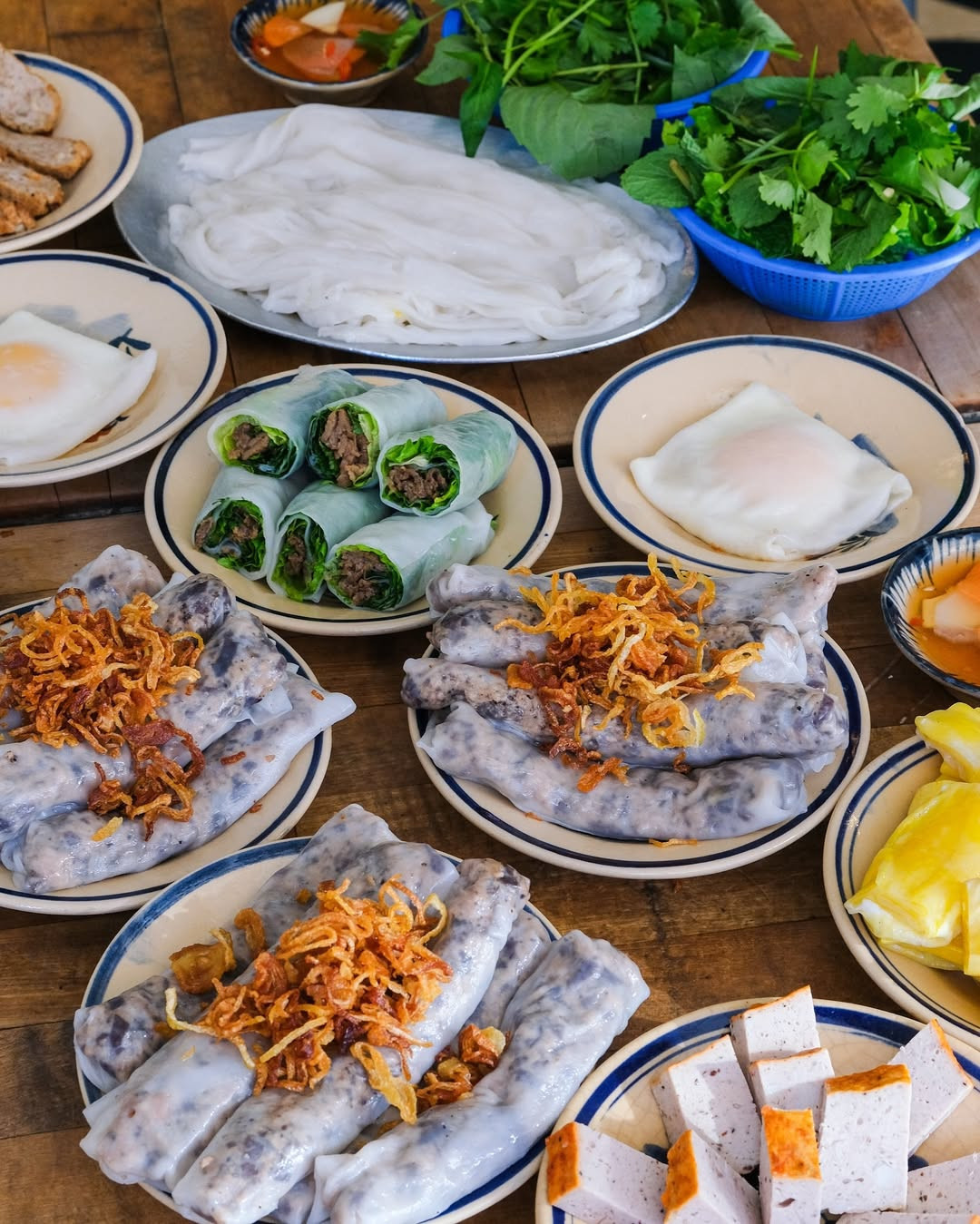

Photos: Nhu Ton/Banh Anh Em
Beyond banh mi, Nhu’s menu features pho bo Nam Dinh, Hanoi banh cuon, cha ca La Vong and Buon Ma Thuot-style banh uot served with mam nem.
The banh uot is presented impressively on a vertical stand with multiple stacked plates, each holding a thin, silky rice sheet topped with golden fried shallots. It is served with charcoal-grilled pork, fermented pork roll, pickled greens, fresh cucumber, green mango, herbs and fermented anchovy sauce.
The restaurant’s cha ca La Vong is also distinctive. Turmeric-marinated fish is cooked on a hot pan, topped with dill and scallions, releasing an aromatic fragrance. It is accompanied by rice vermicelli, roasted peanuts and, of course, mam tom.
New York Eater described the food as “vibrant, offering nuanced interpretations of well-known dishes from across Vietnam.” A reporter from The New York Times wrote that the menu was so diverse and distinctive it would be “memorable for a lifetime.”
“To achieve authentic flavors, I import many ingredients from Vietnam, such as mam tom from Ninh Binh, mam ro from Hue, mam nem from Da Nang and yellow ant salt from Dak Lak,” Nhu shared. “We want to convey that each Vietnamese dish is a work of art.”
Khanh Linh - Linh Trang
.svg)
