 Vietnamnet.vn

 Podcast



Keeping the village's cultural heritage alive
Inside their home in Cao Son village, Long Son hamlet, Tra My commune in central Vietnam's Da Nang City, village elder Ho Van Giac and his wife, Dinh Thi Dung, sit surrounded by strands of forest rattan, carefully split and hung above the kitchen stove.
Whenever he has time away from farming, Giac heads into the forest to gather rattan. In the skilled hands of the elderly couple, the fibres gradually become traditional Ca Dong carrying baskets, woven containers and household utensils.
"In the past, many people in our village knew how to weave baskets. These days, fewer and fewer people have the skills," Giac said. "As long as I'm still able, I'll keep doing it. And if anyone wants to learn, I'm happy to teach them."
Both Giac and his wife learned basket weaving as children, watching older villagers at work before trying it themselves. Over the years, those early lessons developed into a craft they have mastered.
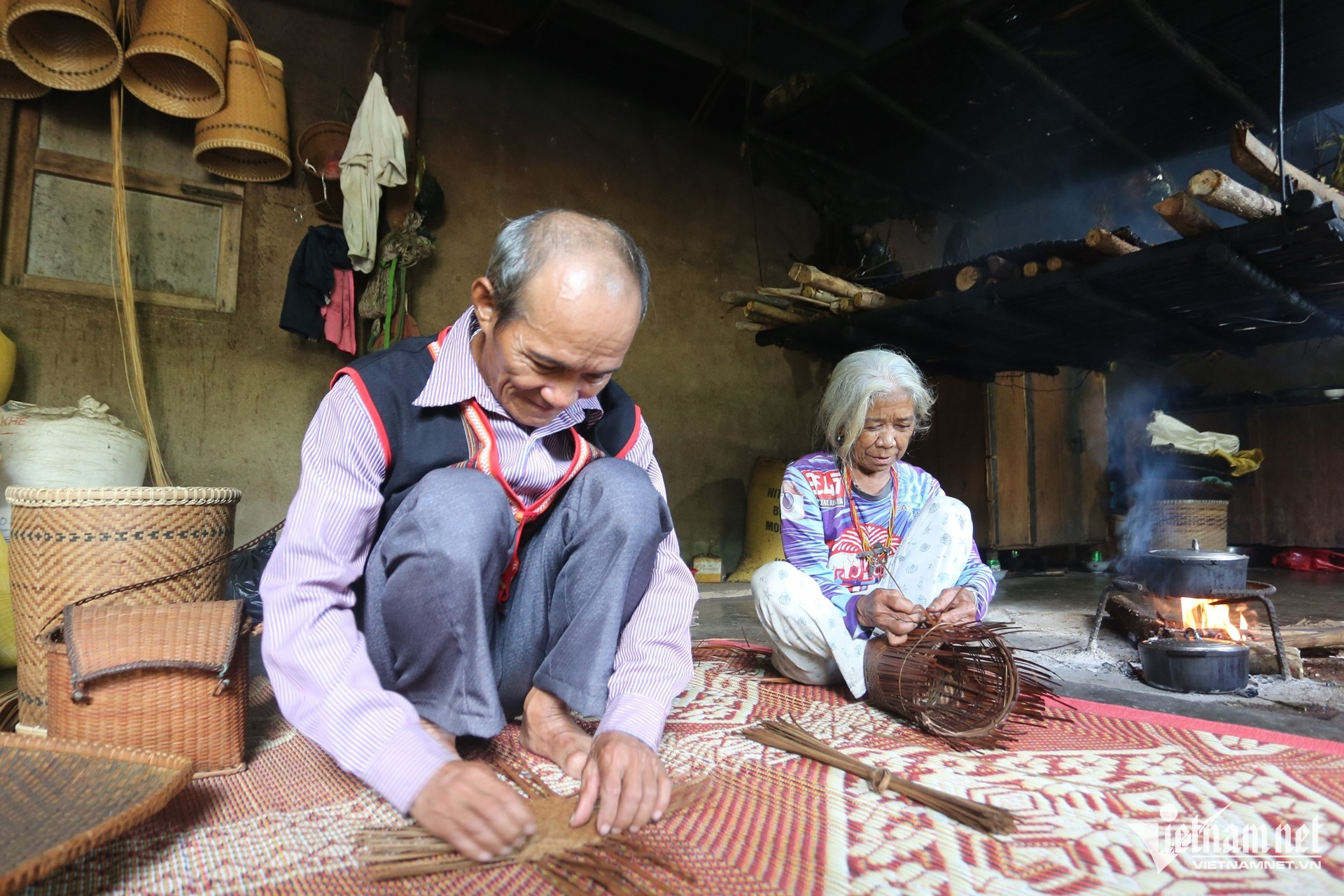
As lifestyles have changed, however, fewer people have continued the tradition.
Only a handful of villagers in Long Son still know how to weave traditional products, and local residents regard Giac and Dung as the most skilled artisans in the community.
The couple continue weaving for their own household while also selling their products and displaying them at cultural and tourism events.
Their craftsmanship has become well known, and customers occasionally commission baskets and other items made to order.
Dung is also familiar with many traditional Ca Dong dances and regularly participates in local cultural activities.
For Giac, however, basket weaving represents only one part of the cultural knowledge he has accumulated since childhood.
He can play several traditional musical instruments, perform ting ting songs and other forms of folk music, and explain the customs, festivals and ceremonial practices of the Ca Dong people.
He also knows how to construct and decorate ceremonial poles, known locally as cay neu, which play an important role in community rituals and festivals.
During traditional buffalo-offering ceremonies, water-trough blessing rituals and cultural festivals in Tra My, Giac frequently joins other village elders in conducting ceremonies.
He learned the prayers, preparations for ritual offerings and traditional practices from previous generations, preserving them through years of participation and experience.
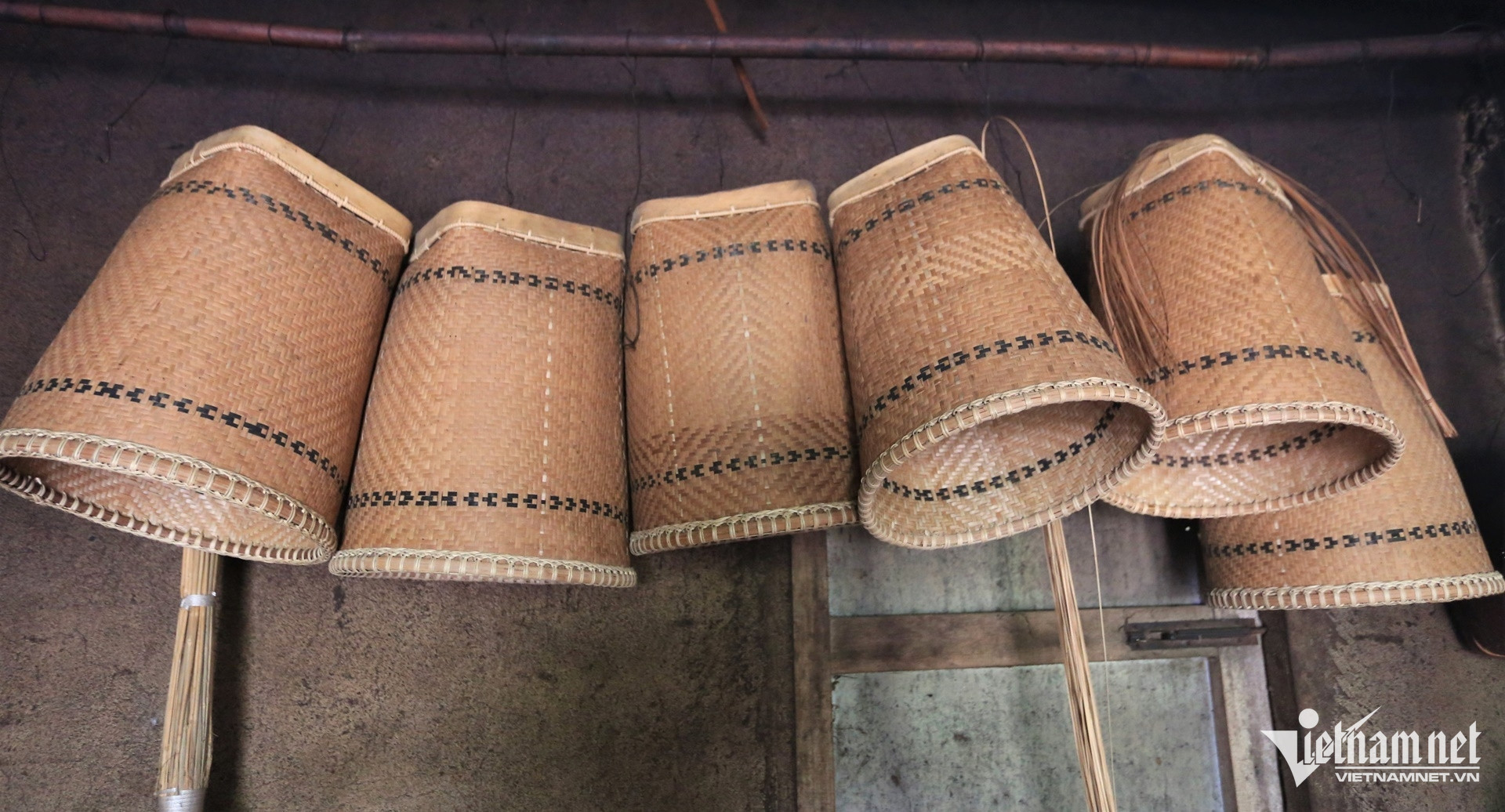
His extensive knowledge and standing in the community have made him one of the area's most active guardians of Ca Dong cultural heritage.
He personally teaches young villagers how to weave baskets, play gongs and perform certain traditional rituals.
Long Son now has a gong and cultural performance club with 26 members, including gong players, drummers and dancers.
"In the past, only a few people in the village knew how to play gongs or conduct traditional ceremonies," Giac recalled.
"Now we have a performance group, and young people are learning gong music, dancing and rituals. That gives me a chance to teach them. Seeing our village's culture come alive again, and seeing young people willing to learn, makes me happy."
Giac and his wife have six children, all of whom now have stable jobs and families of their own.
Yet none has fully taken up the basket-weaving craft practised by their parents.
As long as he can, he will keep serving his village
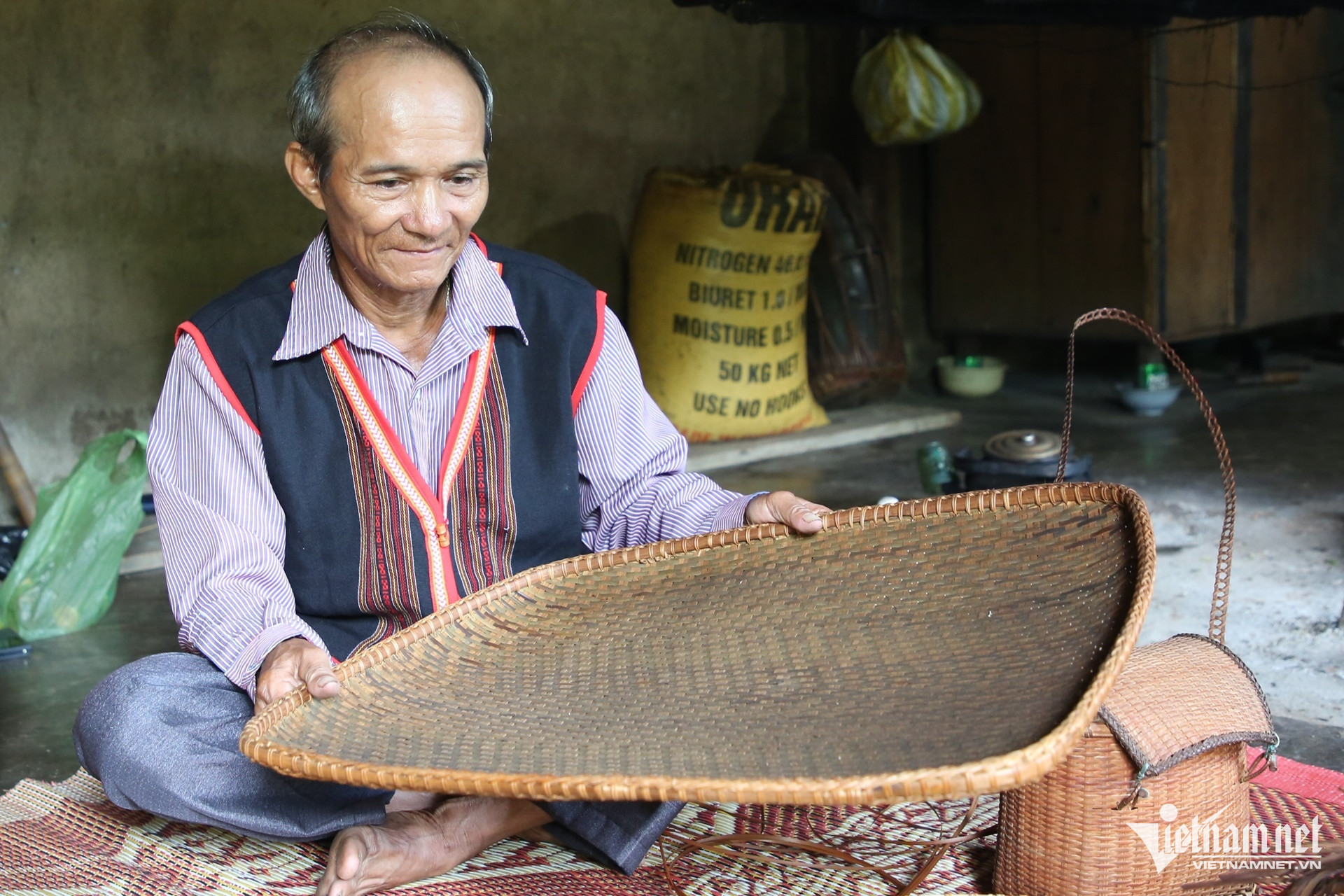
Beyond traditional crafts and ceremonies, Giac carries a wealth of memories about how the Ca Dong people lived in earlier generations.
He remembers a time when villages were relatively isolated and sparsely populated.
Families depended largely on farming in upland fields, working together to build houses and establish settlements, cultivate crops, hunt and gather for communal festivals.
His memories remain filled with images of traditional houses, jars of rice wine consumed through long straws during ceremonies, rituals for choosing land on which to establish new villages, and buffalo-offering festivals accompanied by gong music and singing.
Nguyen Thi Nhai, head of Long Son hamlet, describes Giac as one of the community's most knowledgeable custodians of Ca Dong culture.
People who possess such a broad range of traditional skills and knowledge, she said, are becoming increasingly rare.
"We sometimes jokingly call him the village's 'living handbook'," Nhai said. "Whether it's basket weaving, traditional musical instruments, customs or ceremonies, young people often come to him whenever they don't know something or need an explanation. What we hope most is that everything he and his wife know will continue to be passed down to the younger generations in our village."
In 2025, Giac received a certificate of merit from the Vietnam Fatherland Front Committee of Quang Nam province in recognition of his contributions to strengthening national unity.
For many years, he has also been regarded as a respected and influential figure within the local community.
Among Cao Son residents, that respect has been earned not through grand gestures, but through his everyday actions.
Whenever village or commune authorities need to explain a policy or encourage community participation, Giac often accompanies local officials to meet residents, using familiar, straightforward language to help people understand and reach agreement.
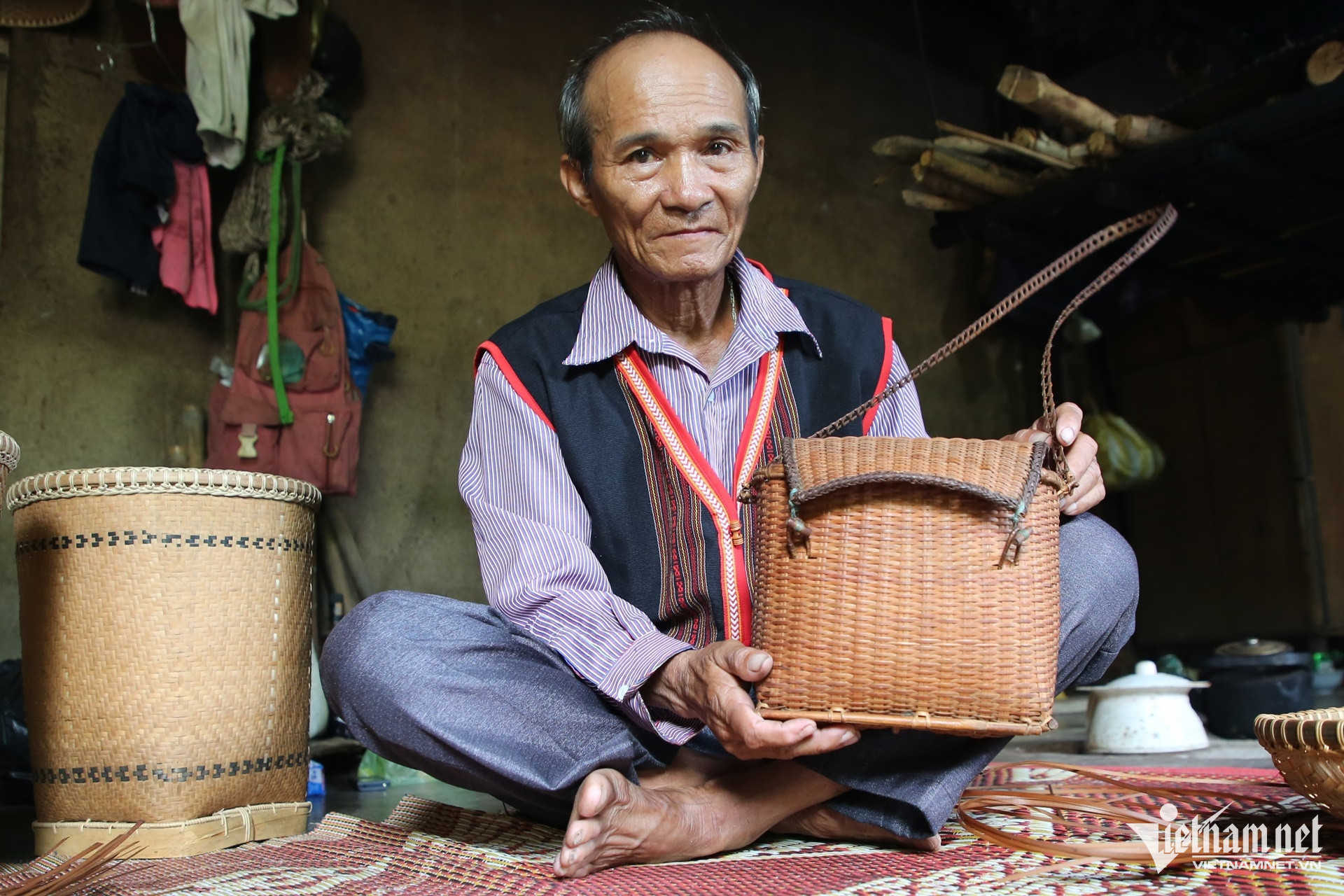
He believes that anyone hoping to encourage others to take action must first set an example within their own family.
Over the years, he and his wife have cultivated upland fields, developed their garden, raised livestock and invested in a rice-milling machine.
These activities have provided additional household income while also offering a useful service to people in the surrounding area.
"As long as I still have the strength, I'll keep doing what I can for the village," Giac said. "If people don't understand something, I'll explain it. If there's work I can help with, I'll do it alongside everyone else. I've lived here my entire life. Whatever I can do to help my village, I'll do."
Ha Nam
.svg)
