 Vietnamnet.vn

 Podcast



"I don't protect it for myself, and I certainly don't protect it to sell it."
That is how Truong Quoc Do, a resident of Kim Phu Commune, Quang Tri Province, describes the rare ironwood forest he has devoted the past 33 years to safeguarding.
Ready to confront illegal loggers to protect Con Lim
"The commune officials told me a journalist was coming today, so I stayed home. Otherwise, I'd already be up at Con Lim by this hour."
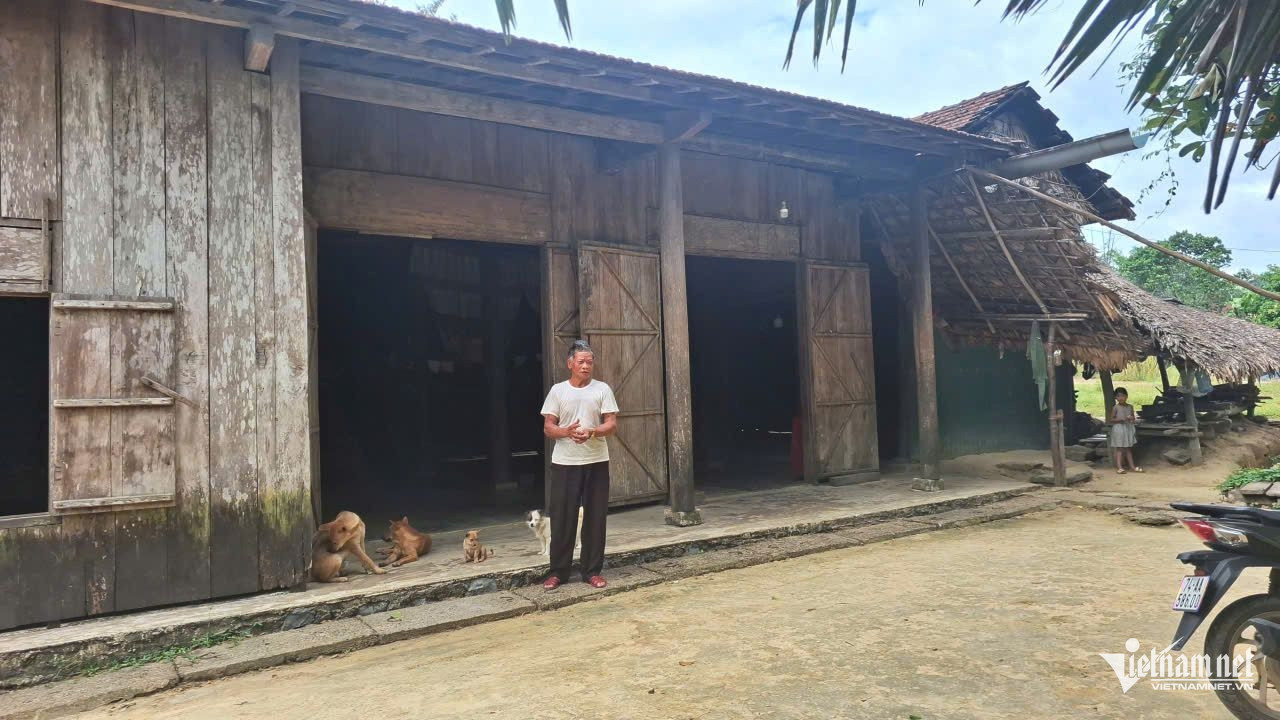
Do greeted visitors with a warm smile outside his modest wooden house at the end of Tan Hoa Hamlet. The only way to reach his home is via a single narrow road leading from the entrance of Hamlet 4.
Years of working outdoors have left his skin deeply weathered by the sun. Although now 75, he remains as sturdy and resilient as the towering ironwood trees he has spent decades protecting.
Do has seven sons. Five have married and built homes around their father's property. To him, they are not only a source of comfort in old age but also companions in the demanding task of protecting Con Lim.
In 1992, under Vietnam's forest land allocation policy, Do was entrusted with restoring and protecting 50 hectares of natural forest in what was then Yen Tho Hamlet, now Tan Hoa Hamlet.
Realizing the area was too large for one family to manage effectively, he voluntarily returned part of the land so it could be assigned to other households. He retained responsibility for 20 hectares in the Con Lim area, where he focused on restoring and protecting the remaining ironwood trees.
That decision would define the rest of his life.
At the time, only a small number of ironwood trees remained in Tan Hoa. Years of logging following the war had left the once-abundant forest severely depleted.
Determined not to let the species disappear, Do carefully protected the remaining trees and encouraged natural regeneration. After 33 years of dedicated stewardship, the forest has become one of the few surviving ironwood stands on the slopes of Giang Man Mountain.
"Con Lim is untouchable"
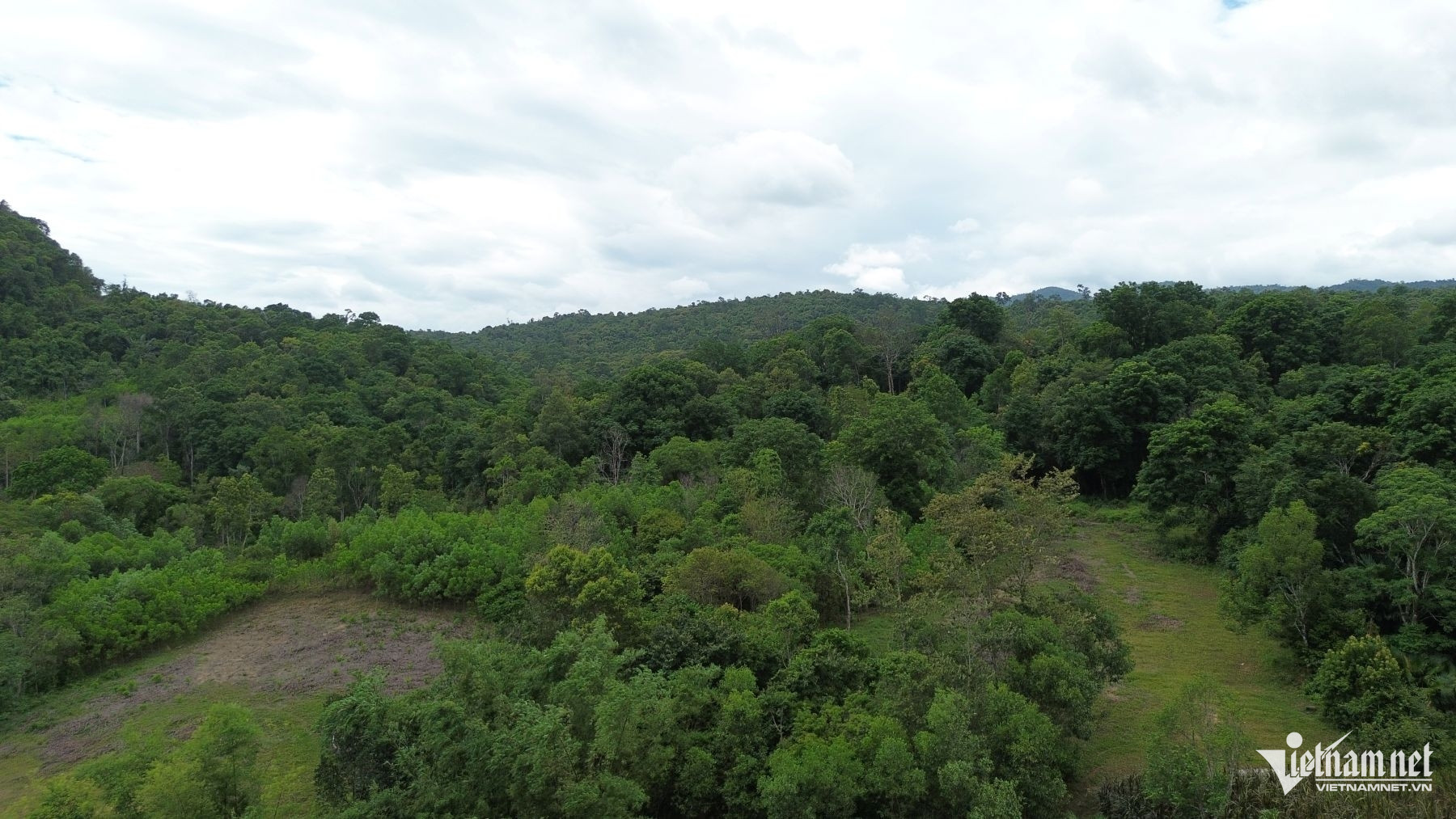
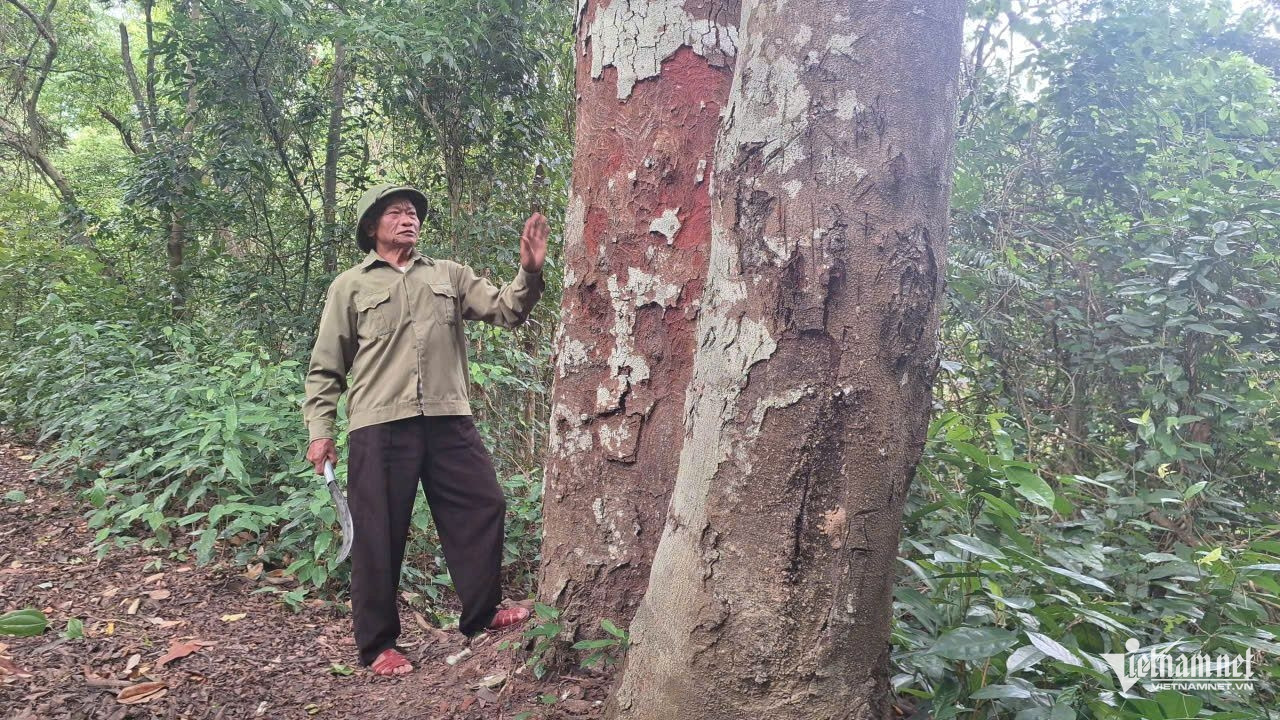
Do was born beneath the shade of ironwood trees and grew up surrounded by the ancient forest.
During the war, the towering trees sheltered soldiers and villagers alike from relentless bombing. Their massive trunks also served as natural foundations for bomb shelters.
"Back then, there was a military engineering workshop on the hill. Because I knew the forest well, I often worked as a messenger. Villagers also relied on the large ironwood trees to build bomb shelters," he recalled.
Those memories made it impossible for him to stand by as the forest faced relentless destruction after the war.
Since taking responsibility for the area, scarcely a day has passed without Do visiting the forest.
During the dry season, he clears undergrowth and creates firebreaks to reduce wildfire risks. During the rainy season, he inspects fallen trees and patrols for signs of illegal activity. The moment he hears the sound of a chainsaw or an axe echoing through the forest, he leaves whatever he is doing and heads straight into the hills.
Whenever illegal loggers appear, Do never backs down.
He has confronted timber thieves as well as neighbors persuaded by timber traders to cut valuable trees. His determination has earned him a reputation that discourages would-be loggers from entering Con Lim.
Among local residents - and even those involved in illegal logging - a familiar saying has emerged: "Con Lim belongs to Mr. Do. It's untouchable."
Over the past three decades, countless people have approached him hoping to buy one of the valuable ironwood trees. Others hinted they might cut them down illegally.
His response has never changed. "I protect the forest because it is national public property. I don't protect it for myself."
A forest for future generations
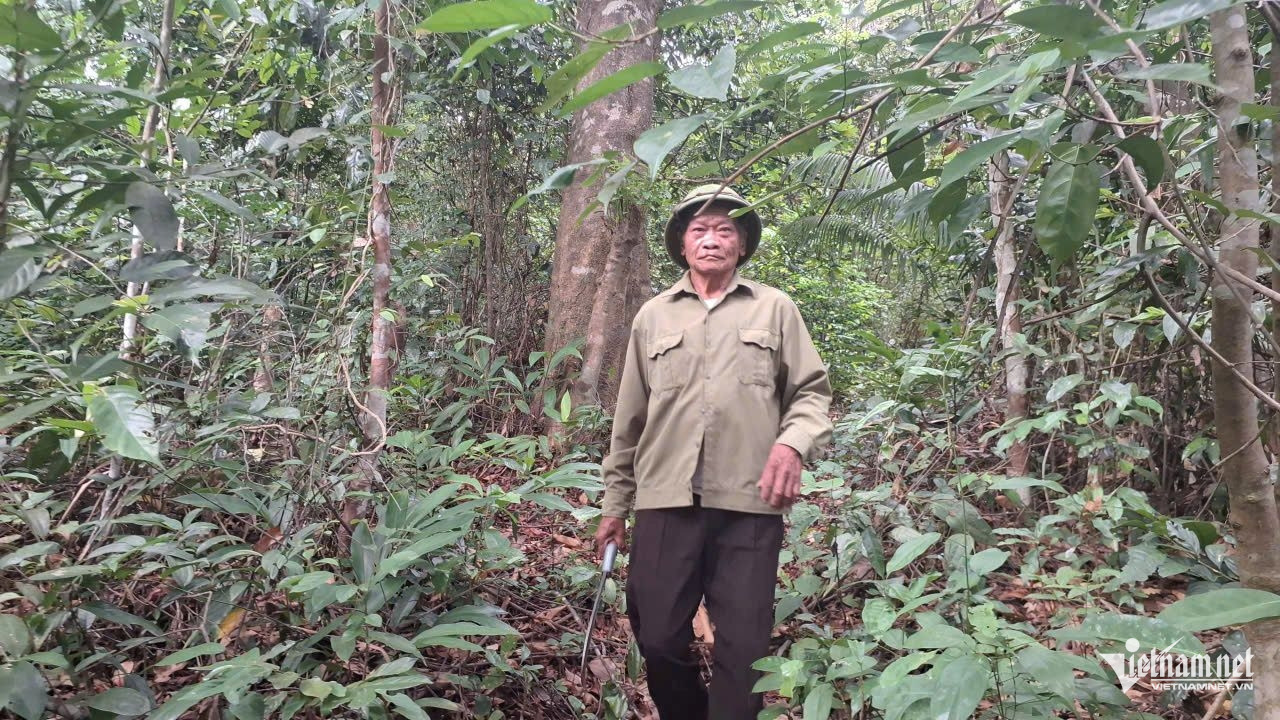
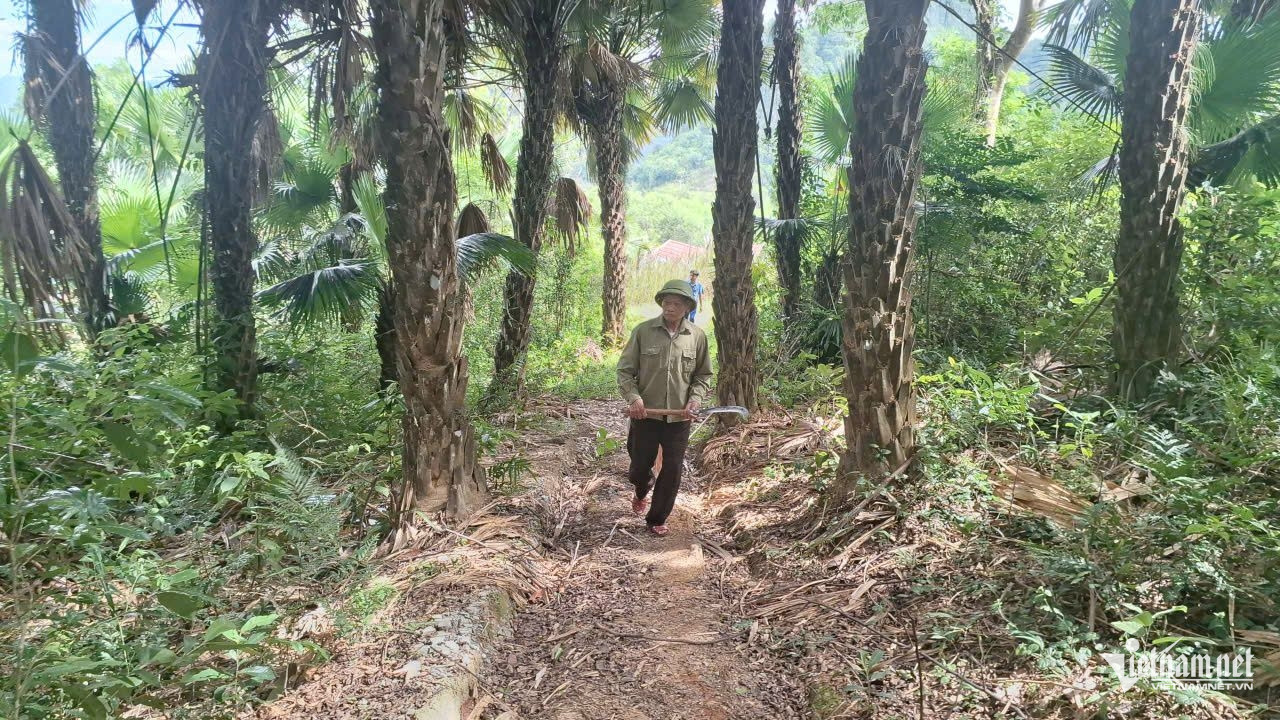
The trail leading to Con Lim is steep, winding beneath towering ironwood trees whose dense canopy blocks much of the sunlight.
Do walks ahead carrying a machete, moving with surprising speed for a man his age. Those following behind soon struggle to keep pace.
Every landmark in the forest lives in his memory: streams, embankments, giant tree stumps and property boundaries. After 33 years, he knows every corner of the landscape.
At one point, he stopped beside two massive ironwood trees growing side by side.
Running his hand gently over the rough bark, he explained, "In 1965, villagers cut down the original tree here to build a bomb shelter. After the war, the stump sprouted again, and these two trees grew from it."
Today, both trunks measure nearly one meter in diameter, rising straight into the sky beneath a broad green canopy.
Jokingly, I asked whether the pair might be worth hundreds of millions of Vietnamese dong.
Do smiled.
"I wouldn't know." Then he added quietly, "Protecting the forest means protecting national public property. I don't keep these trees for myself, and I certainly don't keep them to sell. Even when my own sons asked to cut ironwood to build houses, I refused."
His words explain why Con Lim has remained remarkably intact for more than three decades.
Beneath the towering old-growth trees, countless young ironwood saplings now thrive. Some stand taller than a person, while others have already grown thick enough to require both arms to embrace.
Before I could ask about the younger trees, Do answered the question himself. "They all grew from seed. Every fruiting season, I collect seeds and sow them in open spaces. Whenever local people ask for seeds to plant, I'm happy to share them."
By nearly noon, my pace had slowed considerably.
Walking ahead, Do waved and called back, "Come on, there's still so much forest left to see!"
After pushing on for a while longer, I finally admitted defeat and asked to turn back.
Clearly disappointed that he had not been able to show us every corner of the forest, he called out, "There are still many beautiful places we haven't reached."
His eyes remained fixed on the towering ironwood trees ahead.
At that moment, it became clear that as long as he is able to walk, Truong Quoc Do will continue serving as the steadfast guardian of Con Lim - just as he has done every day for the past 33 years.
Tien Pham
.svg)
