 Vietnamnet.vn

 Podcast



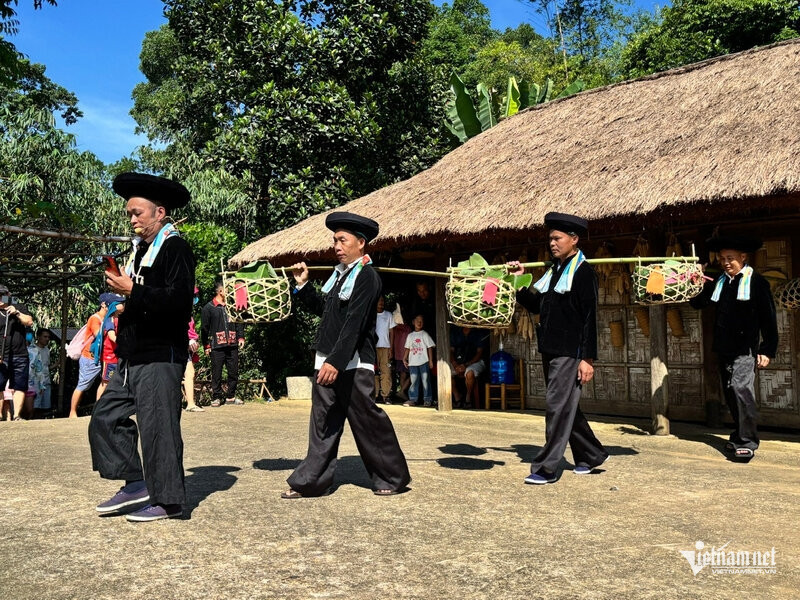
One distinctive Red Dao wedding custom is the use of an odd number of people in the bridal procession. The group usually consists of nine, 11 or 13 people. Traditionally, once the bride joins them, the number becomes even, symbolizing completeness and reunion. By contrast, if the procession begins with an even number, adding the bride would make it odd, which is considered a symbol of separation and misfortune.
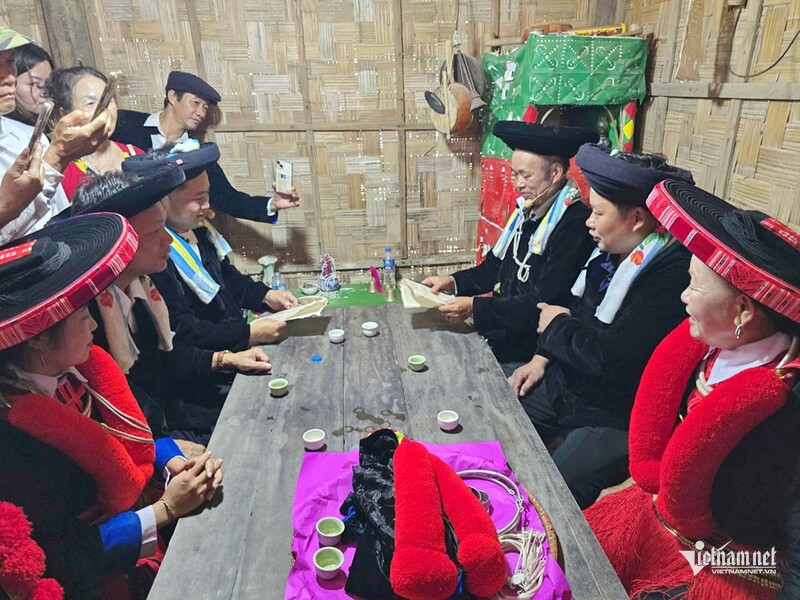
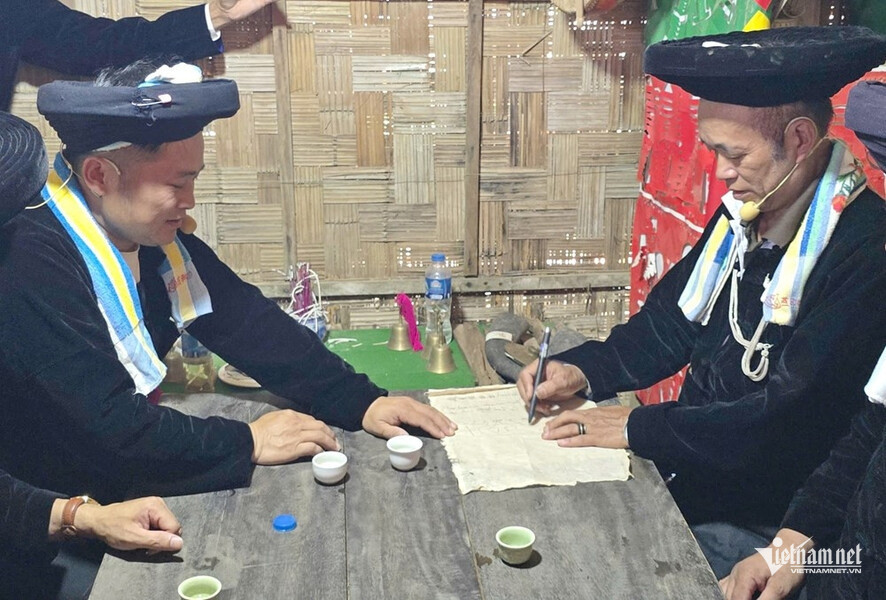
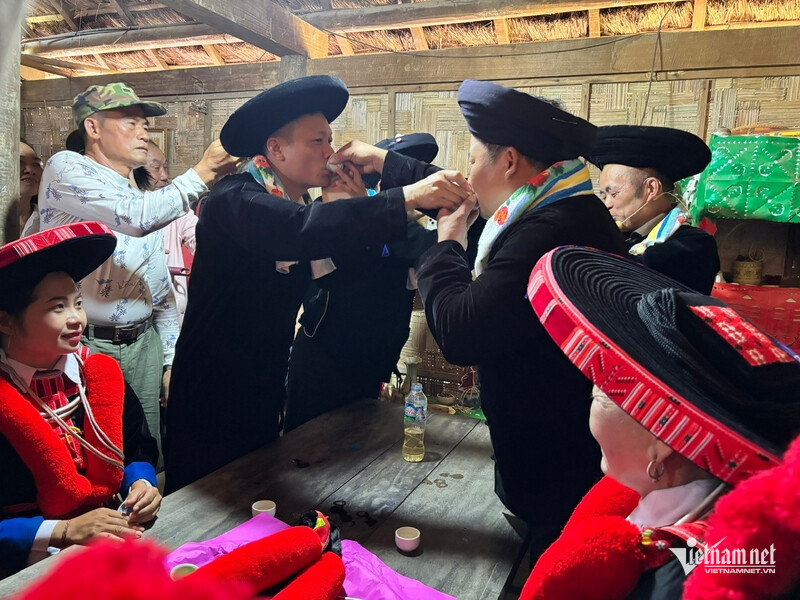
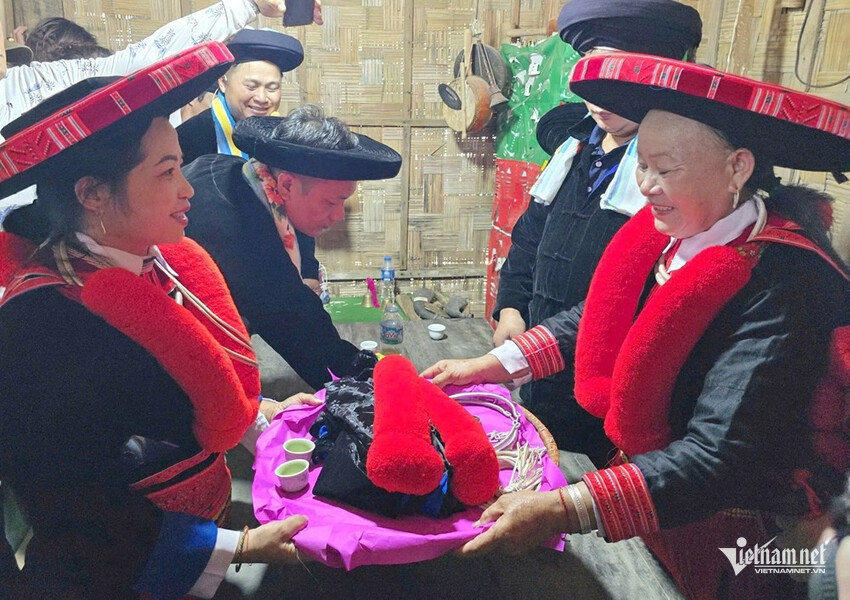
The groom’s family brings the bride’s family a pair of chickens, alcohol, pork and gifts for the bride, including silver, necklaces, bracelets, a silver chain, a traditional undergarment and earrings. After the gifts are inspected, the two families prepare a marriage document in classical Chinese characters, sign it and each retain a copy as confirmation of the marriage.
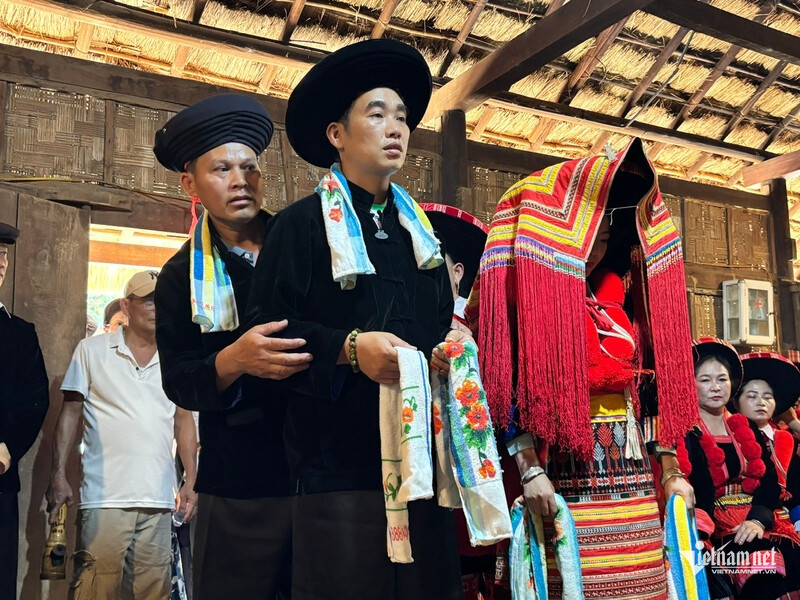
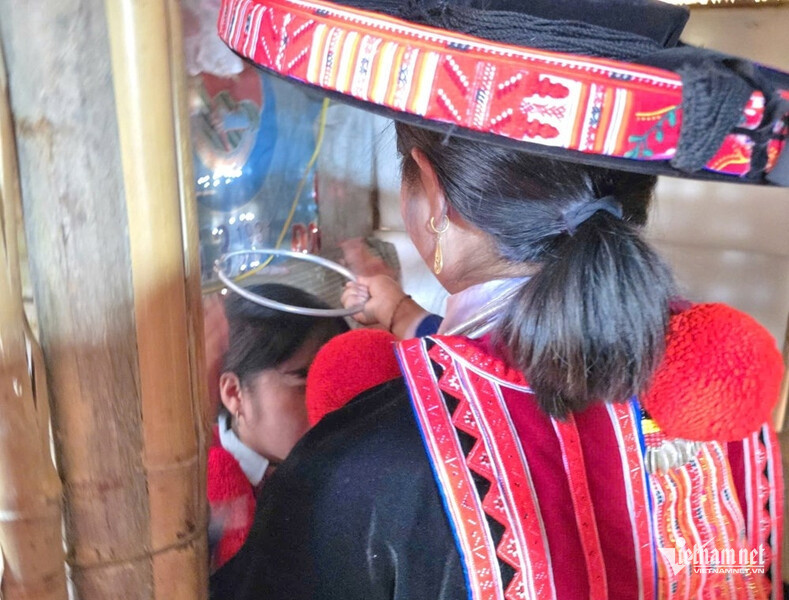
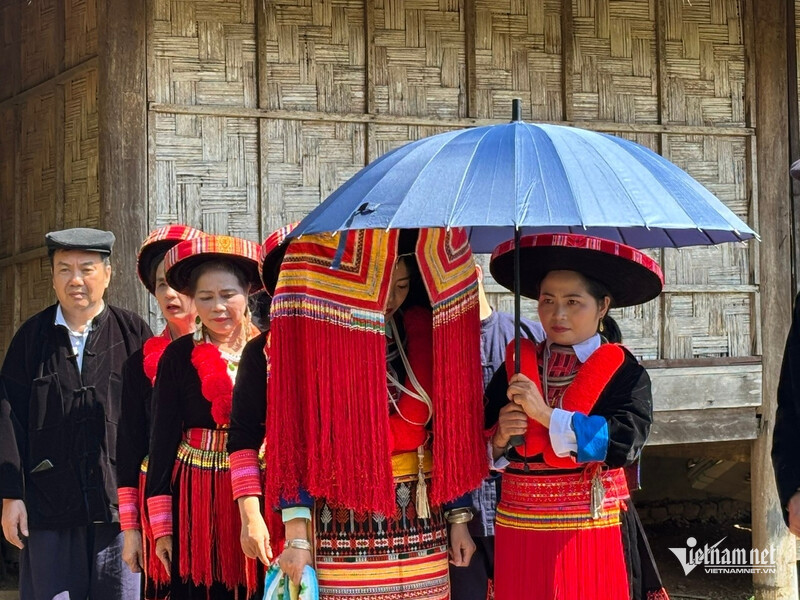
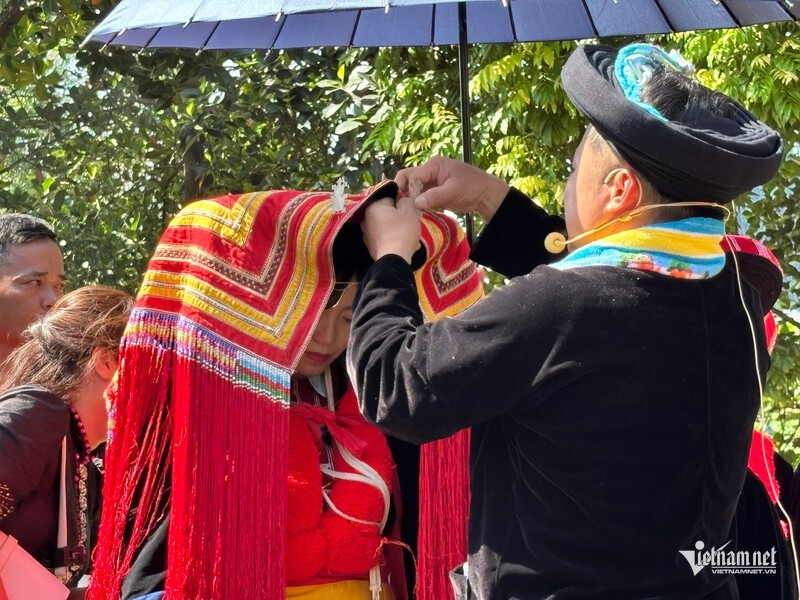
On her wedding day, the bride wears traditional clothing dominated by brilliant red and adorns her neck and wrists with silver jewelry. Most striking is a large red veil that completely covers her face. According to Red Dao beliefs, a bride should not allow the sun to see her face on her wedding day, as doing so could cause her to “lose her spirit.” The custom is intended to bring good fortune and harmony to her married life.
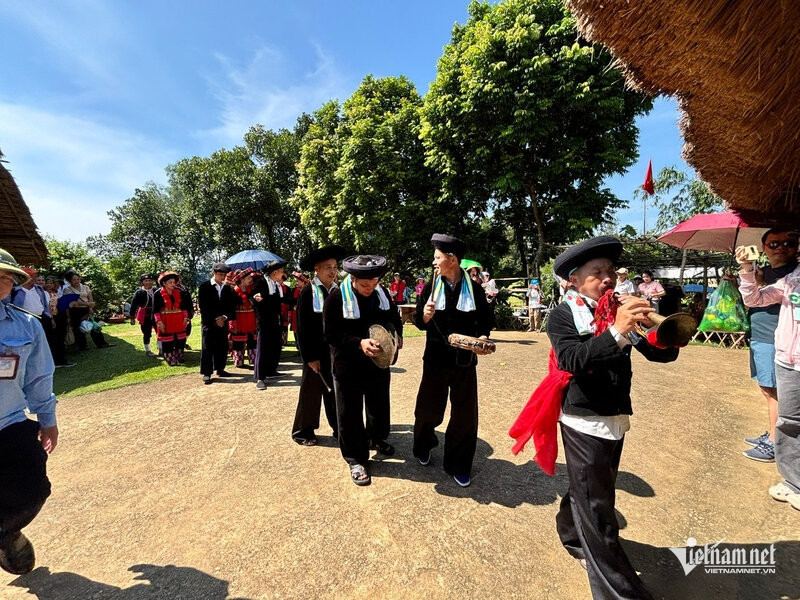
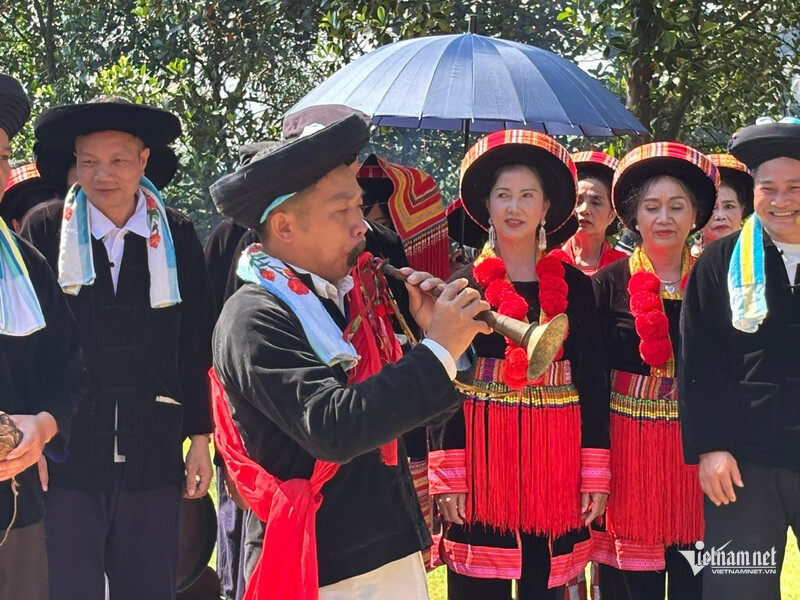
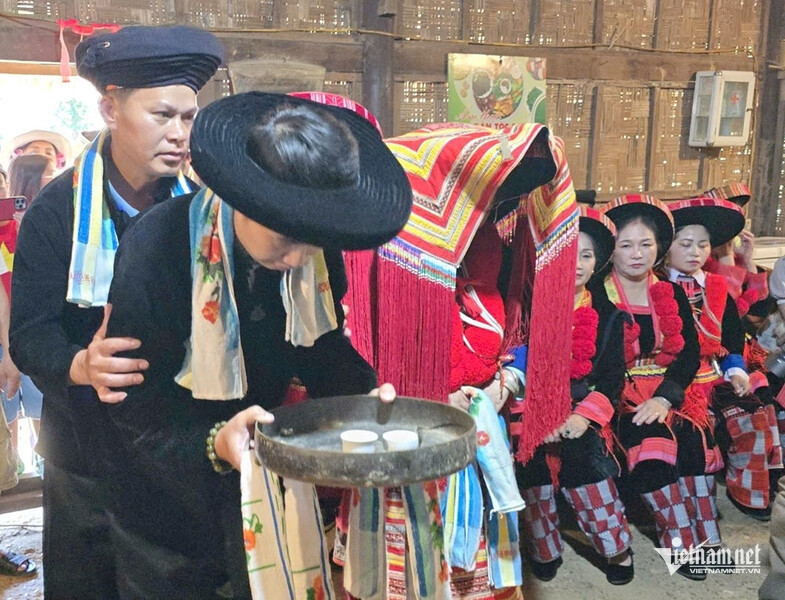
The bride’s procession, known as the San cha procession, dresses in traditional clothing and accompanies her to the groom’s home to the sound of celebratory trumpets. A bridesmaid holds an umbrella over the bride throughout the journey. Besides shielding her from the sun, the umbrella symbolizes completeness and careful preparation as the young woman leaves for her husband’s home.
When the two processions meet, musicians from both sides play melodies of greeting and blessing and bow to each other according to traditional rites. One ritual that particularly impresses visitors takes place outside the groom’s home, where evil spirits are driven away.
The bride stands with her back to the house while a shaman performs a ritual using pomelo-leaf water and sacrifices a chicken, intended to drive away any misfortune that may have followed the bridal procession.
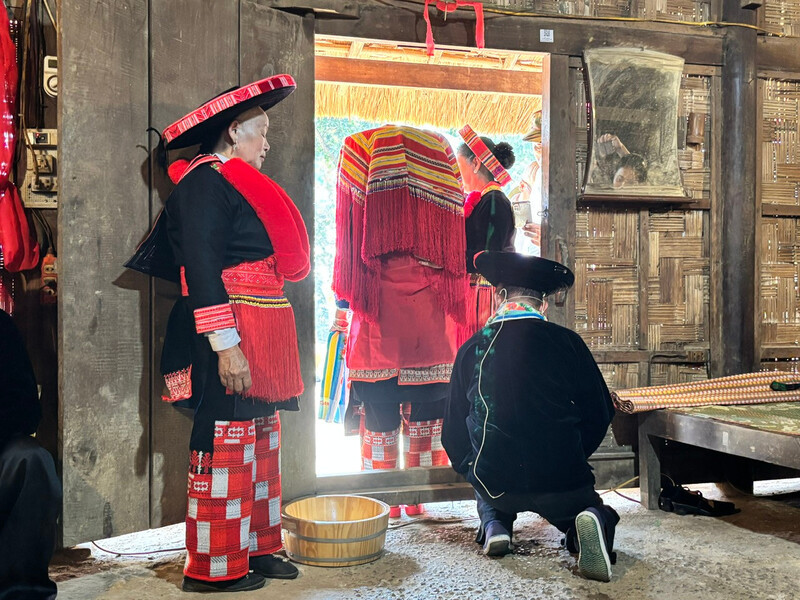
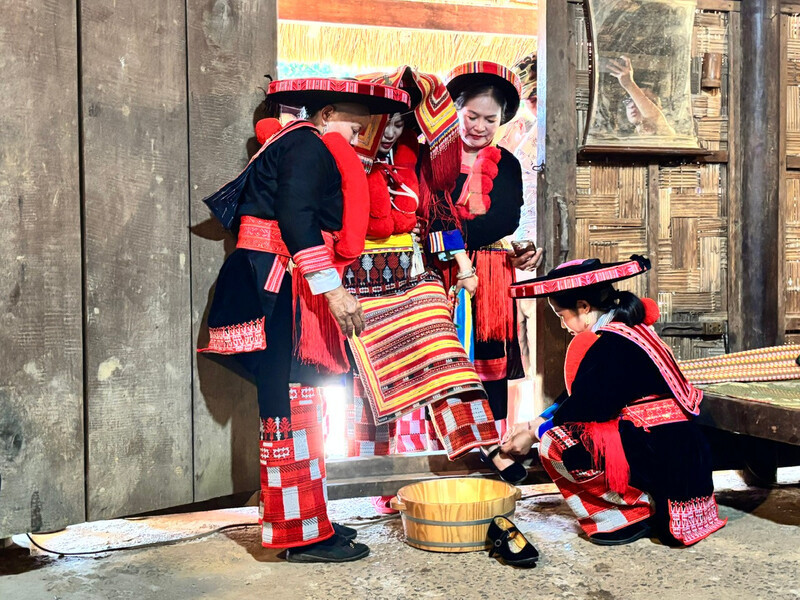
The groom’s family then sends out a young woman to wash the bride’s feet and replace her shoes with a new pair, a gesture intended to leave good fortune with the young woman. The bride then steps over a basin of water containing the knife used in the ritual before officially entering the groom’s home.
Inside, the newlyweds perform the Thap nhi bai, or Twelve Bows, before the ancestral altar. The 12 bows express reverence for their ancestors and seek blessings for peace, prosperity and many descendants in their new family. The wedding officiant also performs a ritual to inform the ancestors that the family has welcomed a new member, while offering wishes for harmony and happiness for the newly married couple.
After the main ceremonies, the two families share a celebratory meal, sing traditional courtship songs in call-and-response form and enjoy local dishes. Through the reenactment, the Red Dao wedding comes vividly to life through brilliant shades of red, resonant trumpet music and a rich tapestry of customs, beliefs, traditional clothing and cuisine.
Recently, a reenactment of the traditional wedding ceremony of the Red Dao was organized by the Cao Bang Provincial Center for Culture and Tourism Information in coordination with the Vietnam National Village for Ethnic Culture and Tourism, drawing large numbers of visitors.
The program not only offered visitors an engaging cultural experience but also helped the wider community better understand the spiritual life of the Red Dao, raising awareness of the need to preserve and promote traditional cultural values in modern life.
Thuy Hong
.svg)
