 Vietnamnet.vn

 Podcast



Tran Tuyen
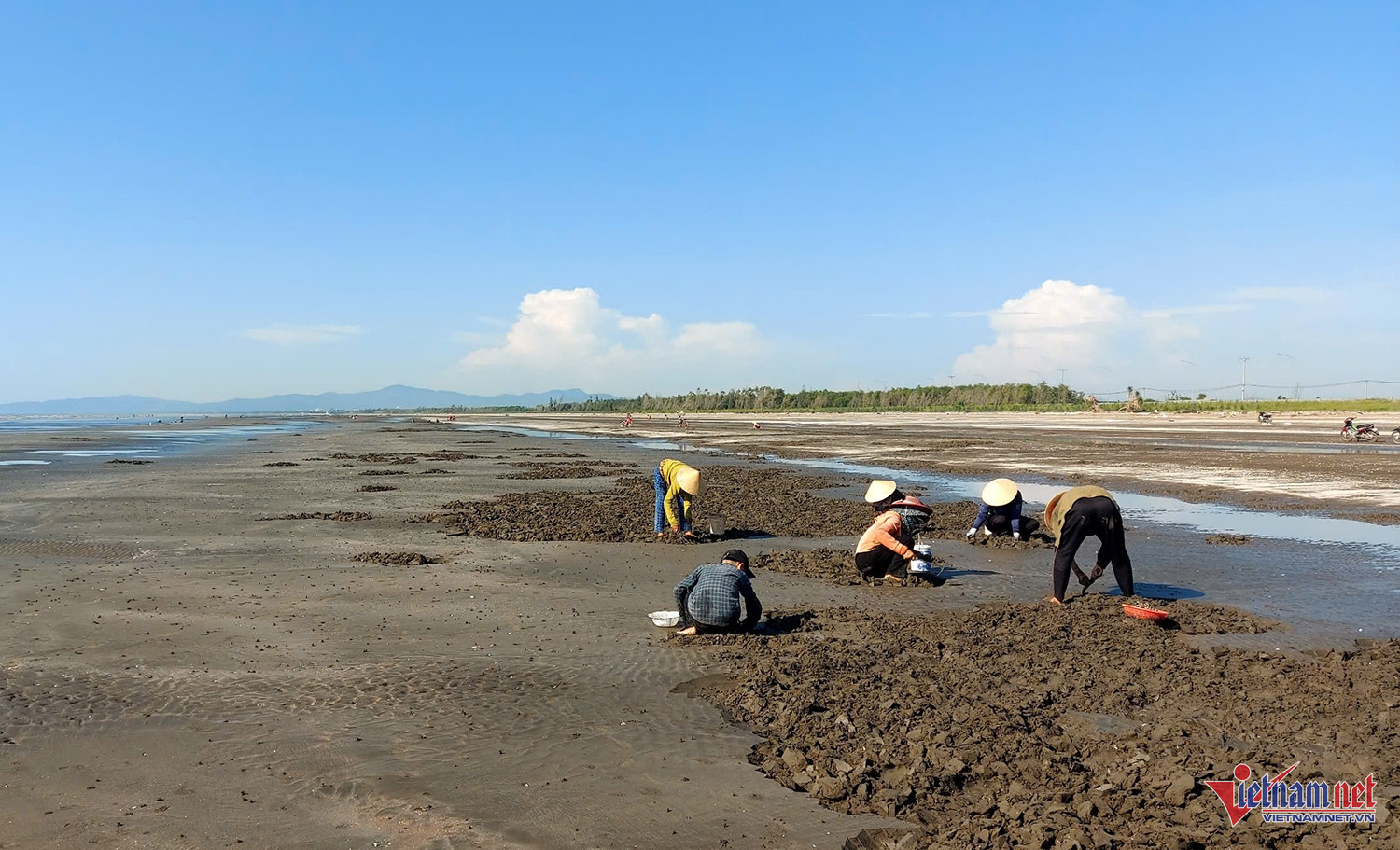
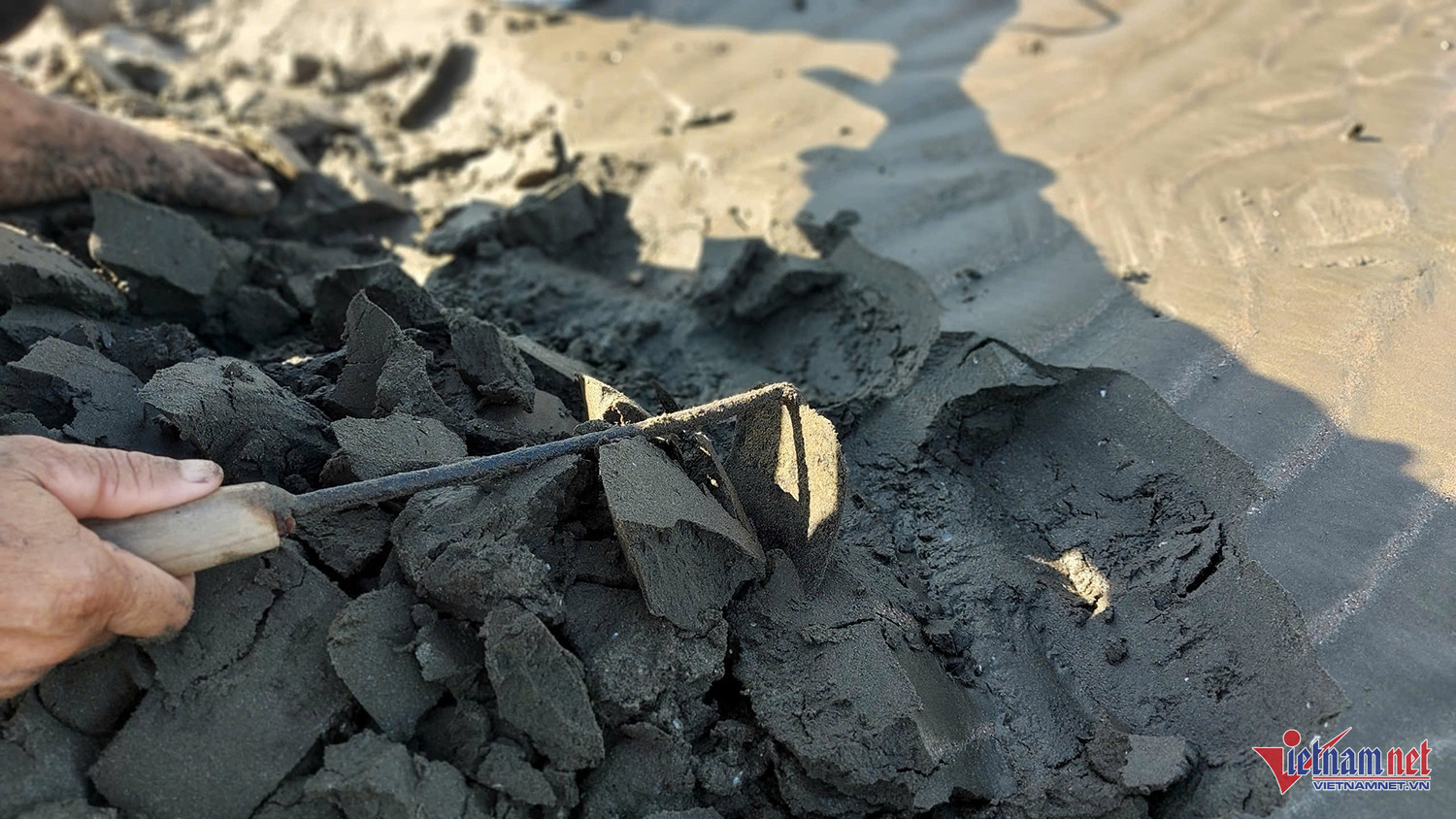
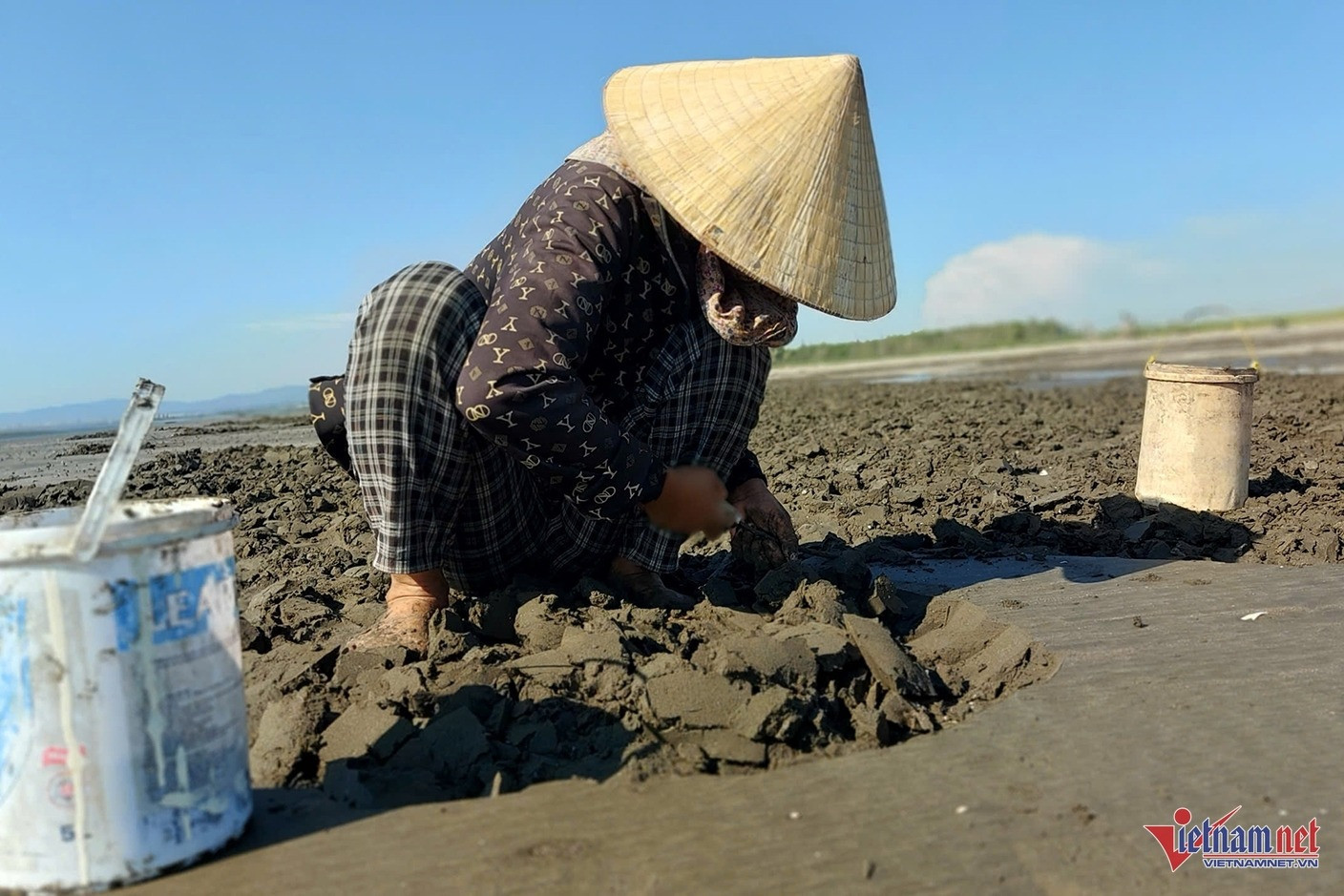
In early June, before daylight fully breaks and just as the tide retreats, long stretches of sand emerge along the coast of Hai Chau Commune in Nghe An Province. Groups of villagers carrying baskets, plastic buckets and simple clam-raking tools make their way toward the shoreline.
The natural clam season in the area typically lasts from the third to the ninth lunar month. To collect these valuable shellfish, locals must reach the sandbanks early in the morning when the receding tide exposes the hidden areas where clams bury themselves beneath the sand.
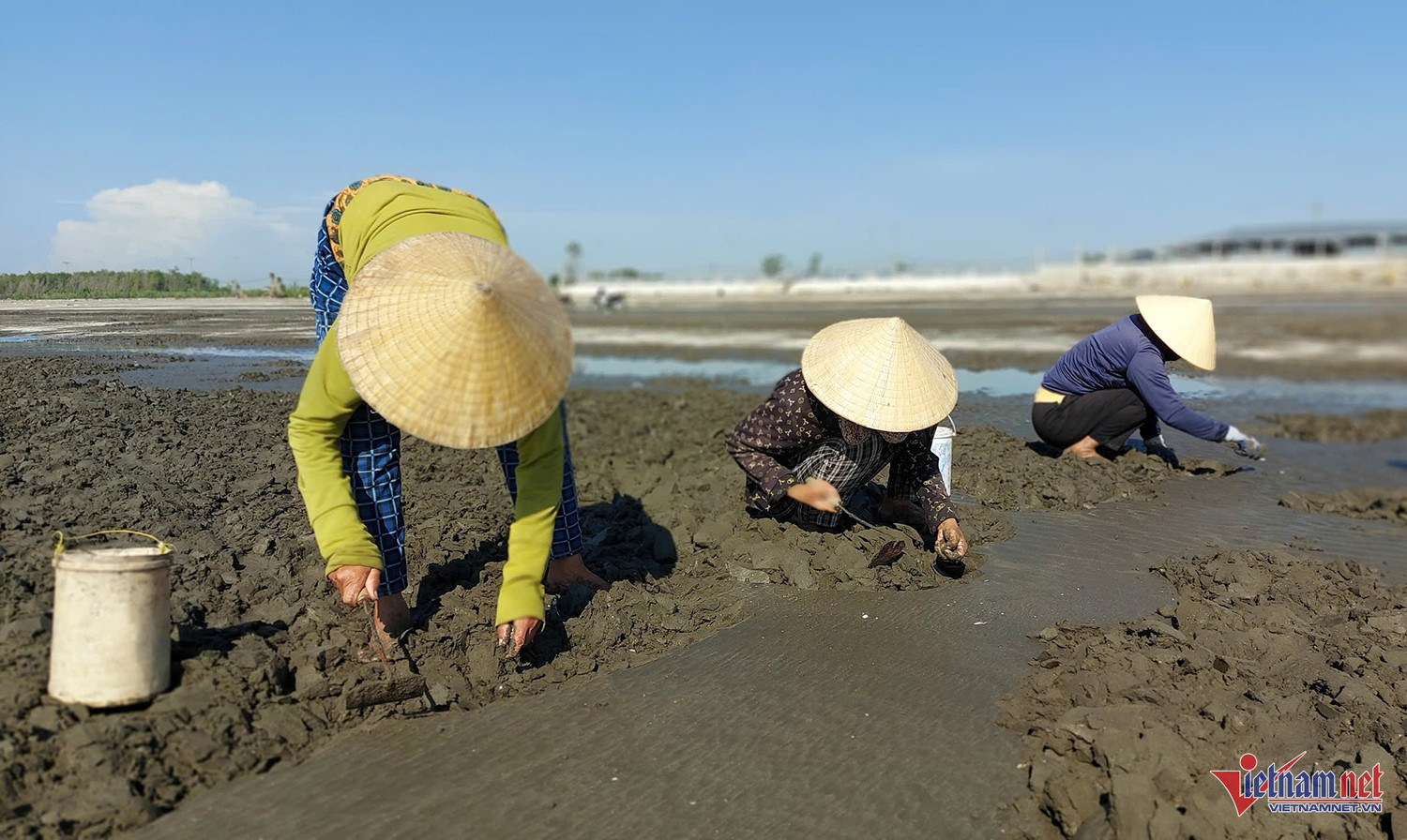
At dawn, the vast beach is filled not with young laborers but primarily with women, elderly residents and even children accompanying their mothers during the summer holiday to help supplement family income.
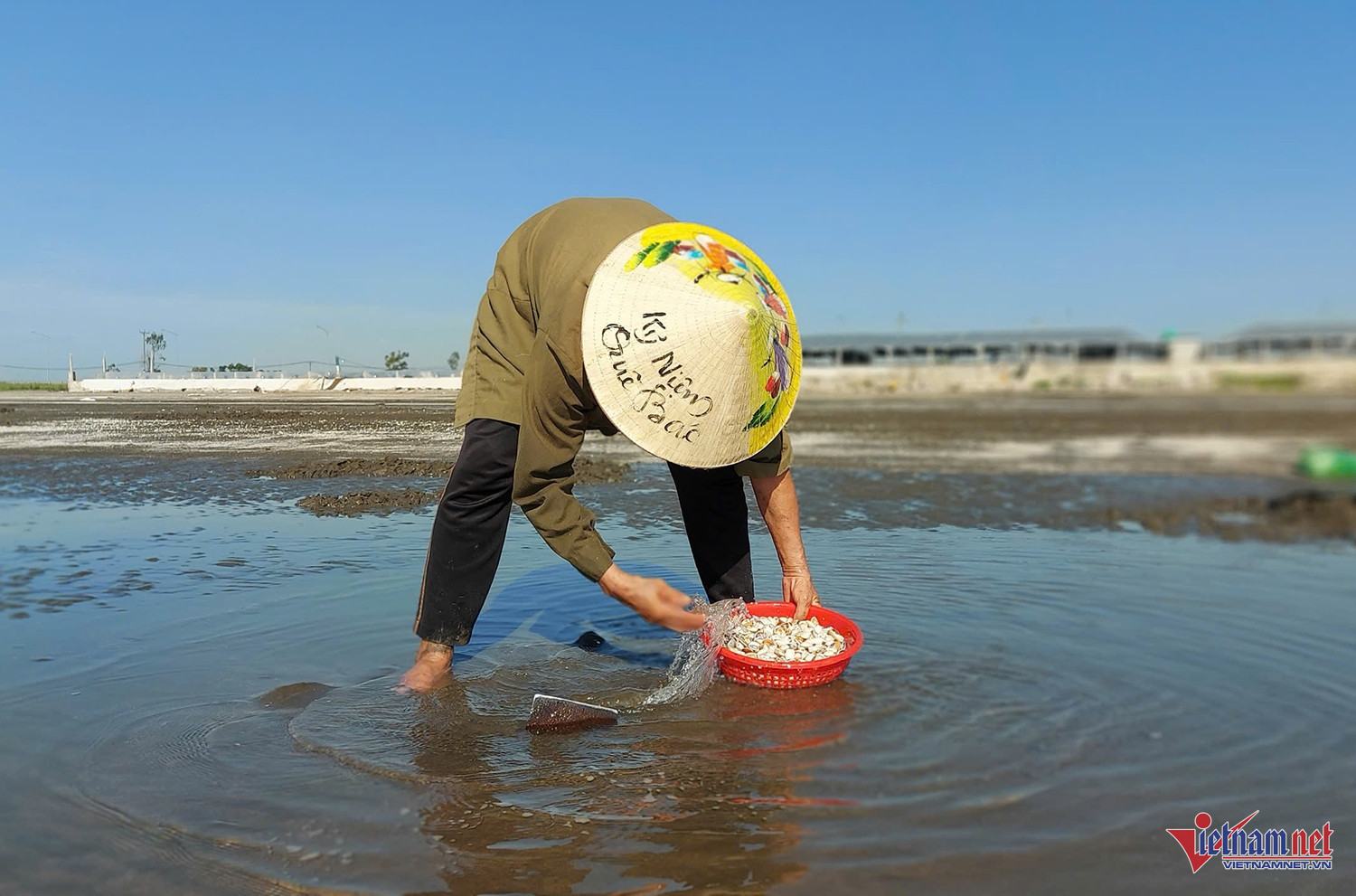
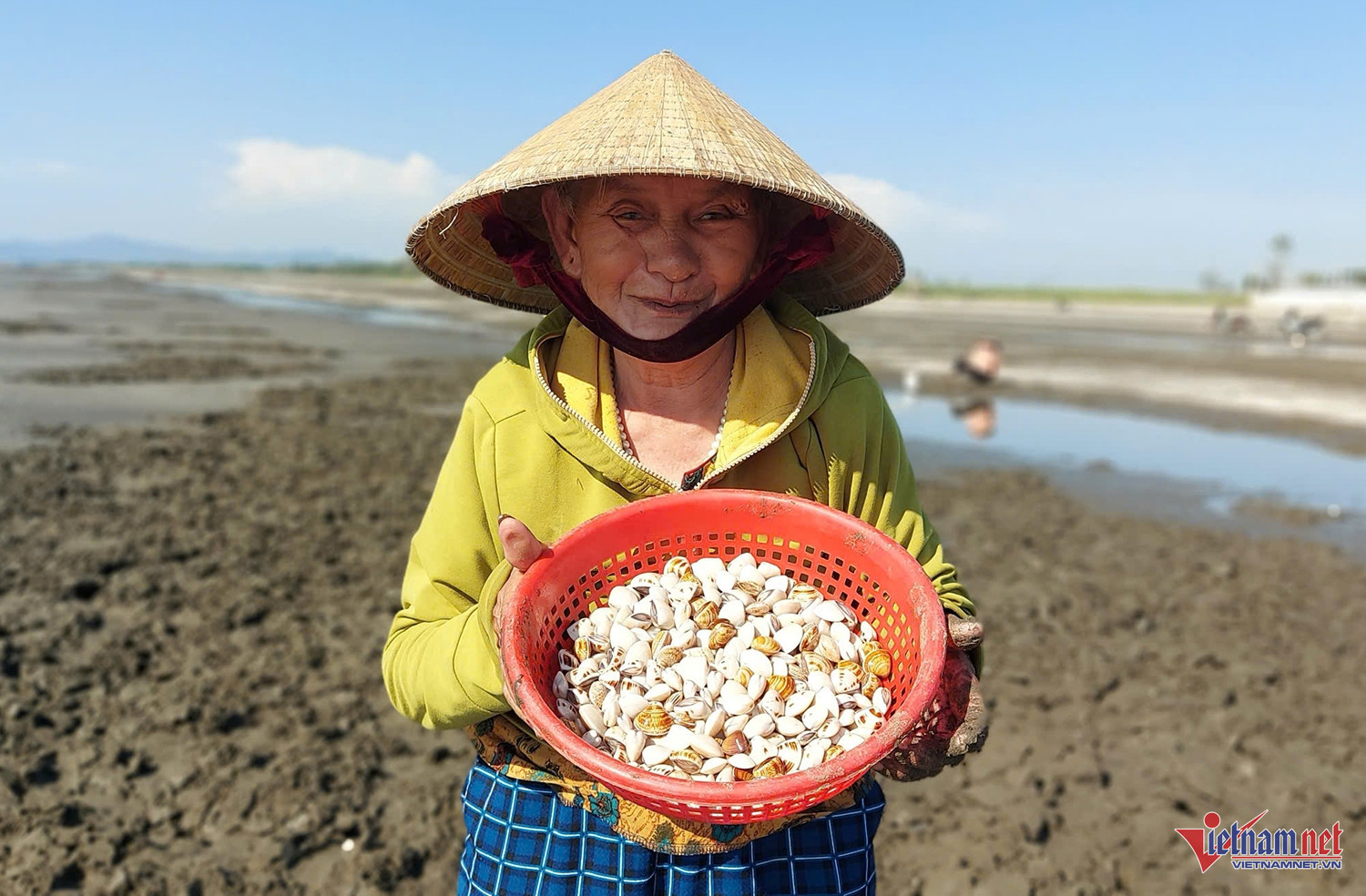
Among them, the image of Bui Thi Chinh, a 78-year-old resident of Nam Lien Hamlet, stands out beneath the increasingly intense heat of central Vietnam.
Every day, Chinh wakes up at 4:30 a.m. and rides an old bicycle to the beach carrying a few plastic bags and the simple tools she relies on to make a living.
She can no longer remember how many years she has spent harvesting clams. Although all five of her children are now married and living separately, life remains difficult for everyone, leaving Chinh and her husband to continue supporting themselves.
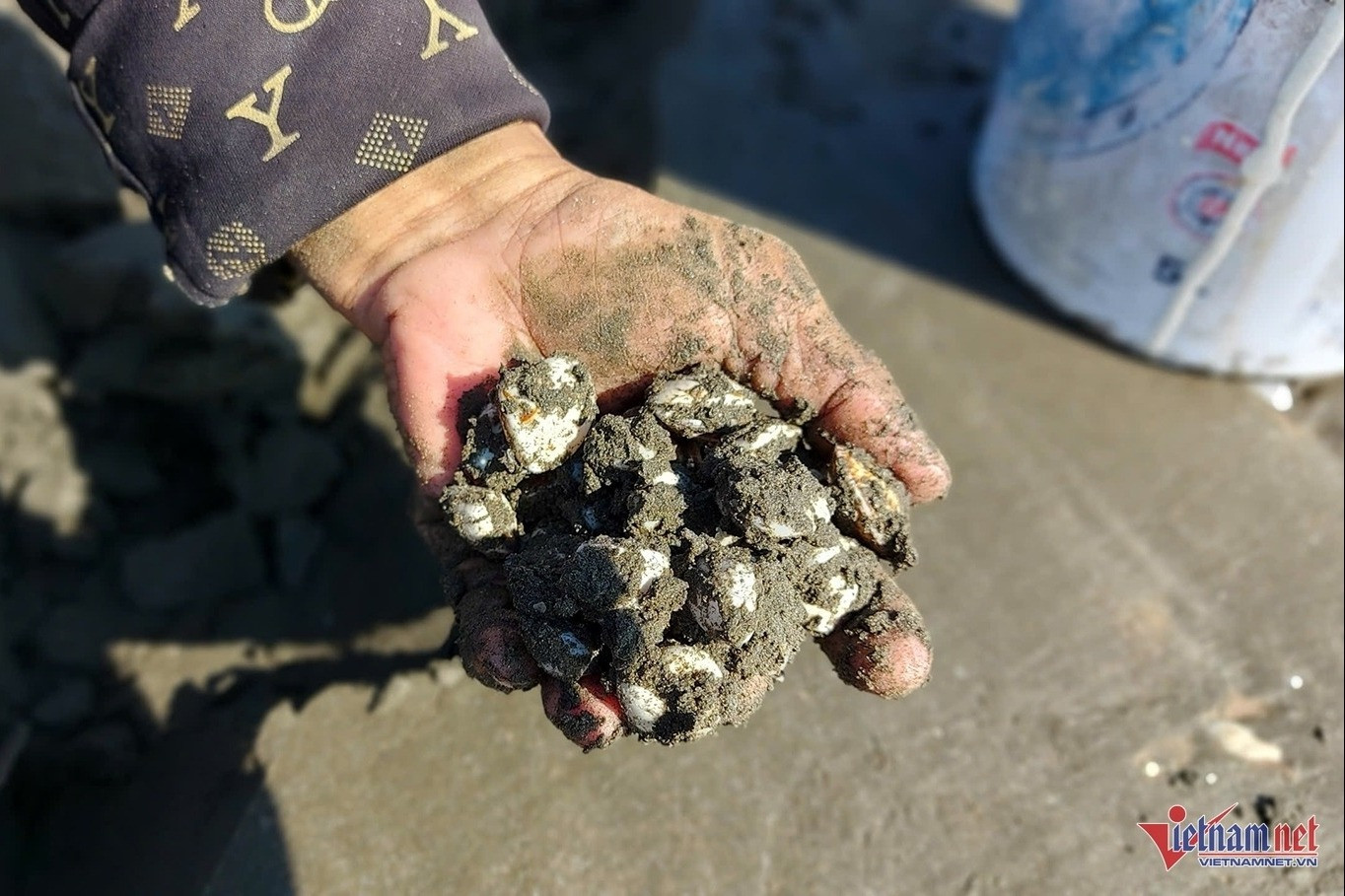
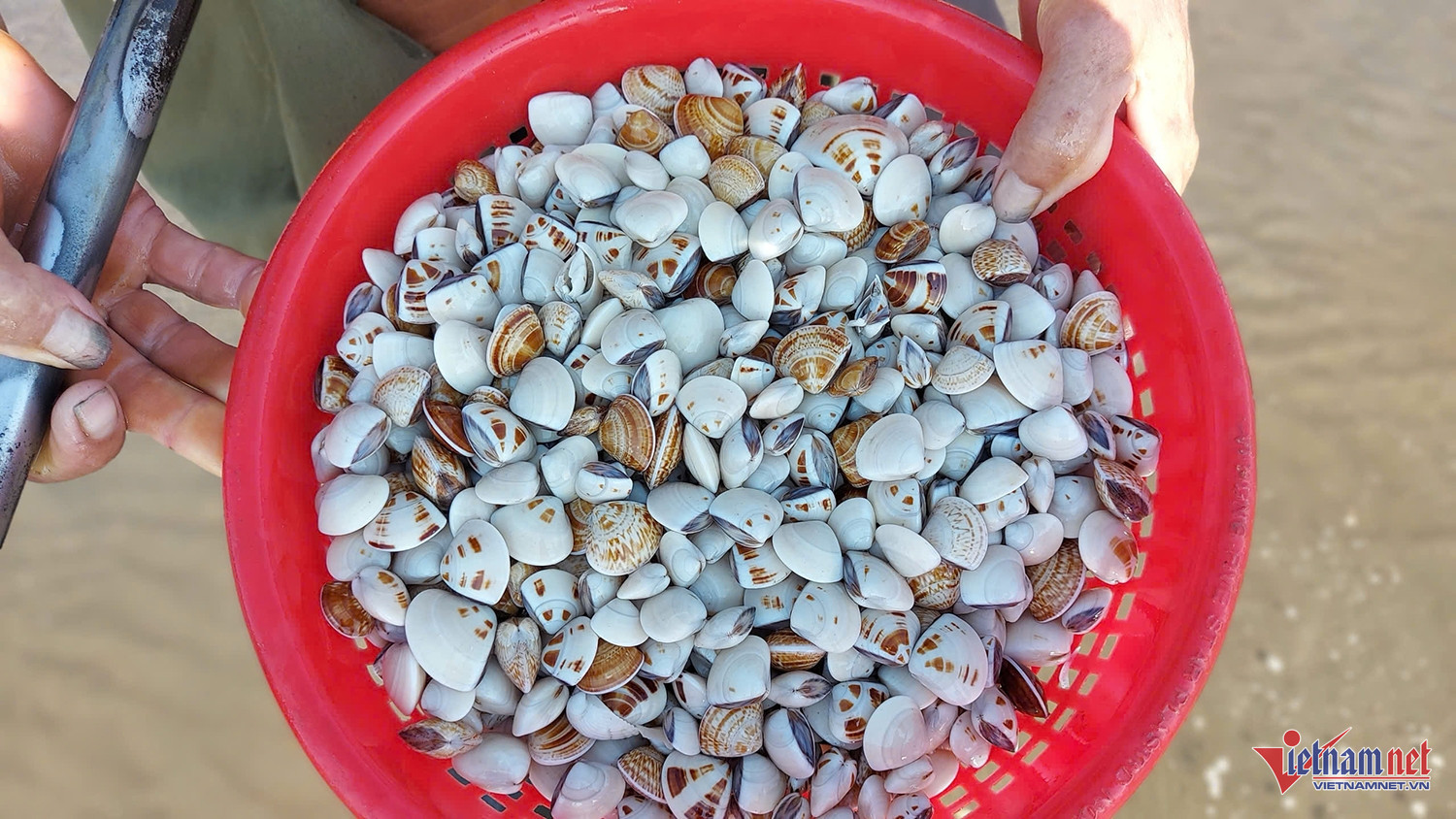
Collecting wild clams is far from easy because they are scattered beneath the sand rather than concentrated in farmed areas. After hours of bending over continuously from dawn until after 9 a.m., Chinh often gathers only a few kilograms of clams, which sell for between VND25,000 and VND30,000 per kilogram (US$0.96-1.15), depending on size.
As noon approaches, the heat becomes increasingly unbearable. Hot air rises from the burning sand and reflects directly into her face. Sweat soaks through her faded clothing, yet the elderly woman's thin hands continue tirelessly searching beneath the sand for hidden clams.
Nguyen Thu Thuy, 41, who lives in the same hamlet, said collecting clams on dry sand generally produces smaller catches but eliminates the need to remain submerged in seawater for long periods, making it more suitable for elderly people or those with weaker health.
When the sun reaches its highest point and the tide begins to rise again, the clam-harvesting session comes to an end. For Chinh, however, the working day is far from over. After lunch and a brief rest, she moves on to another job to earn additional income.
At 1 p.m., she joins her husband, who is already in his 80s, in the salt fields. There, the couple works under the intense summer heat until around 6 p.m. before returning home.
Chinh said that at their age, both she and her husband would like to rest. Yet the demands of daily life leave them little choice but to keep working. For the elderly couple, earning a few hundred thousand dong each day from clam harvesting and salt production is already a source of happiness.
Many people praise the taste of wild clams from Hai Chau's waters. Few, however, realize that their sweetness carries not only the saltiness of the sea but also the sweat and perseverance of generations of coastal workers.
.svg)
