 Vietnamnet.vn

 Podcast



The worldwide success of Christopher Nolan's The Odyssey demonstrates that the true value of cinema extends far beyond ticket sales. A compelling film can revive interest in literature, history and heritage, stimulate tourism, and create economic opportunities across multiple creative sectors.
For Vietnam, the phenomenon offers important lessons on building a thriving creative ecosystem rather than producing standalone cultural works.
When a film sparks a cultural movement
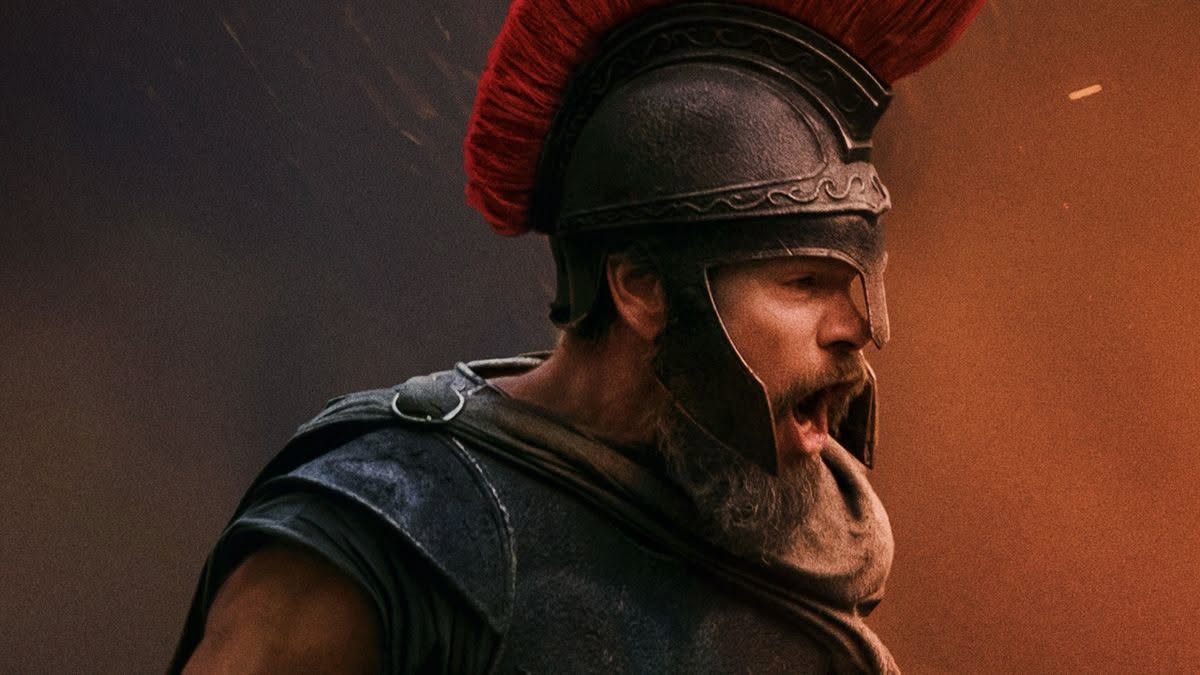
A successful film should not be measured solely by its box office performance or artistic awards. Its greater achievement lies in its ability to continue influencing audiences long after the credits roll.
That is precisely what has happened with The Odyssey. Inspired by Homer's nearly 3,000-year-old epic, the film has reignited public curiosity about Greek mythology, archaeology and classical literature.
According to Google search data released on August 1, 2026, searches for travel to the ancient city of Troy surged 3,421%, flight searches increased 966%, and sales of editions of The Odyssey rose 76%.
These figures illustrate how audiences increasingly seek experiences beyond the cinema. They read the original text, explore historical sites, purchase related products and participate in online discussions. The film may end in the theater, but its cultural and economic life continues.
This is what defines a mature creative ecosystem. In such a system, cinema becomes a catalyst for publishing, tourism, museums, education, fashion, design, music, gaming, merchandising and digital media. A single cultural asset generates multiple layers of creative products, experiences and economic value.
Rethinking Vietnam's historical cinema
The success of The Odyssey also invites reflection on historical filmmaking in Vietnam.
Vietnam possesses an extraordinary wealth of stories spanning thousands of years, from the era of the Hung Kings and the Trung Sisters to the Ly, Tran and Le dynasties, as well as the country's modern struggles for independence and reunification.
These stories contain universal themes of patriotism, sacrifice, freedom, loyalty, moral choice and human dignity that resonate far beyond national borders.
Yet many Vietnamese historical films have traditionally prioritized factual reconstruction - accurate costumes, chronology and settings - over compelling storytelling and character development.
When cinema becomes little more than an illustrated history lesson, historical figures risk becoming one-dimensional symbols rather than complex individuals whose struggles audiences can genuinely understand.
Respecting historical accuracy remains essential, but that does not require transforming films into visual textbooks. History provides the facts; cinema must bring those facts to life through emotion, conflict and human experience.
The enduring appeal of The Odyssey demonstrates that ancient stories never become obsolete when they are retold through a contemporary cinematic language.
For Vietnam, the more important question is not simply which historical events deserve films, but why those stories matter to audiences today and how Vietnamese values can be expressed in ways that speak to a global audience.
Building collaboration from the beginning
Achieving that goal requires closer collaboration between filmmakers and experts in history, archaeology, anthropology, literature, art and cultural studies.
Researchers should contribute from the earliest stages of script development rather than appearing only to verify historical accuracy after production.
Likewise, scholars should recognize the distinction between fictional elements that distort historical truth and creative interpretation that strengthens dramatic storytelling.
Another challenge is that many historical films in Vietnam are produced as isolated projects tied to commemorations or specific public initiatives.
Once production ends, film sets are dismantled, costumes archived, technical expertise dispersed and valuable production assets lost. Future projects often have to start almost from scratch, increasing costs while limiting long-term improvements in quality.
Thinking beyond a single film
A sustainable historical film industry requires shared infrastructure that benefits multiple productions.
This includes permanent studio facilities, costume and prop collections, digital databases covering architecture, military history, traditional customs and historical clothing, as well as teams specializing in visual effects, makeup, restoration, production design and historical research.
These resources should serve not only cinema but also television, theater, museums, education and interactive media.
The broader lesson from The Odyssey is that the objective should not simply be producing successful films but creating enduring cultural assets.
Planning should begin by considering the ecosystem surrounding each project: new book editions, documentaries, games, music, fashion, museum exhibitions, educational materials, tourism routes and immersive digital experiences.
Today, Vietnam's film, publishing, tourism, museum and education sectors often operate independently. A historical film may premiere while museums have no related exhibitions, publishers have not reissued relevant books, tourism authorities have not developed themed experiences and schools lack supporting educational resources.
As a result, any public enthusiasm generated by a film tends to fade quickly rather than evolving into lasting cultural and economic value.
Intellectual property and cultural industries
Intellectual property must become central to Vietnam's creative economy.
While historical figures belong to the nation's shared heritage, artistic interpretations, costumes, music, visual identities and derivative works deserve clear legal protection and transparent commercial management.
Strong intellectual property frameworks encourage creators and investors to develop cultural projects into sustainable brands rather than one-off productions.
Government policy should likewise shift from supporting individual works toward building the conditions for an entire creative ecosystem.
Public investment is most effective when directed toward shared infrastructure, digital archives, professional training, screenplay development, creative funds, studio facilities, international promotion and transparent commissioning mechanisms.
Private enterprises, meanwhile, are best positioned to lead production, distribution, marketing and the commercialization of derivative products, while local governments can integrate films into heritage preservation and tourism strategies.
Turning heritage into growth
A vibrant creative ecosystem also requires room for experimentation.
Major cultural achievements rarely emerge from playing safe. Creativity must remain faithful to history while allowing room for artistic imagination. Public support should encourage innovation, while market response ultimately determines whether stories resonate with audiences.
The impact of The Odyssey does not mean every historical film will automatically generate tourism booms or publishing success. Online search trends do not always translate directly into visitor numbers or commercial revenue.
However, they demonstrate that powerful storytelling can reopen the public's interest in history, heritage and knowledge. Once that interest is awakened, a well-prepared ecosystem can transform curiosity into meaningful cultural engagement and sustainable economic activity.
Vietnam possesses cultural resources equal to any nation. The challenge is not a lack of stories but building the institutions, talent, technology, investment and long-term partnerships needed to tell them effectively.
When cinema brings history to life, publishing extends the narrative, tourism transforms memory into experience, technology broadens access and businesses create value from creativity, culture becomes more than something to preserve - it becomes a driver of national development.
The journey of Odysseus ultimately offers a timeless lesson: a nation moves forward by continually rediscovering the stories that define its identity. History achieves its greatest power when it leaves the pages of books and enters contemporary life through works that inspire, educate and connect generations.
Bui Hoai Son
Member of Vietnam's National Assembly representing Hanoi
.svg)
