 Vietnamnet.vn

 Podcast



Nam Son Pagoda, also known as the Khmer Pagoda, stands out with its radiant golden architecture and traditional Southern Khmer design. Located on the slope of Nui Lon (Big Mountain), it is the only Khmer pagoda in the former Ba Ria - Vung Tau province (now Vung Tau Ward, Ho Chi Minh City), and has existed for over 30 years. The temple serves as a spiritual and cultural hub for the local Khmer community and Theravada Buddhist followers.
Initially, the temple was just a small wooden hermitage with a cement-tile roof, built by a female monk as a place for religious practice. When she grew old and weak, she passed the caretaking responsibilities to Venerable Quach Thanh Sattha.
In 1996, Venerable Sattha began constructing and completing the main hall and surrounding structures, shaping the grand and graceful appearance the temple boasts today.
A distinct feature of Nam Son Pagoda is the nearly 200-meter stone-paved stairway leading uphill to the temple. Along both sides are decorative fences typical of Khmer temples in the Mekong Delta, adorned with intricate chằn (yaksha) bas-reliefs and statues of the four-faced deity Brahma placed atop each pillar. This design creates a unique visual identity, setting it apart from traditional Vietnamese temples.
At the top of the over-300-step stairway, visitors are greeted by two enormous Naga serpent statues at the entrance to the main hall. Each Naga has seven outstretched heads, open mouths, sharp fangs, and scales intricately carved and painted in gleaming gold and deep red.
For the Khmer people, the Naga is not only a guardian that wards off evil spirits but also a symbol of protection and divine shelter.
The main hall, nestled among trees at the highest point of the temple grounds, resembles a three-room traditional house with a two-tiered roof and extended wings on all sides. The cement-columned porch connects to the roof via statues of the goddess Kâyno in a supportive posture, adding a graceful balance to the structure’s vertical and horizontal lines.
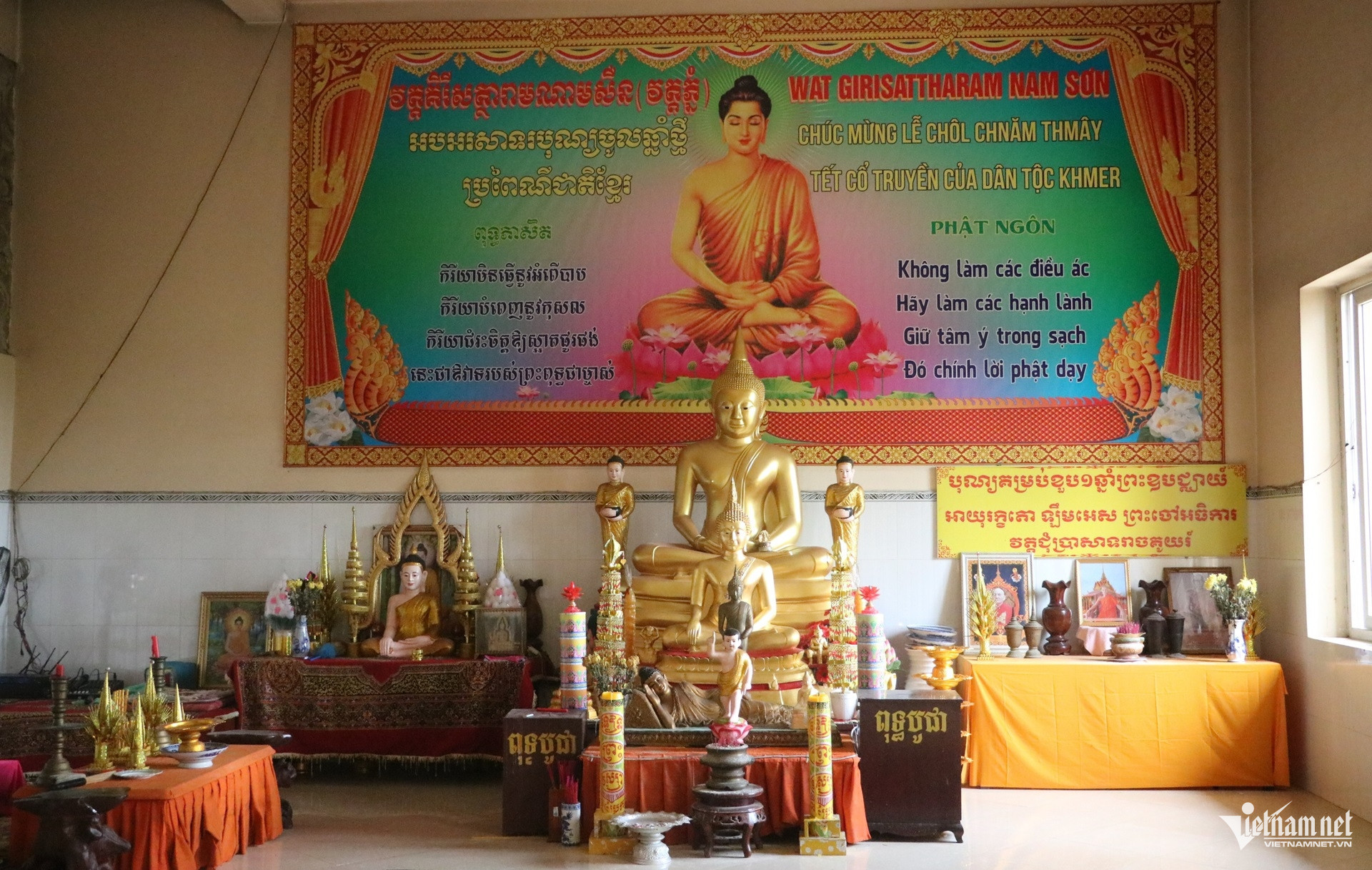
Inside the main hall, the altar is dedicated to Buddha Shakyamuni, with statues depicting stages of his life up to Nirvana. There is also space for monks to gather and chant.
Below the main hall lies the monks’ residence (Sala tenne in Khmer), a two-story building where the monks live and study. The ground floor houses an altar and a set of traditional Khmer pentatonic musical instruments used during festivals.
The temple grounds also include a statue of the Buddha, Nam Son Tu shrine, a kitchen, and dining facilities that cater to the community during traditional festivals.
Nam Son Pagoda hosts major annual Khmer celebrations such as Chol Chnam Thmay (New Year), Don-ta (Ancestor Worship), and Ok Om Bok (Moon Offering Festival). Beyond religious ceremonies, the monks participate in community rituals like funerals, memorials, and weddings.
In 2015, the UNESCO Center for Culture and Information Communication awarded Nam Son Pagoda the "Top 100 Outstanding Spiritual and Cultural Tourist Sites in Southern Vietnam" medal, affirming its unique role as a Khmer cultural landmark by the sea.

The stone-paved stairway leading to Nam Son Pagoda on Nui Lon.
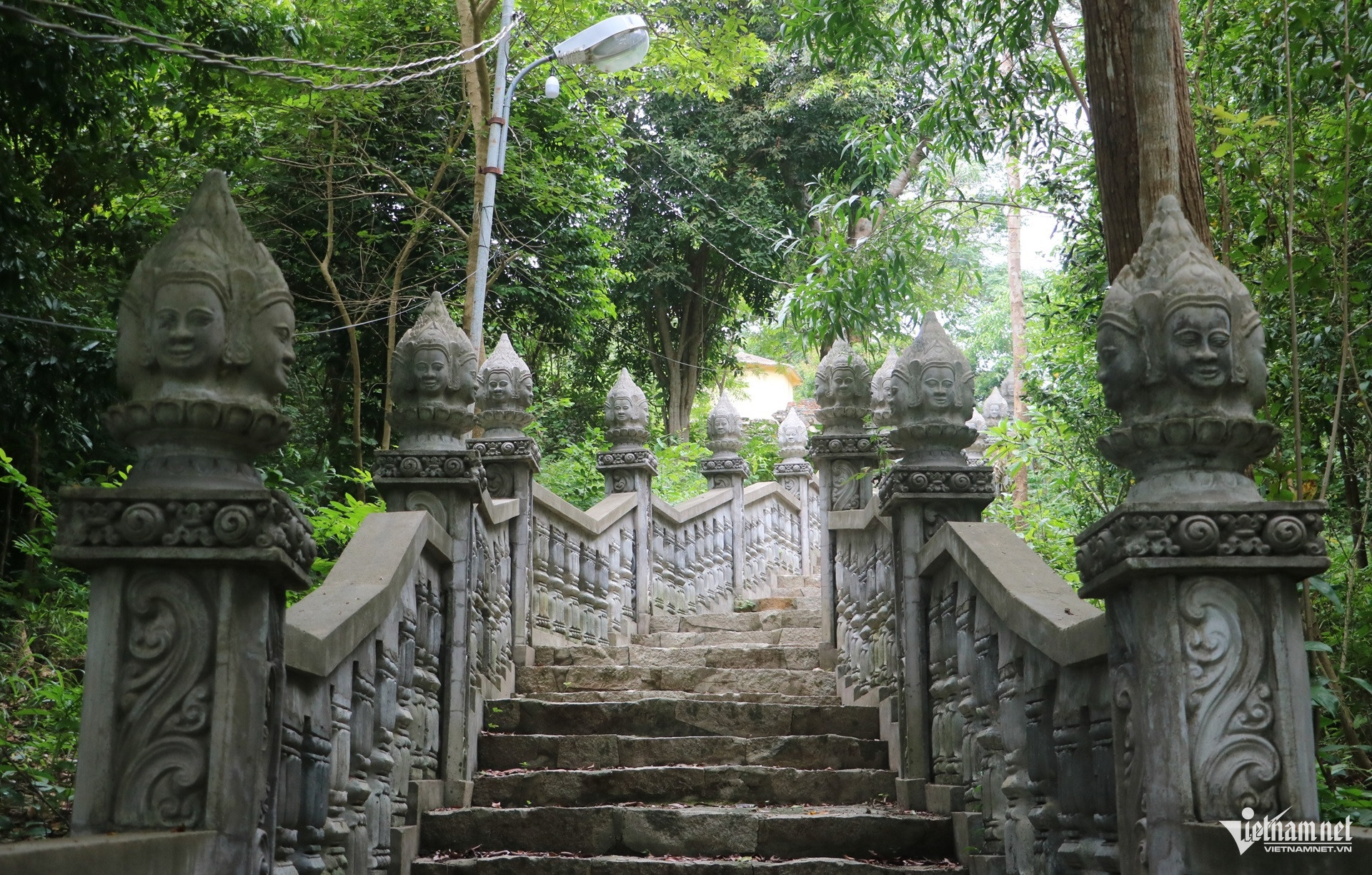
The stairway's sides feature Khmer-style decorative fences and Brahma statues.

Two massive seven-headed Naga serpent statues stand at the main hall entrance.

The main hall is nestled at the top of the temple grounds among trees.
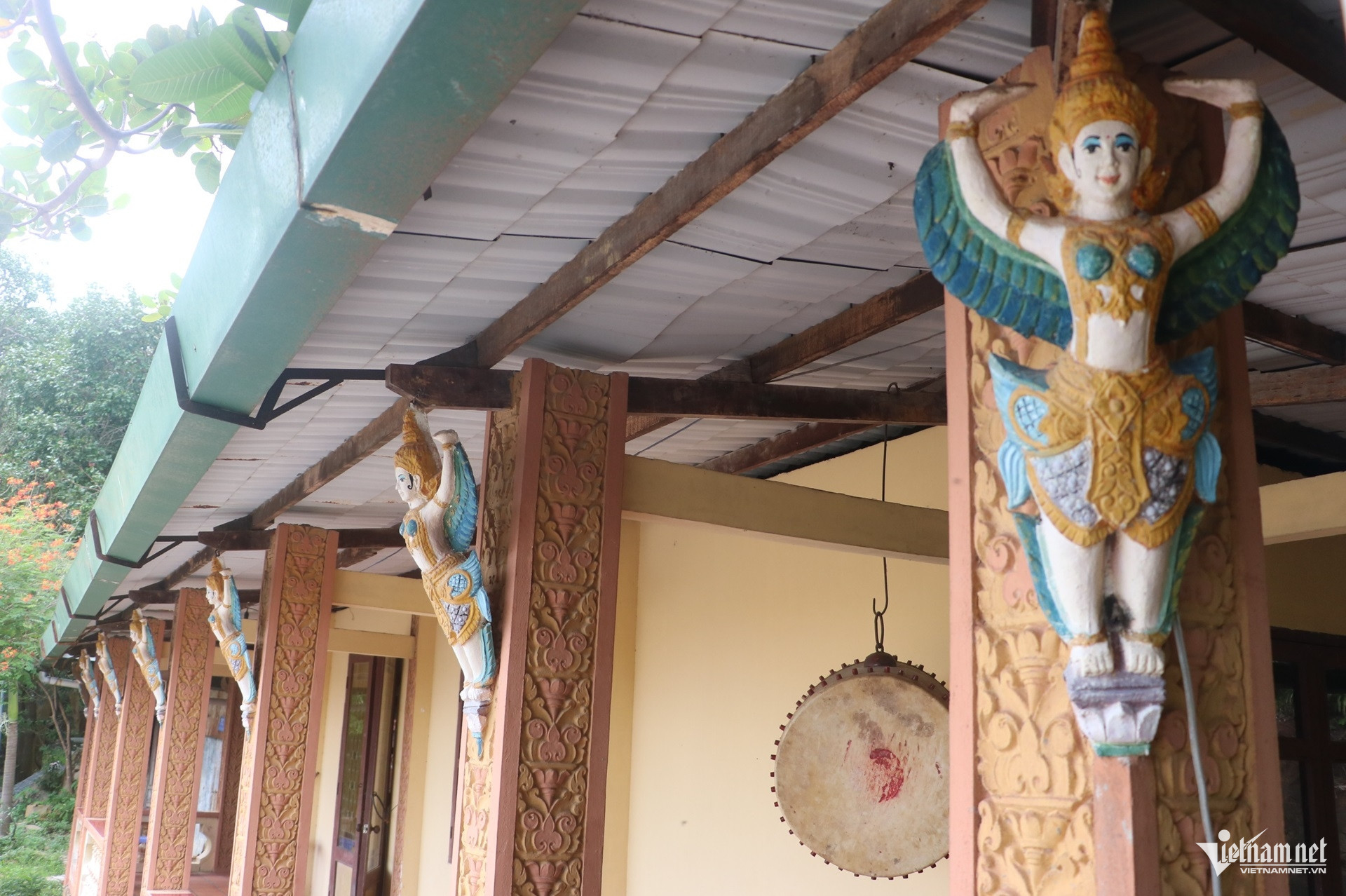

Inside the main hall is the altar for Buddha Shakyamuni and statues of his life.
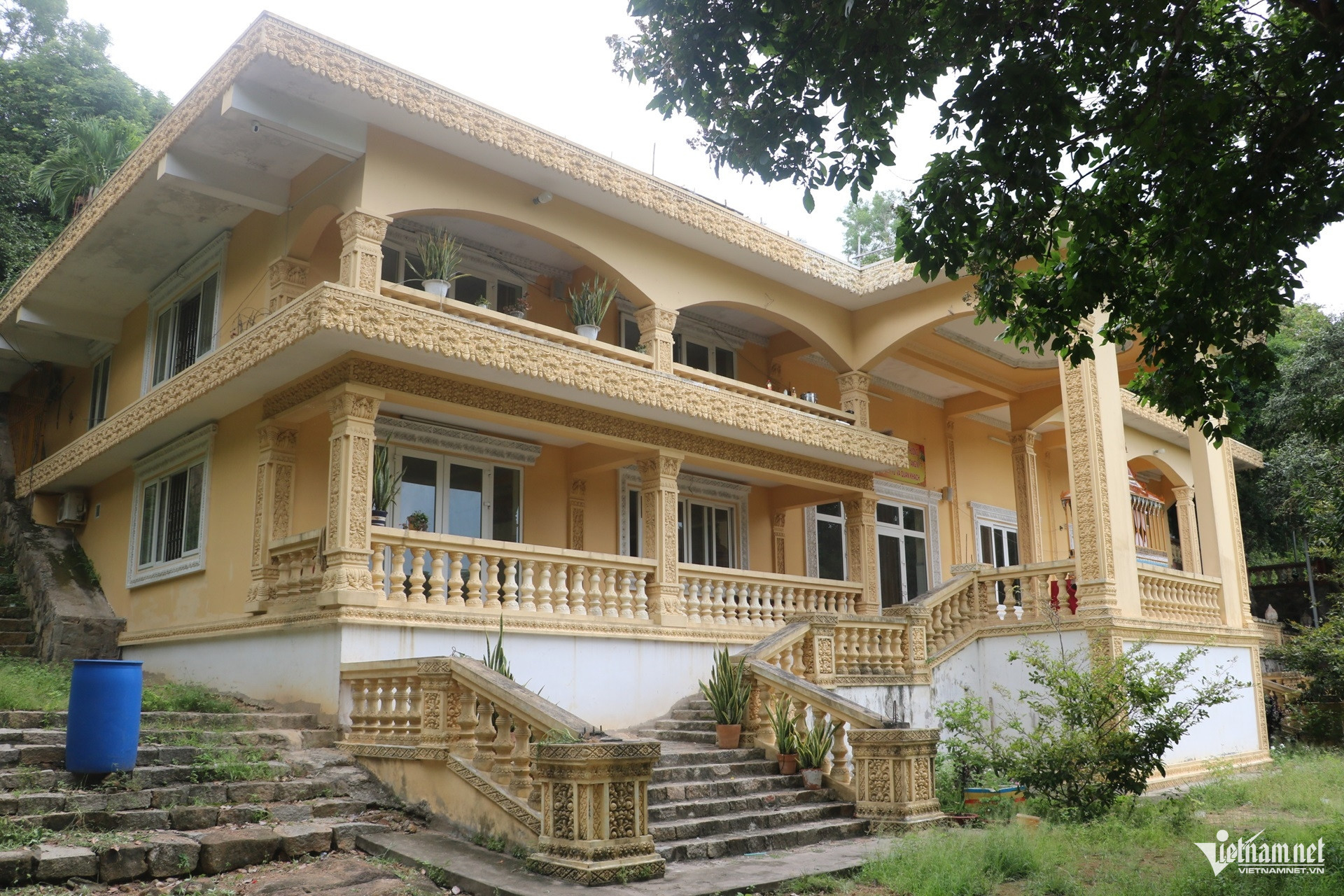
The monks’ residence (Sala tenne) features traditional instruments used during festivals.
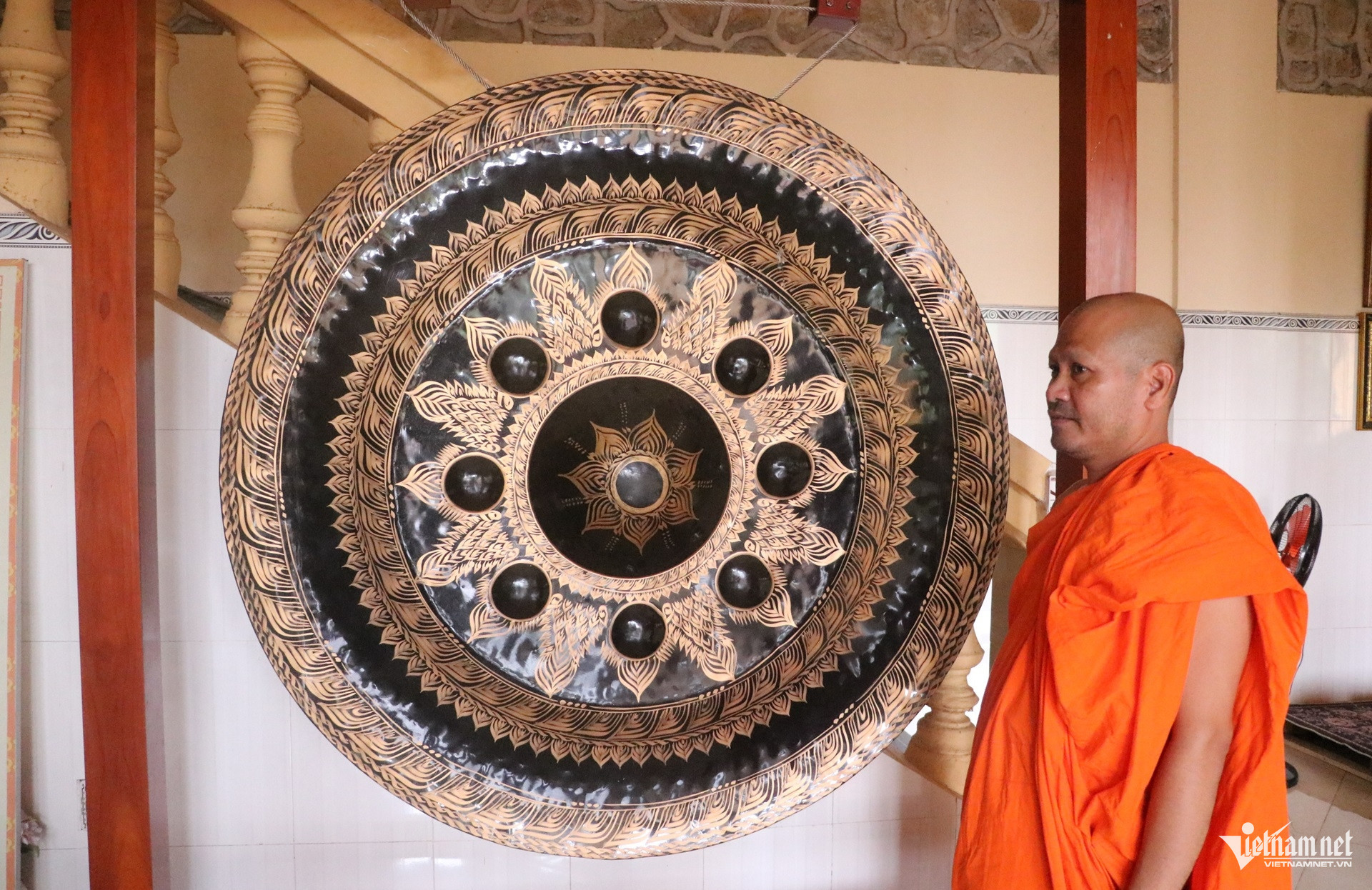
A gong inside the residence is used during Khmer celebrations.
Quang Hung
.svg)
