 Vietnamnet.vn

 Podcast



Tran Nghi
Princess Nhoi Hoa brought hundreds of war elephants from Laos to assist Dai Viet in defending against foreign invaders. On her journey home, she fell ill and passed away in Ninh Binh. Moved by her contribution, local people built a temple in her honor.
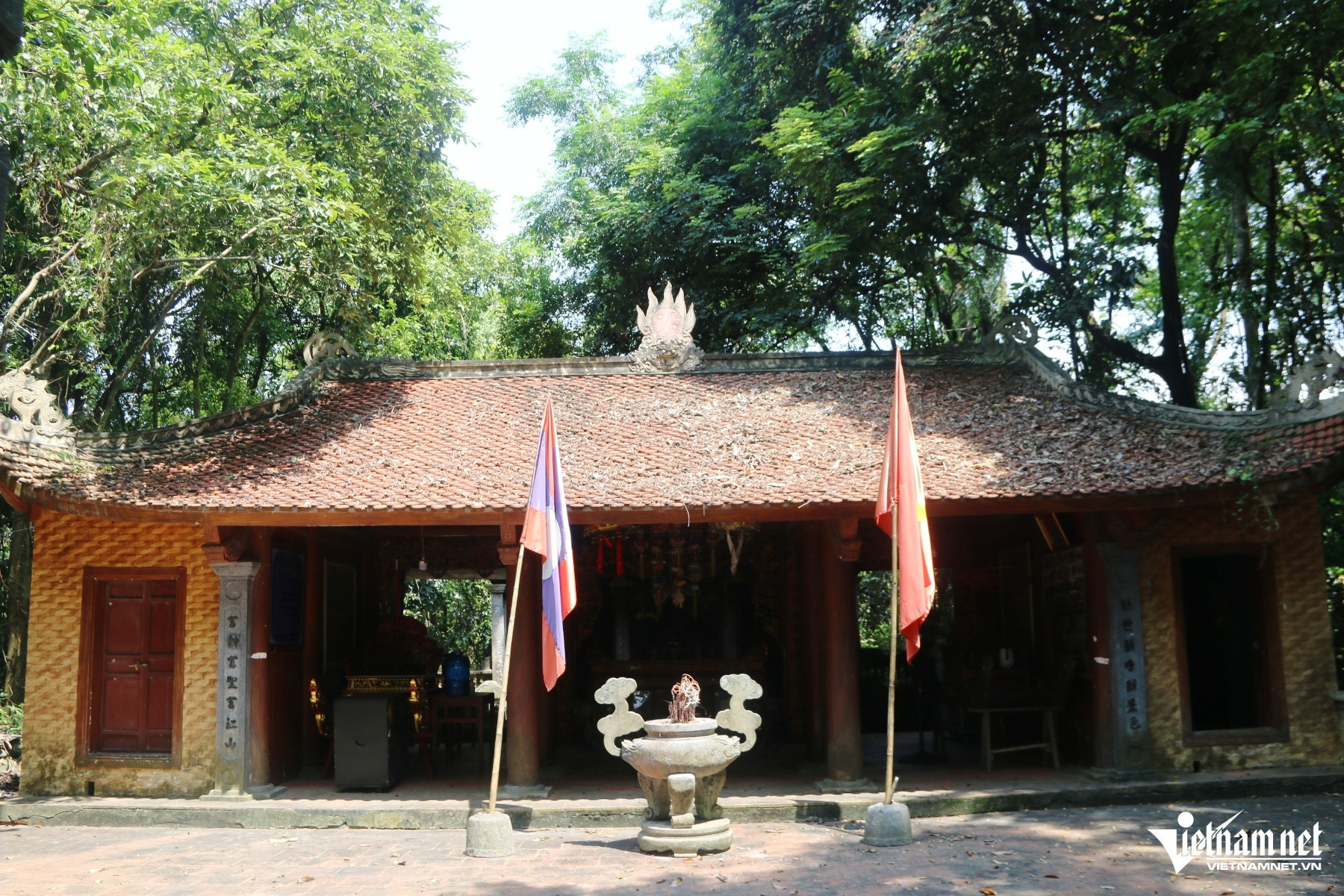
Thuong Temple, also known as Thuong Thai Son Temple, is located on Den Hill, beside Mo Phuong Mountain in Thai Son village, Son Lai commune, formerly part of Nho Quan district and now under Tay Hoa Lu ward, Ninh Binh province.
This sacred site worships Princess Nhoi Hoa from Laos, who came to Vietnam as a diplomatic envoy and brought hundreds of elephants to train and assist Dai Viet in its military efforts. The temple stands as a unique historical and cultural testament to the friendship between Vietnam and Laos.
Historical records state that in the 15th century, under the reign of King Le Thanh Tong, Princess Nhoi Hoa was sent by her father, the King of Vientiane, to serve as an ambassador. She led a convoy of elephants into Vietnam to support the fight against foreign invaders. After completing her mission, she fell gravely ill on her return journey and passed away on Den Hill.
In recognition of her great contributions, King Le Thanh Tong ordered the construction of a tomb and temple at the site of her death.
Today, Thuong Temple still preserves many valuable artifacts, including royal edicts, worship objects from the Nguyen dynasty, and a wooden carving of Princess Nhoi Hoa displayed at the main altar. The temple retains its ancient architecture, with intricate carvings and decorative motifs.


This is the only temple in Vietnam dedicated to a foreign princess. It has become a spiritual and cultural landmark in the region and was designated a provincial historical site in 2007.
Each year, locals host a traditional festival on the 3rd day of the 3rd lunar month, featuring cultural and artistic performances from both Vietnam and Laos. Highlights include ceremonial processions, female official tributes, and traditional Lao Champa dances and songs.
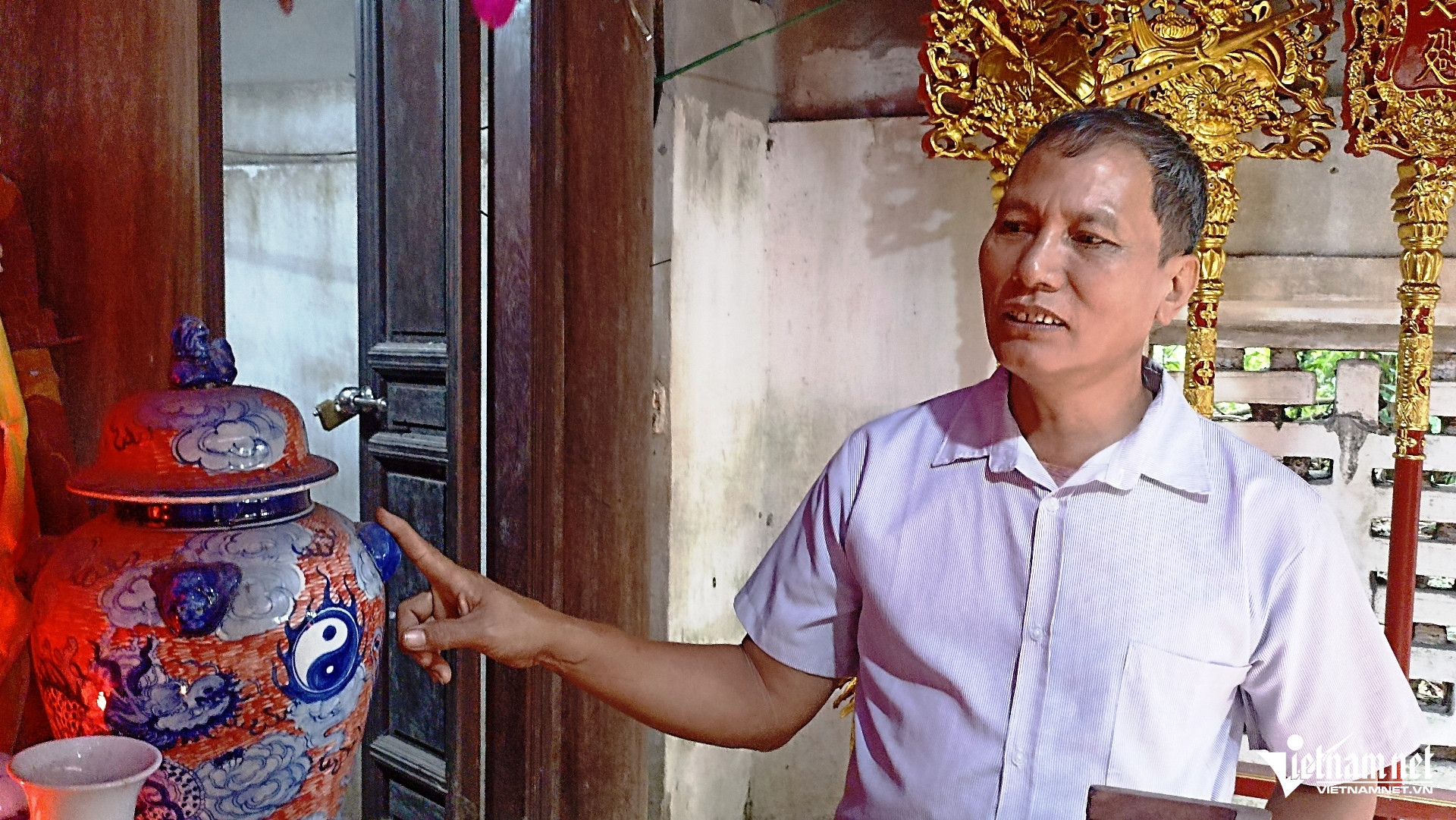
According to Mr. Dinh The Doan, the temple’s caretaker, it was originally built in the 15th century and still retains much of its original Lao-inspired architecture, including dragon, phoenix, and floral motifs. Only the roof tiles and some wooden columns have been restored.
Locals believe there are many unexplained phenomena surrounding the site. The princess’s tomb, despite being lower than ground level, never collects water – even during heavy rains or floods.
A representative from the Ninh Binh Department of Culture and Sports told VietNamNet that the provincial authorities are currently working with the Embassy of Laos in Vietnam to research the life and legacy of Princess Nhoi Hoa. Plans are being made to restore and preserve the temple complex and to build a themed cultural park titled “Vietnam-Laos Tourism and Culture Garden.”
During wartime, Thuong Temple served as a weapons manufacturing site to support Vietnam’s resistance efforts.



.svg)
