 Vietnamnet.vn

 Podcast



The Ksitigarbha Sutra can be seen as a guide to social ethics centered on three key principles: honoring filial devotion, understanding the consequences of good and evil actions, and practicing compassion and the great vows of the Bodhisattva.
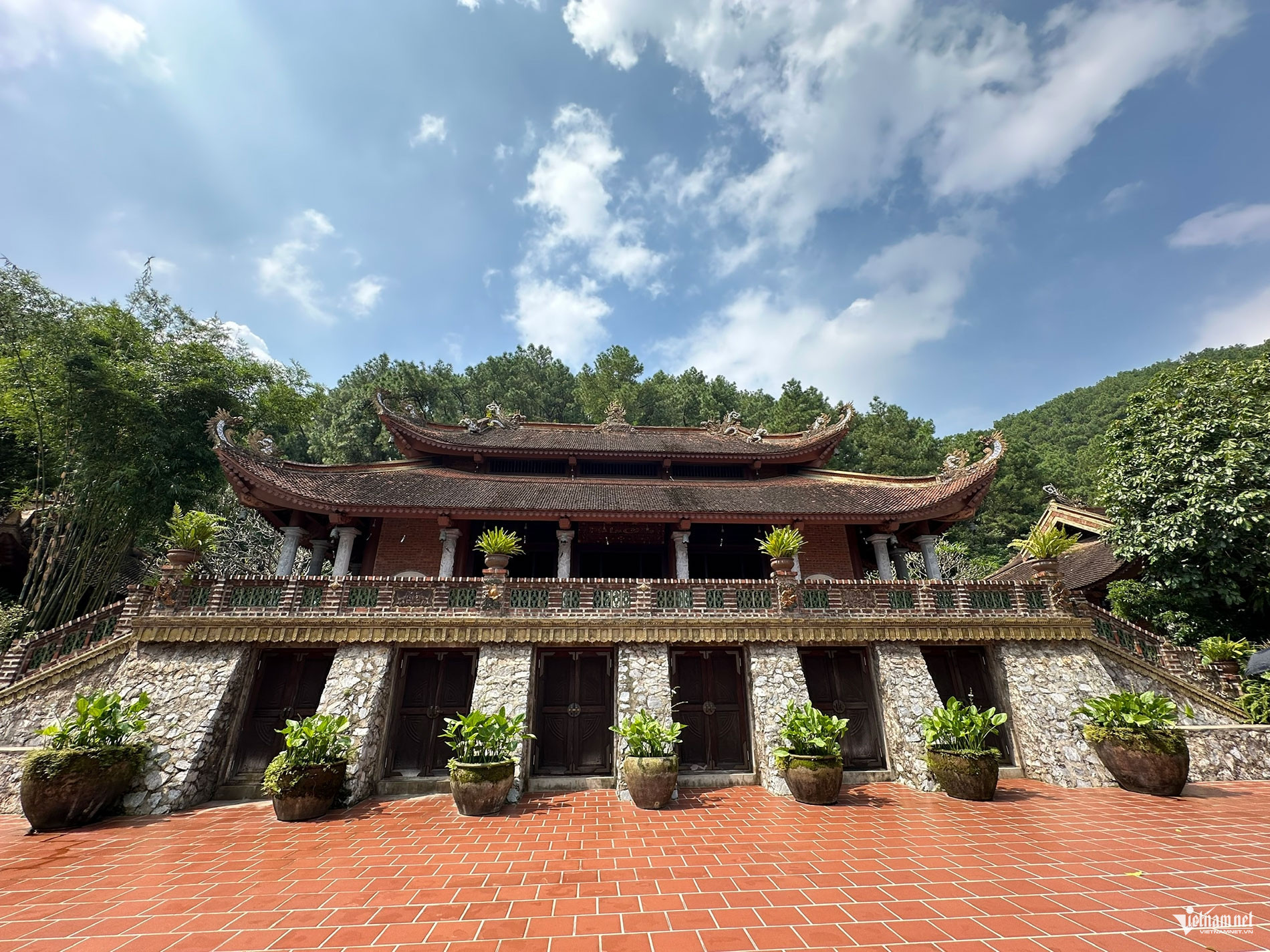
Nestled beneath the green mountains, Dia Tang Phi Lai Pagoda offers a somewhat different way of approaching Buddhism.
People can come here not simply to light incense or pray for something for themselves, but also to practice slowing down, read a passage from a sutra and reflect on filial devotion, karma and each person’s responsibility for the way they live.
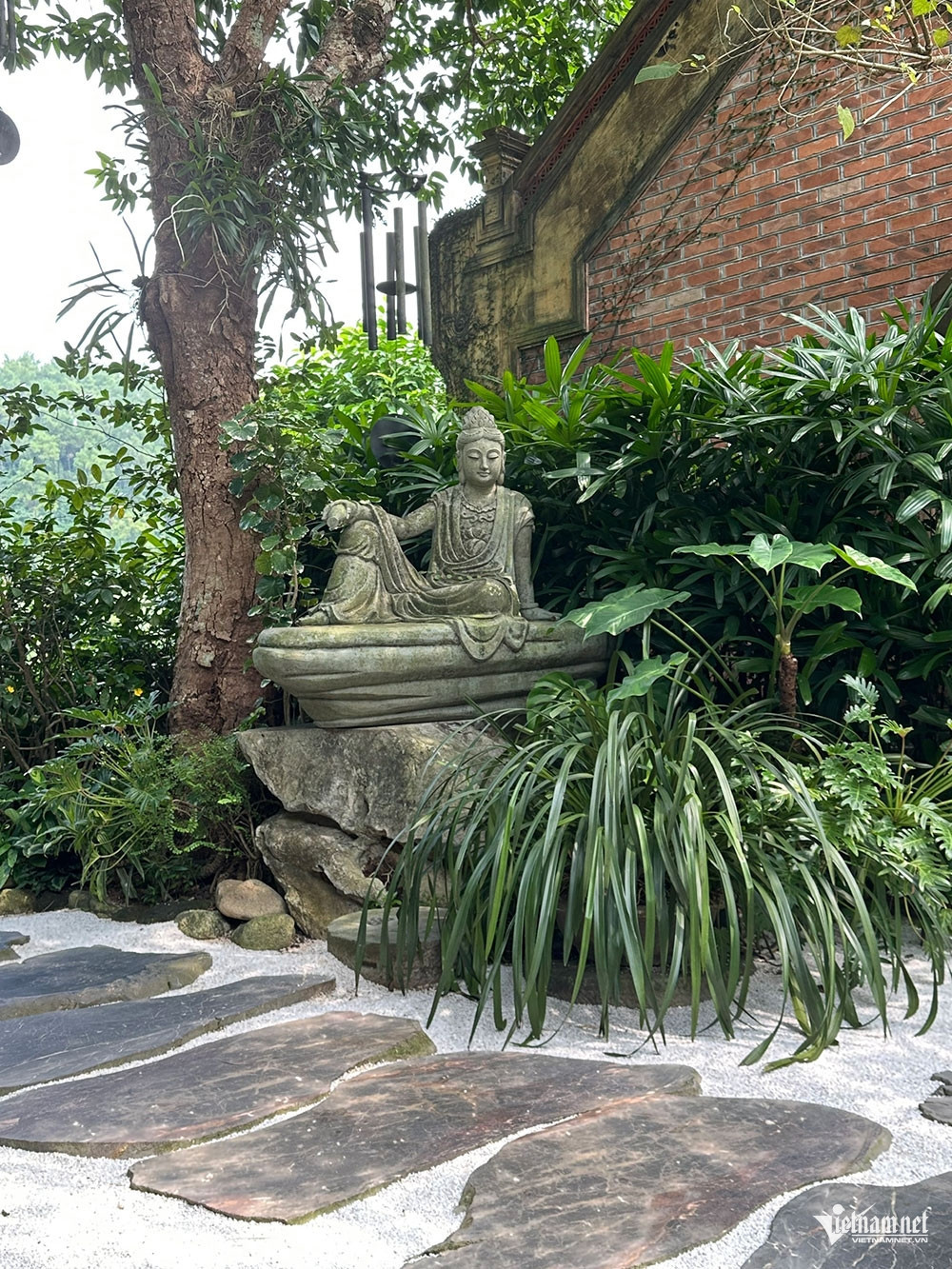
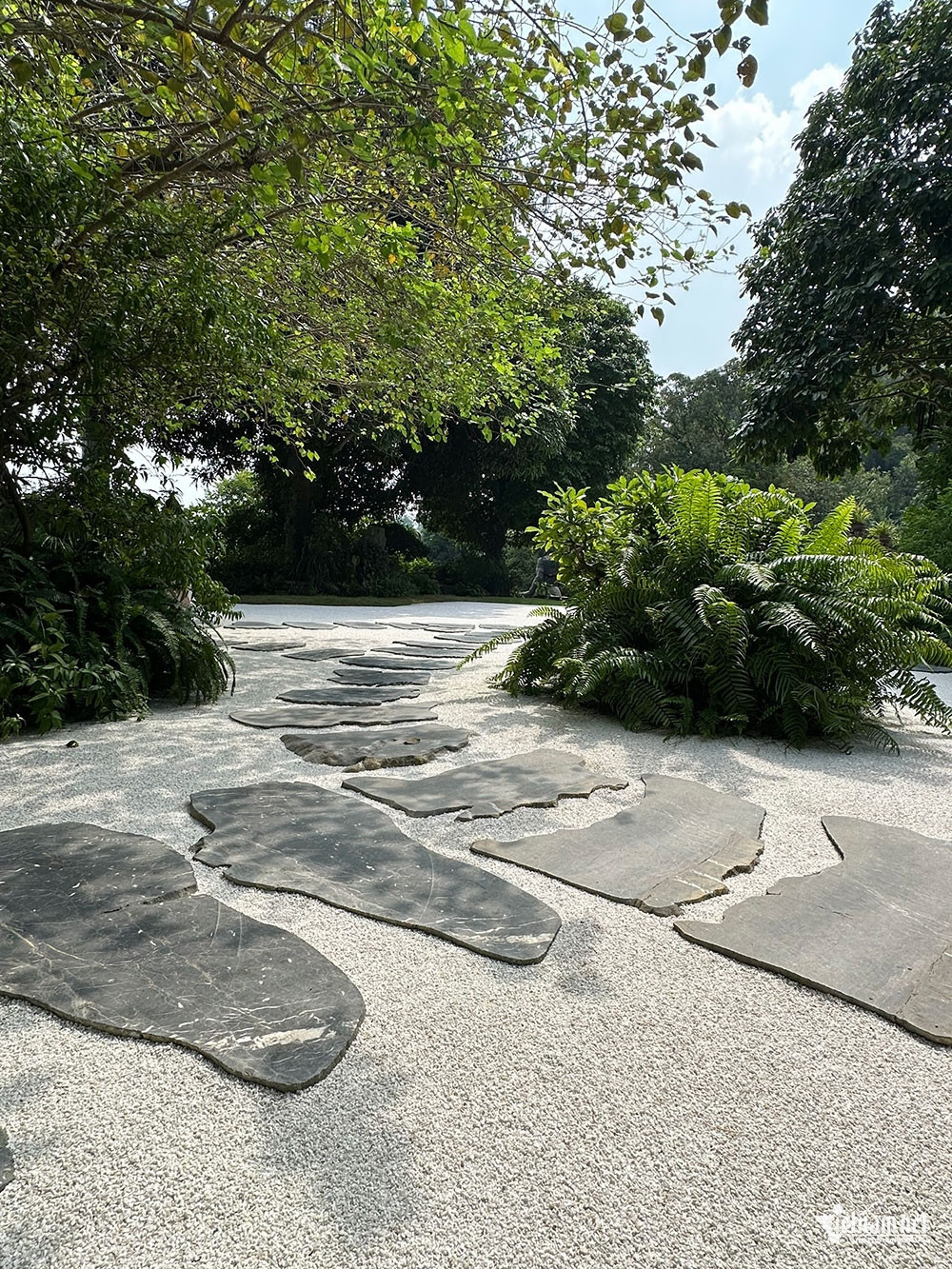
The paths through the pagoda are formed from uneven stone slabs set amid white gravel. To cross them, visitors instinctively watch their steps and slow their pace.
Perhaps that is also the simplest way to enter the world of Dia Tang Phi Lai: slow down.
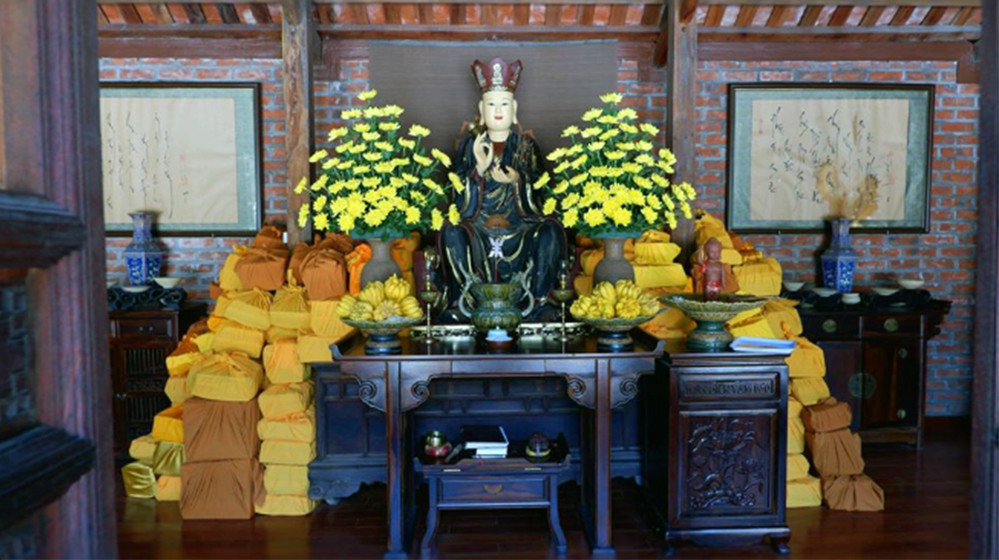
And perhaps the story of the pagoda should therefore begin with the two words “Dia Tang,” the Vietnamese name for Ksitigarbha.
In the Mahayana Buddhist tradition, Ksitigarbha Bodhisattva is associated with a great vow to save sentient beings from suffering.
The name “Ksitigarbha” is commonly interpreted through the imagery of the earth, representing patience and steadfastness, and a treasury, suggesting hidden depth and abundance.
In the Ksitigarbha Bodhisattva Purvapranidhana Sutra, prominent themes include filial devotion, repaying kindness, relieving suffering and taking responsibility for the actions people create in their lives.
Ksitigarbha devotion therefore finds a natural connection with Vietnamese traditions of ancestor veneration and filial piety.
But filial devotion here is not confined to rituals for those who have died.
It begins with how people treat their parents while they are still alive, remembering and appreciating those who gave them life and raised them. More broadly, it means gratitude toward the many relationships and circumstances that have shaped one’s existence.
Perhaps that is why the image of Ksitigarbha often leads people toward reflections deeper than a simple prayer for peace.
Spiritual practice through the pen
One story makes Dia Tang Phi Lai particularly distinctive in contemporary Vietnamese Buddhist life: devotees hand-copy the Ksitigarbha Bodhisattva Purvapranidhana Sutra and send their manuscripts to the pagoda.
At first glance, it is an ancient practice.
Before printing and digital technology, copying Buddhist scriptures by hand was once a means of preserving and transmitting the teachings.
But in an age when thousands of pages of Buddhist texts can be downloaded within seconds, sitting down with a pen and copying each character carries a different meaning.
It resists haste.
A page of scripture can be skimmed in a few minutes. Copying it forces the writer to pause at every sentence. The eyes read, the hand writes and the mind must remain with the words.
Venerable Thich Minh Quang, abbot of Dia Tang Phi Lai Pagoda, once explained that the purpose of copying sutras is to encourage people to read more carefully, understand the Buddha’s teachings and bring those teachings into their lives.
He also cautioned against turning sutra copying into an overly formalized or superstitious ritual.
If copying is treated simply as a way to “accumulate merit,” with the assumption that writing more brings greater blessings, religious practice can easily become a kind of invisible transaction.
But the meaning changes if each line is seen as an opportunity to look inward.
There are words a person may write hundreds of times without necessarily living by them even once: patience, filial devotion, goodness, compassion, letting go.
In that sense, the pen becomes an instrument of spiritual practice.
49,000 sutras and strangers who may never meet
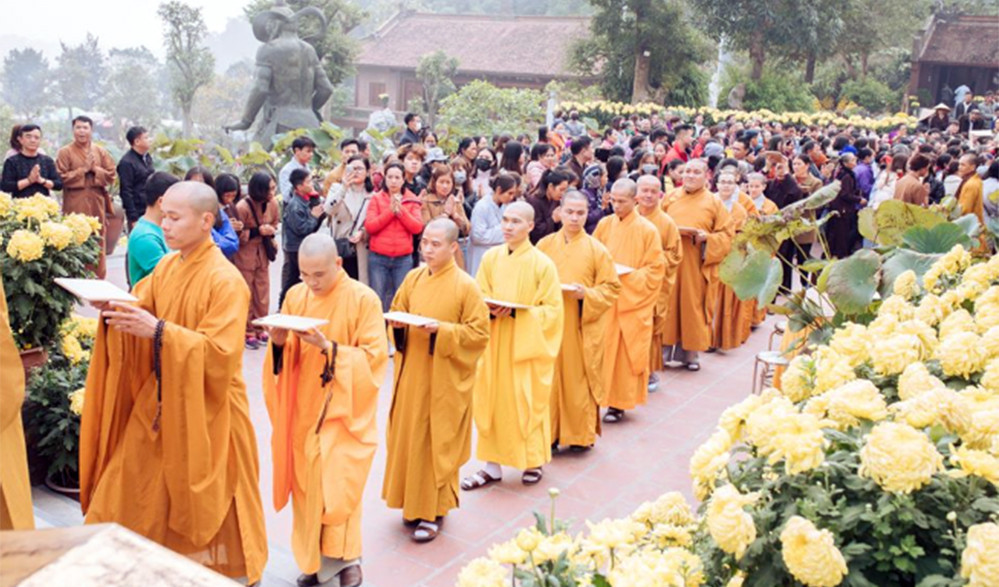
On Feb. 2, 2020, the ninth day of the first lunar month of the Year of the Rat, 49,000 handwritten copies of the Ksitigarbha Sutra sent by Buddhist followers and other people from many places were enshrined inside the Ksitigarbha tower at the pagoda.
Every manuscript contains thousands of handwritten strokes.
Behind them are hours spent alone by someone the eventual recipient of the sutra may never have met.
A person who copied the Ksitigarbha Sutra may never have visited Dia Tang Phi Lai. But their words arrived there.
And with tens of thousands of manuscripts gathered in one place, the pagoda preserves more than pages of scripture.
It preserves time, patience, gratitude and the aspirations toward goodness of countless strangers.
The writer may have been elderly or young. They may have been at peace, or perhaps they had just endured a loss and were searching for somewhere to lay down the weight on their mind.
When sutras from different parts of the country arrive at the same pagoda, they create an unusual kind of community: people who do not necessarily know one another, yet have participated in the same religious practice.
Here, the offering is neither a monumental statue nor a sum of money.
It is simply paper, ink and time.
And time, after all, is part of a human life.
Copying an entire sutra and sending it to a pagoda can therefore be understood as a distinctive form of offering, one in which the writer gives their effort and concentration.
From asking to looking inward
In Vietnamese folk religious life, visiting a pagoda can sometimes be closely associated with the act of asking: for health, career success, prosperity, children or a favorable year ahead.
The spirit evoked by Ksitigarbha devotion, however, points in another direction.
The Ksitigarbha Sutra can be viewed as a guide to social ethics built around three central ideas: honoring filial devotion, understanding karmic consequences of good and evil actions, and practicing compassion and the Bodhisattva’s great vows.
Seen this way, lasting peace cannot be entirely separated from the way a person lives.
Someone may pray for harmony in the family but return home and continue hurting those closest to them. Something is still missing from that prayer.
Someone may pray for their parents to live long lives but rarely spend time with them. Filial devotion then remains only at the altar.
And someone may copy an entire sutra without changing the way they treat others. However beautiful the pages, they are not the end of the practice.
Perhaps, then, the most important part of copying a sutra is not whether the handwriting is beautiful.
The question is whether, after putting down the pen, a person lives even slightly differently.
A necessary pause in modern life
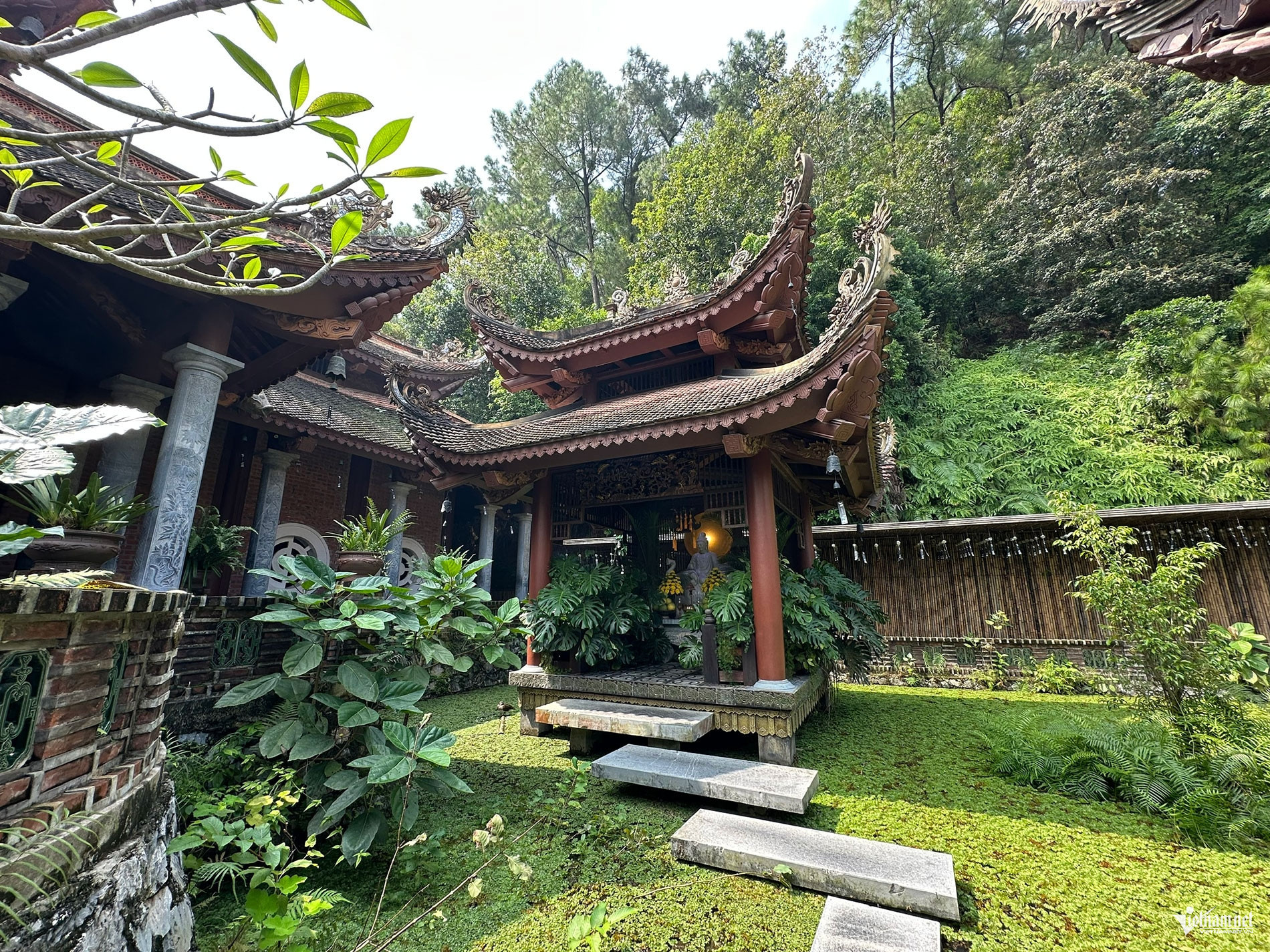
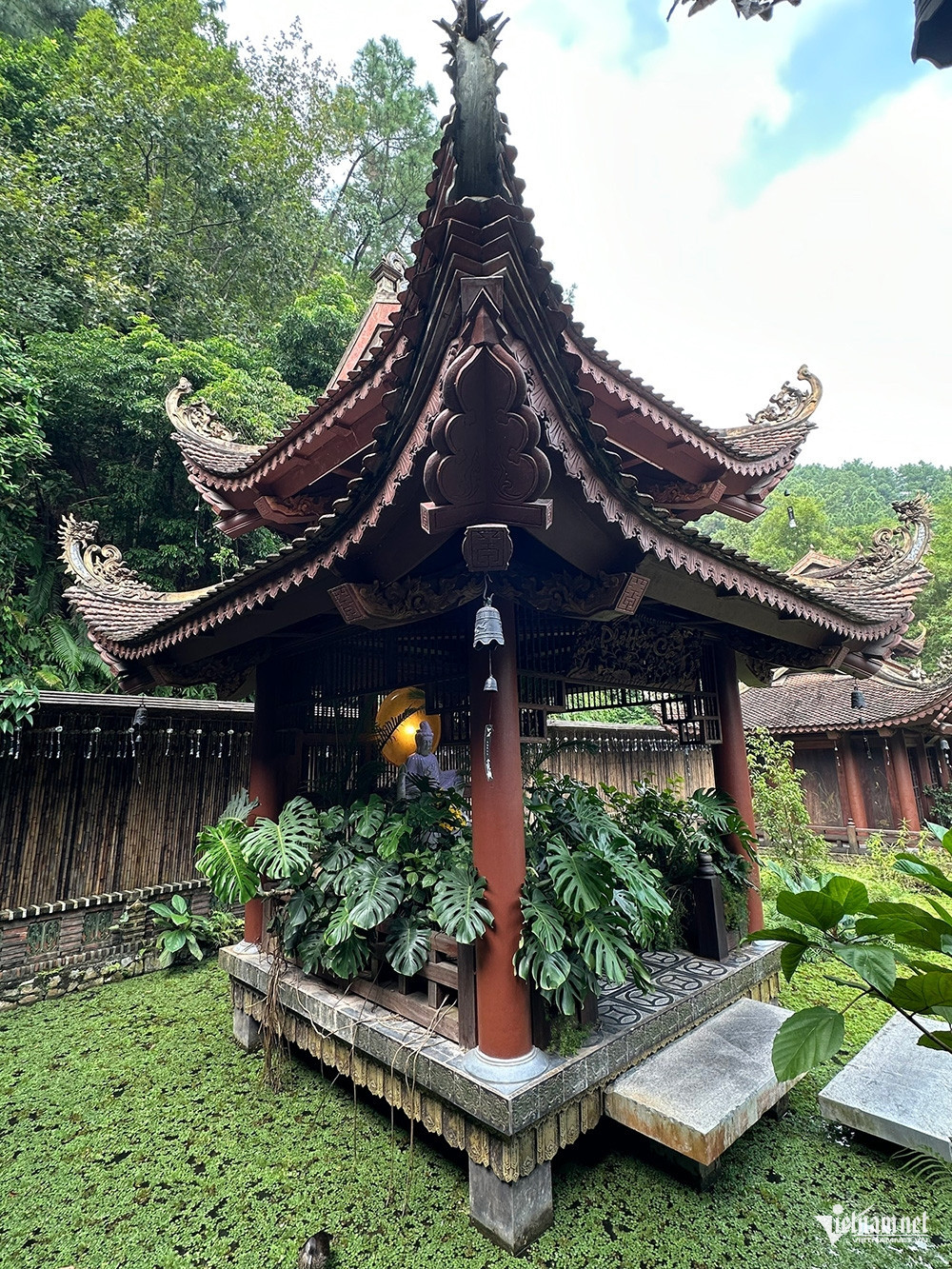
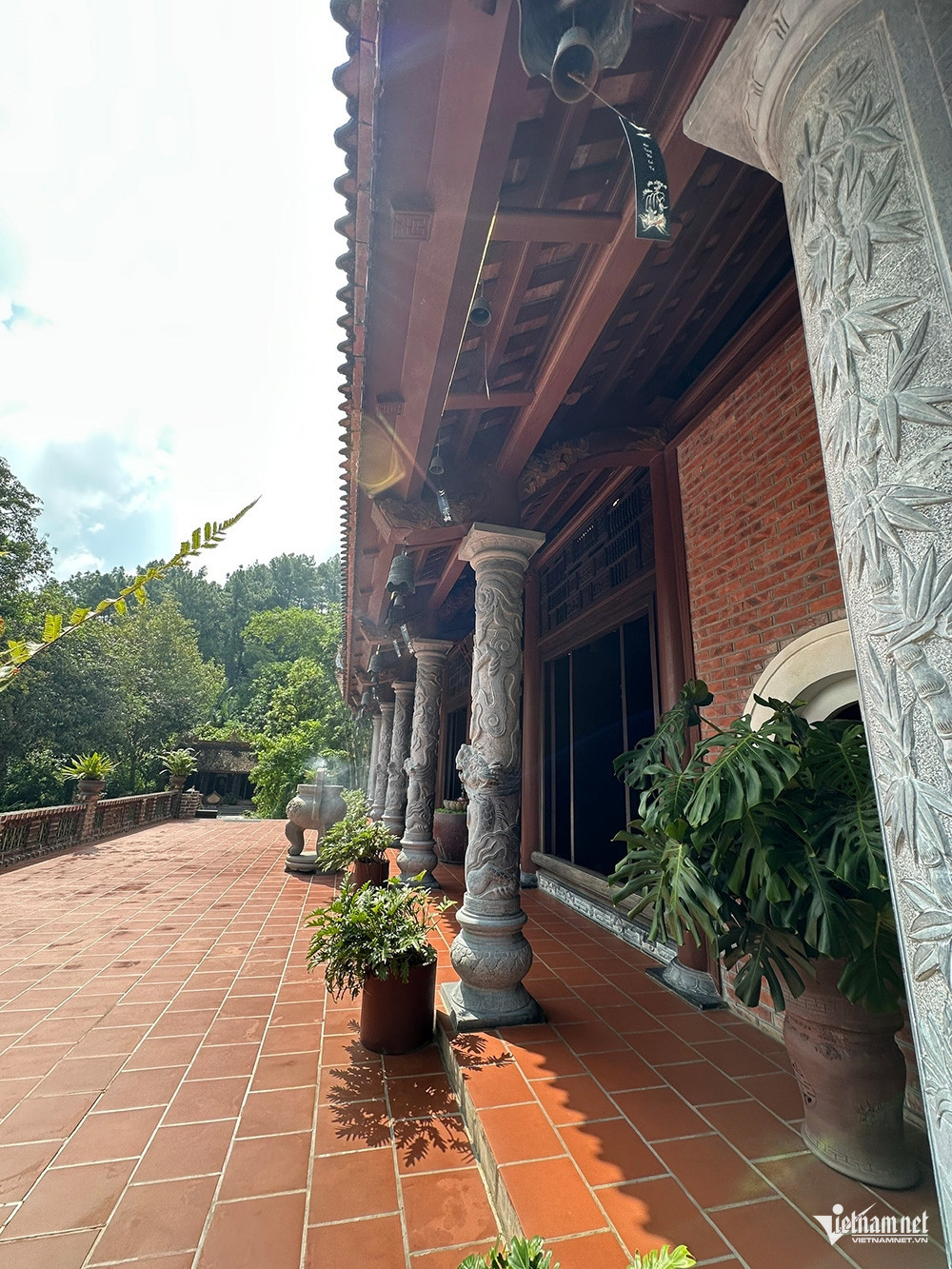
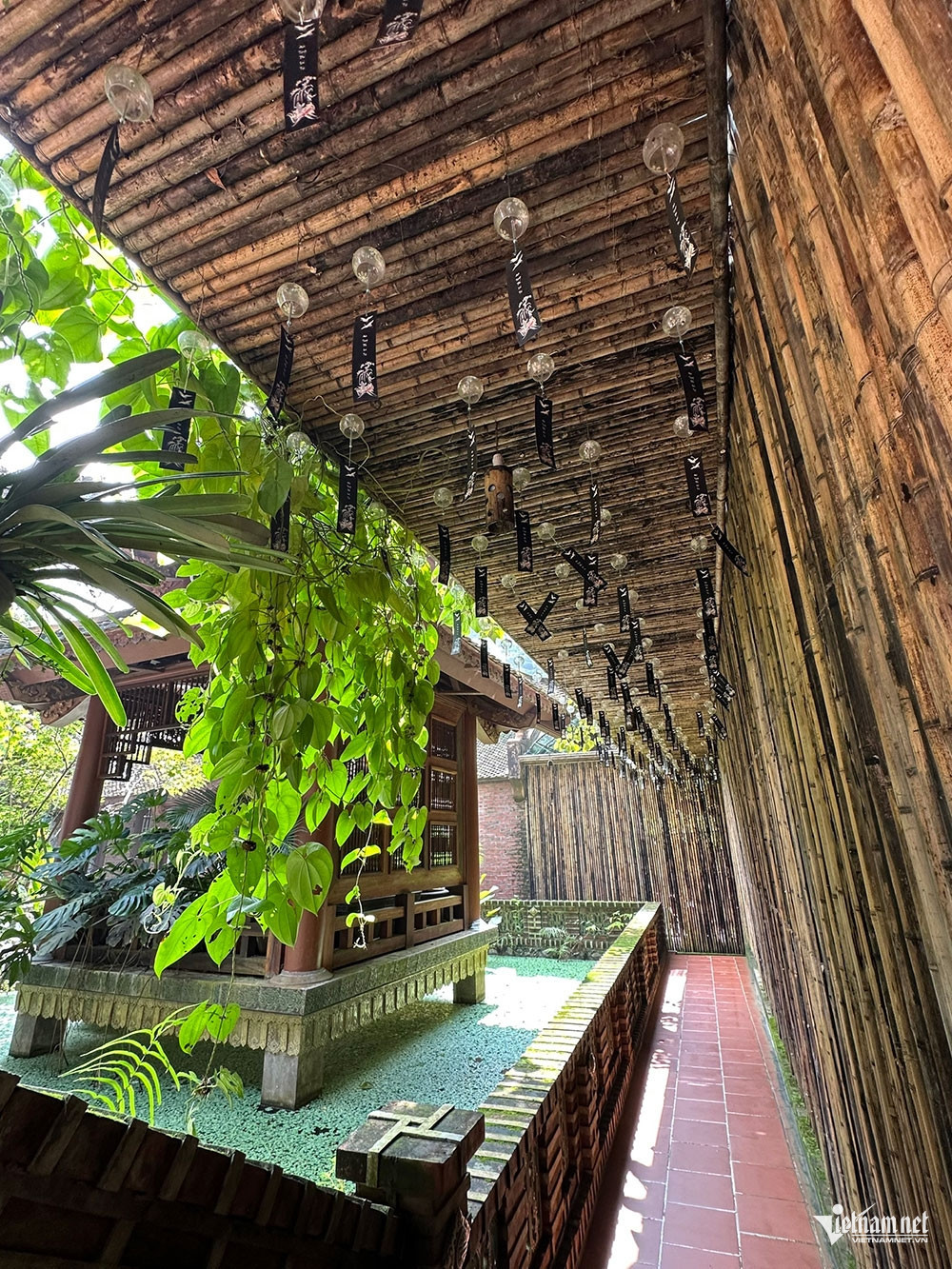
At Dia Tang Phi Lai, greenery seems almost inseparable from the architecture.
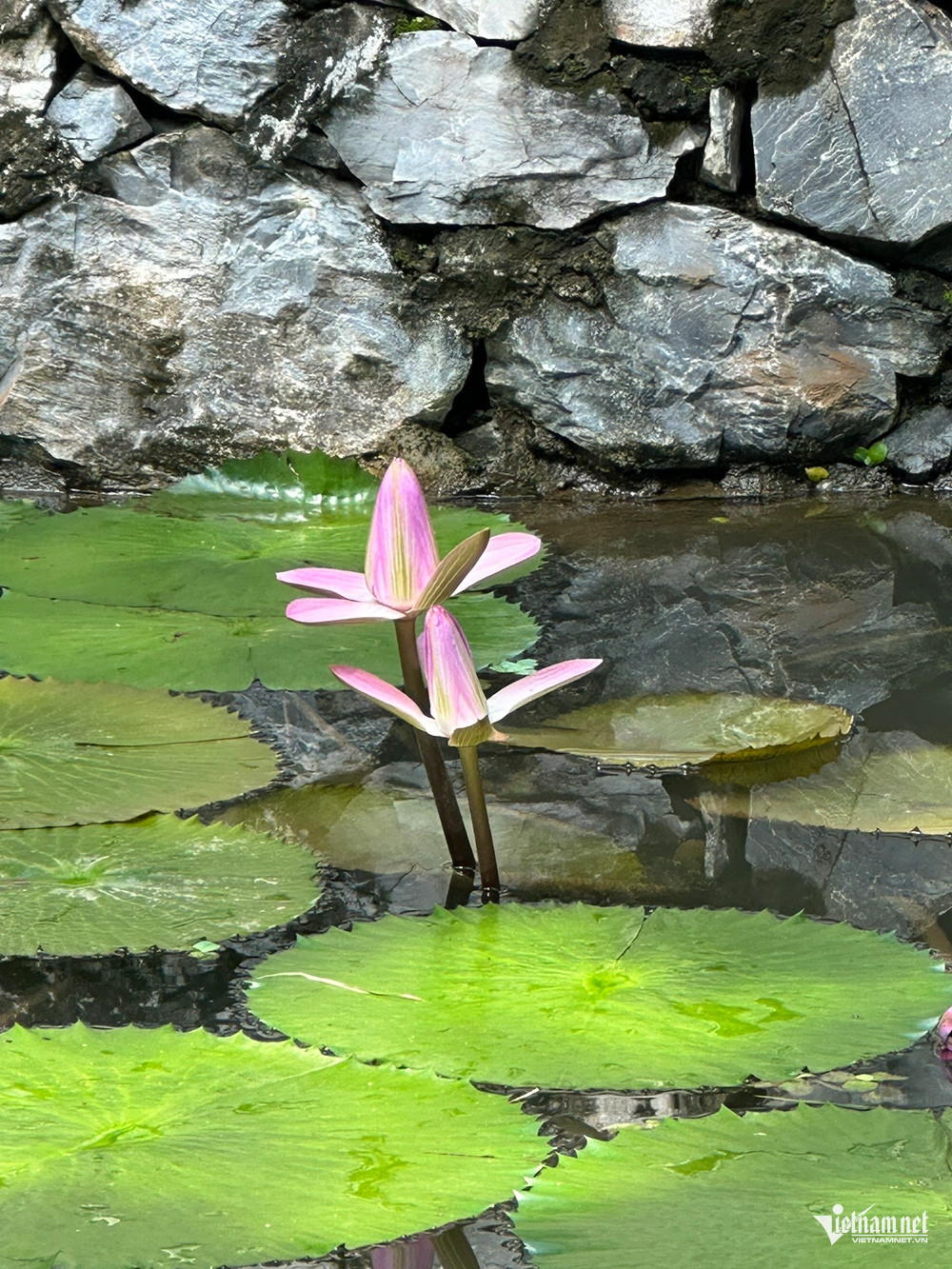
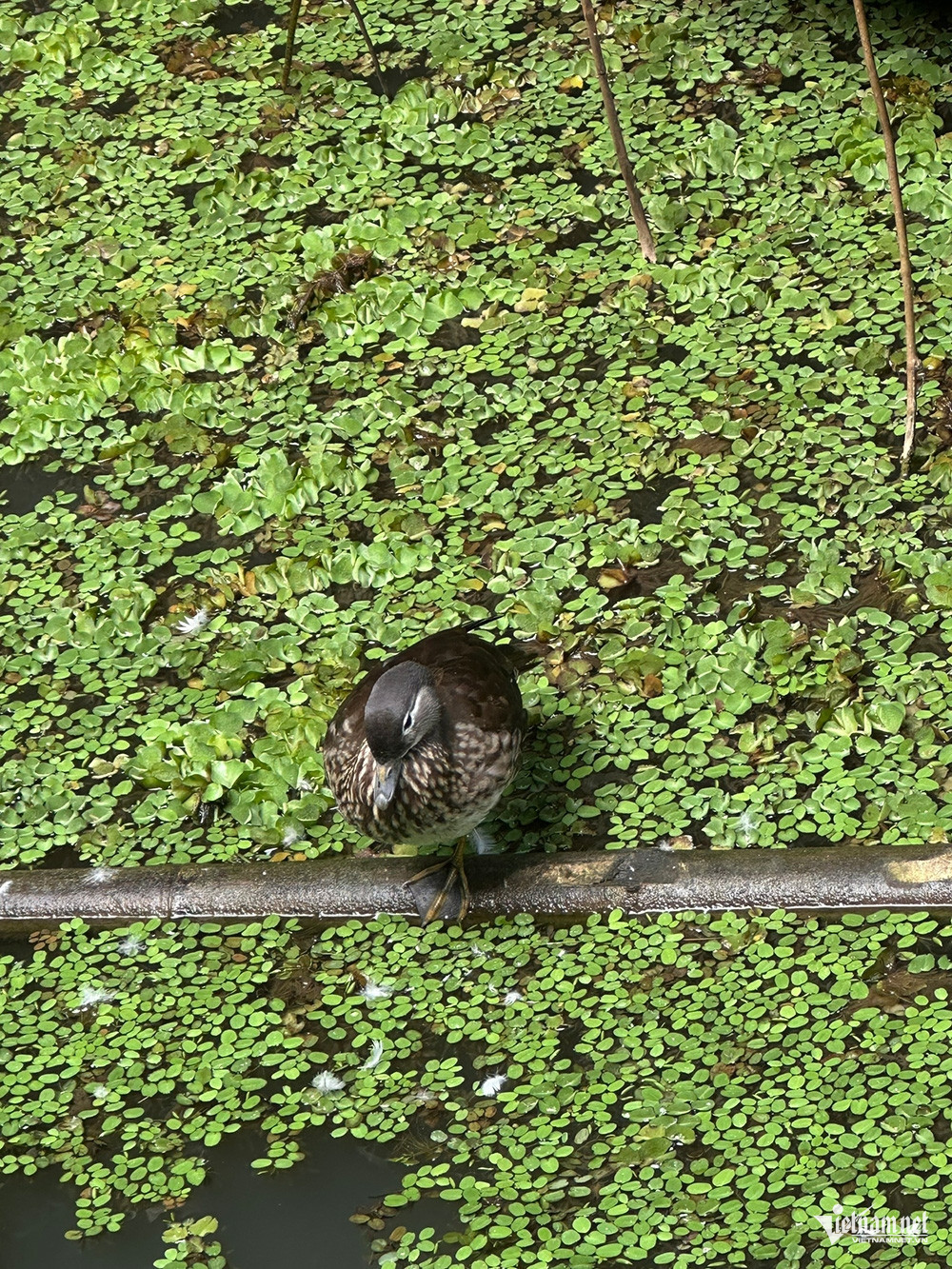
Buddha statues sit amid gardens. Low temple roofs settle among the trees. Stone slabs lead across green-covered water. Even a duck standing motionless beside the pond becomes part of the scene.
In Buddhism, stillness does not mean escaping from life.
Rather, one withdraws from the noise for a moment in order to see more clearly what is happening within.
Some pilgrimages stretch for thousands of kilometers.
Others extend only from the top of a page to the bottom.
Those who copied the Ksitigarbha Sutra may never have visited Dia Tang Phi Lai, but their words have.
And with tens of thousands of manuscripts gathered there, the pagoda preserves more than scripture.
It preserves time, patience, gratitude and the desire of countless strangers to become better people.
Perhaps that is what makes Dia Tang Phi Lai memorable.
It is a place that reminds people that amid an ever-faster life, they can still choose to sit down, pick up a pen and slowly write a line of scripture.
Dia Tang Phi Lai Pagoda, formerly known as Dung Pagoda, is located in the former Ha Nam province, about 70 kilometers from Hanoi, with its back against a mountain in accordance with traditional feng shui principles.
According to elderly villagers, Dung Pagoda was built in the 11th century and once comprised more than 100 structures. King Tran Nghe Tong is said to have chosen the pagoda as a place of retreat for a period, while King Tu Duc also came here to pray for an heir.
The name “Dia Tang Phi Lai” carries its own meaning.
“Dia Tang” is the Vietnamese name of Ksitigarbha Bodhisattva, who made a great vow to save all sentient beings suffering in the dark realms and hells.
“Phi Lai” means “no longer coming,” suggesting that the place has become a realm of complete peace, a Pure Land within the human world.
Thai An
.svg)
