 Vietnamnet.vn

 Podcast



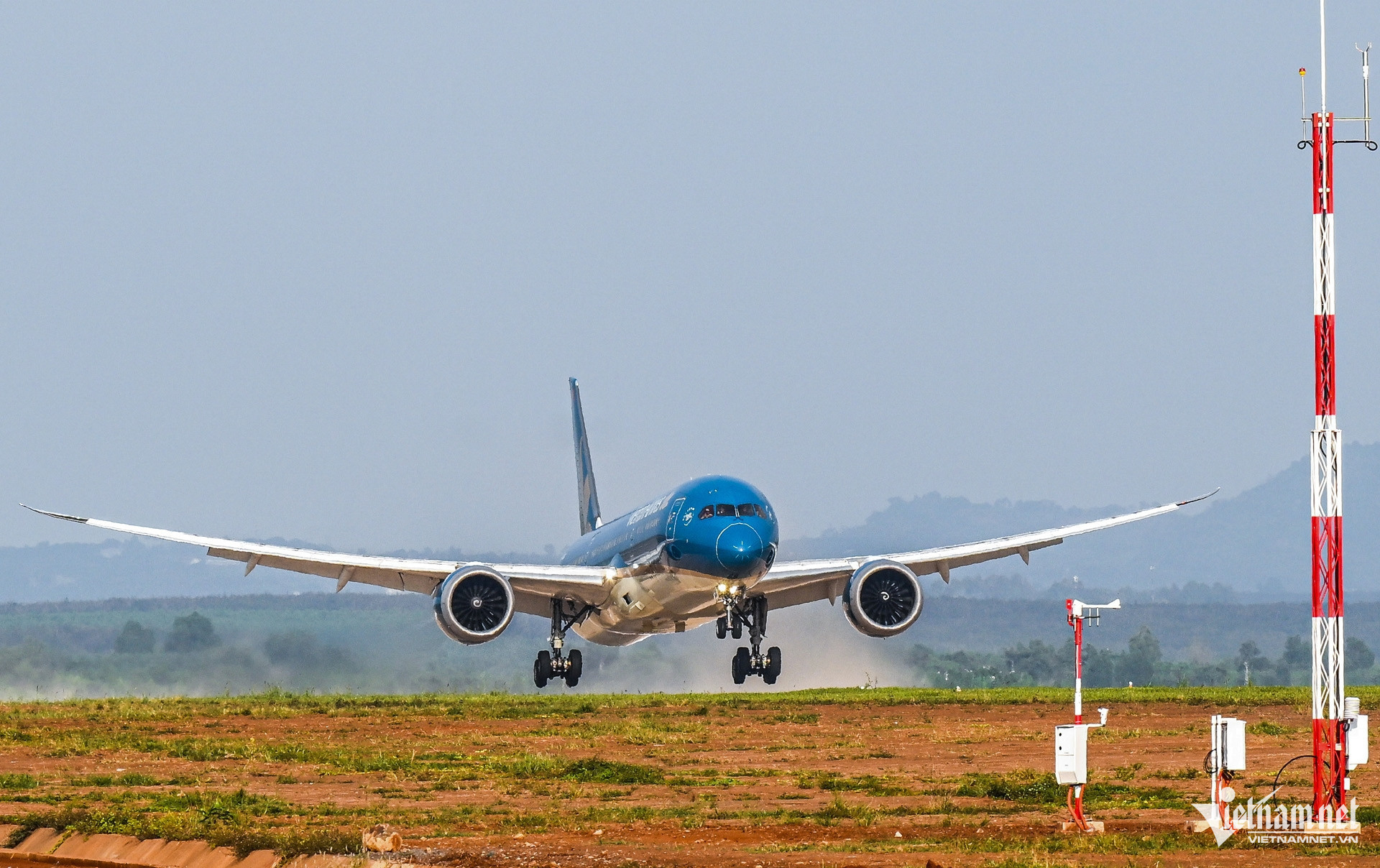
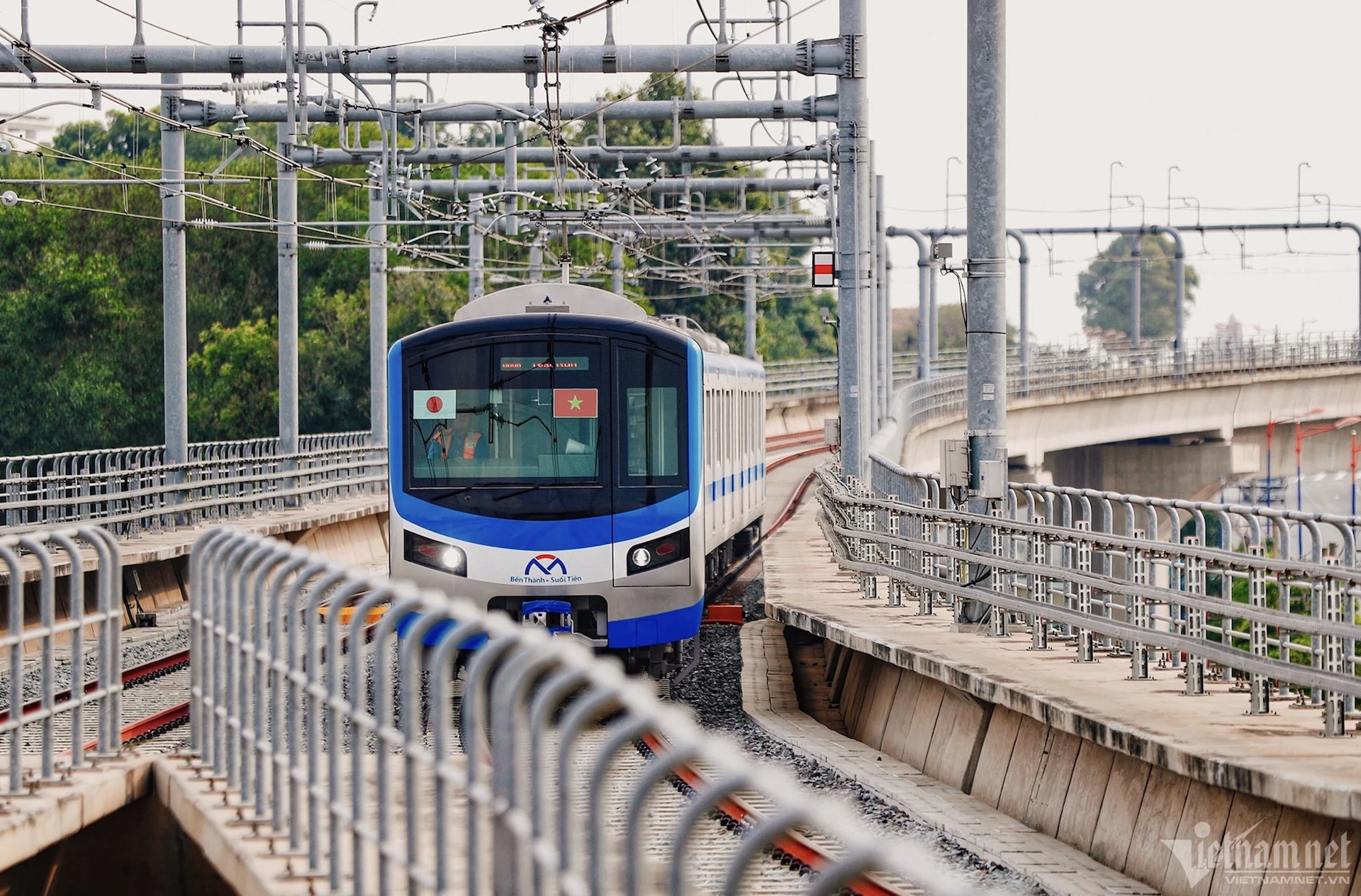
In response, Ho Chi Minh City’s People's Committee has submitted a proposal to the City Council, seeking approval to lead the Thủ Thiêm–Long Thanh metro project under a public-private partnership (PPP) model. The railway would span both Ho Chi Minh City and Dong Nai Province.
The proposed metro line is 42 kilometers long, starting at Thu Thiem Station (An Khanh Ward, HCMC) and ending at Long Thanh Station in Dong Nai.
It would include around 20 stations and one depot for operations and maintenance. The estimated investment is over 84.75 trillion VND (approximately 3.44 billion USD), with construction planned from 2025 to 2031.
In the proposal, city authorities acknowledge that current transport connectivity between Long Thanh and downtown is limited - just as the airport approaches its mid-2026 launch.
Thus, the metro is positioned as a strategic solution that will boost regional integration and dramatically reduce travel time between Ho Chi Minh City and the new airport.
Officials believe that synchronizing the development of Metro Line 2 (Ben Thanh–Tham Luong and Ben Thanh–Thu Thiem segments) with the Thu Thiem–Long Thanh line would improve urban mobility and meet long-term transit demand.
If realized, the rail route could reduce total travel time from central Ho Chi Minh City to Long Thanh Airport - and even Tan Son Nhat Airport - to just 40 minutes, maximizing the operational value of Long Thanh and the urban rail network.
Dr. Vo Kim Cuong, former Deputy Chief Architect of Ho Chi Minh City and former Deputy Director of the city's Planning and Architecture Department, emphasized the urgency of expanding expressways and building the metro.
He noted that since the city's first master plan in 1993, there had been discussions about connecting to Long Thanh Airport, but limited funding prevented implementation. Now, with economic growth accelerating, the need for that connection is more critical than ever.
“If Long Thanh is to serve as the region’s main airport, the Long Thanh–Dau Giay expressway must be expanded to 16 lanes. At the moment, it's only being widened to 8–10 lanes, with completion expected by late 2026,” Dr. Cuong told VietNamNet.
Global examples highlight importance of fast airport rail links
Dr. Pang also cited successful international models of airport–city rail connections.
Hong Kong’s MTR Airport Express, for instance, takes under 25 minutes to connect Central Station to the airport, despite the 35-kilometer distance. Passengers can even check in luggage at the city station.
Another example is the Daxing Airport Express in Beijing, which links the city center with Daxing International Airport. The fully automated train runs at up to 160 km/h, covering over 40 kilometers in just 30 minutes.
Tran Chung
.svg)
