 Vietnamnet.vn

 Podcast



Linh Trang
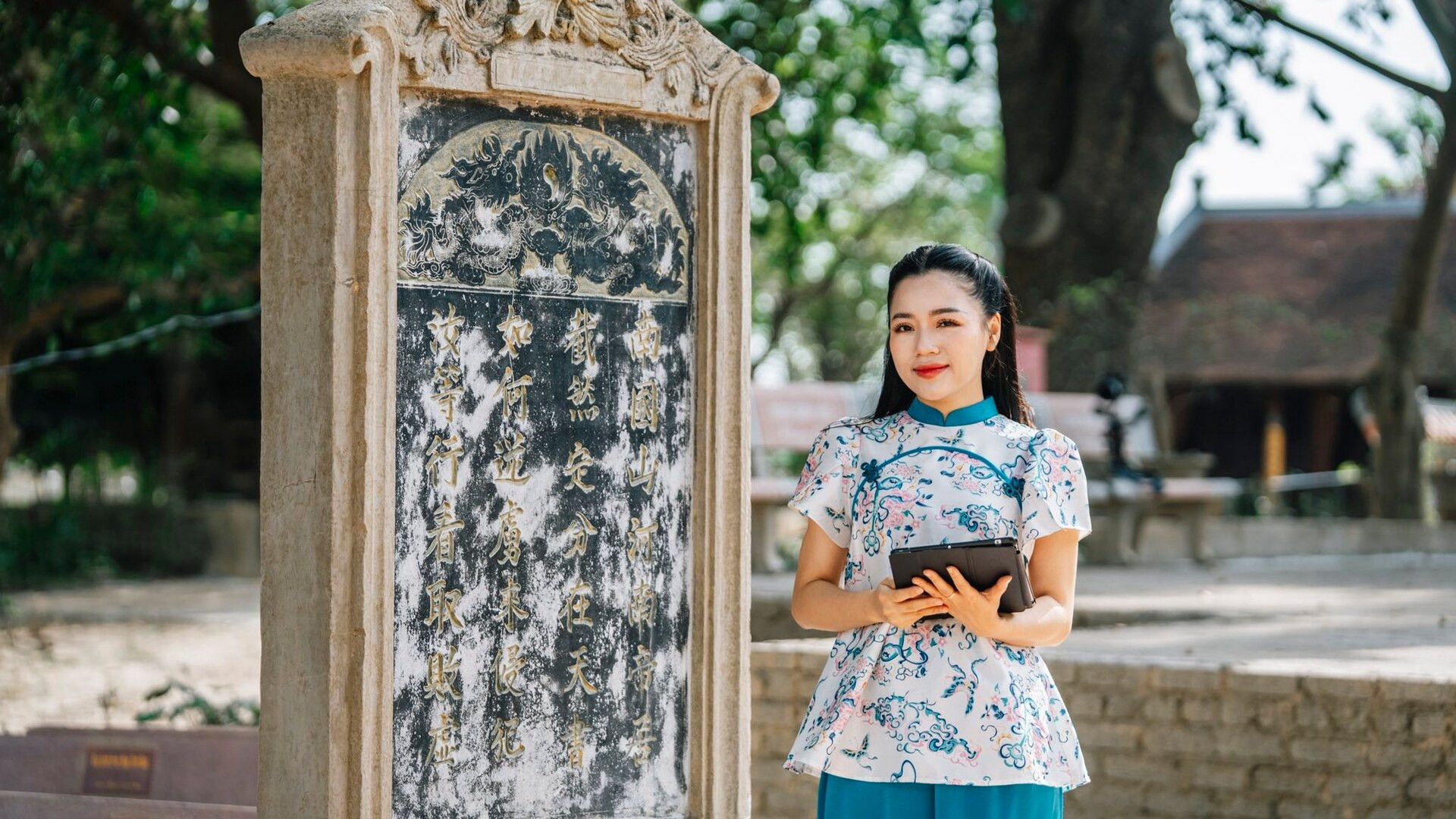
The poem Nam quoc son ha, often regarded as Vietnam’s first declaration of independence, has been memorized by generations of Vietnamese people. Yet not everyone knows that the place associated with the origin of this legendary “divine poem” is Xa Temple, located in Tam Giang commune in Bac Ninh Province.
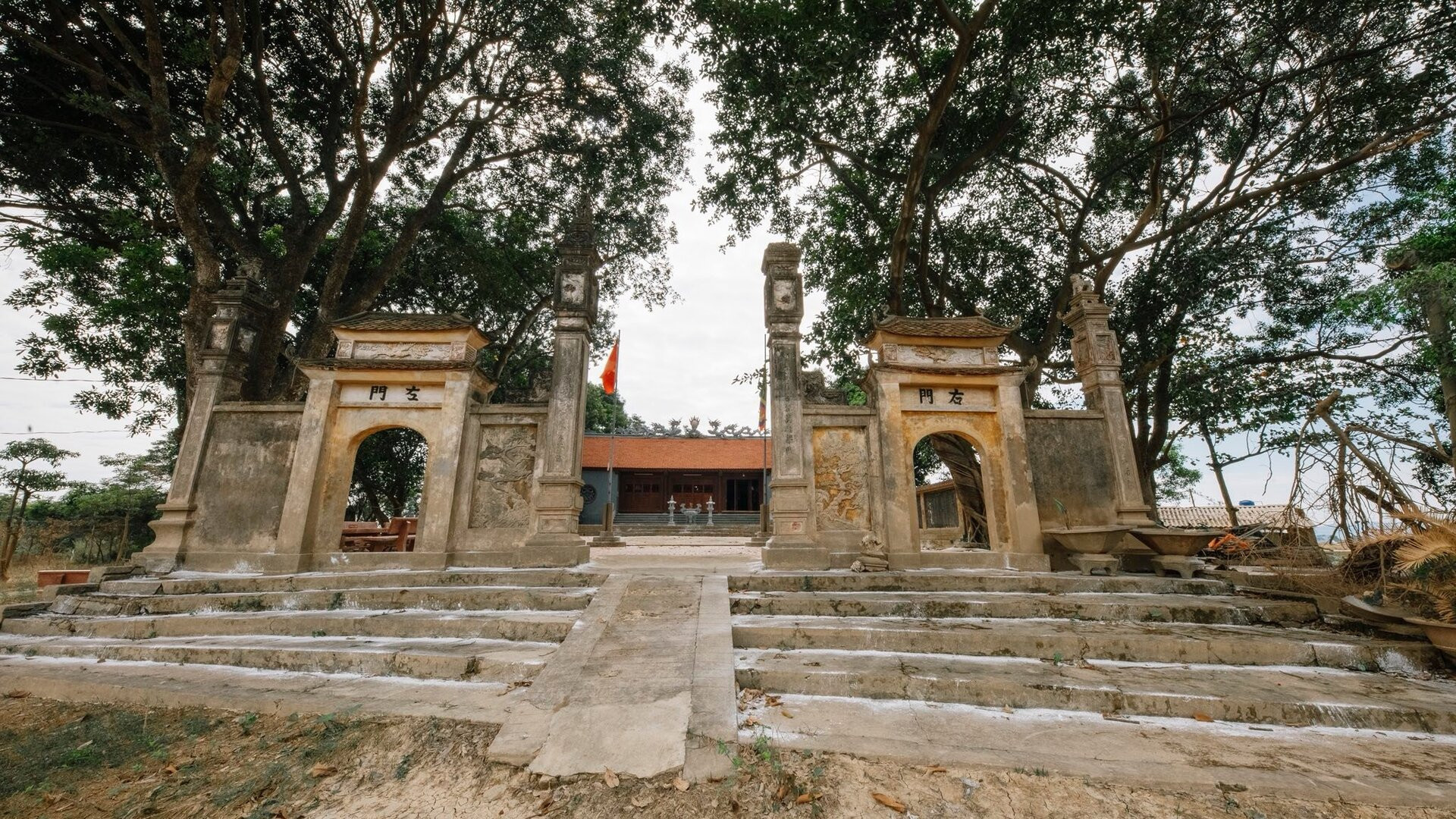
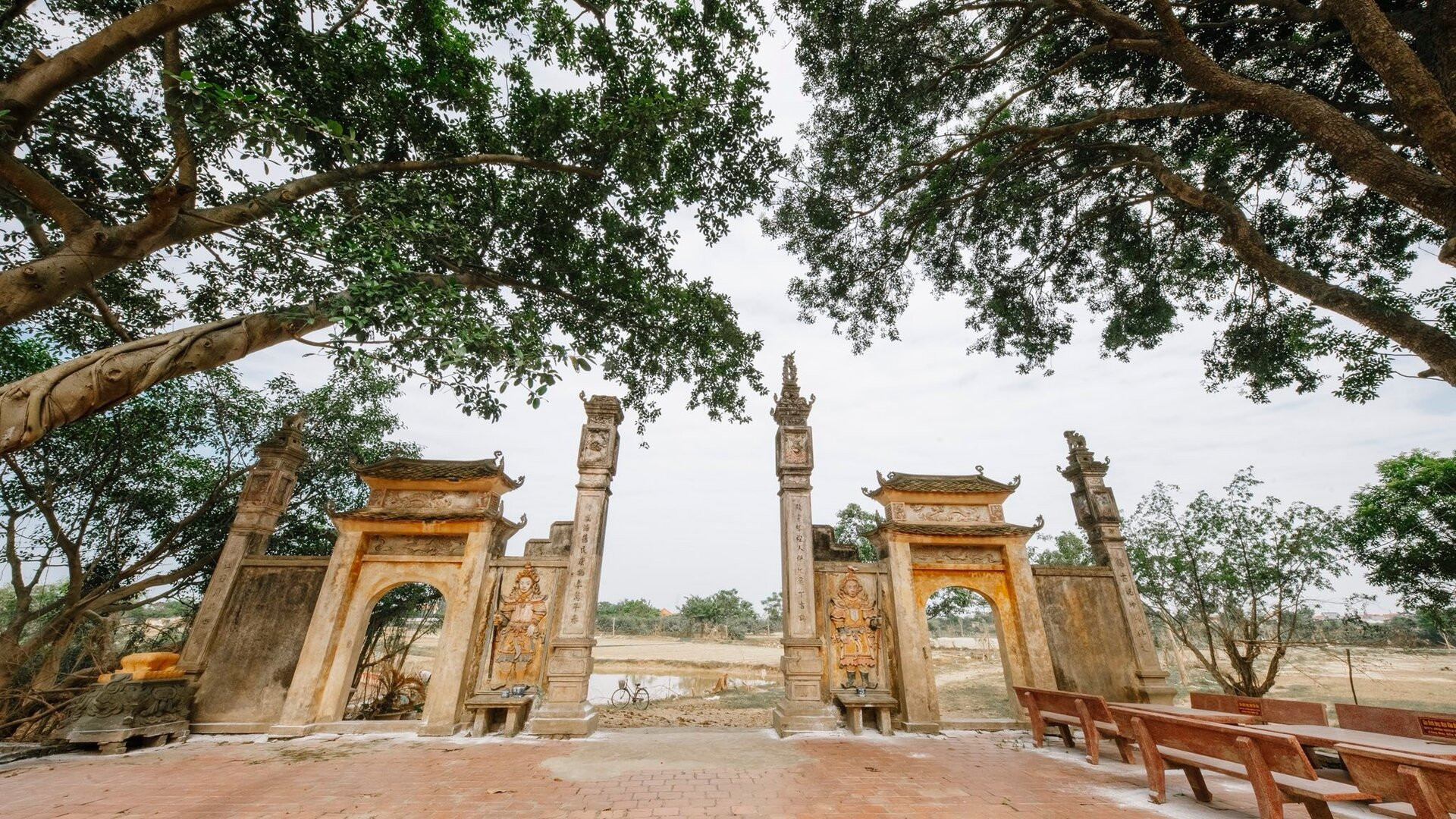
Xa Temple is an ancient and sacred site situated on an alluvial bank at the Xa confluence, where the Ca Lo River meets the Cau River, also known as the Nhu Nguyet River. The temple lies about 40km from the center of Hanoi.
Despite the many ups and downs of history, the temple still retains the beauty of traditional architecture with moss-covered tiled roofs, aged ironwood pillars polished by time, and a rich collection of ancient artifacts.
According to the Bac Ninh provincial information portal, Xa Temple worships the deity Tam Giang - the two brothers Truong Hong and Truong Hat. They were loyal generals under Trieu Viet Vuong who fought against the Liang invaders in the sixth century.
People from 372 villages along the Cau River, Thuong River and Ca Lo River, as well as areas where the two generals once stationed their troops, deeply mourned their passing. Temples were built to honor them and they were revered as protective deities.
In October 1077, while building the defensive line along the Nhu Nguyet River during the second resistance war against the Song dynasty, Grand Chancellor Ly Thuong Kiet came to Xa Temple to pray for divine protection and support for the fight against foreign invaders.
According to folk legends, shortly after the ceremony ended, the sky suddenly brightened as if it were daylight. Two clouds appeared in the sky - one white and one pink. Above them were two heroic figures, one riding a white horse and the other a pink horse, moving across the clouds amid the sounds of cheering soldiers and neighing horses.
These figures were believed to be the spirits of Truong Hong and Truong Hat appearing to aid the Dai Viet army in its battle against the Song forces.
It was at this moment that the poem Nam quoc son ha was born.
Ly Thuong Kiet ordered a trusted soldier to loudly recite the poem to inspire and strengthen the morale of the Dai Viet troops. Appearing at one of the most critical moments of the war, the poem encouraged soldiers to endure hardship and continue fighting against the Song army.
With that victory, the independence and territorial sovereignty of Dai Viet were firmly safeguarded, allowing the people to live in peace.
Today, the temple still preserves architectural traces from the Later Le dynasty, showing that Xa Temple was restored during that period.
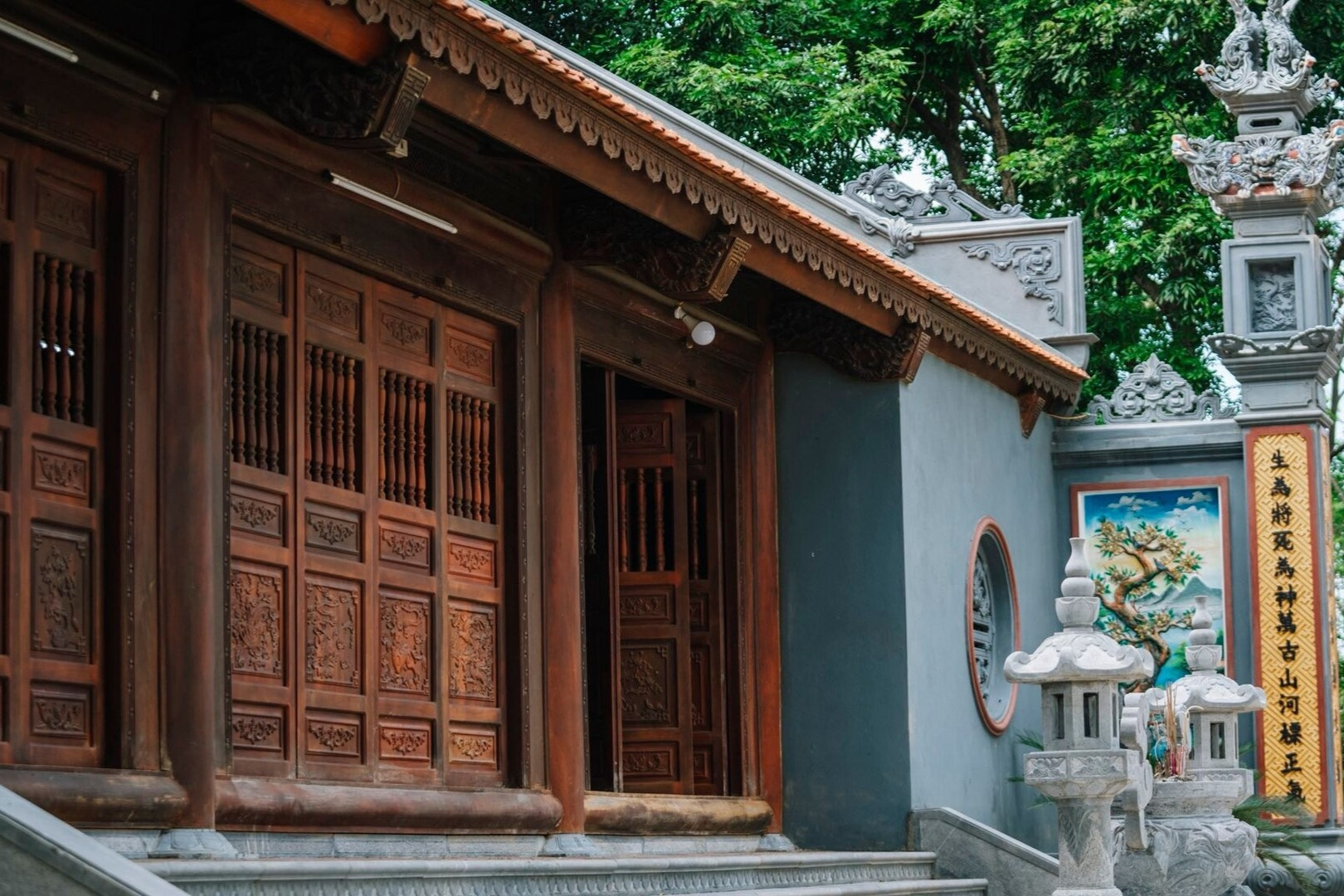
During the resistance war against the French, the temple suffered severe destruction. In 1993, it was restored with funding and contributions from local residents, giving it the appearance seen today.
The temple complex currently includes two main worship halls - the front hall and the rear sanctuary - with a wooden framework decorated with intricate carvings of dragons, clouds and floral patterns.
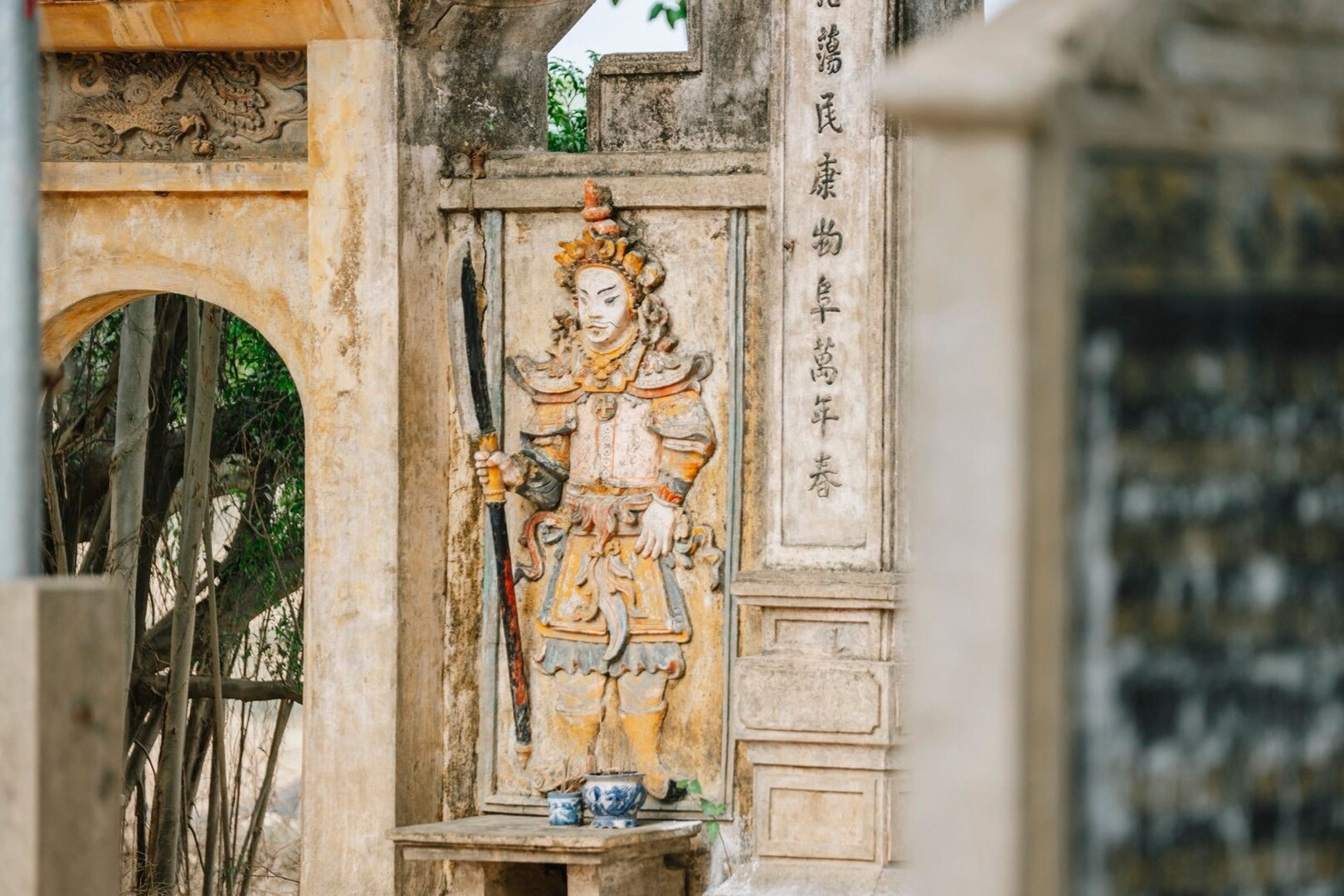
Xa Temple also preserves many historical relics, including statues from the Nguyen dynasty and 14 imperial ordination documents. The earliest of these date back to 1670, while the latest were issued in 1909.
On January 18, 1988, Xa Temple was officially recognized as a national historical relic by the Ministry of Culture under Decision No. 28-VH/QD.
Every year, two major festivals are held at Xa Temple on the fifth day of the first lunar month and on the ninth and tenth days of the fourth lunar month. The Xa Temple festival is considered one of the largest in the region.
Along with solemn rituals such as palanquin processions and water processions, the festival also features a traditional boat racing competition.
According to local lore, this rowing tradition originated from the time when Ly Thuong Kiet mobilized local militia to join battles against the Song forces on the Nhu Nguyet River.
Today, especially during the early days of spring, large numbers of local residents and visitors come to Xa Temple to pray for national peace and prosperity and to offer incense at the altar of the Kitchen Gods, wishing for safety and abundance for their families.
.svg)
