 Vietnamnet.vn

 Podcast



For over four decades, a hidden noodle stall run by Chung Thi Thao in Can Tho has drawn crowds with its unwavering dedication to a single pot of broth each day.
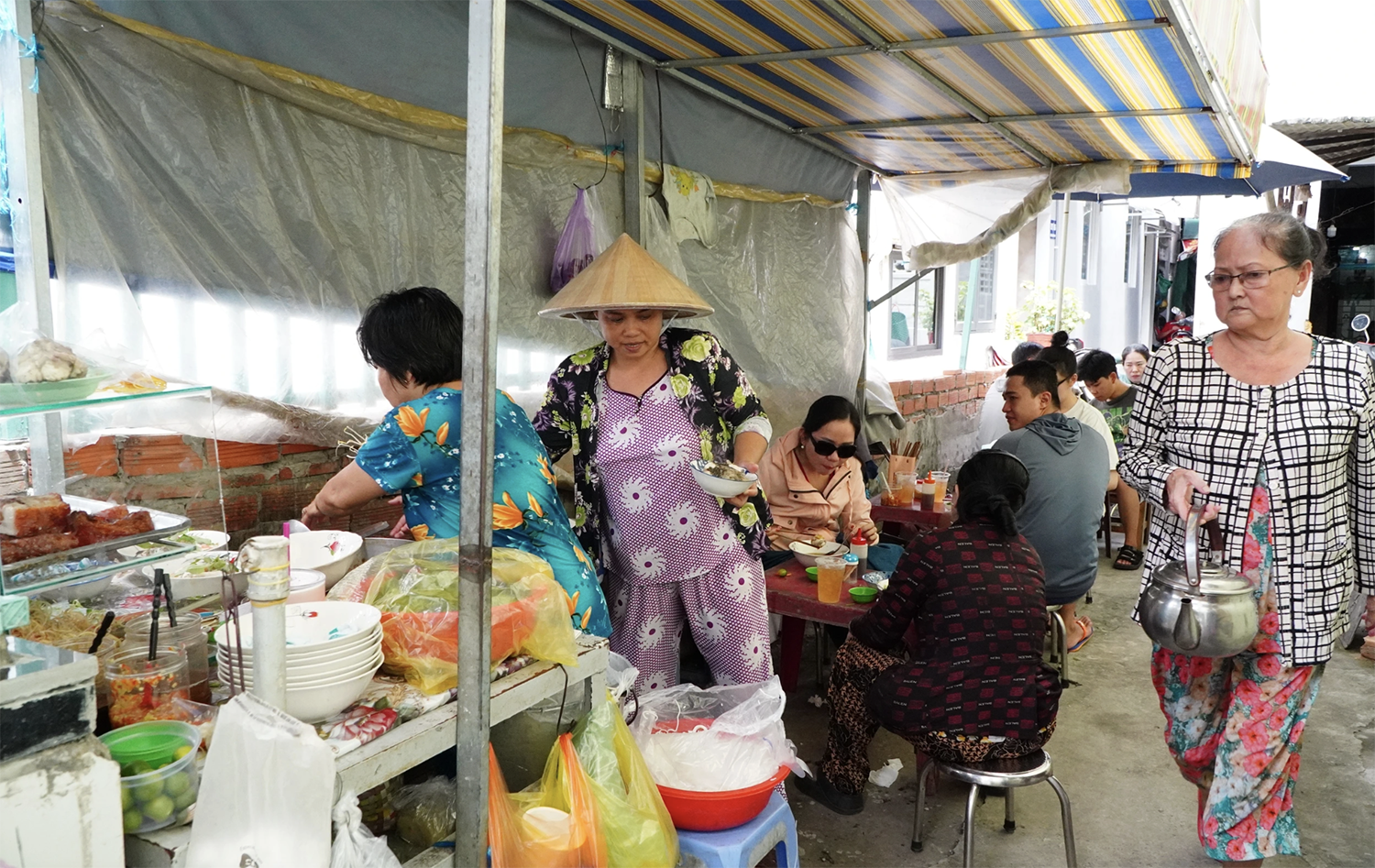
The nameless noodle stall run by Thao is always packed. Photo: H.B
Nestled in a small alley on Dien Bien Phu Street, next to An Lac metal market in Ninh Kieu District, this unassuming bun mam stall has become a beloved fixture for many local food lovers.
Operating out of a tucked-away corner, the stall offers only four or five plastic tables, shaded by a makeshift tarp and a large umbrella. Despite its modest size, three assistants help run the place. By noon, the narrow alley is jam-packed with customers dining in or waiting for delivery orders.
Locals fondly refer to the stall by several names - “Bun Mam 57,” “Bun Mam Cho Sat,” or most affectionately, “Bun Mam Co Lun,” a nickname inspired by the petite stature of its owner.
Each time she prepares a bowl, Thao stands on a small 10cm wooden stool.
“I need to stand on this so my hands can move comfortably and quickly,” she laughed.
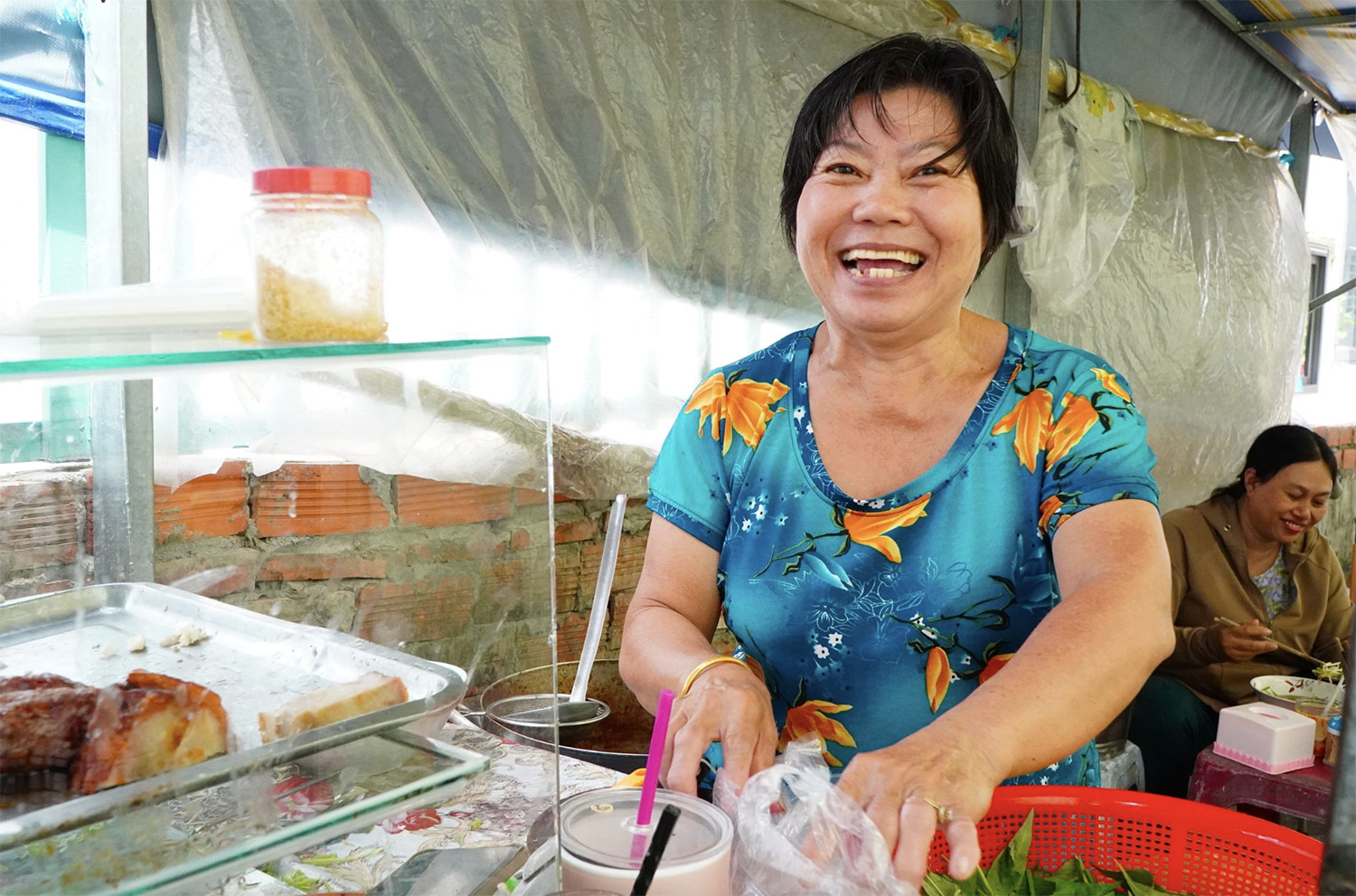
Thao joyfully introduces the different toppings for her bun mam. Photo: H.B
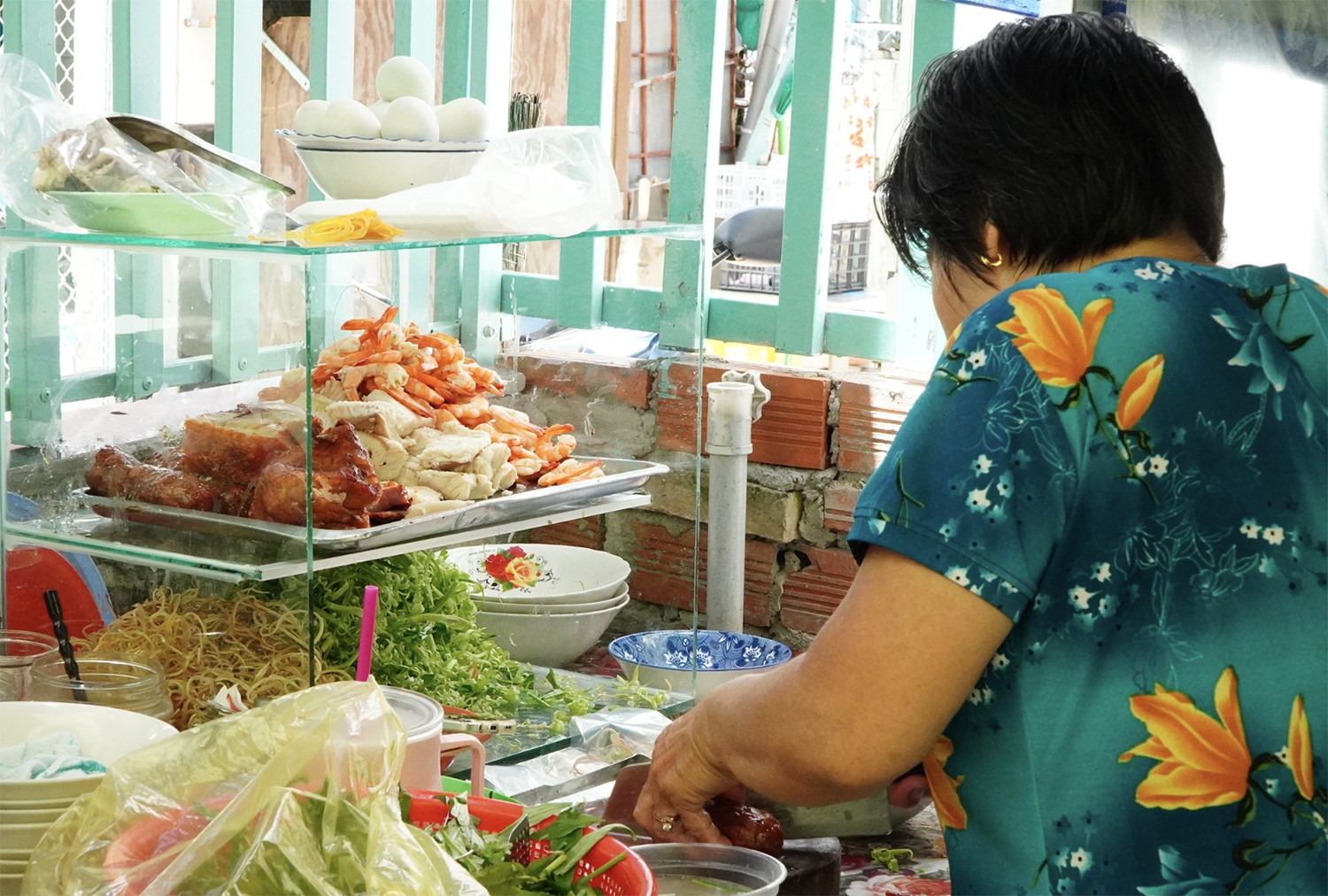
This stall has served thousands thanks to its carefully made broth. Photo: H.B
Few would guess that this humble alley stall has a history spanning over 40 years, rooted in Thao’s childhood amid the hustle of the metal market. Her family, of Chinese-Vietnamese descent, has worked at the market since her mother’s youth.
Back then, her mother sold an assortment of dishes: chao long (pork offal porridge), bun rieu (crab noodle soup), bun mam (fermented fish noodle soup), and banh tam (thick rice noodles with coconut sauce). Over time, only two dishes endured - bun mam and banh tam.
“When she got old, my mom passed down her broth recipe to me. She told me to protect this craft with care - cook thoroughly, season properly, and always keep the flame alive so people remember us,” Thao shared.
Over the past 25 years as the shop owner, she has relocated several times. Still, loyal customers have followed her for the familiar taste they grew up with.
What sets this stall apart is its strict daily limit: only one pot of broth is made, which yields about 7–8kg worth of noodles. Sales start at 12 p.m., and once the pot runs dry - usually by 2 p.m., sometimes even sooner - the stall closes for the day.
On particularly busy days, everything sells out within just over an hour.
Many wonder why Thao doesn’t cook more, given the high demand. But she shakes her head.
“This amount is enough. If I make more, I won’t be able to give it the same care,” she said.
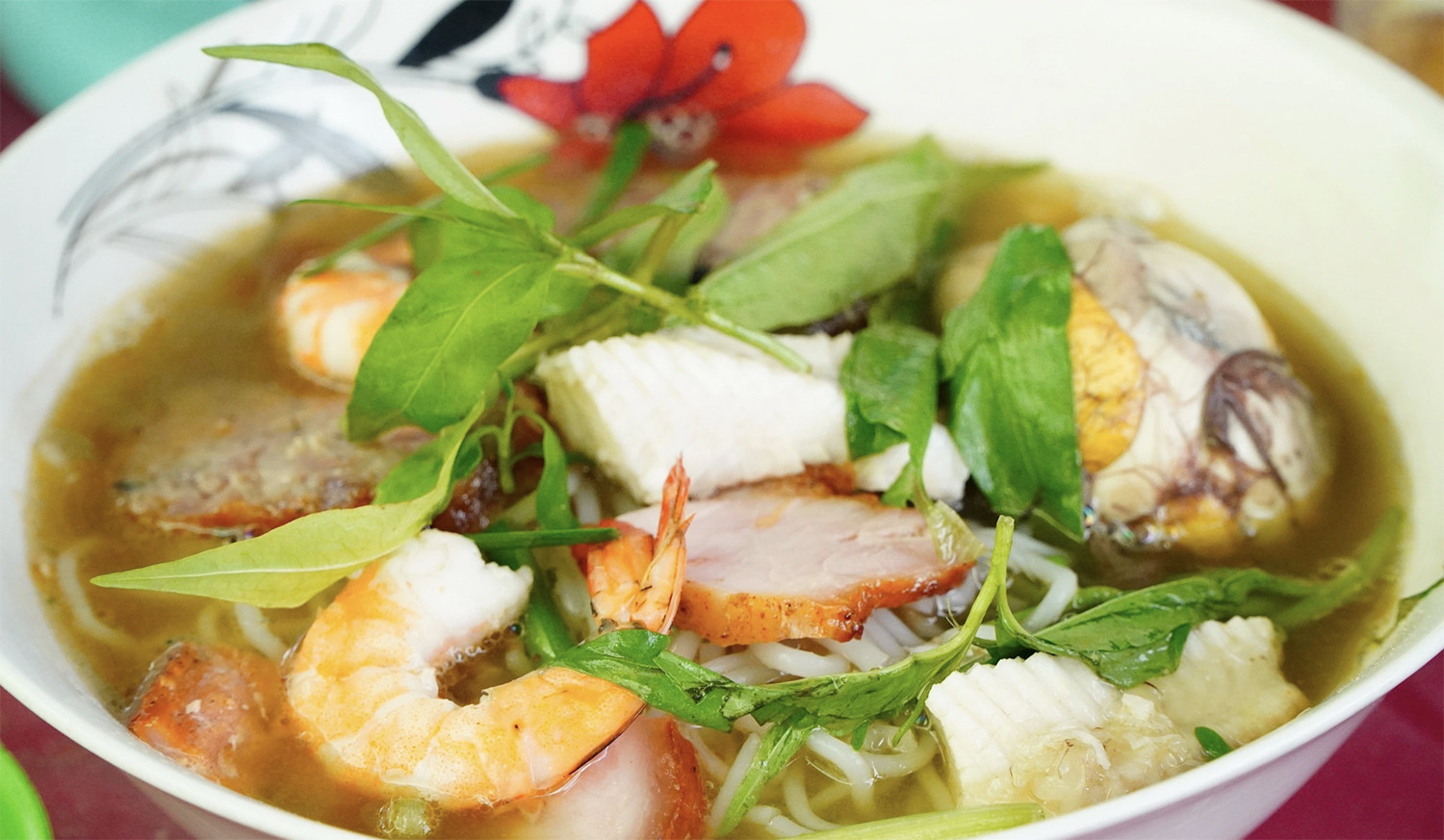
It is this philosophy that has shaped the stall’s unique flavor. The bowls aren’t extravagantly garnished, but their rustic simplicity is captivating: a clear, sweet broth, fresh shrimp, tender white chunks of snakehead fish, and crispy slices of roasted pork. Each bowl costs $1.55. Extra toppings such as fish heads or balut eggs can be added.
What truly keeps customers coming back is the broth. Thao revealed that she always sources fermented fish (mam ca) from a trusted vendor she’s relied on for years. The fish paste is meticulously strained through a sieve, cooked until aromatic, then seasoned with her family’s secret formula.
“If the mam isn’t good, the broth will be ruined,” she said.
In the bustling heart of Can Tho, this small, nameless stall continues to simmer each day, faithfully preserving the flavor of yesteryear. With no signage, no fancy seating, and no frills, it captures the hearts of diners through sincerity and dedication.
Tran Tuyen
.svg)
