 Vietnamnet.vn

 Podcast



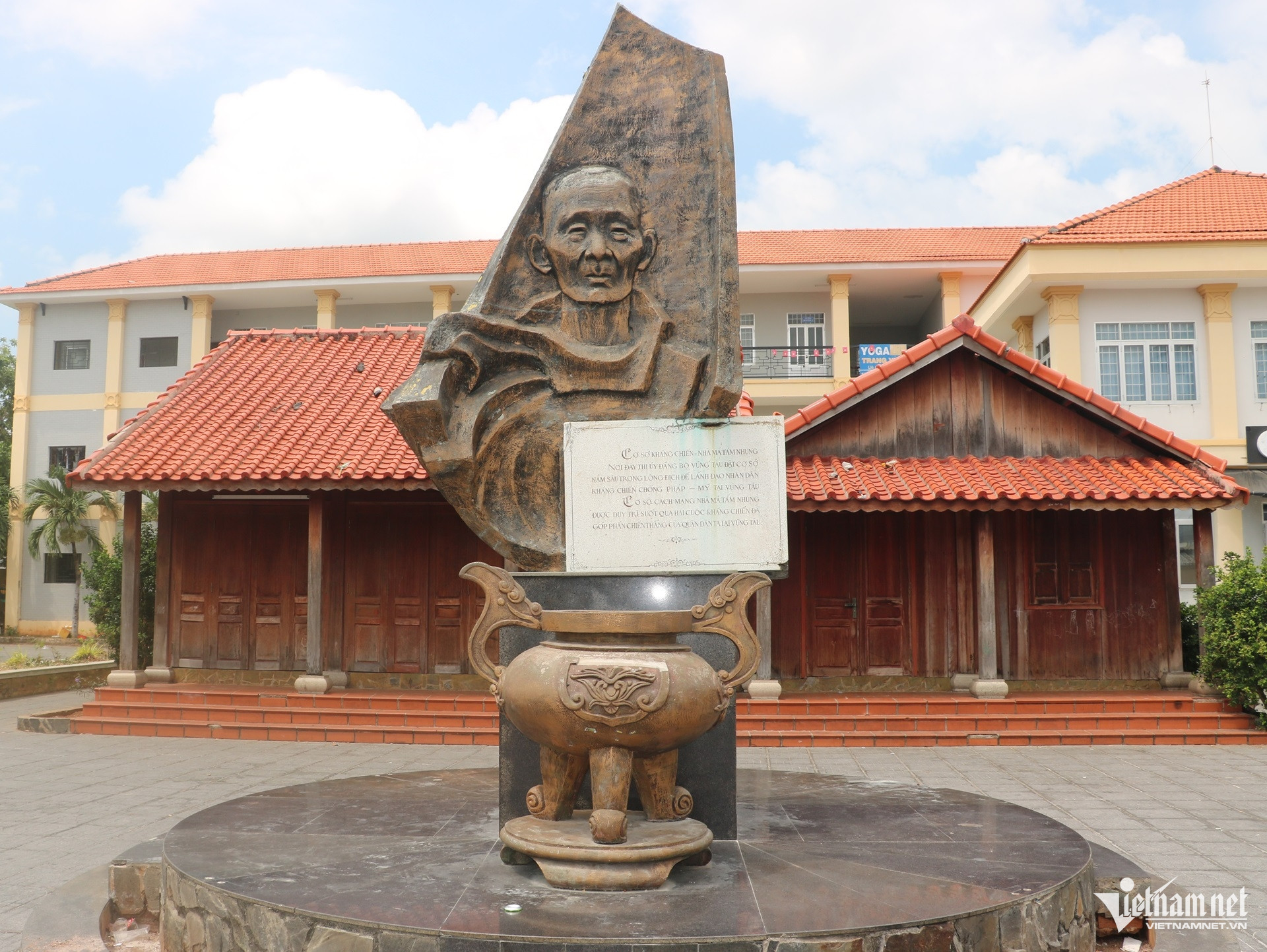
Today, it is recognized as a national historical and cultural relic.
The house was located at No. 42/11 Tran Phu Street, old Thang Nhi Ward, Vung Tau City, and is now No. 1 Tran Xuan Do Street, Vung Tau Ward, HCM City.
According to the Vung Tau Ward Public Service Supply Center, Ma Tam Nhung’s house was built around 1941–1942. At that time, it was only a small house, modestly nestled amidst a lush orchard cleared and established by Tam Nhung and her husband.
Ma Tam Nhung, whose real name was Ho Thi Khuyen, was born in 1905 in Tien Giang Province (now Dong Thap Province). She was affectionately called “Ma Tam Nhung,” taking her husband’s name, Nguyen Van Nhung.
Nguyen Van Nhung was a patriotic man who became politically aware early on and held deep resentment toward the French colonialists and the class of landlords and oppressive local bullies.
From a simple rural home, the site later became a place marking important historical events.
Throughout the resistance wars against French colonialists and American imperialists, the house served as a secret base that sheltered revolutionary cadres operating within urban areas under the Vung Tau Party Committee. The safety of the site was closely tied to her courage, steadfastness, and especially her ingenuity. For her contributions, she was awarded the First-Class Resistance Medal and posthumously honored with the title “Vietnamese Heroic Mother.”
The special highlight of the house is the secret bunker built in June 1967. The bunker was disguised as a rainwater storage tank, about 2m long and 1.8m wide.
The structure was divided into two parts: the upper part was a real water tank with a gutter to lead water as usual; the lower part was a bunker space used for hiding. The entrance to the bunker was located behind the bedroom, next to a wooden bed.
The hatch was cleverly designed with a panel 40cm wide and 80cm long for disguise; just a light push could open it, enough for one person to quickly climb down and then close it tight. Outside, a small wooden cupboard for dishes was placed to deceive strangers.
Thanks to the sophisticated design, the bunker "outsmarted" the enemy’s strict searches many times. During the construction process, the family was once suspected, but Ma Tam Nhung calmly explained that making the water tank was to serve daily life and avoid the hardship of carrying water. That composure and cleverness helped keep the secret entirely.
From 1968 until the liberation of Vung Tau, the bunker became a safe haven for many City Party Committee officials. In emergency situations, officials could quickly hide, monitoring the movements above to wait for opportunities for activity.
Visitors to the historical relic now can see statues of two Republic of Vietnam police officers in white trousers, white shirts, and white Kepi hats, recreating the tense atmosphere of wartime; thereby highlighting the intelligence and bravery of Ma Tam Nhung.
The house has now been restored almost to its original state with early 20th-century folk architecture including: three main bays, two auxiliary bays; tiled roofs, and red brick floors; in the back, there is a water well and a garden. Inside, many artifacts associated with the daily life and revolutionary activities of the family are still preserved, such as the altar, cupboards, dishes, and water poles.
In 1989, Ma Tam Nhung’s house was recognized as a national-level historical relic. In 2015, the project was renovated and embellished, becoming a typical traditional education address in Vung Tau.
Ngo Thi Yen (Ma Tam Nhung’s granddaughter), the person in charge of preserving the relic, told VietNamNet that the house is currently restored almost to its original state, from the architecture to the daily items associated with the family’s life.
“The house still preserves many of Ma Tam Nhung’s keepsakes such as cupboards, tables and chairs, dishes, and water poles. These are all items associated with daily life and the previous revolutionary activities,” Yen shared.
According to her, tourists visiting the relic now mainly come to learn about history, see the secret bunker with their own eyes, and listen to stories about a period of revolutionary activity that was full of hardship but resilient.
Quang Hung
.svg)
