 Vietnamnet.vn

 Podcast



Looking at Vietnam’s total trade turnover of US$930 billion in 2025, experts believe the country’s extensive growth model has reached its limits. Merchandise trade must now transition from “growing fast” to “growing strong and sustainably.”
Flexible adaptation drives record trade
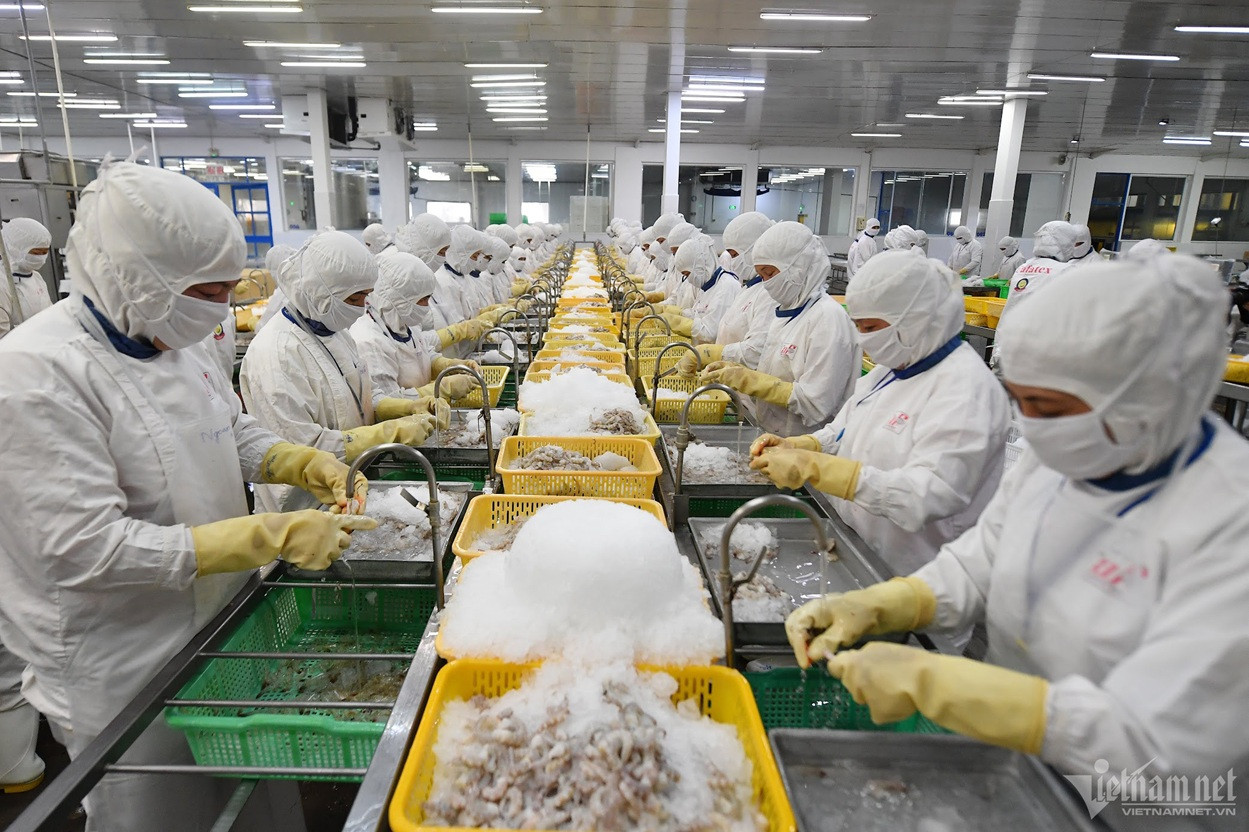
By the end of 2025, Vietnam’s total export-import turnover reached a historic US$930 billion, despite sluggish global growth, fragmented international trade and increasingly dense technical barriers.
Exports exceeded US$475 billion, surging 17 percent compared to 2024, while imports reached US$455 billion, up 19.4 percent. However, the trade surplus narrowed to US$20.05 billion in 2025, down from US$24.77 billion the previous year.
These results placed Vietnam among the world’s top 25 trading economies.
Nguyen Bich Lam, former Director General of the General Statistics Office, now the Statistics Department under the Ministry of Finance, emphasized that the US$930 billion milestone stands out amid continued geopolitical conflicts, rising protectionism and prolonged monetary tightening globally.
The figure reflects Vietnam’s ability to sustain export momentum, effectively utilize free trade agreements and adapt flexibly to external volatility. The record turnover was not driven solely by traditional industries.
In 2025, deeper structural highlights emerged, particularly in agriculture and fisheries, which generated US$48.56 billion in export value and maintained double-digit growth.
According to Lam, the structure of agricultural and seafood exports is shifting from raw shipments toward deeper processing, gradually raising value added. Domestic enterprises have improved their capacity to meet high market standards, from traceability to quality control and emission management.
These sectors also retain higher domestic value and depend less on imported inputs compared to many processing and manufacturing industries. As such, agriculture and fisheries are not only bright spots in export turnover, but also signals of potential for a higher-quality growth model anchored more firmly in domestic value creation.
A growth model reaching its limit
Alongside the US$930 billion record, Lam pointed to a steady decline in the trade surplus. In 2023, total trade reached over US$681 billion with a surplus of US$28.3 billion. In 2024, turnover rose to US$786.3 billion but the surplus fell to US$24.77 billion. By 2025, although total trade surged to US$930 billion, the surplus narrowed to just above US$20 billion.
This indicates that while international trade has expanded rapidly in scale, the net value retained to contribute to economic growth has increased more slowly, even declining. The turnover record, therefore, does not fully reflect the intrinsic health or efficiency of Vietnam’s external trade.
“The record in scale is only a milestone, not the ultimate destination of an export-led growth strategy,” Lam cautioned.
One key reason for the shrinking surplus over the past two years, especially in 2025, is that enterprises accelerated imports of raw materials and components to hedge against reciprocal tariffs and exchange rate volatility.
In the short term, this is a rational and flexible response. Structurally, however, it highlights the heavy dependence of export production, particularly in processing and manufacturing, on imported inputs. Stronger imports help maintain output momentum but expose a fundamental vulnerability in Vietnam’s trade structure.
Notably, the domestic economic sector continues to post persistent trade deficits, while surpluses originate mainly from the FDI sector. This suggests that although Vietnam’s trade has grown rapidly in size, its endogenous foundation remains insufficiently robust to balance trade sustainably between domestic and foreign-invested enterprises.
The 2025 trade picture also shows that a model based on expanding scale, leveraging low labor costs and focusing on assembly and processing is approaching its ceiling. Room for extensive growth is narrowing, while compliance costs tied to green standards, traceability and international regulations continue to rise.
Continuing to chase turnover records at all costs could deepen the risk of being locked into low-value segments of global value chains, Lam warned.
From “growing fast” to “growing strong and sustainable”
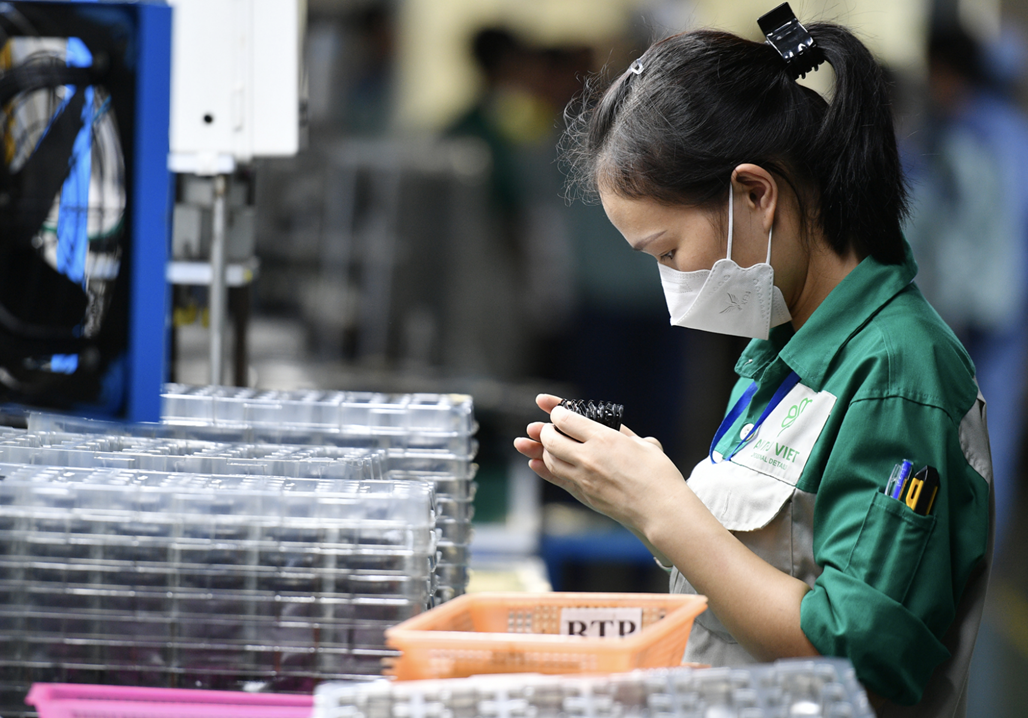
Given these realities, Lam argued that export-import records should no longer serve as the primary performance benchmark for 2026-2030. Instead, trade policy must focus on raising domestic value-added ratios, enhancing the role of private domestic enterprises and developing industries capable of retaining higher value while reducing reliance on imported inputs.
The Government, he suggested, should articulate clear strategic messages to guide the restructuring of international trade, aligning it more closely with socio-economic development goals and reinforcing the economy’s long-term growth foundation.
In the new decade, trade growth must be assessed by quality, value retention capacity and the resilience of the goods trade balance, rather than sheer turnover size.
Export-import strategy should shift from rapid expansion toward improved quality. As the extensive model reaches its limit, authorities must steer the transition toward growth driven by productivity, technology and domestic value.
Developing the domestic economic sector into a pillar of exports, while transforming agricultural and fisheries strengths into strategic drivers, is essential.
Reducing dependence on imported inputs must become central to trade policy. Strengthening supporting industries and domestic supply chains is not merely a production issue, but a core requirement for improving the quality of trade growth.
For 2026-2030, trade objectives should pivot toward enhancing value accumulation capacity, ensuring sustainable balance and upgrading Vietnam’s position within global value chains, replacing the mindset of chasing ever-larger records.
“Only when merchandise trade moves from ‘growing fast’ to ‘growing strong and sustainable’ will record figures truly become a foundation for growth in the 2026-2030 period and beyond,” Nguyen Bich Lam reiterated.
Tam An
.svg)
