 Vietnamnet.vn

 Podcast



Just 15 kilometers from central Hanoi, Tay Mo Village in Tay Mo Ward sits alongside rows of modern apartment towers and office buildings. Yet despite rapid urbanization, the village has retained the charm of a traditional northern Vietnamese countryside, offering visitors a nostalgic glimpse into the past.
Historic homes become film sets
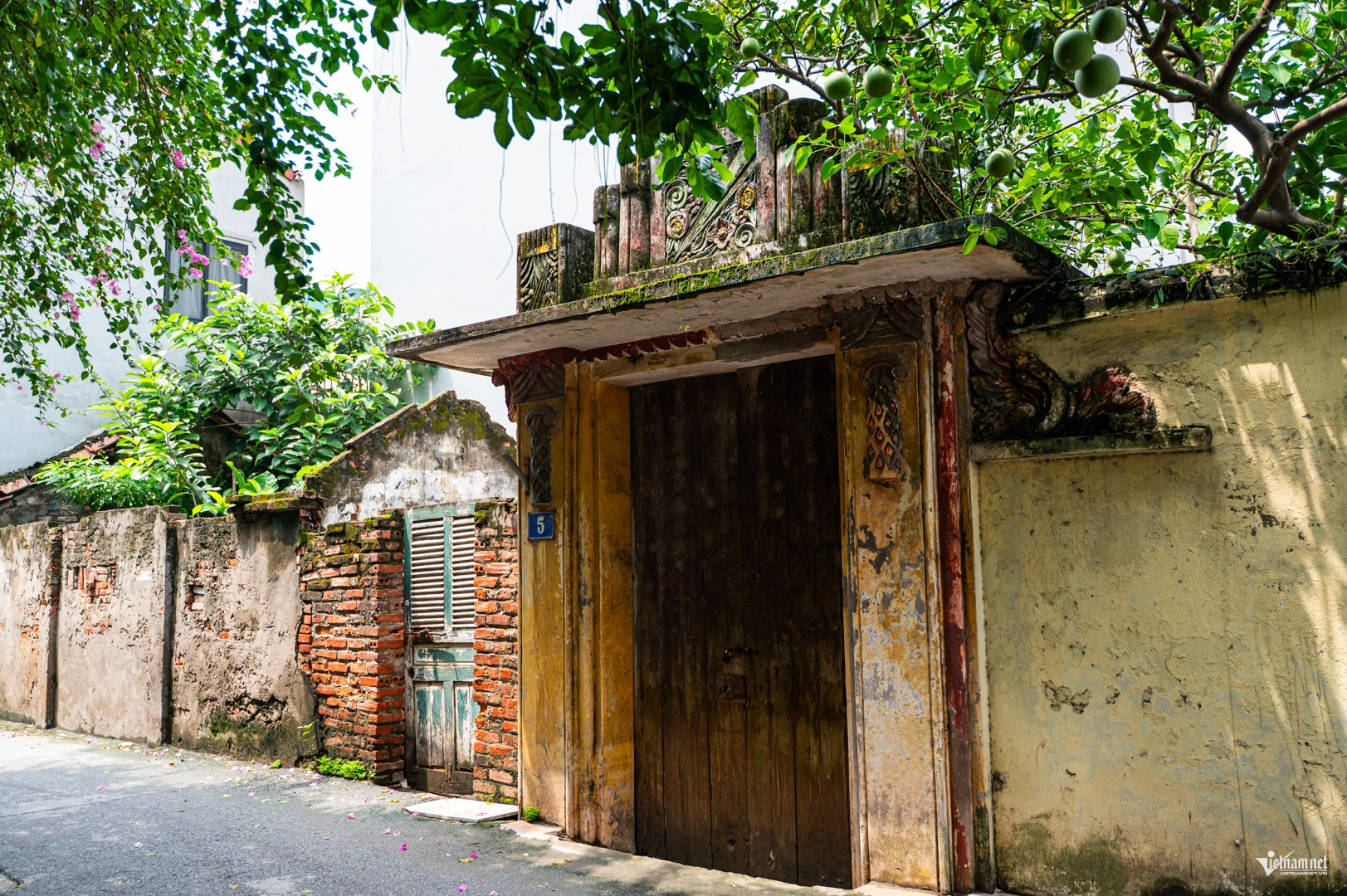
For generations, Tay Mo and neighboring Dai Mo have been celebrated in Vietnamese sayings that praise their long-standing traditions of scholarship and culture in the ancient capital of Thang Long.
Today, however, urban development is gradually replacing many of Tay Mo's traditional five-bay wooden houses with villas and multi-story homes.
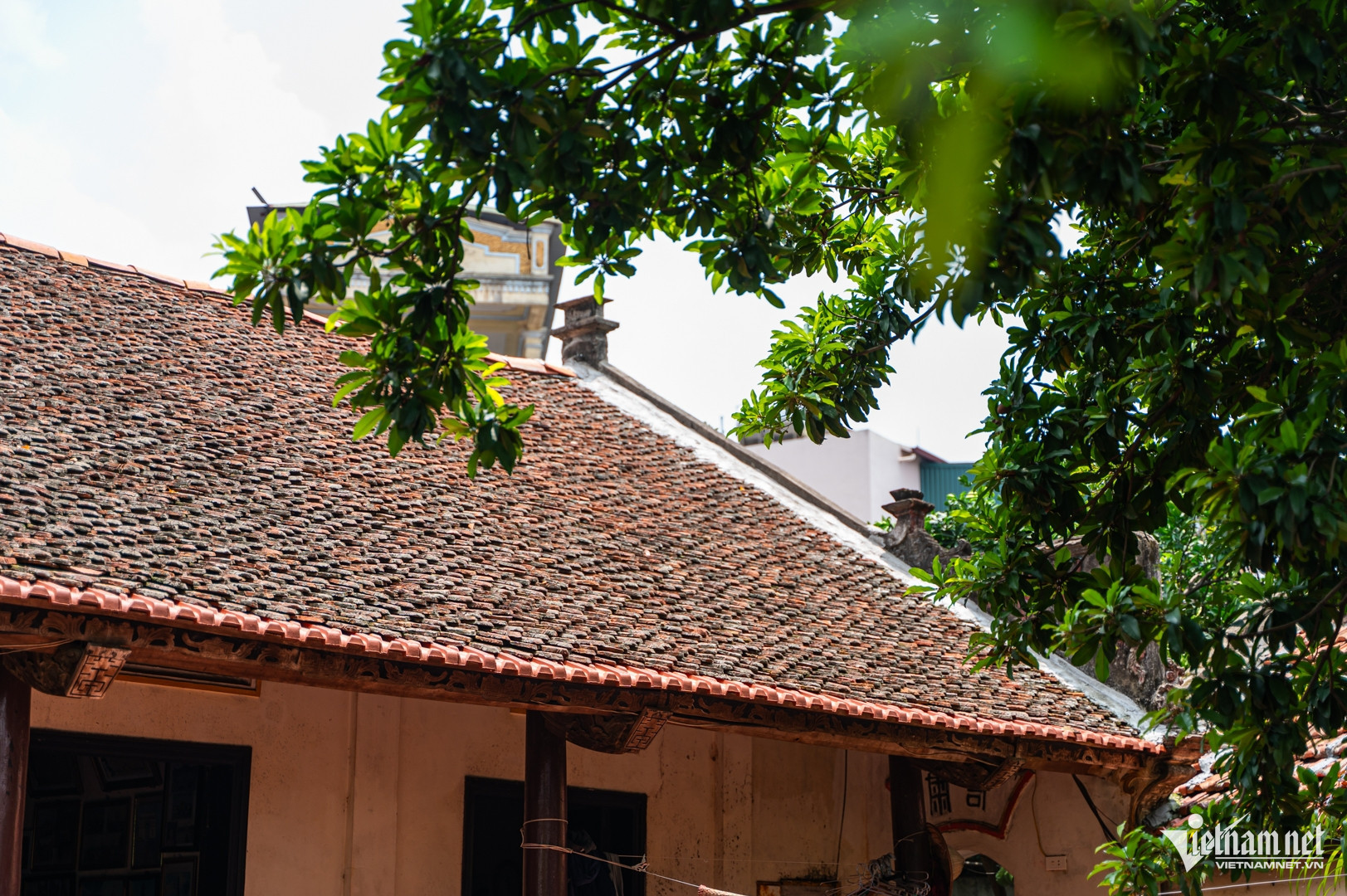
Even so, visitors strolling through the village can still discover narrow alleyways, weathered entrance gates, terracotta-tiled roofs and traditional wooden houses surrounded by lush gardens filled with fruit trees.
The village also preserves its ancient communal house, pagoda and temple, while a bustling local market remains the heart of daily life, where residents sell homegrown produce and homemade goods each morning and late afternoon.
This peaceful setting has made Tay Mo a favorite filming location for numerous Vietnamese television dramas and feature films, including Bac Ca – Nguoi Sung Suong (The Fortunate Elder Brother), Dat va Nguoi (Land and People), Gio Lang Kinh, Ma Lang (Ghost Village) and Loi Nguyen Huyet Ngai (Blood Curse). Over the past two decades, the village has earned the affectionate nicknames "Hollywood Mo" and "Mo Film Studio."
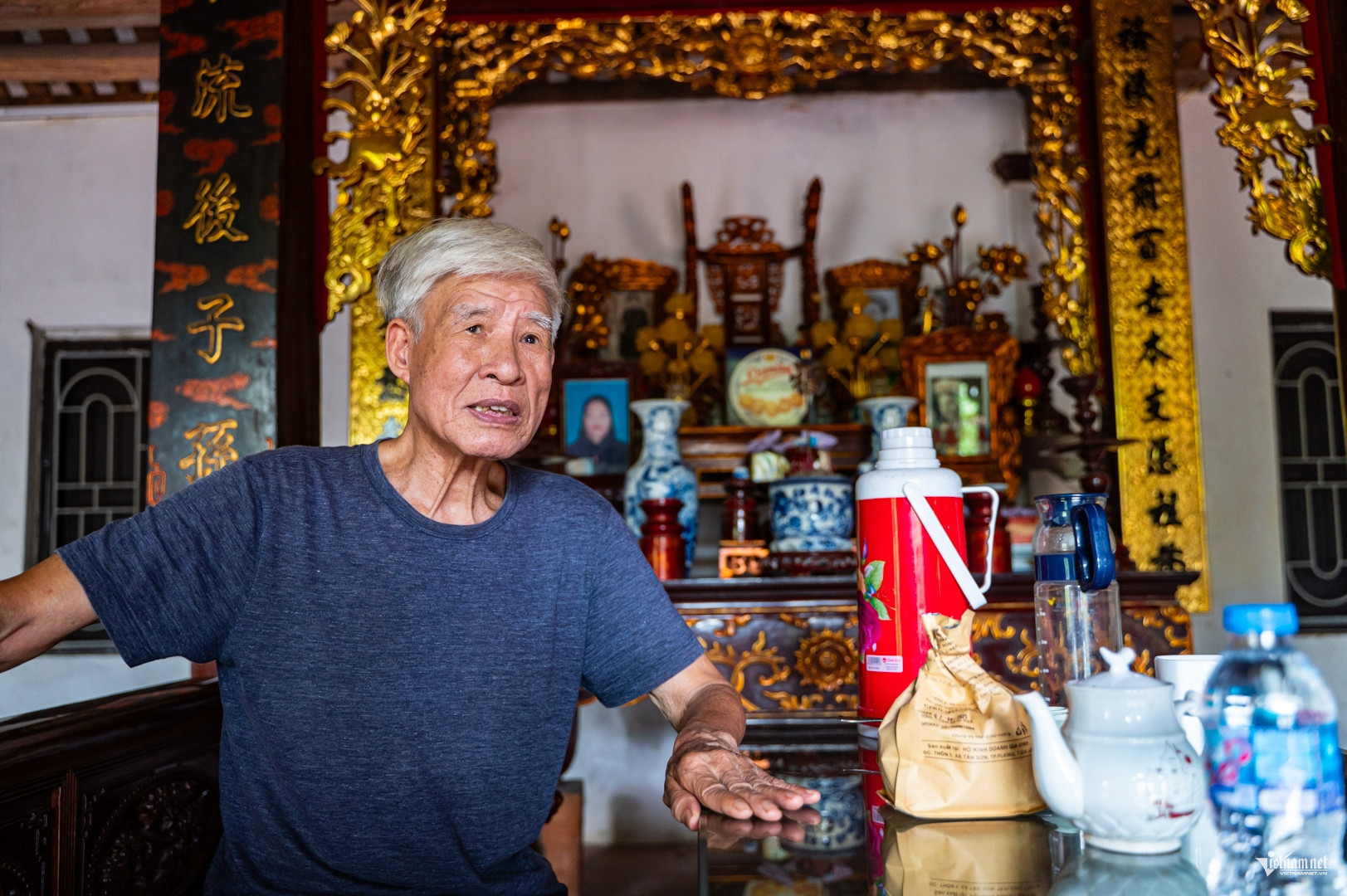
"For us villagers, seeing famous actors, directors and film crews has become completely normal," said Hoang Thi Yen, nearly 80, a longtime resident of Tay Mo. "We often joke that we see movie stars more often than we see them on television."
Yen looks after the Nghiem Xuan family ancestral house, a nearly 200-year-old residence that has welcomed film crews from across Vietnam since 2000.
Built in the traditional architecture of northern Vietnam, the ancestral house features three main bays, with a central worship space flanked by two symmetrical rooms.
The house still preserves stone steles bearing classical Chinese inscriptions, lacquered horizontal panels, mother-of-pearl inlaid parallel sentences and its original terracotta-tiled roof. A spacious brick courtyard shaded by flowers and fruit trees completes the historic setting.
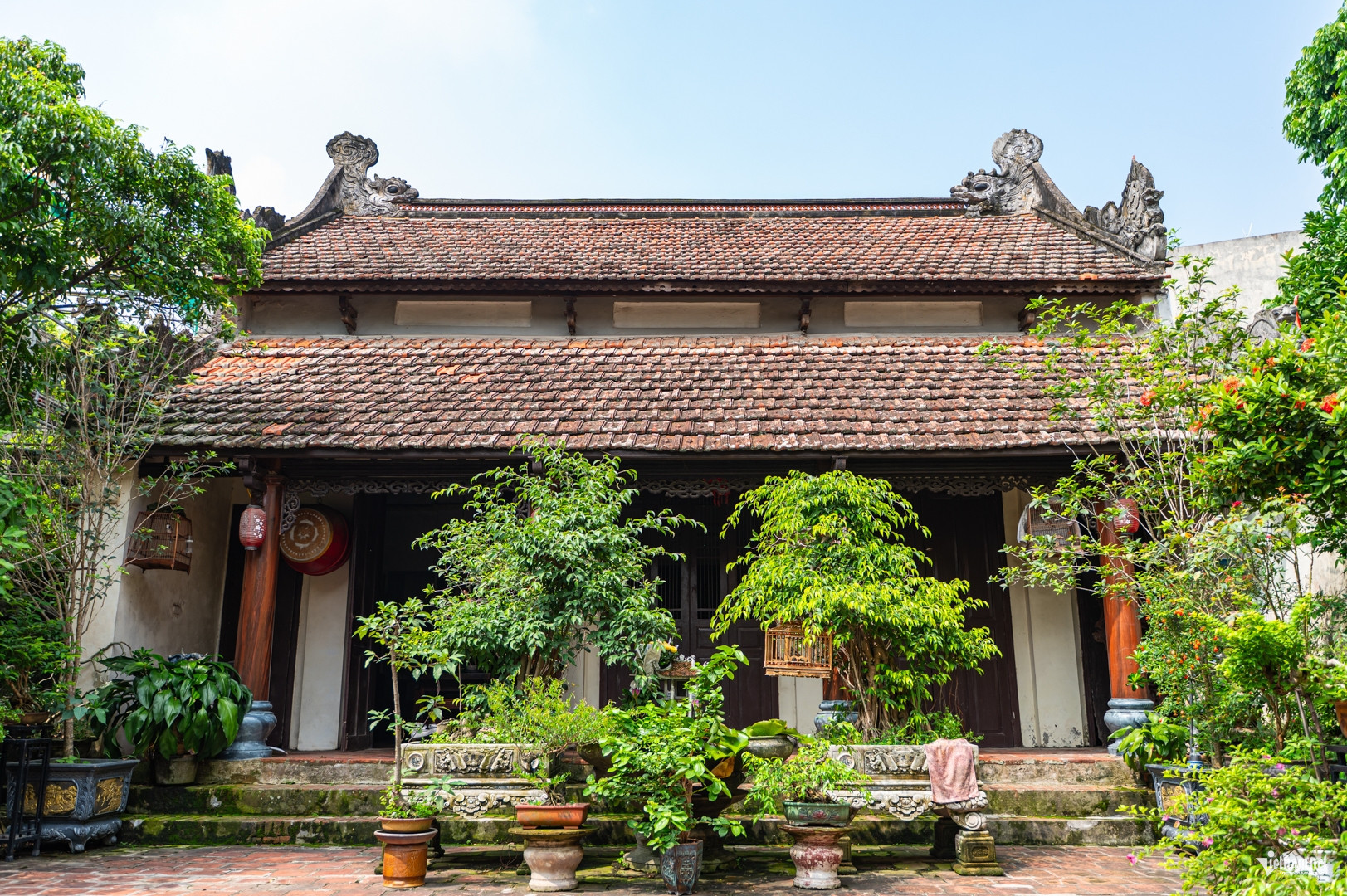
The first production filmed here was director Tran Luc's Bac Ca – Nguoi Sung Suong. It was followed by numerous well-known television dramas and films, including Ma Lang, Khi Dan Chim Tro Ve, Dam Cuoi Gia To Nhat Lang, Dat va Nguoi, Gio Lang Kinh and the feature film Loi Nguyen Huyet Ngai.
Most recently, the property served as the home of teacher Thang, portrayed by People's Artist Trung Anh, in the television drama Dong Ho Dem Nguoc (Countdown).
"For more than 20 years, my family has hosted hundreds of film crews making movies, television dramas, Lunar New Year comedy specials and the weekly comedy show Gap Nhau Cuoi Tuan," Yen said. "Some productions, like Loi Nguyen Huyet Ngai, filmed here for an entire month. I and several women in the village cooked meals for the crews, so we became very close. Some actors and directors still come back to visit us."
In recent years, the ancestral house has also become a popular stop for international visitors. Guests enjoy learning about the family's history, admiring the traditional architecture and sharing home-cooked Vietnamese meals featuring braised fish, braised pork, crab soup and pickled eggplant.
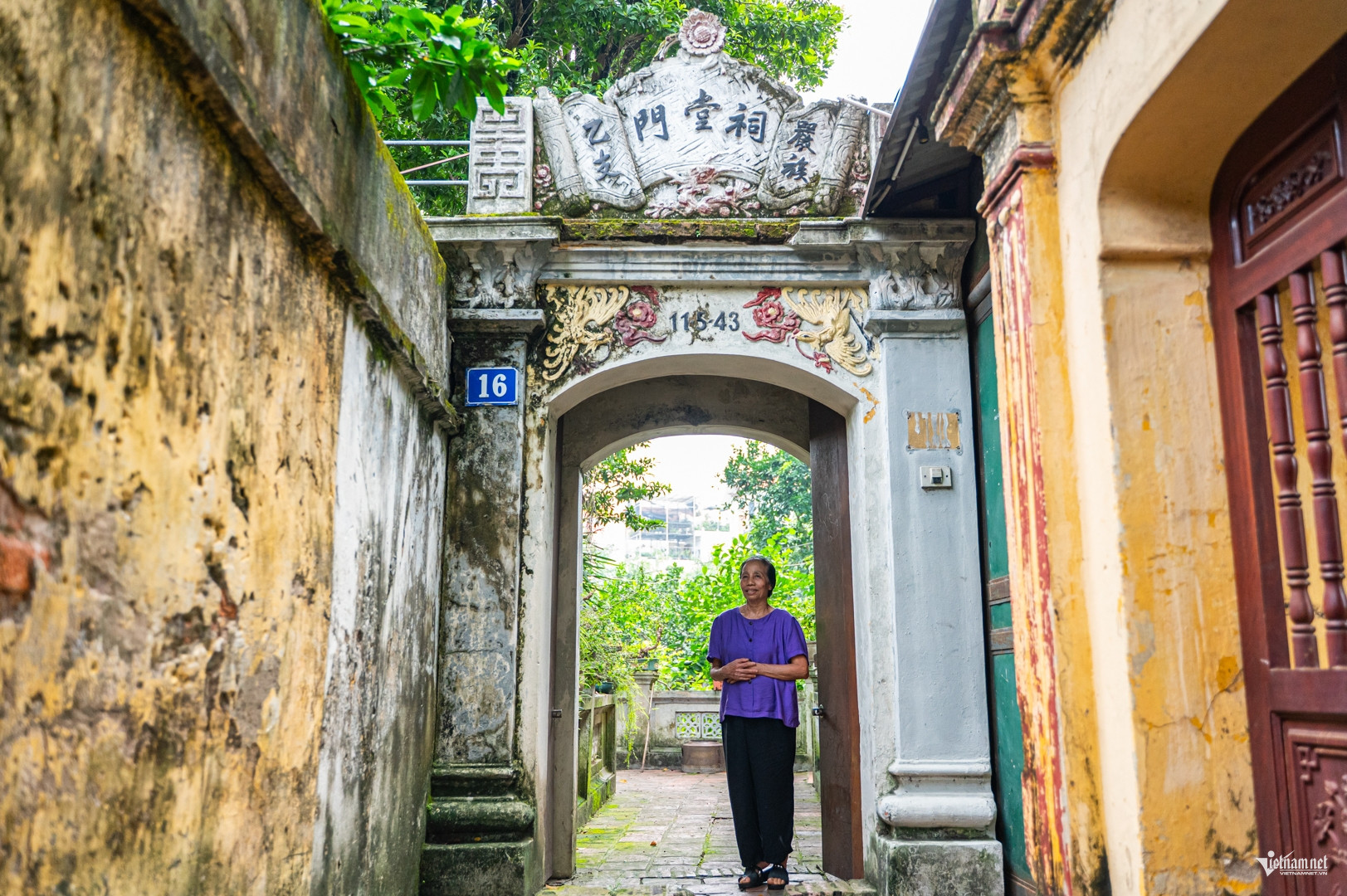
Another frequently used filming location is the historic home of Tran Dang Ninh, 82, which has appeared in productions including Tinh Khuc Bach Duong and Cong Truong Thoi Mo Cua.
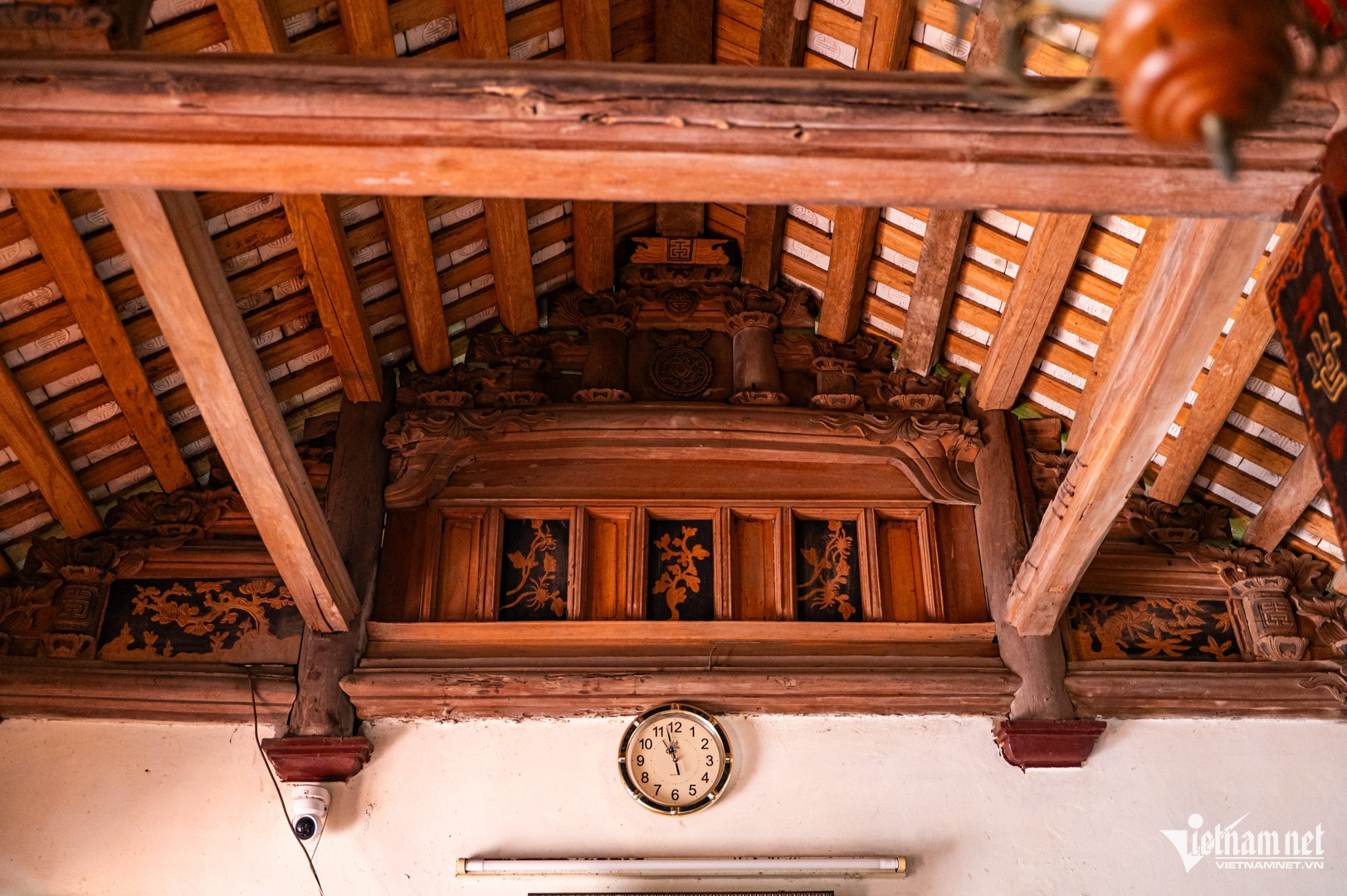
Built in 1937, the house follows the traditional five-bay, two-wing layout. The three central bays serve as reception and ancestral worship spaces, while many of its original chinaberry wood columns and beams remain remarkably well preserved.
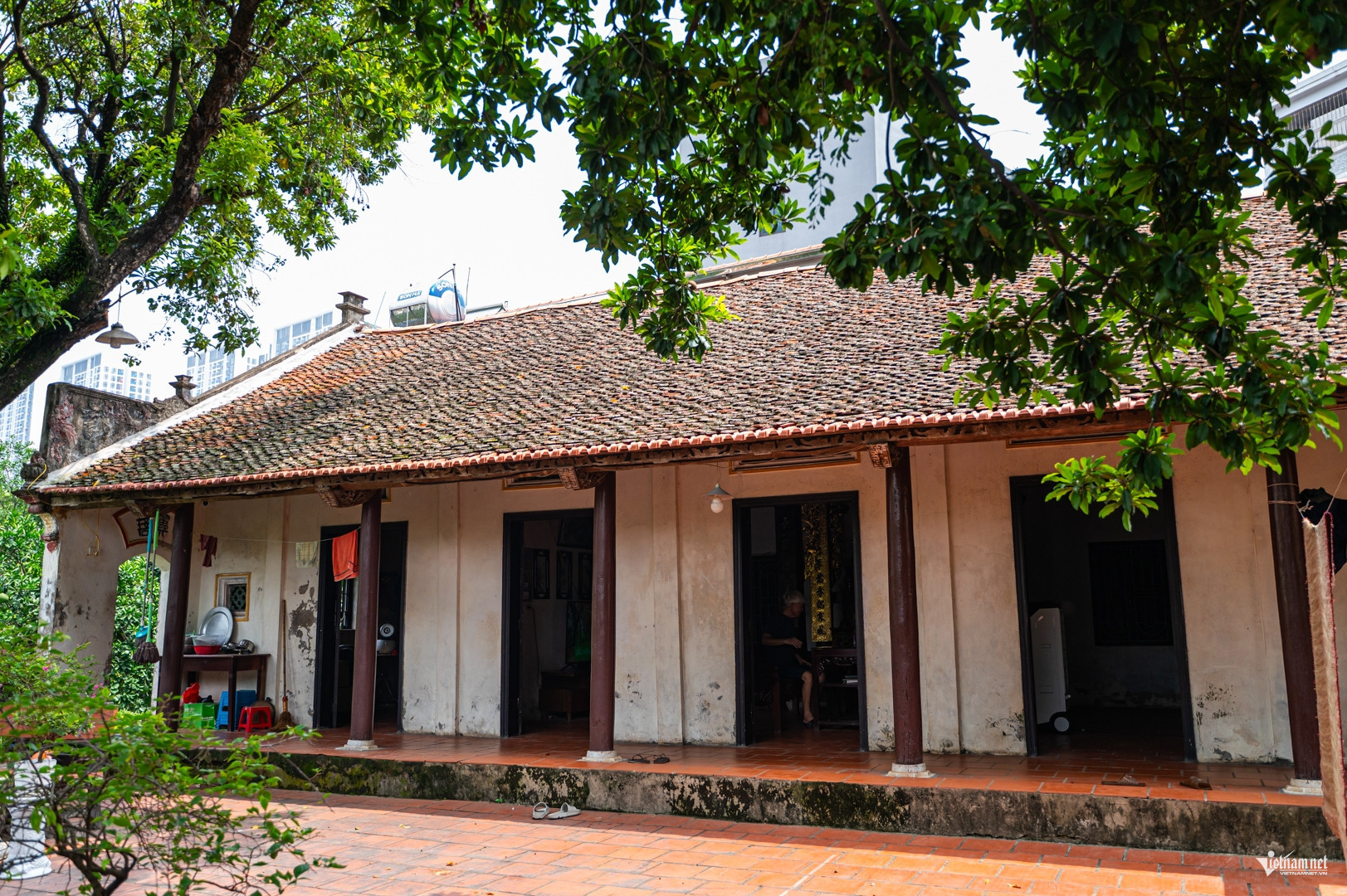
In front of the house stand two approximately 60-year-old sapodilla trees that provide welcome shade and abundant fruit. Beyond them stretches a garden with around 50 Dien pomelo trees, creating the lush landscape typical of northern Vietnamese villages.
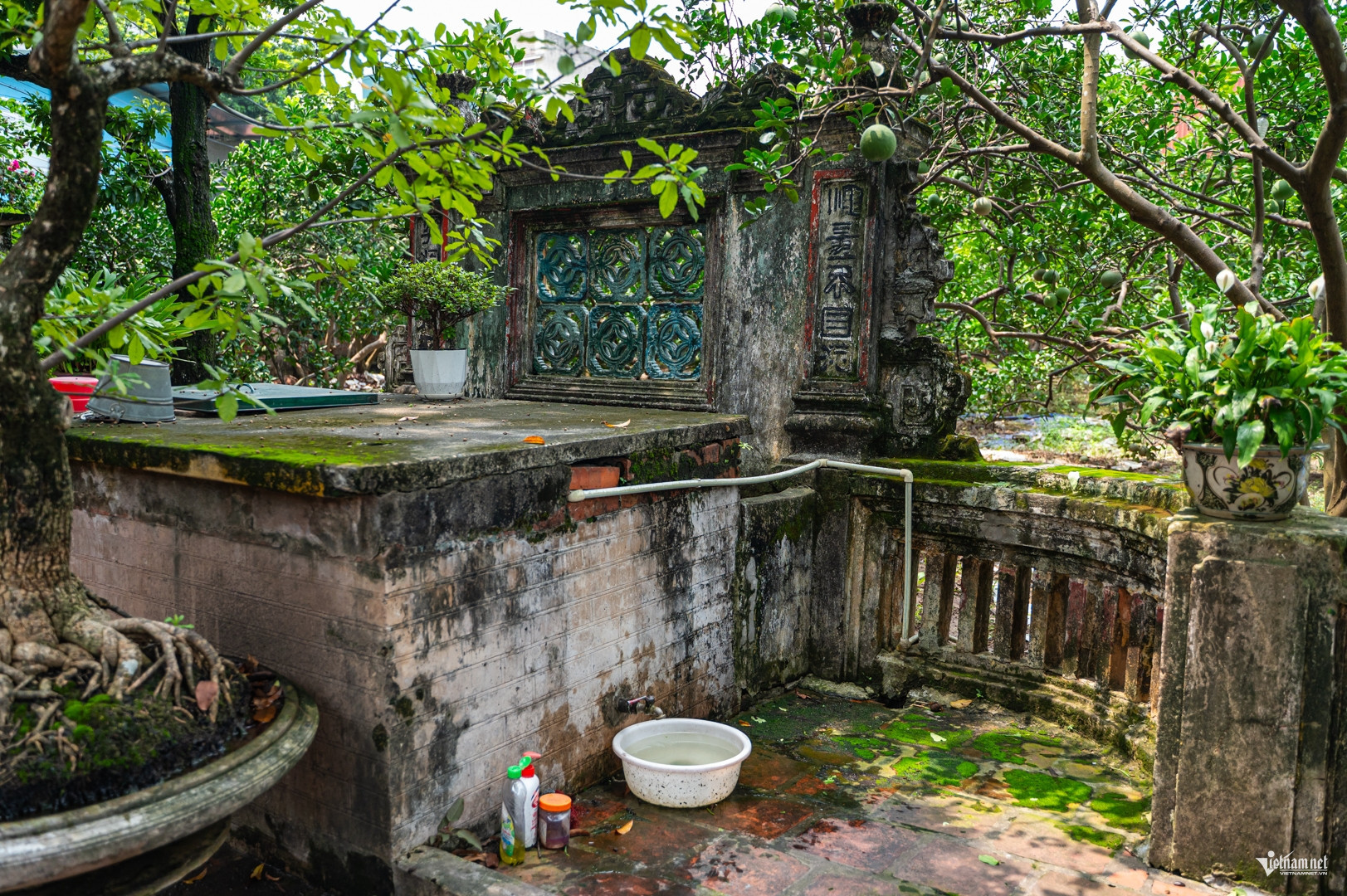
For Ninh, the green garden, moss-covered ancient well and nearly century-old house are far more than a residence.
"They are our family's heritage, preserved for future generations," he said. "By welcoming film crews, I hope these beautiful images of the house will continue to live on."
The beauty of a village within the city
Tay Mo's tranquil atmosphere continues to attract visitors, architecture enthusiasts and photographers.
A short walk beyond the village gate stands Tay Mo Communal House, originally built in the 17th century. It preserves a royal decree issued during the reign of Emperor Le Canh Hung, along with 12 imperial edicts dating from the Later Le Dynasty to the reign of Emperor Khai Dinh of the Nguyen Dynasty.
Located on elevated ground at the center of the village, the communal house occupies a site traditionally believed to resemble a carp transforming into a dragon - a symbol of prosperity and success. According to local belief, the village enjoys favorable weather and abundant harvests under the protection of the Dragon King.
Its wooden architectural framework is richly decorated with carvings of the Four Sacred Creatures and the Four Noble Plants, reflecting artistic styles from the early 19th and early 20th centuries.
The courtyard has also appeared in numerous episodes of the popular Vietnamese year-end comedy program Gap Nhau Cuoi Nam (Year-End Gathering).
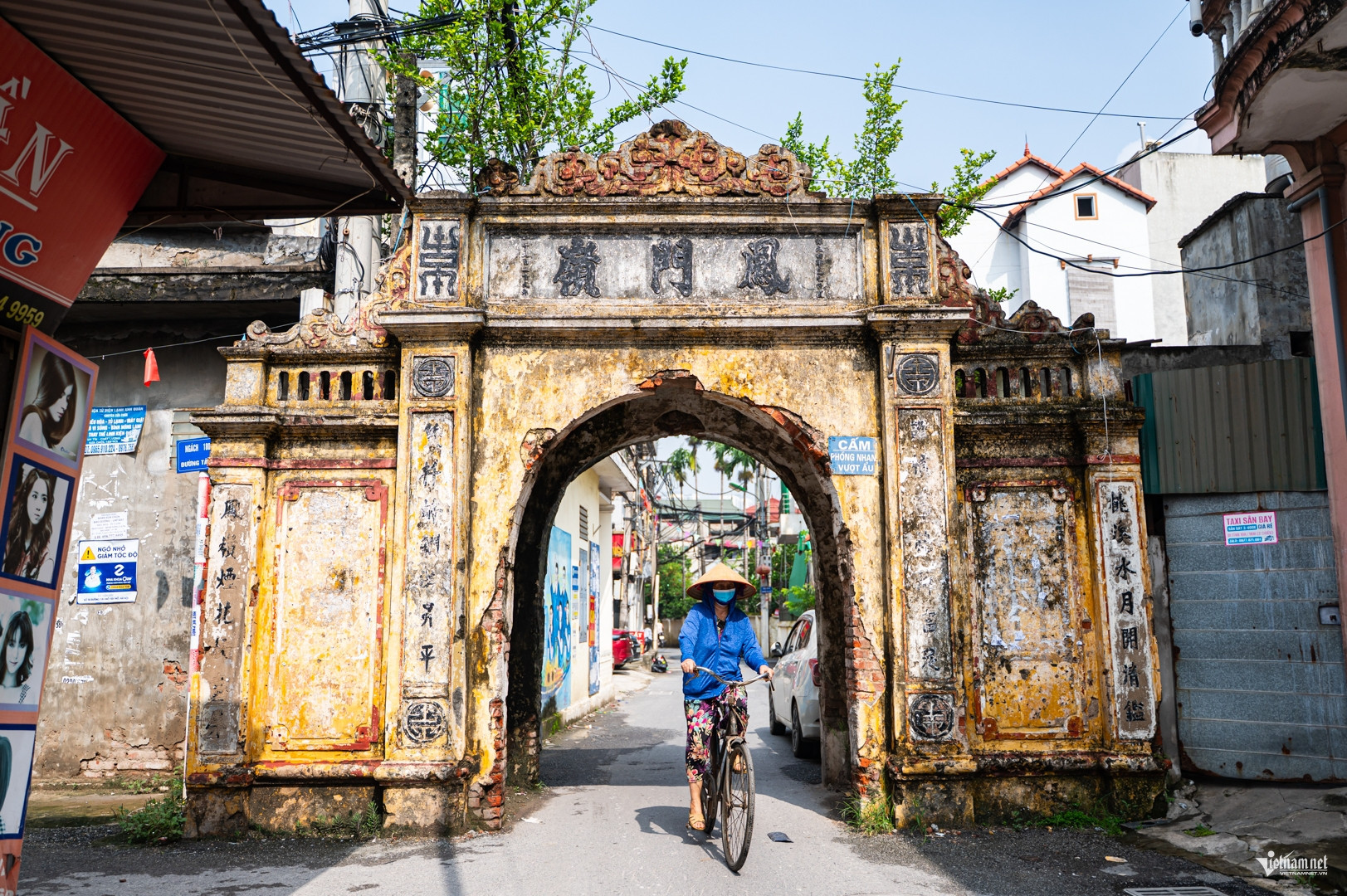
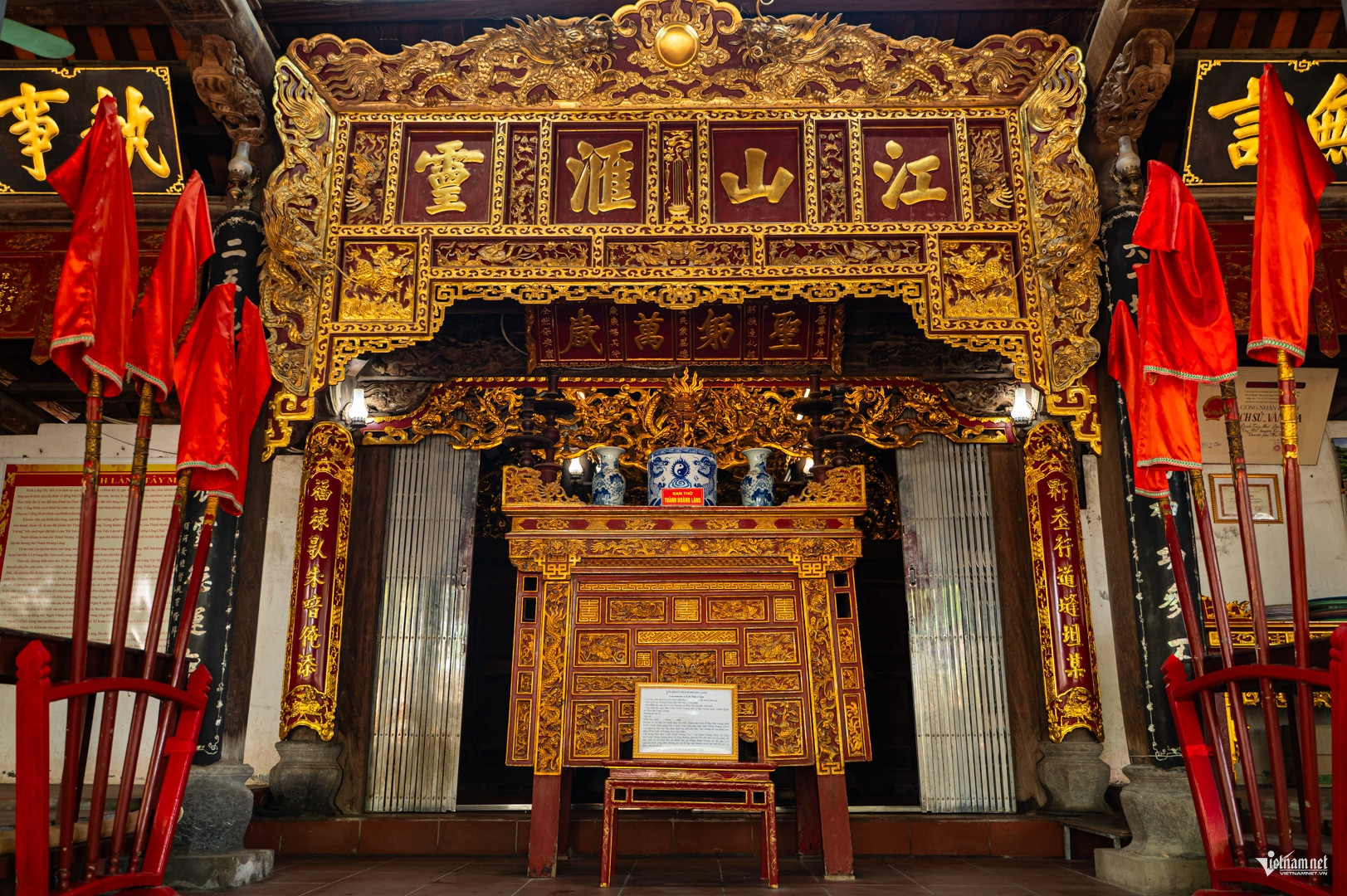
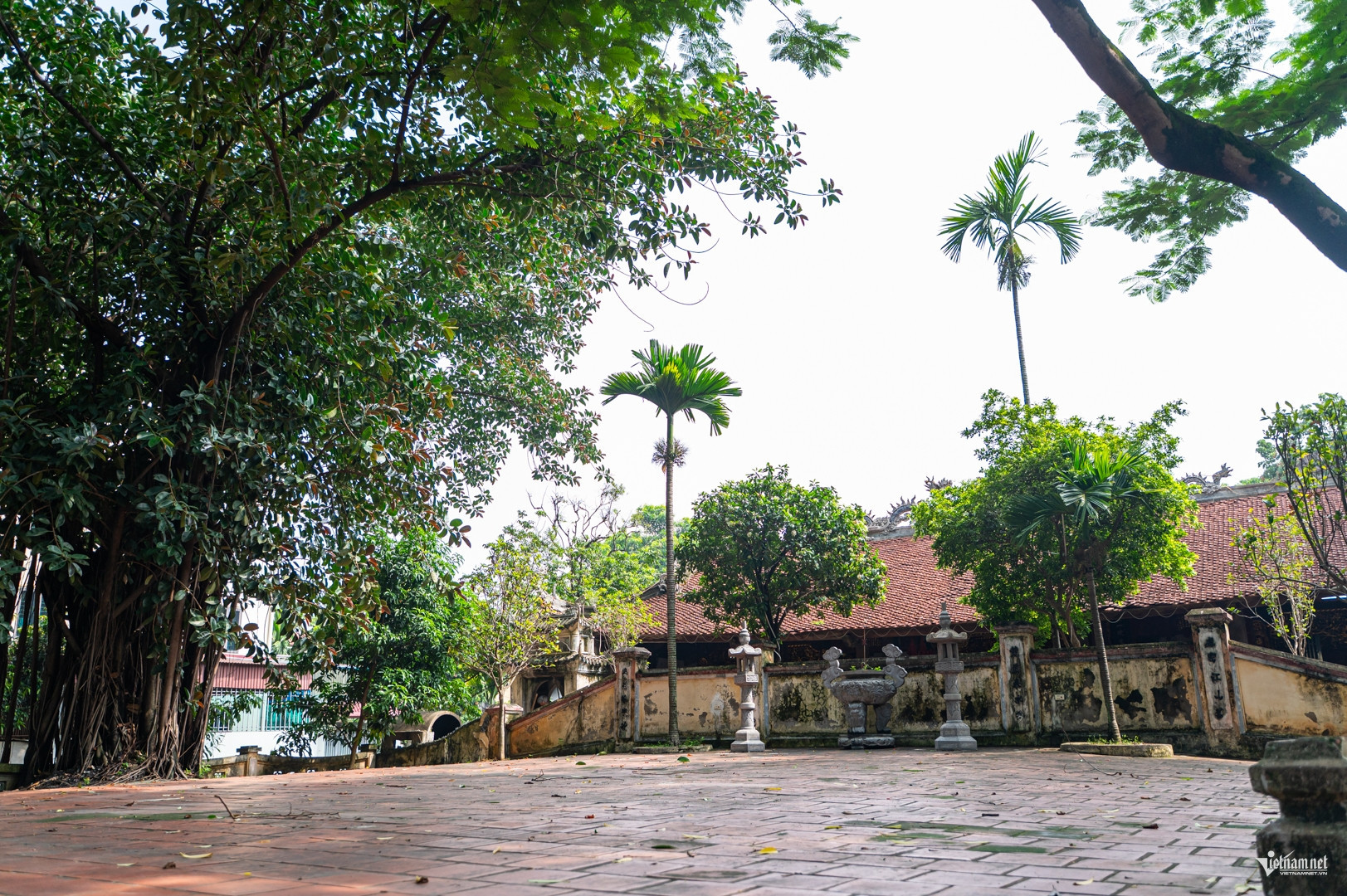
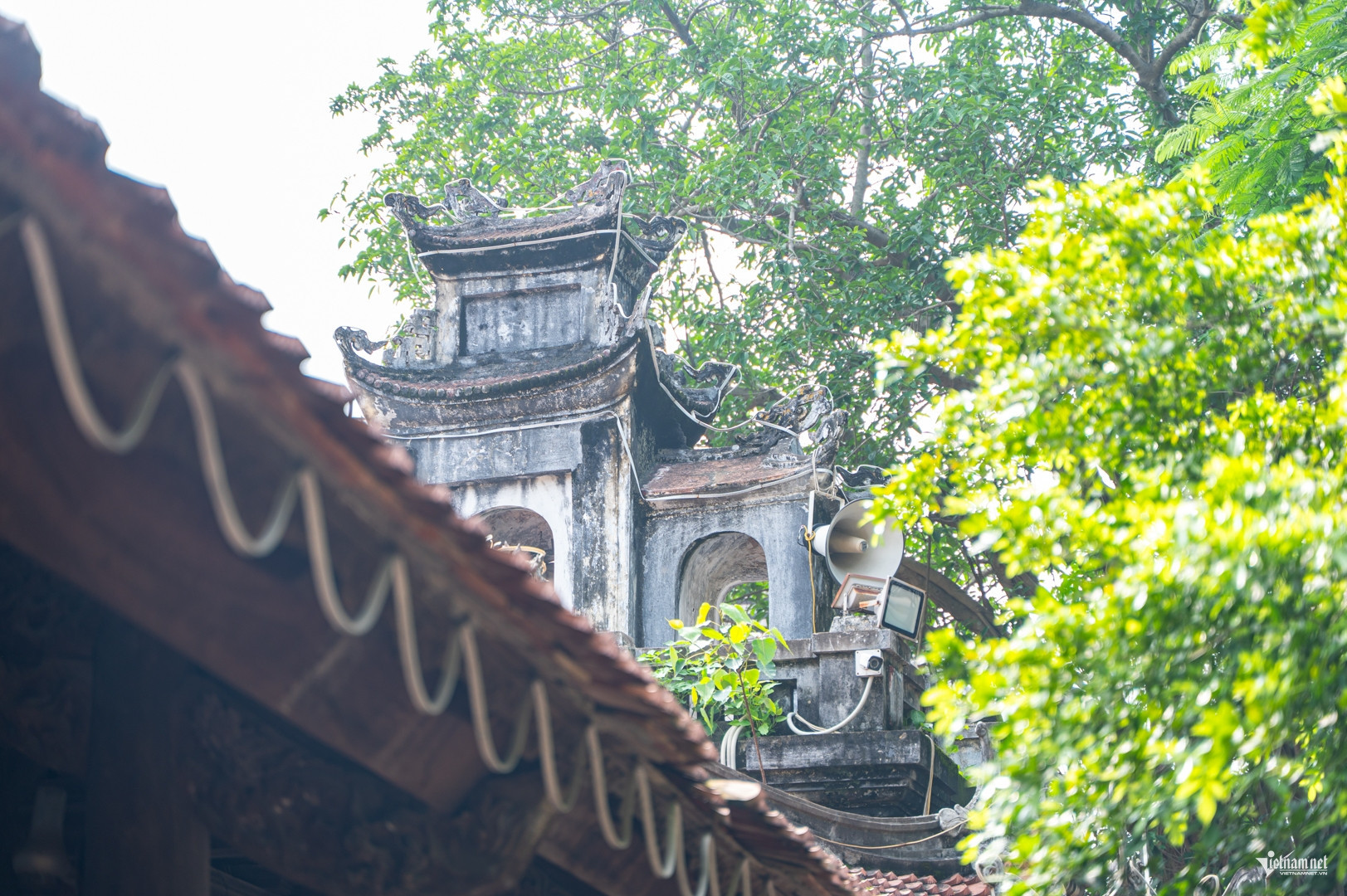
On the western edge of the village stands Am Temple, dedicated to Prince Phuc Vuong Tranh, the sixth son of Emperor Le Thanh Tong, according to local legend. Both Tay Mo Communal House and Am Temple were recognized as National Architectural and Artistic Relics in 1992.
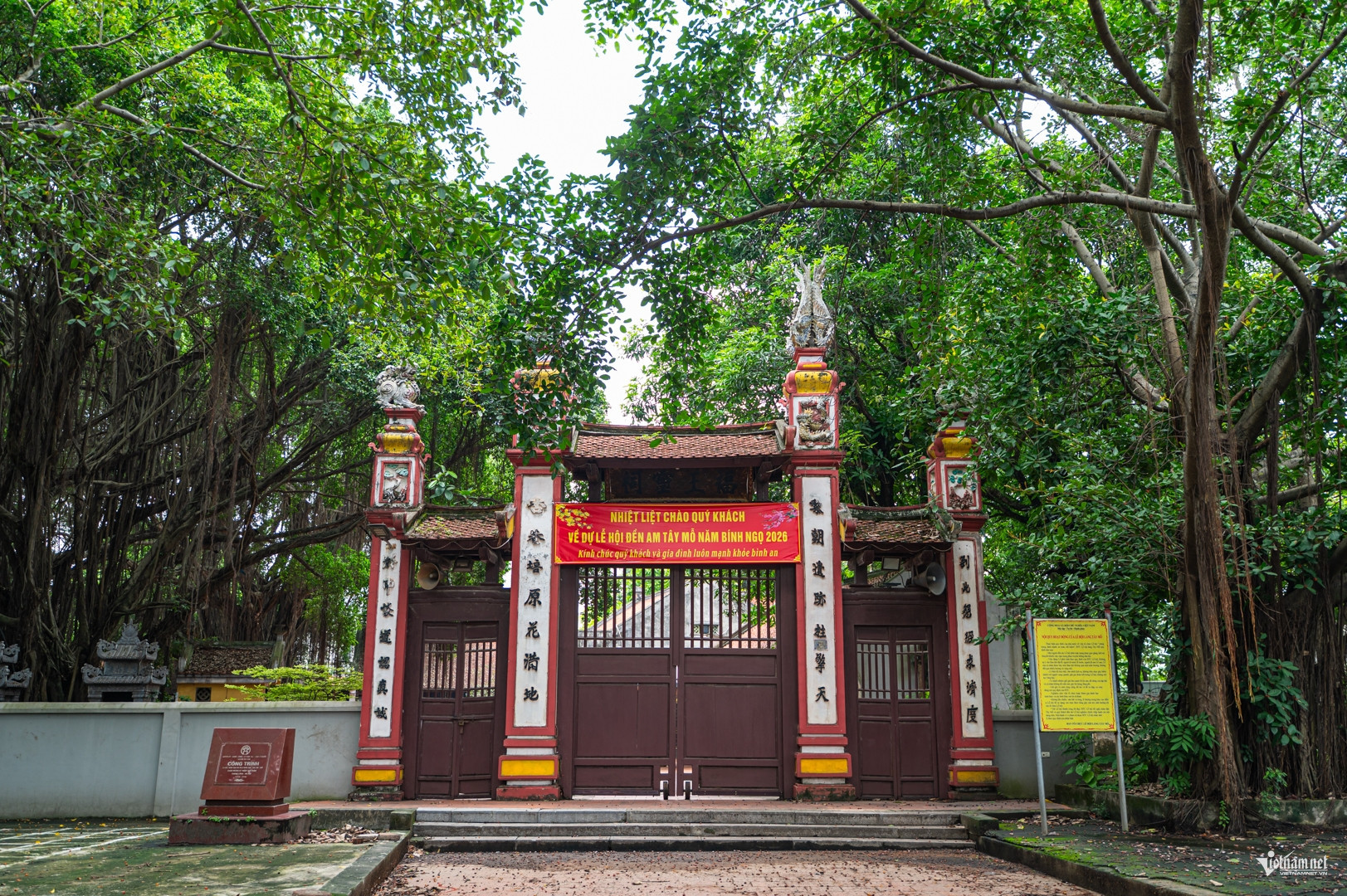
Despite being only a short drive from Hanoi's bustling urban center, Tay Mo offers visitors a rare opportunity to experience the atmosphere of an old northern Vietnamese village while exploring its rich cultural heritage. Its welcoming residents remain proud to share both their traditions and the village's remarkable cinematic legacy.
Linh Trang - Nguyen Huy
.svg)
