 Vietnamnet.vn

 Podcast



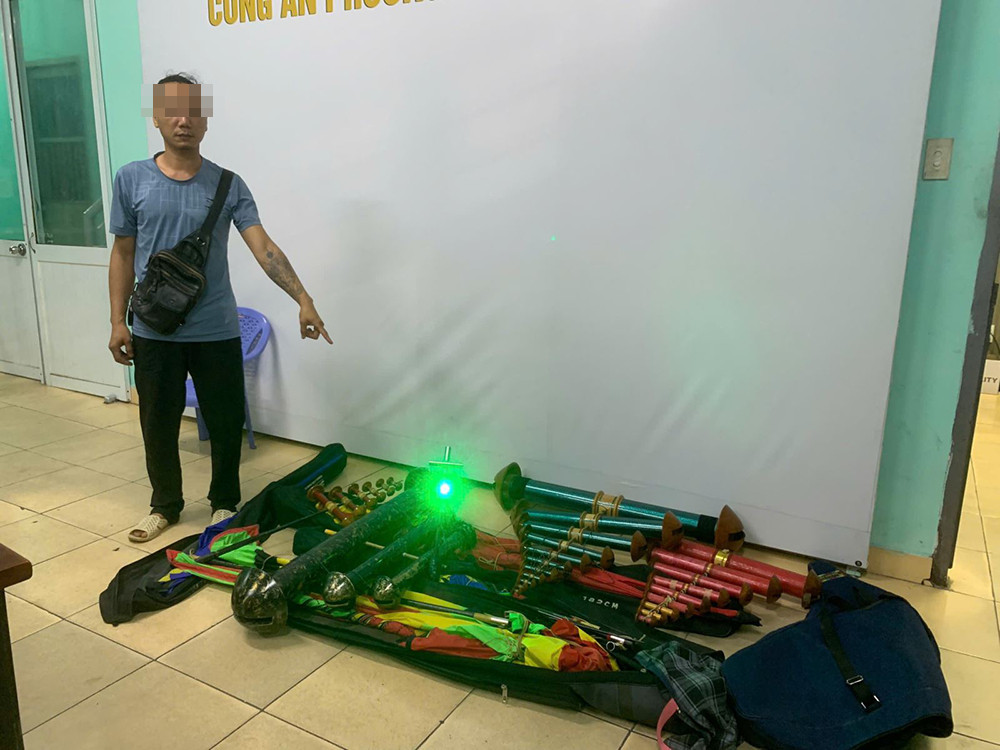
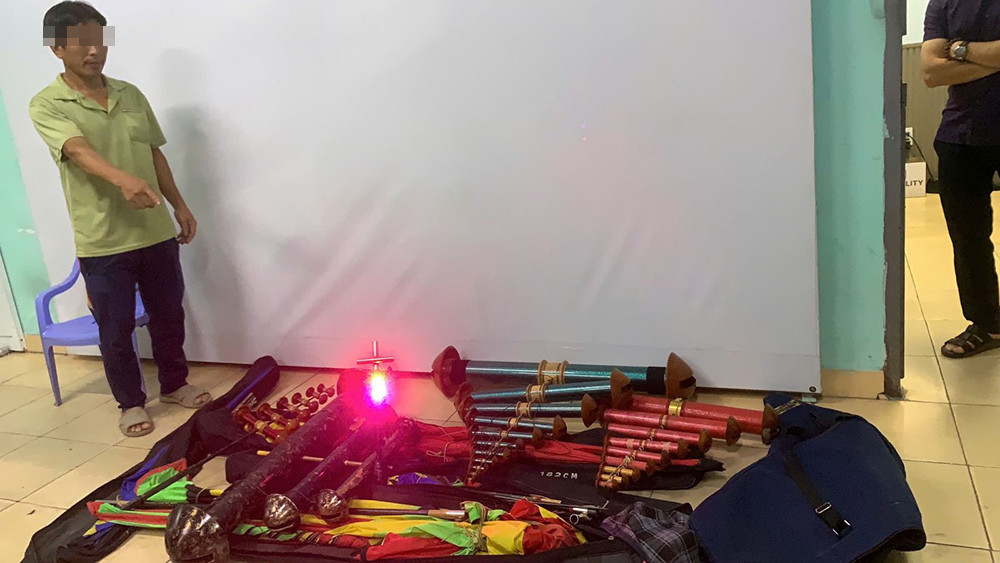
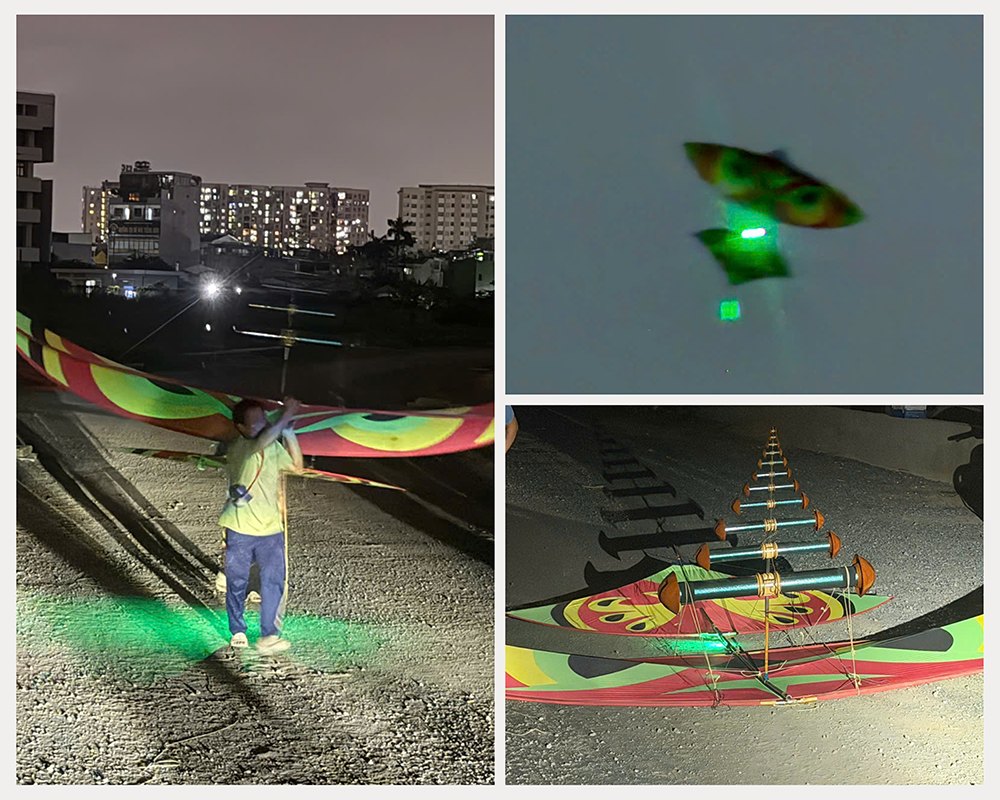
The incident came just two days after Tan Son Nhat experienced another disruption linked to unauthorized flying objects.
On the evening of August 11, the airport was forced to suspend operations twice because of unauthorized UAV activity. Reports from the incidents indicated that dozens of flights were affected.
The repeated disruptions highlight growing concerns over drones and other flying objects entering restricted airspace around Vietnamese airports.
According to the Immigration Department under the Ministry of Public Security, improper UAV use, particularly around airports and airfields, poses a direct risk to aviation security and safety as well as public order.
Official statistics show that Vietnam recorded 34 cases of UAVs entering prohibited areas at airports in Hanoi, Thanh Hoa, Binh Dinh and Ho Chi Minh City in 2025. Another 17 incidents were recorded in Hanoi, Hai Phong, Da Nang, Khanh Hoa and Ho Chi Minh City during the first six months of 2026.
When a UAV or unidentified flying object appears in a takeoff, landing or approach area, air traffic authorities may have to immediately suspend departures, stop accepting arriving aircraft, place flights in holding patterns or divert them to other airports.
Such measures can have consequences far beyond the initial disruption, affecting airlines, passengers and the wider aviation service chain.
Vietnam Airlines estimated that UAV-related incidents between February 17 and 24, 2026 alone caused losses of about VND5.6 billion (US$213,000) and affected around 9,200 passengers. At Da Nang International Airport, direct losses were estimated at more than VND10 billion (US$380,000), excluding indirect costs.
More seriously, a collision between a UAV and an aircraft during takeoff or landing could lead to a severe accident, putting hundreds of passengers and crew members at risk.
UAV registration does not mean permission to fly
Vietnamese authorities have stressed that registering a UAV does not automatically give its owner permission to operate it.
Owners must register their aircraft, obtain the required flight authorization and operate only within the location, time, altitude and scope specified in the permit.
People who fly UAVs into prohibited or restricted areas around airports can face administrative penalties, confiscation of their equipment or suspension of flight activities.
Where an act obstructs air traffic or seriously threatens aviation safety, the operator may also face criminal prosecution for obstructing air traffic under Article 278 of Vietnam's Penal Code. The maximum prison sentence can reach 15 years, depending on the nature and consequences of the violation.
Under Clause 4 of Article 278, criminal liability may also arise even when particularly serious consequences have not occurred, provided the conduct posed a real possibility of causing such consequences had it not been stopped in time.
In such cases, penalties may include a fine of VND10-50 million (about US$380-US$1,900), non-custodial reform for up to two years, or imprisonment ranging from three months to two years.
In addition to the principal punishment, offenders may be prohibited from holding certain positions, practicing particular professions or performing specified work for between one and five years under Clause 5 of Article 278.
With violations showing signs of increasing, the Ministry of Public Security has stepped up public awareness efforts and the use of technical systems to detect, monitor, warn against and suppress unauthorized UAV activity. Police are also coordinating investigations and enforcement against violations.
Following the Tan Son Nhat kite incident, Ho Chi Minh City police urged residents to strictly comply with regulations governing UAV registration and operation and warned people not to fly drones or kites near airports, runways, approach paths or surrounding restricted areas.
Authorities said such activities can directly threaten flight safety, cause substantial economic losses and lead to serious legal consequences, including possible criminal liability.
Residents who spot kites, drones or other unusual flying objects near airports and surrounding areas are encouraged to immediately notify police, military authorities or airport management agencies so that potential risks can be addressed before they escalate.
Tuan Kiet - Tien Dung - Dam De
.svg)
