 Vietnamnet.vn

 Podcast



Moc Chau in October
Nearly 200km from central Hanoi, Moc Chau in Son La Province is one of northern Vietnam’s most appealing destinations in October.
This is when the plateau enters its orange and persimmon seasons, while the mild weather is well suited to short trips focused on nature, farm experiences and cloud hunting.
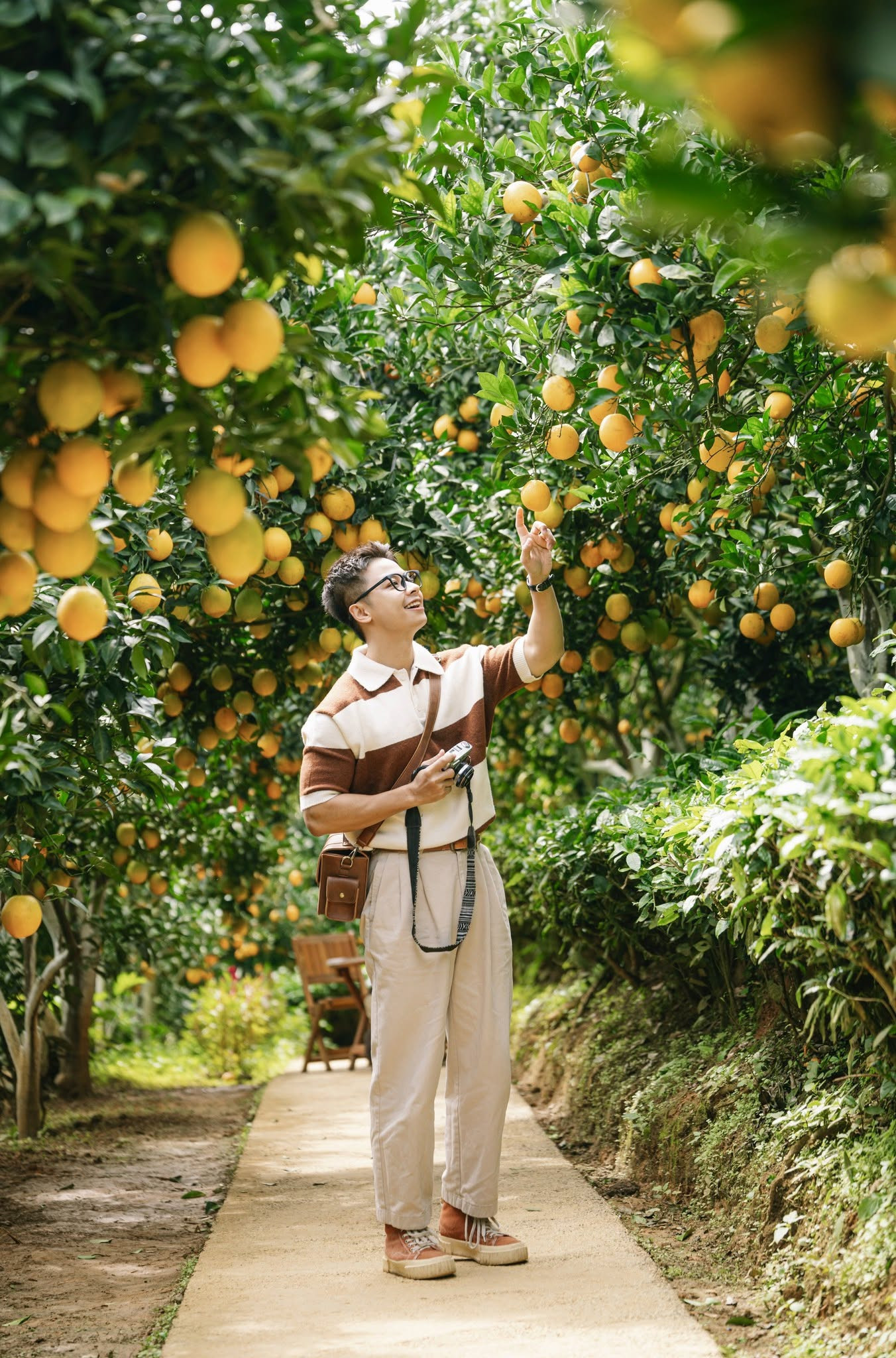
In October, orange orchards across Moc Chau begin to turn golden with ripening fruit, including a popular variety of navel orange. The fruit has thin, bright yellow skin, no seeds and an intensely sweet flavor.
Many orchards welcome visitors to explore, take photos and pick oranges themselves. Travelers who want to take fruit home can arrange purchases with orchard owners for around $2.30-$3.10 per kilogram, depending on size.
Persimmon orchards also come into season around the same time. Glossy golden fruit hanging heavily from the branches creates a colorful setting popular with photographers and visitors.
The crunchy persimmon season generally lasts from August through October, while astringent persimmons are harvested from October through the end of the year.
From Hanoi, travelers can leave at around 6 a.m. and arrive in Moc Chau around noon to check in.
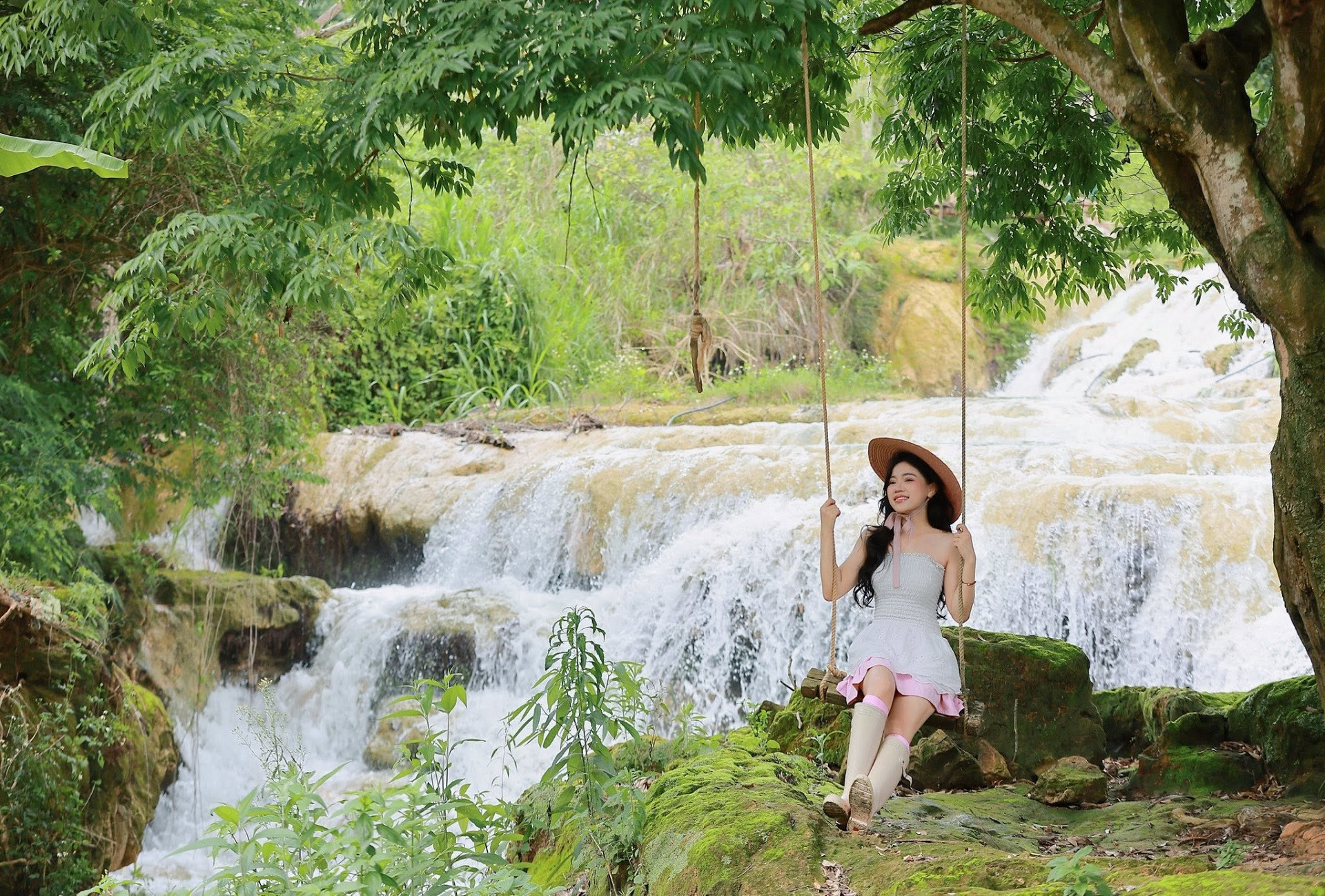
An afternoon itinerary can combine a visit to Dai Yem Waterfall with a trip to Vat Village. Here, a stream winds through green mountain forests. In October, abundant water keeps the stream flowing clear, creating a pleasant setting for sightseeing, camping or outdoor meals.
About 98% of Vat Village’s population belongs to the White Thai ethnic community, giving visitors an opportunity to learn about local life, customs and cultural traditions alongside the natural scenery.
The Ta Vang Hay stream consists of three springs flowing down to form Dai Yem Waterfall and has long been closely connected with the lives of people in Vat Village.
Travelers hoping to hunt for clouds can head to To Bo Peak.
Clouds can appear there throughout the year when conditions are favorable, particularly after a rainy night followed by a sunny morning, or when a cold air mass brings high humidity.

The former Ha Giang area in October
Villages around Lung Cu, Dong Van and Meo Vac in what was formerly Ha Giang Province, now part of Tuyen Quang Province, are popular destinations in October.
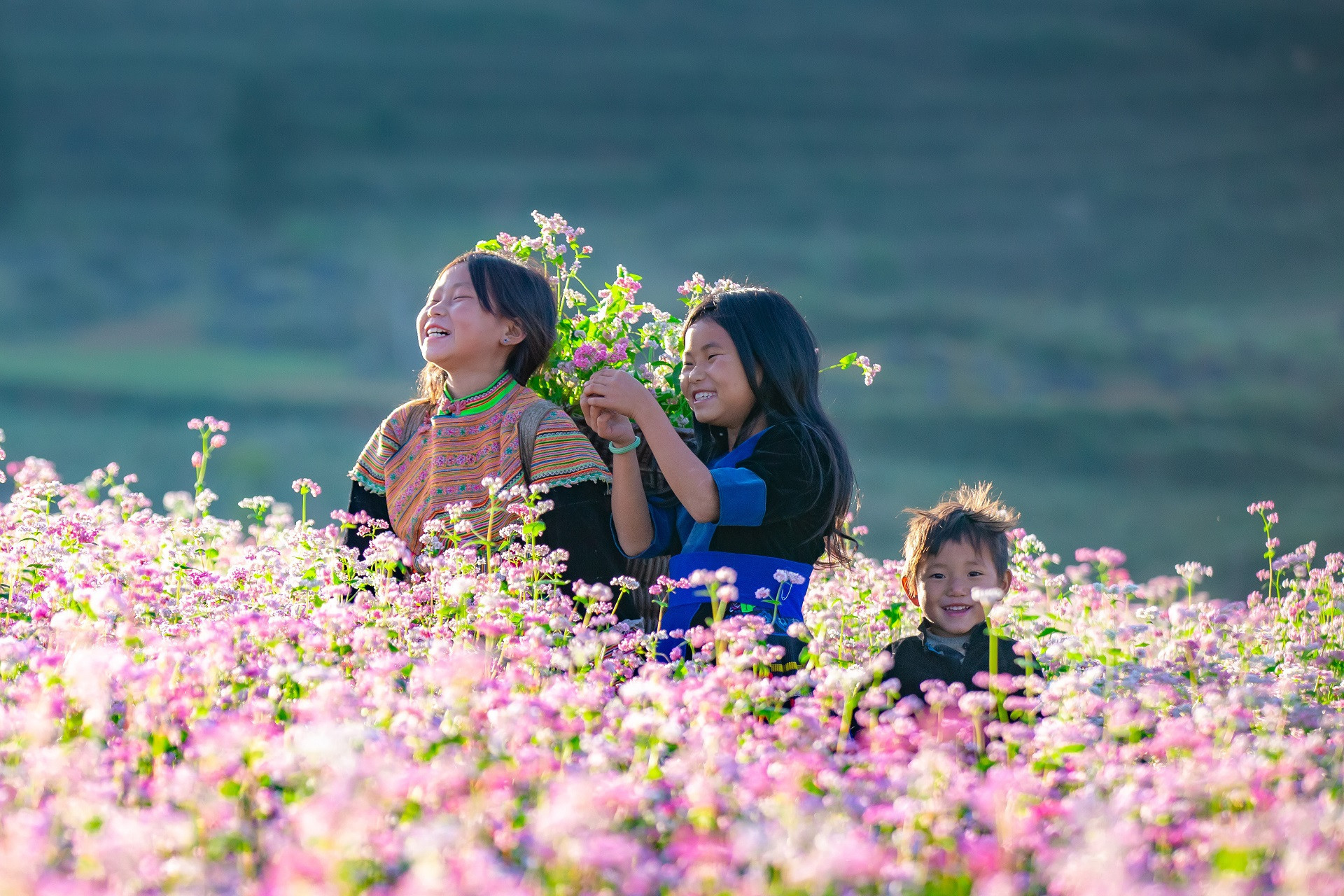
At this time of year, the rocky plateau typically enjoys cool, dry weather. Buckwheat flowers begin to bloom among brilliant yellow mustard fields set against the surrounding limestone mountains.
In early October, travelers may also catch the tail end of the rice harvest in Hoang Su Phi, Nam Hong and Ban Luoc, where terraced fields turn golden in one of northern Vietnam’s signature highland landscapes.
For travelers looking for more than sightseeing and photography, spending one or two nights in villages such as Lo Lo Chai, Lao Xa or Then Pa offers a closer look at the rhythms of local life.
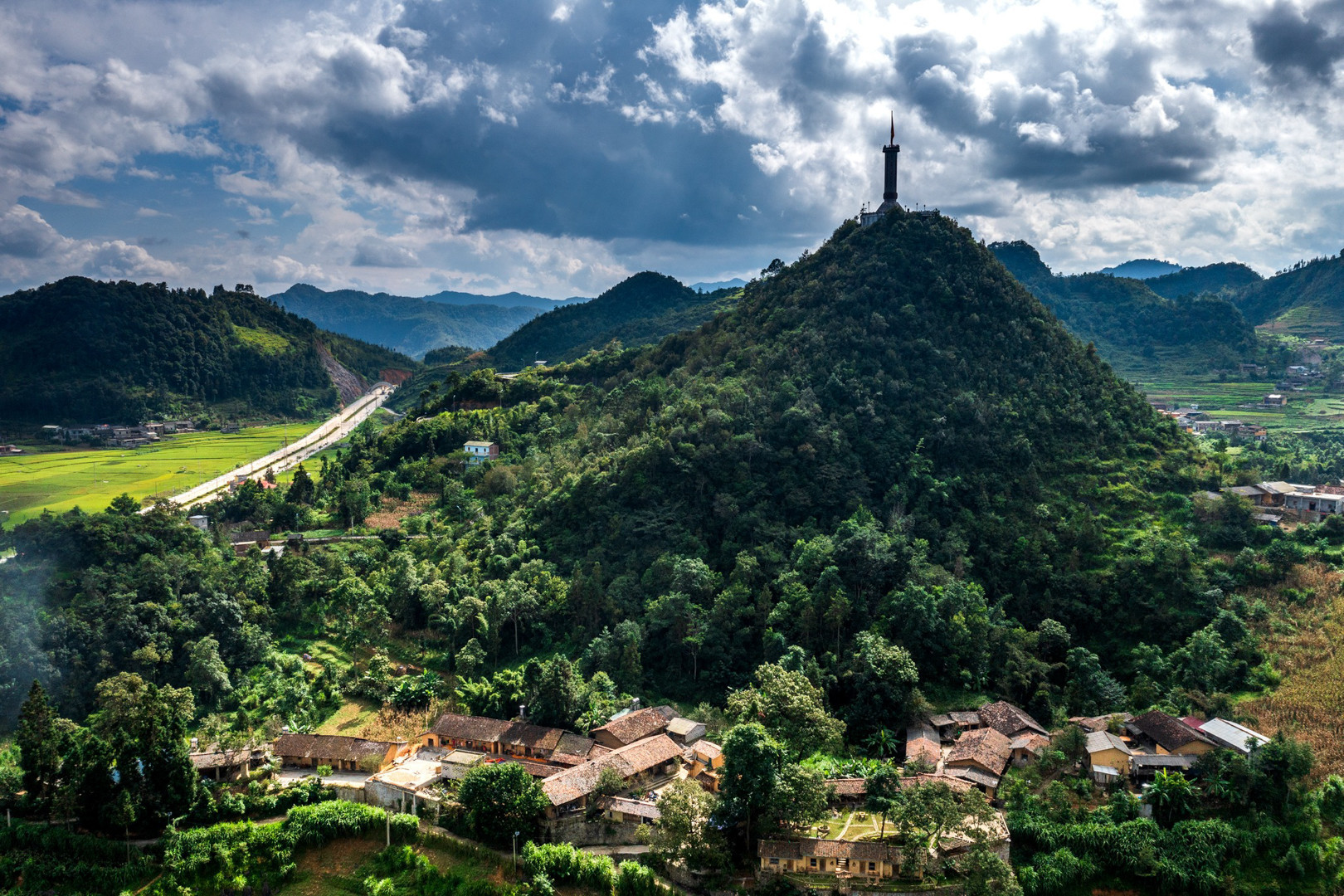
At the foot of the Lung Cu Flag Tower, Then Pa and Lo Lo Chai are only a few hundred meters apart.
The two villages share architectural features such as rammed-earth houses, traditional yin-yang tiled roofs and stone fences, although Then Pa offers a quieter, more peaceful atmosphere.
Beyond sightseeing and photography, visitors can try drawing beeswax patterns on linen, indigo dyeing, making corn cakes and men men, a traditional steamed corn dish, riding horses through the villages, or sampling regional specialties such as thang co, black chicken hotpot and corn liquor fermented with local leaves.
Lao Xa lies tucked among high mountains and rocky outcrops in the Sung La Valley, Sa Phin Commune.
In recent years, the village has attracted more visitors with its quiet atmosphere and relatively untouched landscape.
Around five three-room rammed-earth houses dating back approximately 80 years remain in the village, their roofs covered with traditional yin-yang tiles.
Residents have also built around 60 newer houses following traditional Hmong architecture, from their layouts and stone fences to the arrangement of living spaces.
Vegetable beds and clusters of flowers grow around the homes, creating the simple, distinctive landscape of a northern highland village.
Da Lat in October
Around 300km from Ho Chi Minh City, Da Lat in Lam Dong Province is a popular retreat thanks to its cool year-round climate.
From October through December, Da Lat enters its dry season, bringing crisp weather and particularly attractive scenery in the surrounding countryside.
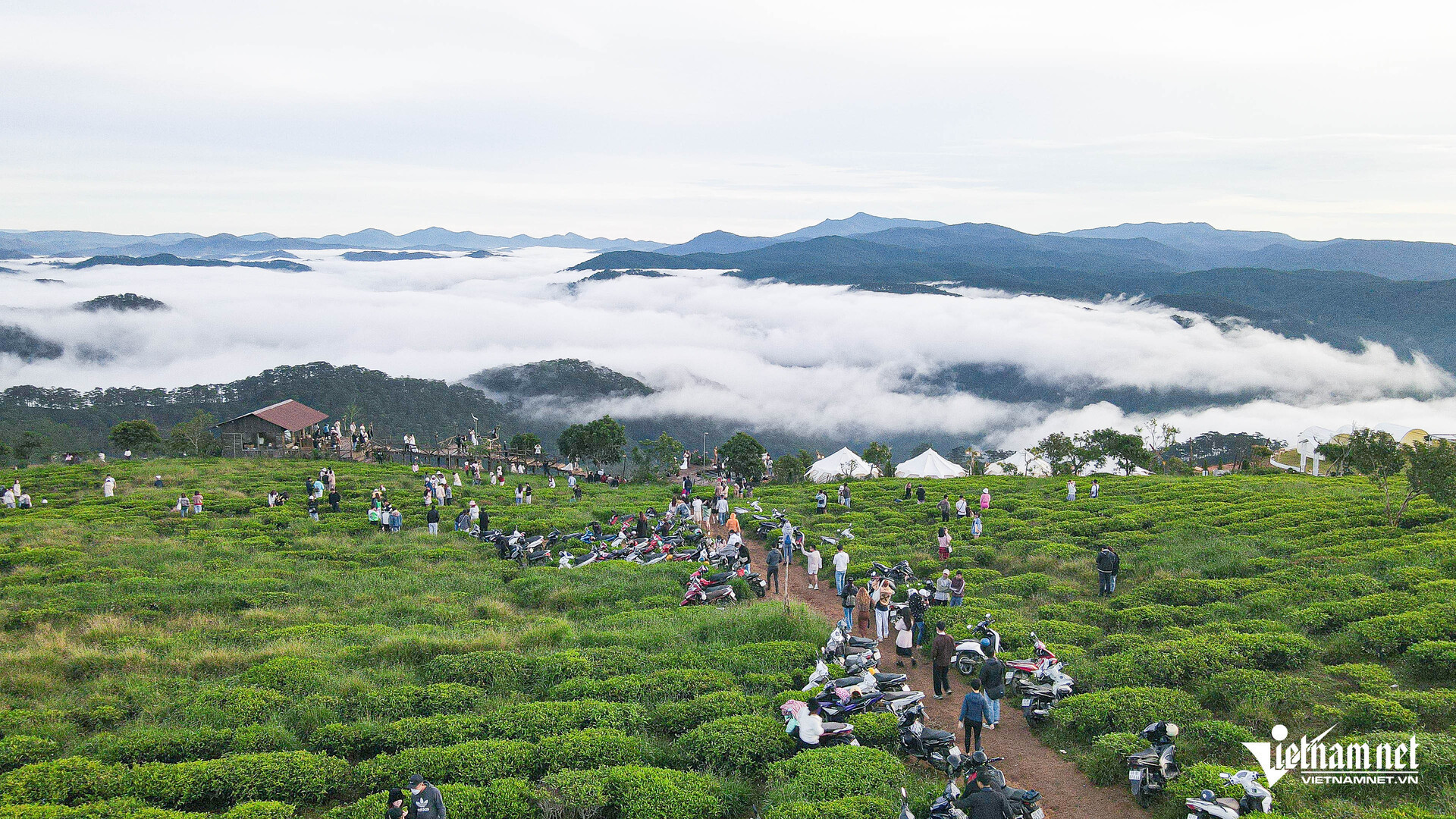
Roads brighten with the yellow of wild sunflowers, pink grass hills shimmer in the early morning mist, and bands of clouds blanket the mountains, creating some of the landscapes most closely associated with Da Lat.
Travelers can spend one or two days exploring natural attractions including Bidoup-Nui Ba National Park, Tuyen Lam Lake, Datanla, Prenn, Voi and Pongour waterfalls, and Suoi Vang Lake.
.svg)
