 Vietnamnet.vn

 Podcast



By the end of 2024, Vietnam’s social housing supply will meet only about 20% of the demand among low-income earners and workers. This growing shortfall raises a pressing question: Is the lack of affordable housing contributing to the increasing trend of young people in urban areas avoiding marriage and delaying childbirth?
At the beginning of this year, during a high-level government conference focused on economic growth and sustainable development, the issue of social housing unexpectedly took center stage. Prime Minister Pham Minh Chinh expressed deep concern over the sector’s sluggish progress. Drawing from personal experience, he recounted: “After graduating, I had to rent a home. Eventually, I bought a 12m² apartment, then upgraded to 16m², 30m², and later 60m².” From his own story, the Prime Minister emphasized that to retain and attract young talent - especially those “moving from the countryside to the city” - Vietnam must make bold advances in developing social housing for youth, low-income earners, and laborers.
One million homes - the gap between vision and reality
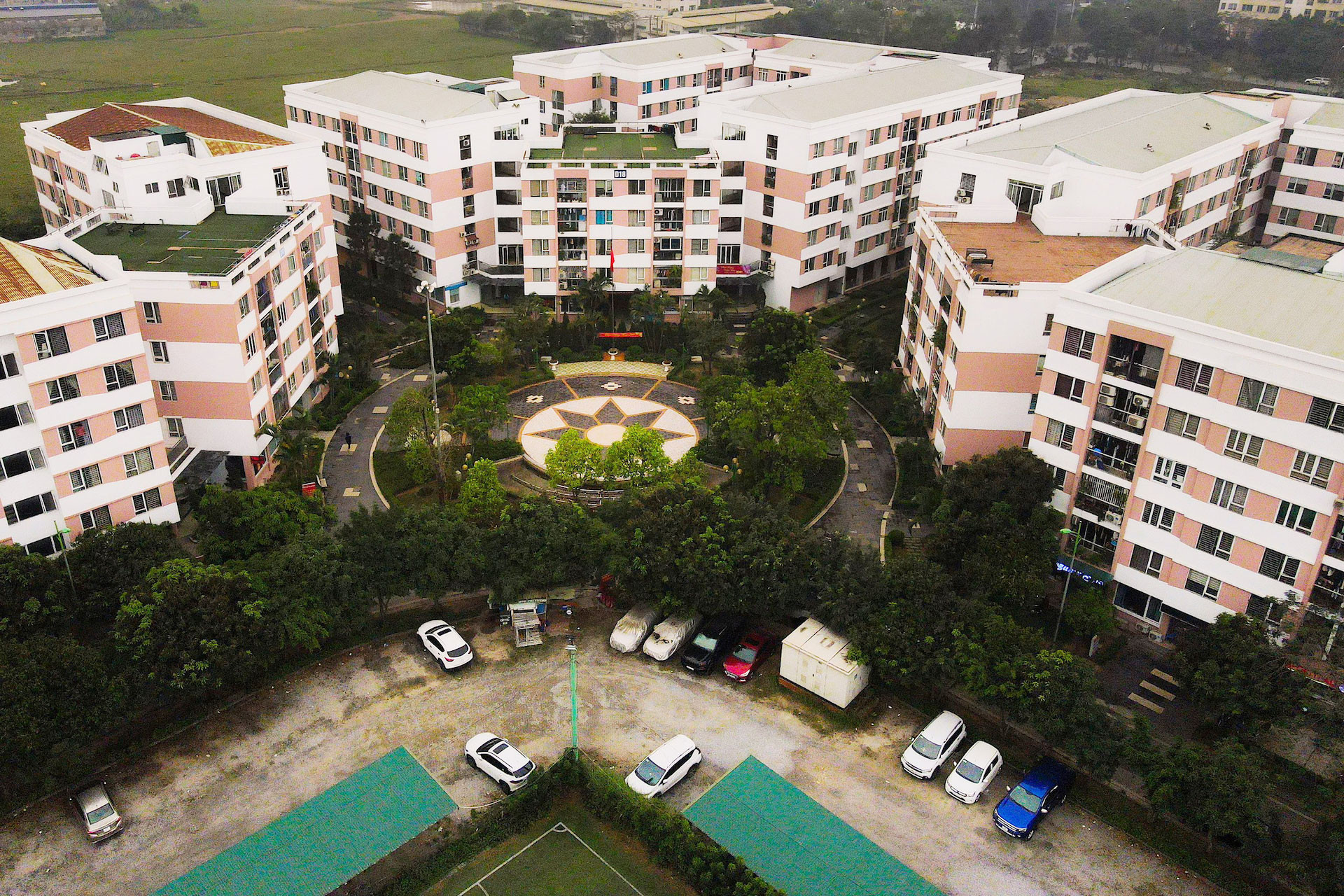
In April 2023, the government approved a master plan to build at least one million social housing units between 2021 and 2030. By 2030, localities are expected to complete approximately 1,062,200 units to address the urgent housing needs of poor workers.
However, according to the Ministry of Construction, by the end of 2024, new social housing projects will only meet about 20% of actual demand. This gaping disparity underscores a deeper concern: Could this housing shortage be accelerating the trend among young urbanites to delay marriage and avoid having children?
Three persistent bottlenecks
Experts have pointed to three major obstacles hindering social housing progress: land availability, administrative procedures, and financing.
In terms of land, many localities fail to allocate prime areas for social housing projects, often pushing them to remote areas with weak infrastructure - making them unattractive to potential buyers.
Regarding procedures, lengthy project approvals increase opportunity costs and deter developers.
On financing, current loan interest rates for social housing remain unsuitable. Low-income workers already face daily financial challenges, and the prospect of large debts and high-interest loans discourages them from borrowing. This weak purchasing power, in turn, dampens developer enthusiasm.
Who should be prioritized?
In the author's view, current criteria for social housing eligibility are not well-targeted. Most of the priority is given to extremely low-income individuals - those who can hardly accumulate enough savings to buy a home, even with support. Meanwhile, workers with modest savings and better repayment capacity are often overlooked.
With property prices in Hanoi ranging from USD 2,350 to USD 3,900 per square meter, a young couple earning USD 275–470 per month would need to work for 30–50 years - and “sacrifice eating, marriage, and children” as the saying goes - just to afford a small apartment. It’s an impossible scenario.
Personal income tax: Still a burden on the people
Current personal income tax (PIT) policy also adds pressure. Individuals earning just USD 430 per month are already taxed 5% if they don't qualify for dependent deductions. The current deduction for each child is about USD 172 - far below the actual cost of raising a child in urban areas.
Vietnam should consider only taxing incomes above USD 780 per month, with a rate between 3–5%. In cities, USD 430 barely covers individual living expenses, let alone child-rearing or mortgage payments.
International experience shows that wealthy nations like Singapore and South Korea adjust their tax systems to encourage marriage and childbirth. Singapore, for instance, caps income tax at 24% and provides substantial tax incentives to young couples. Vietnam’s current system, however, lacks such supportive features.
Alarming signs of an aging population and declining birthrates
According to the General Statistics Office, from 1989 to 2023, the average age at first marriage rose from 24.4 to 29.3 for men, and from 23.2 to 25.1 for women. The rate of single individuals increased from 6.23% (2004) to 10.1% (2019). The national fertility rate dropped sharply from 3.8 children per woman (1989) to below 2 (2023) - a warning sign of population aging.
Once, Vietnam had policies that penalized civil servants for having a third child. Today, despite encouragement and financial support, the fear of marriage and childbirth persists - especially in major cities where property prices are high and social housing is scarce.
From next year, all students from grade 1 to 12 will receive free tuition - a major step forward. But without adequate housing policies for young people, this alone will not reverse Vietnam’s demographic decline.
A call for coordinated strategy
To address the crisis, Vietnam must implement a comprehensive set of solutions:
First, reduce apartment prices through direct government support and expansion of social housing supply.
Second, reform personal income tax policies to encourage family formation and childbearing, and ease the tax burden.
Third, revise social housing eligibility to prioritize those with reasonable savings and repayment ability, instead of focusing solely on the lowest income groups.
Fourth, streamline administrative procedures to speed up project approvals and lower opportunity costs for developers.
With 34 newly restructured provinces and cities, now is the time to integrate social housing goals into broader socio-economic development strategies. If each locality commits to clear targets and serious implementation, social housing can become not only a shelter solution but also a critical population and workforce development policy.
Only when young workers can afford suitable homes, benefit from reduced taxes, and feel secure in their living conditions will they be ready to marry and raise children. That is the foundation for reversing the aging population trend and ensuring sustainable national development.
Quoc Phong
.svg)
