 Vietnamnet.vn

 Podcast



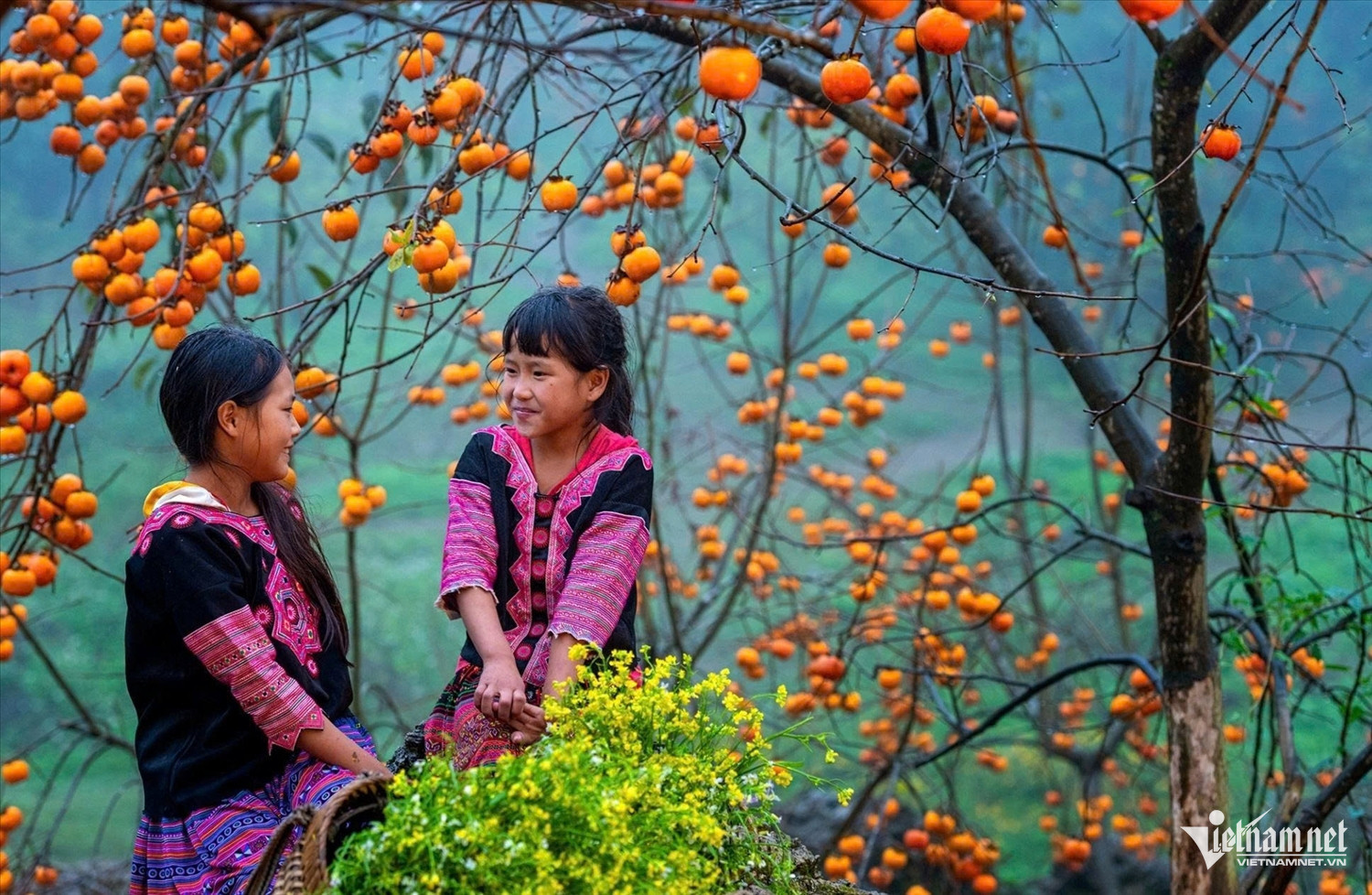
Tourism has become a way for them to share their lives in an intimate and open way.
When people think of Son La, they often imagine pristine highland villages, vibrant fruit-covered hillsides, and the rich cultural space of ethnic minority groups. In recent years, this province has made a mark by developing tourism linked to agriculture and indigenous culture, opening new livelihoods for highland people.
At Hang Tau, known as the "primitive village" in Moc Chau, life is transforming in its own way. Once famous for having "three nos" (no grid electricity, no mobile signal, and no Wi-Fi), this village of 21 households has become an experiential destination attracting tourists with its rustic authenticity.
Pham Thi Tra and her family members, who previously relied solely on farming, now use their firewood kitchen as a rest stop for visitors. While income has improved, Tra especially values the fact that tourists recognize and respect the village's cultural heritage.
Similar models are emerging throughout Moc Chau. Nguyen Van Binh, the owner of the Thanh Binh orchards, shifted barren rocky slopes to planting plums, persimmons and oranges while renovating the landscape to create tour paths.
Over time, farm areas once used only for production now attract hundreds of visitors daily during blossom and harvest seasons. Binh said: "When switching to the tourism model, I taught myself filming, editing, and media skills to promote our image and expand market reach."
The appeal of experiential tourism in Son La did not come by chance, but from a shift in farmers’ mindset. From pure production, they gradually integrated tourism services, leveraging landscapes and existing cultural values.
At the same time, local authorities provide clear direction, encouraging agricultural tourism models linked with indigenous crops and building a sustainable development mindset.
According to local leaders, research is underway on infrastructure investment and the development of cultural experience products of Thai, Mong, and Dao ethnic groups to create a long-term foundation for tourism.
The transformation of Son La farmers from agriculture to tourism reflects the internal vitality of the Northwest region but also demonstrates a development approach based on identity and local resources. It is a quiet yet persistent journey, contributing to a new rural landscape in mountainous areas within the country’s broader development process.
Heritage becomes toutism focus
A key point in the approach of ethnic minority provinces is identifying the community as both the owner of heritage and the center of tourism development. Through community-based tourism models linked with preserving architecture and local culture, heritage has been “awakened” to create livelihoods: homestays in traditional stilt houses, festival experiences, folk performances, handicraft production and sales, and local cuisine.
Tuyen Quang is gradually affirming its position as a culturally rich destination, where heritage is not only preserved in memory but is vividly present in community life. What creates its distinct appeal is a diverse system of cultural heritage of ethnic minorities, from traditional architecture to intangible cultural treasures, being activated as a resource for tourism development, contributing to improved livelihoods and sustainable poverty reduction.
Many visitors wish to return to Tuyen Quang multiple times due to the richness and diversity of its local cultural heritage. Tuyen Quang has long been home to many ethnic groups such as Mong, Dao, Lo Lo, Pu Peo, Tay, and Nung. Over hundreds of years, each community has created its own cultural space, reflecting the harmonious relationship between humans and nature, and between material and spiritual life.
Ly Ta Quan, the owner of a homestay in Nam Dam village, Quan Ba commune, said: “We only use wood, earth, and stone to build traditional houses passed down from our ancestors. This is how we preserve cultural identity and attract tourists.”
The development of community-based tourism has brought positive changes to Nam Dam. People are more aware of preserving cultural identity for tourism development, and household incomes have improved.
“Compared to farming, community tourism brings much higher income. Since we started tourism, the village has transformed, houses are better, and poverty has decreased rapidly,” he said.
Currently, Tuyen Quang has 54 cultural and community tourism villages. Many models have received international recognition, such as Nam Dam village winning the ASEAN Community-Based Tourism Award, and Lo Lo Chai village being honored by UN Tourism as one of the “Best Tourism Villages in the World.”
Ha Nguyen
.svg)
