 Vietnamnet.vn

 Podcast


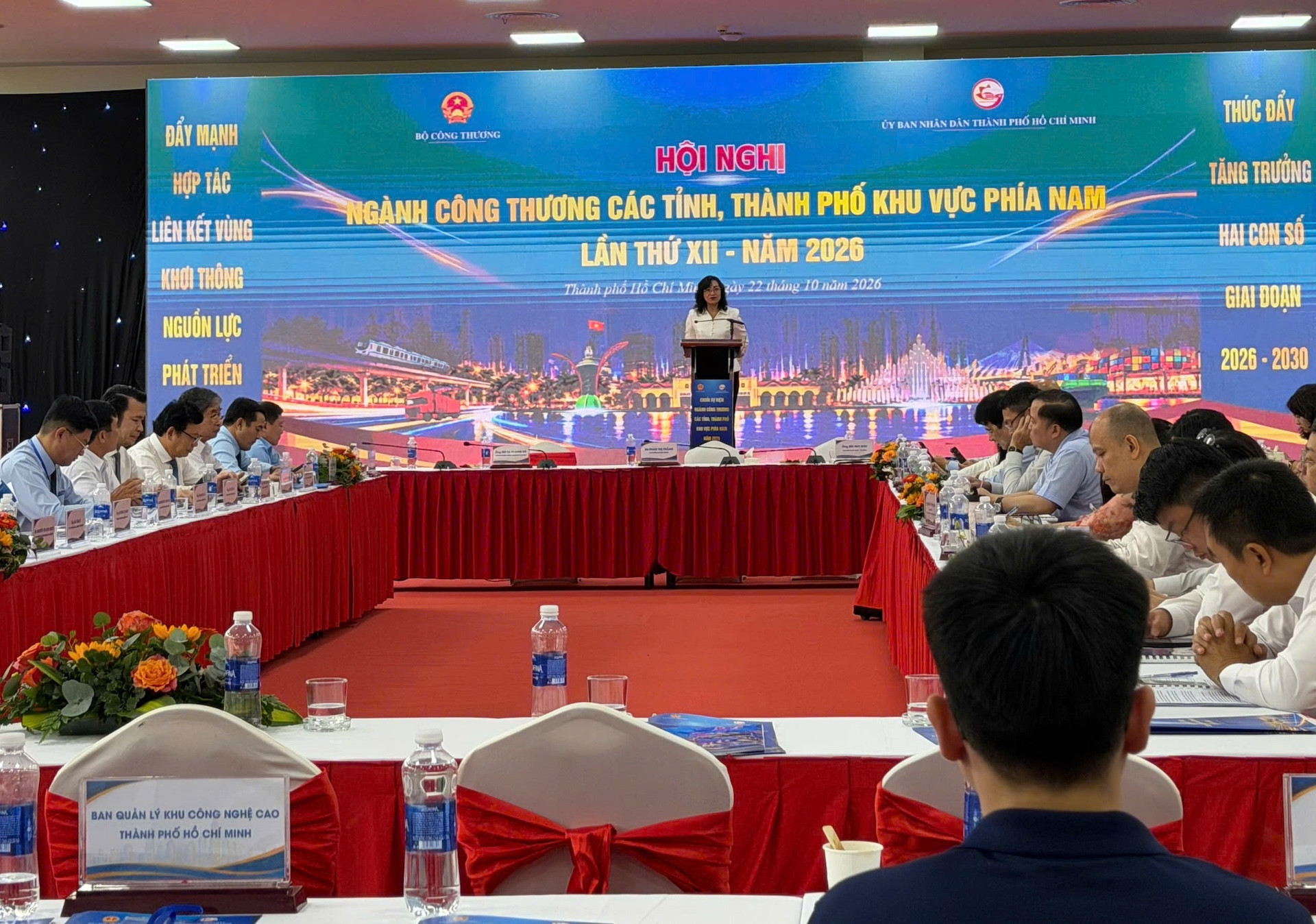
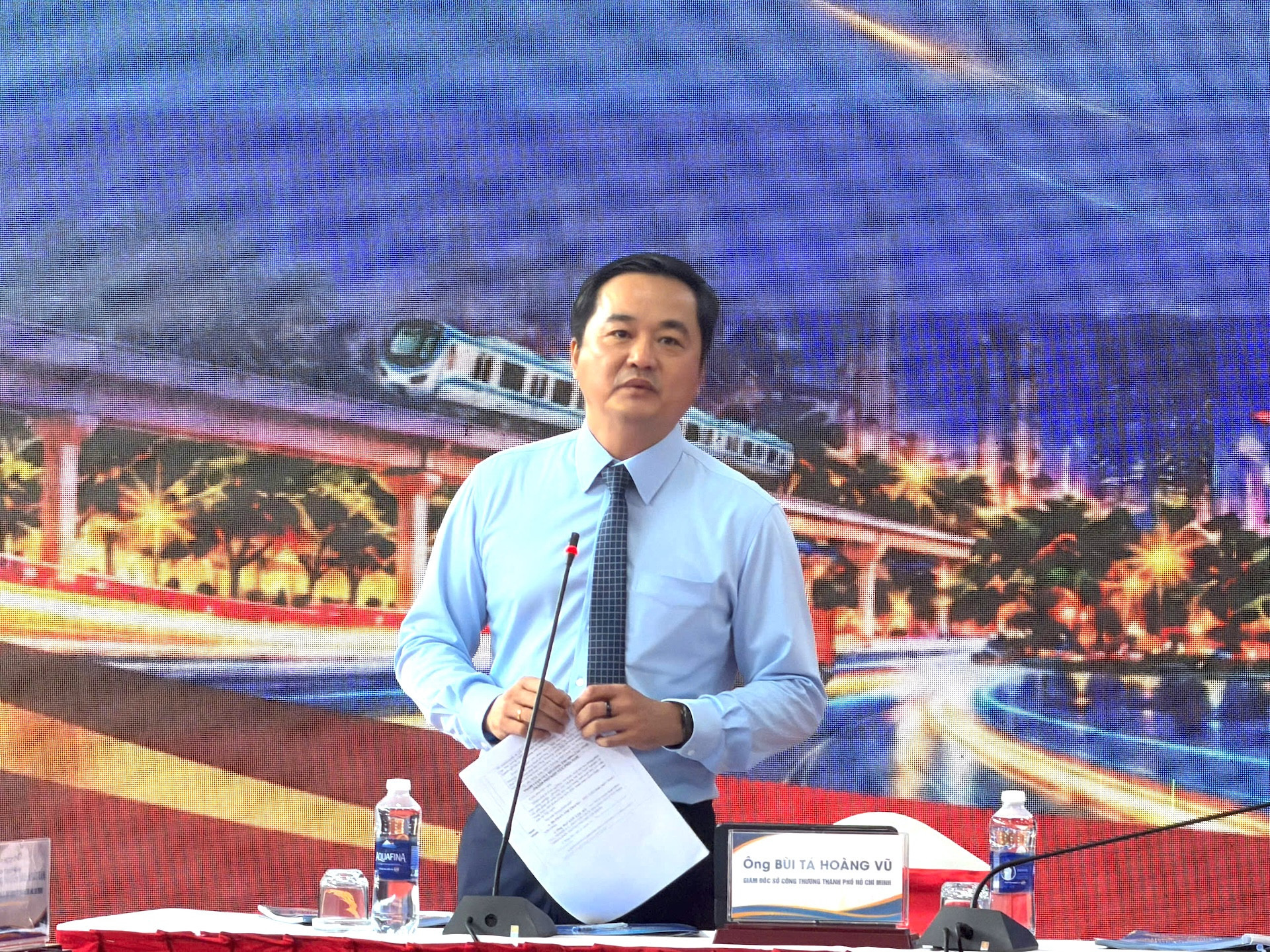
The Ho Chi Minh City Department of Industry and Trade called on the Government to consider establishing a unified national mechanism for managing and coordinating logistics activities.
One option would be to study the creation of a National Logistics Committee or introduce an appropriate interministerial coordination mechanism.
Such an arrangement would help clarify responsibilities among the Ministry of Industry and Trade, the Ministry of Construction and other relevant ministries and agencies.
Meanwhile, Ho Chi Minh City and Dong Nai urged the Ministry of Industry and Trade to work with relevant authorities to develop mechanisms for sharing logistics service chain data and establishing common technology platforms.
These measures would help businesses reduce the time and expenses associated with unnecessary administrative procedures.
From an infrastructure planning perspective, Dong Nai proposed accelerating the development of logistics centers covering more than 100 hectares around Long Thanh International Airport.
The proposed facilities would specialize in high-tech products, vaccine cold storage and cross-border e-commerce.
The province also called for improvements to navigation channels along the Dong Nai and Thi Vai rivers to accommodate vessels with capacities of 2,000-3,000 tonnes.
This would allow agricultural products from the Mekong Delta to be transported more efficiently to modern logistics hubs.
For border areas, Tay Ninh recommended that the central Government introduce special mechanisms to support border logistics development.
The province proposed investment assistance to upgrade the Moc Bai border-gate logistics center into a regional logistics hub, alongside the introduction of a smart border-gate model.
It also called for the development of an industrial, service and logistics corridor connecting Ho Chi Minh City, Trang Bang, Go Dau, Moc Bai and Xa Mat.
In the southwestern region, Can Tho and Vinh Long requested that the Ministry of Industry and Trade and other relevant ministries prioritize resources for developing a regional Grade I logistics center and a network of cold storage facilities linked to concentrated agricultural production areas.
The proposals are aligned with Decision No. 616/QD-TTg and are intended to prevent fragmented or overlapping investments.
Responding to the recommendations, the Agency of Foreign Trade under the Ministry of Industry and Trade said it was leading a comprehensive review of the existing legal framework.
The review includes proposals to amend or replace Decree No. 163/2017/ND-CP, which regulates logistics service businesses.
The ministry also pledged to work closely with other ministries, agencies and local authorities to explore an interministerial coordination mechanism, establish shared databases and develop common digital connectivity platforms.
These efforts are intended to gradually remove bottlenecks that increase logistics costs, improve the movement of goods across southern Vietnam and enhance the overall efficiency of regional supply chains.
Thu Ha

