 Vietnamnet.vn

 Podcast



Linh Trang
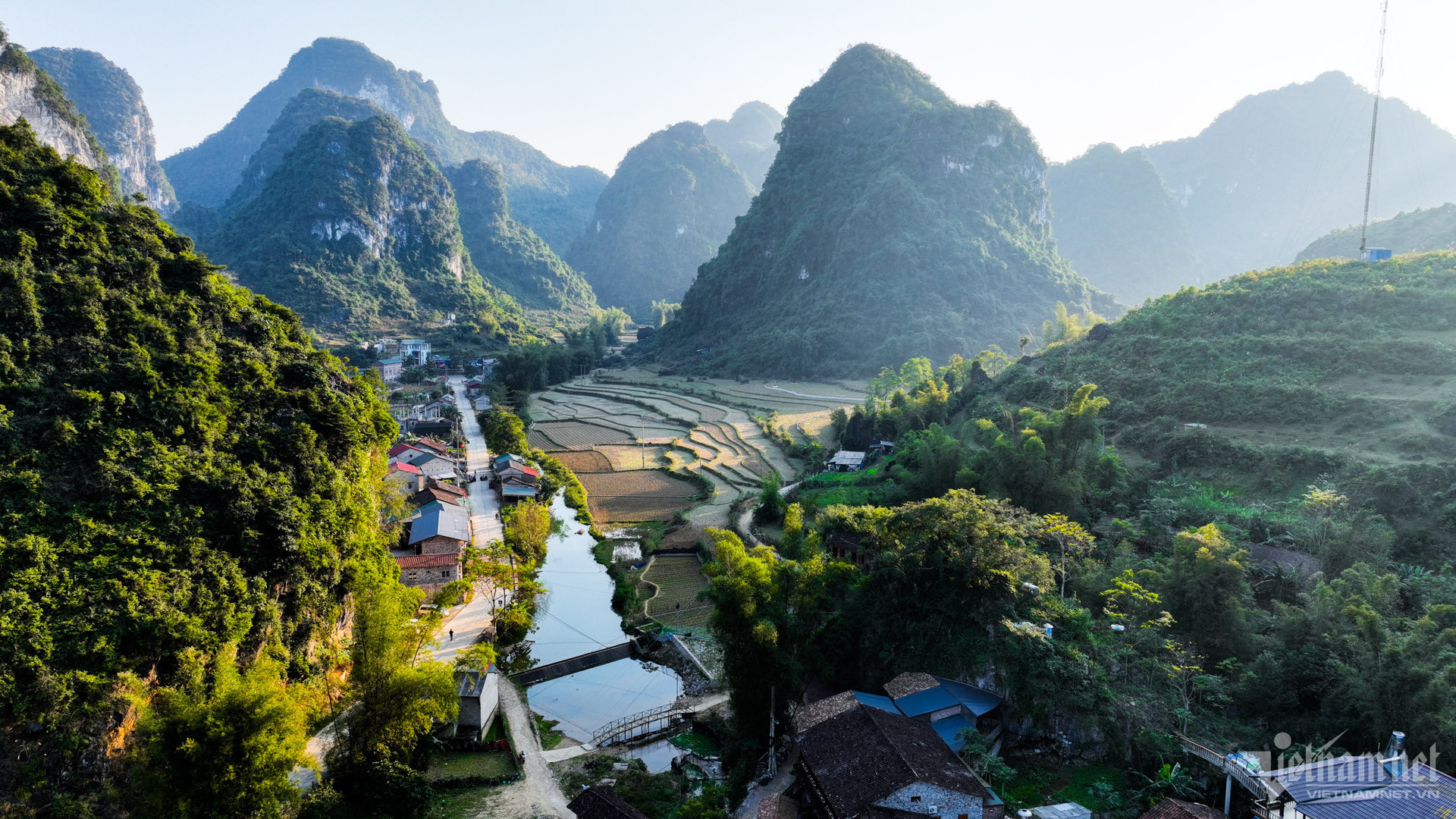
Khuoi Ky stone village, Cao Bang
A lesser-known destination perfect for Lunar New Year, Khuoi Ky offers travelers a unique and memorable experience, according to a recent recommendation by Booking.
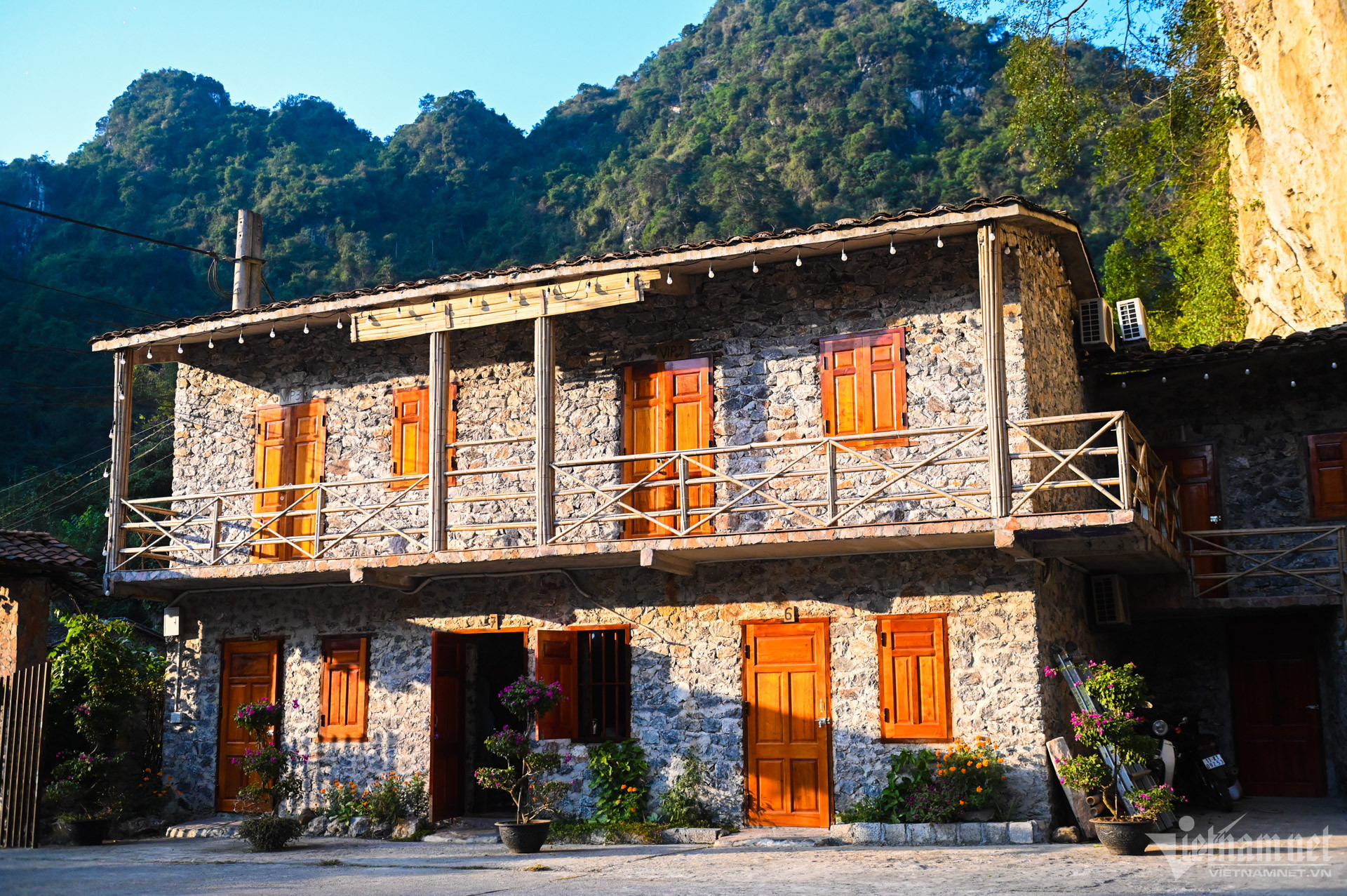
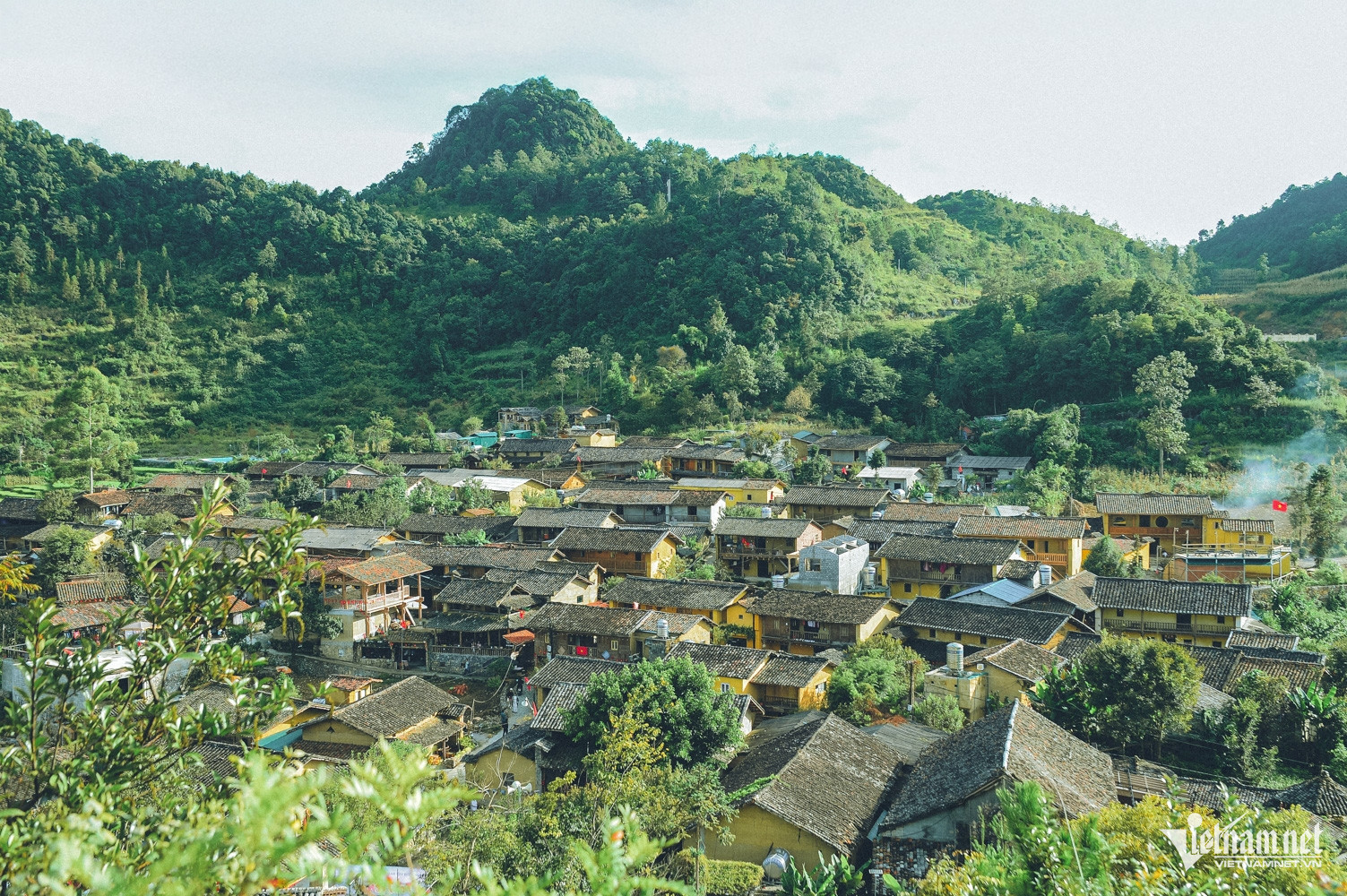
Located in Dam Thuy commune, around 80 km from the old center of Cao Bang City and just 2 km from Ban Gioc Waterfall, this ancient Tay ethnic village stands out for its traditional stone stilt houses. Locals have transformed these homes - some hundreds of years old - into homestays with traditional yin-yang tiled roofs.
To attract more visitors, residents have added immersive activities such as rice planting and harvesting, vegetable foraging, fish catching, traditional cooking, herbal foot baths, bamboo dancing, bonfire parties, and ethnic musical performances.
In 2008, Khuoi Ky was officially recognized by the Ministry of Culture, Sports and Tourism as an “Outstanding Traditional Cultural Village of Vietnam's Ethnic Minorities.”
Visitors can also enjoy hiking, motorbike touring around Cao Bang’s peaks, and boat rides along the Quay Son River.
Si Thau Chai village, Lai Chau
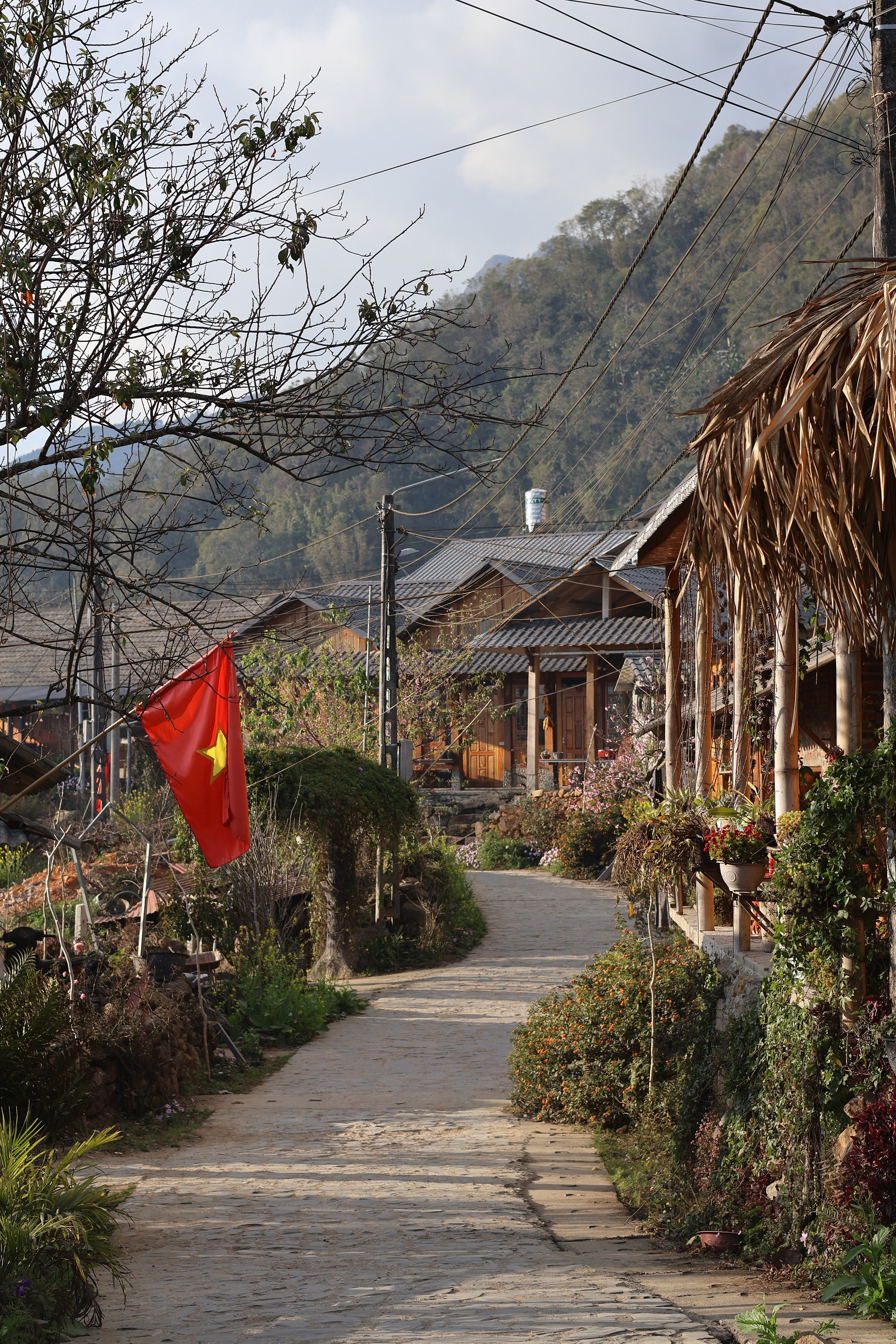
Home to just over 60 Dao households, Si Thau Chai sits perched at nearly 1,500 meters above sea level - about 400 km from Hanoi and 50 km from Sa Pa. Among travel lovers, it’s affectionately called a “healing village” or “fairy-tale hamlet” for its tranquility and sweeping views of misty mountains.
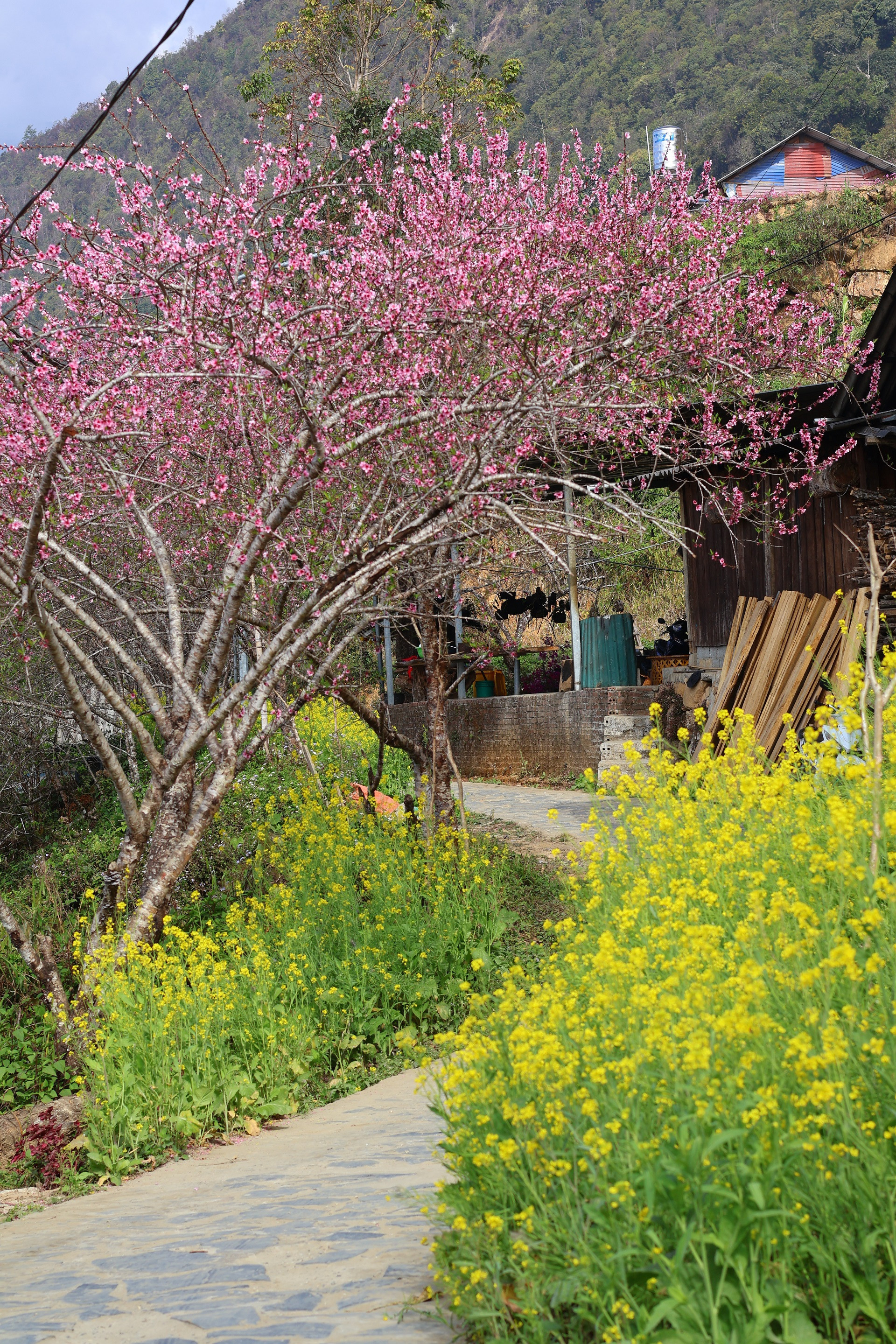
During Tet, Si Thau Chai transforms into a dreamlike landscape of pink cherry blossoms, golden mustard flowers, and soft white plum blossoms woven through the valley.
The Dao people here have preserved their language, script, attire, and ancestral rituals. As a result, this isn't just a natural retreat - it’s a living museum of Dao culture.
Visitors can also sample regional delicacies like purple sticky rice, black chicken, grilled mountain pork, smoked buffalo, and apple wine.
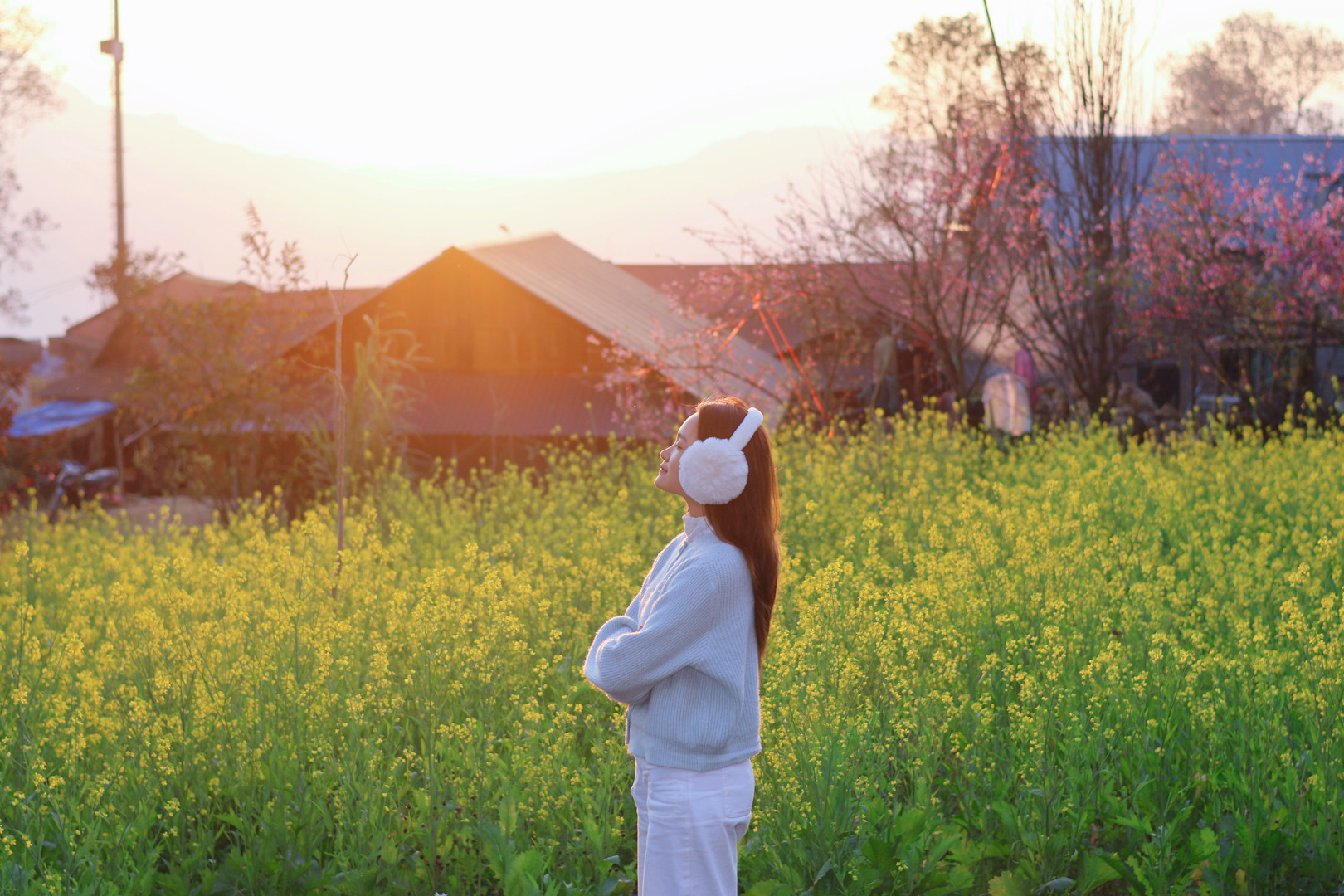
A mustard field in Si Thau Chai at sunset. Photo: Le Thu Thao
Lo Lo Chai village, Tuyen Quang
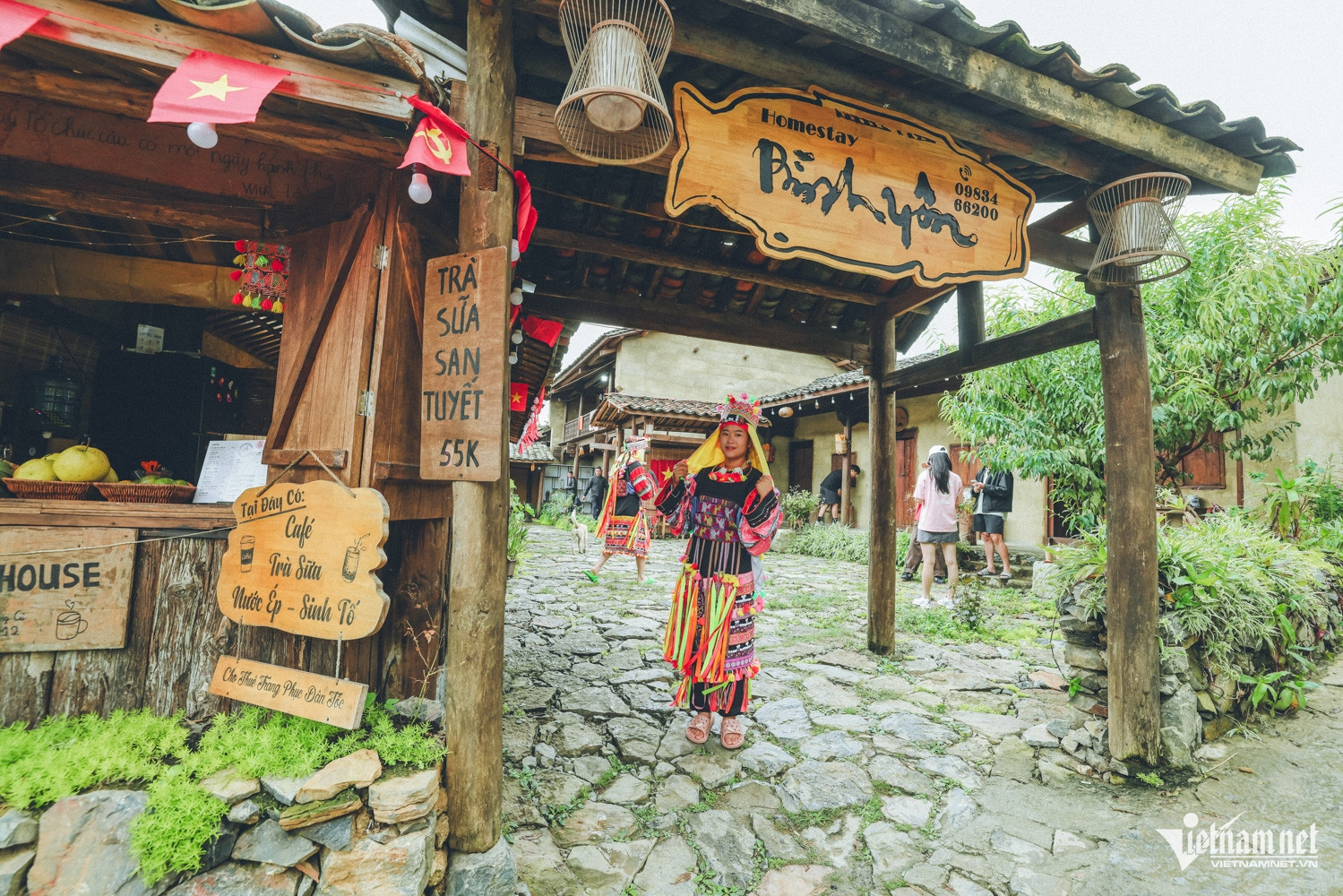
In October, the United Nations World Tourism Organization named Lo Lo Chai one of the “Best Tourism Villages in the World 2025.” Since then, it’s become a favorite destination for Tet holidaymakers.
Located at the foot of the Lung Cu Flag Tower - Vietnam’s northernmost point - Lo Lo Chai is home to more than 120 households, predominantly Lo Lo ethnic people.
Visitors can join in daily life activities like weaving linen, planting maize, brewing traditional corn wine, and enjoying regional dishes such as thang co (horse stew), smoked buffalo meat, bamboo rice, and corn liquor.
However, travelers planning to visit during Tet are advised to book early, as the village often reaches accommodation capacity during peak holidays.
Sin Suoi Ho village, Lai Chau
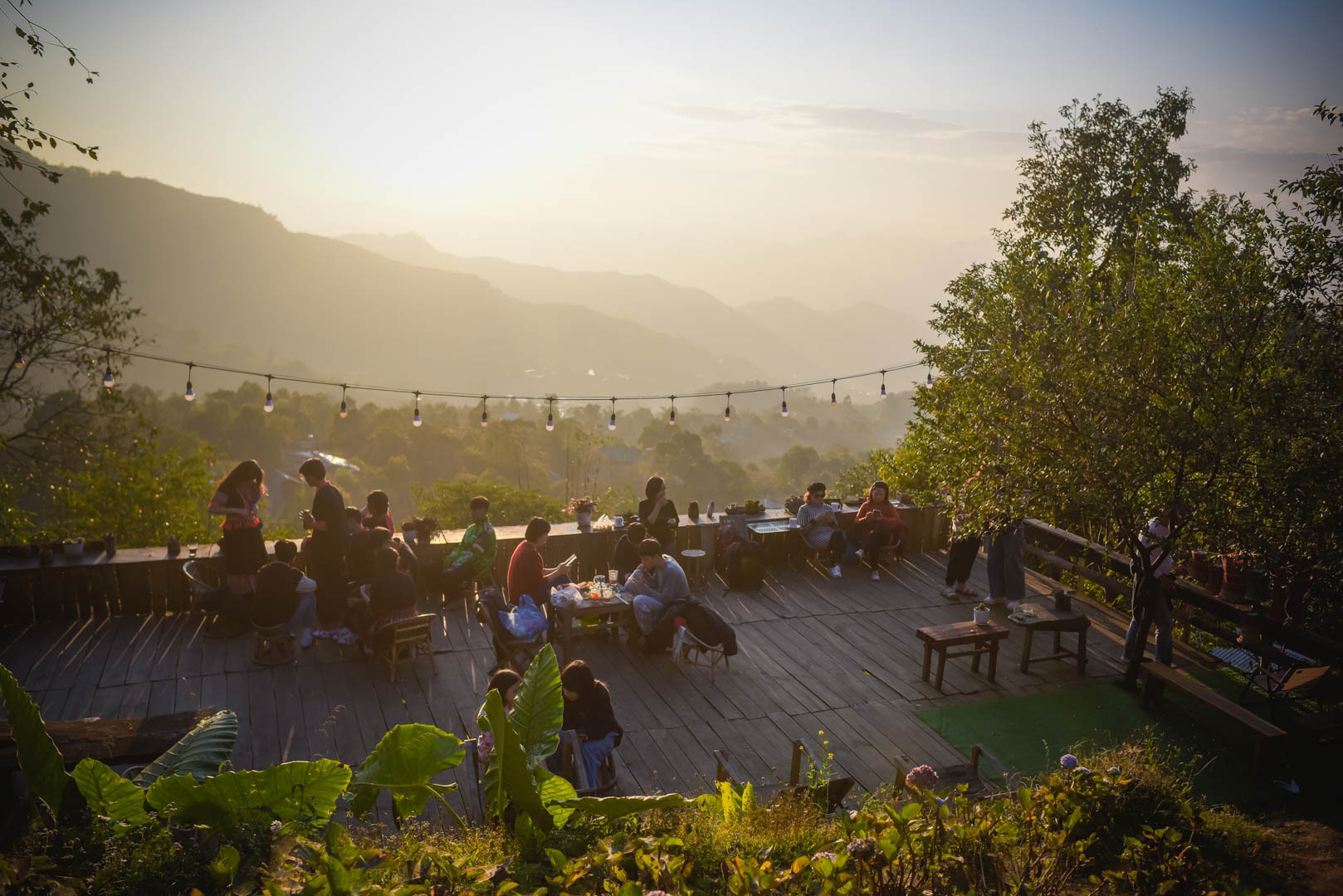
Nestled beneath Son Bac May mountain, Sin Suoi Ho is a Mong ethnic village just 30 km from the old Lai Chau City. It’s known as a “paradise in the clouds” where visitors can wake to seas of mist and spend the afternoon beneath waterfalls like Tinh Yeu and Trai Tim.
Beyond exploring the village, travelers can go trekking through pristine forests, terraced rice fields, and native orchid gardens, or challenge themselves by climbing peaks like Bach Moc Luong Tu (3,045m) or Pu Ta Leng (3,049m).
Stone-fenced homes and flower-lined pathways create a clean, simple, and peaceful atmosphere. The homestays here feature traditional decor and serve signature Mong dishes such as men men (cornmeal), pork belly, black chicken, sticky rice cake, and local rice or corn wine.
At the 2023 ASEAN Tourism Awards, Sin Suoi Ho was honored with its third ASEAN Community-Based Tourism Award.
.svg)
