 Vietnamnet.vn

 Podcast



From a humble fruit, the Tay ethnic community in Tuyen Quang has created a distinctive local specialty—a naturally sweet, refreshing banana cake that remains soft and chewy for several days at room temperature.
Banana cake is one of the traditional dishes of the Tay people living in northern mountainous provinces such as Lao Cai, Tuyen Quang and Lang Son.
The cake is commonly prepared during festivals and Lunar New Year celebrations as an offering to ancestors, a treat for family gatherings and a way to welcome honored guests.
"In the past, Tay families in Na Hang, Tuyen Quang, usually made banana cake for the 15th day of the seventh lunar month," said Thu Huyen, a Tay woman born in 1996. "Today, the cake is prepared throughout the year to meet growing demand from both local residents and visitors while helping preserve our hometown's unique culinary heritage."
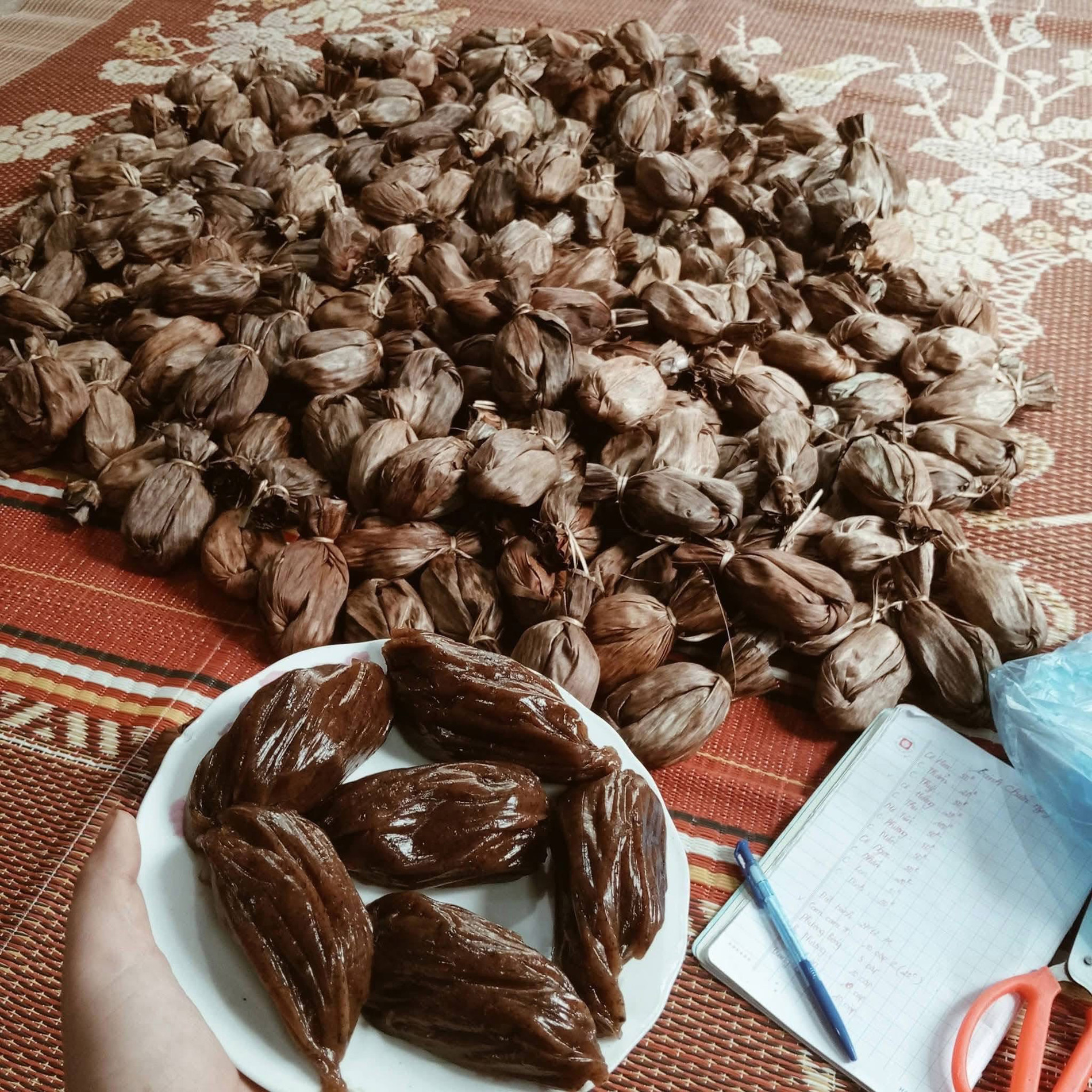
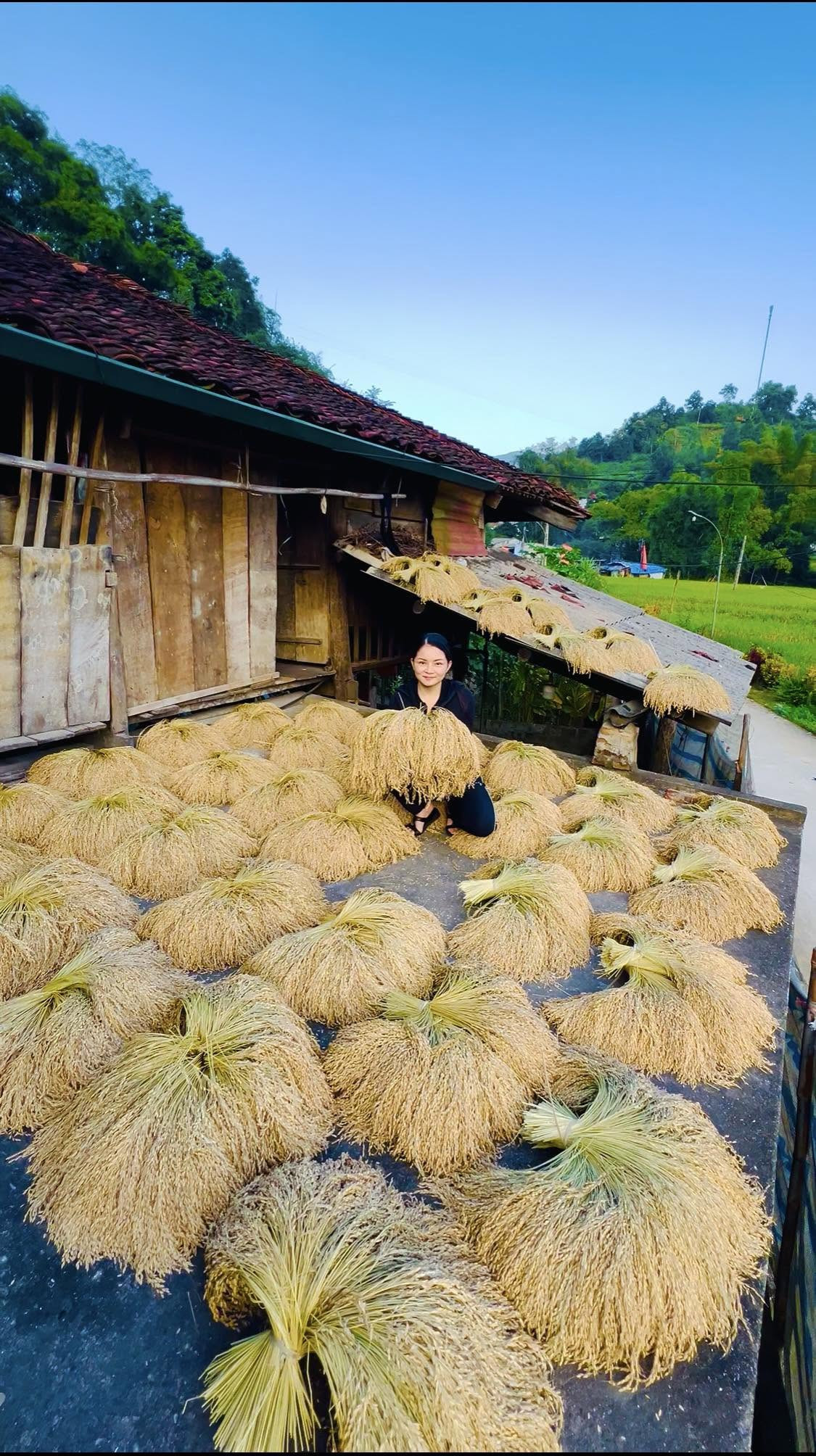
As its name suggests, the cake is made from two main ingredients: bananas and mountain-grown glutinous rice.
In addition to carefully selected glutinous rice, the Tay people prefer using chuoi Tay, locally known as chuoi Goong, which produces the most flavorful cakes.
The banana harvest reaches its peak during the sixth and seventh lunar months, when the fruit is at its ripest and best quality. During this period, local families prepare large batches of fire-dried bananas to make cakes throughout the year.
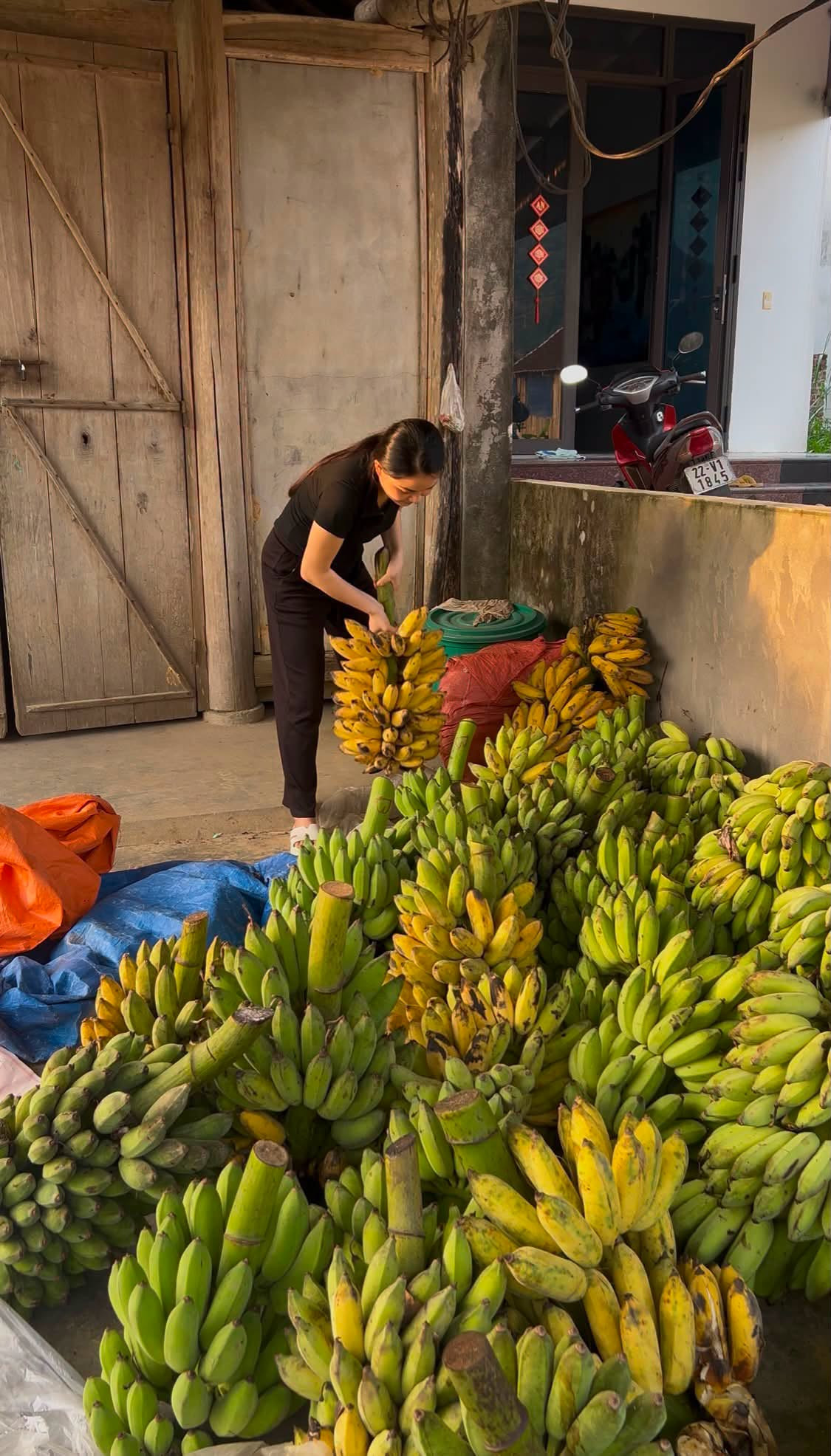
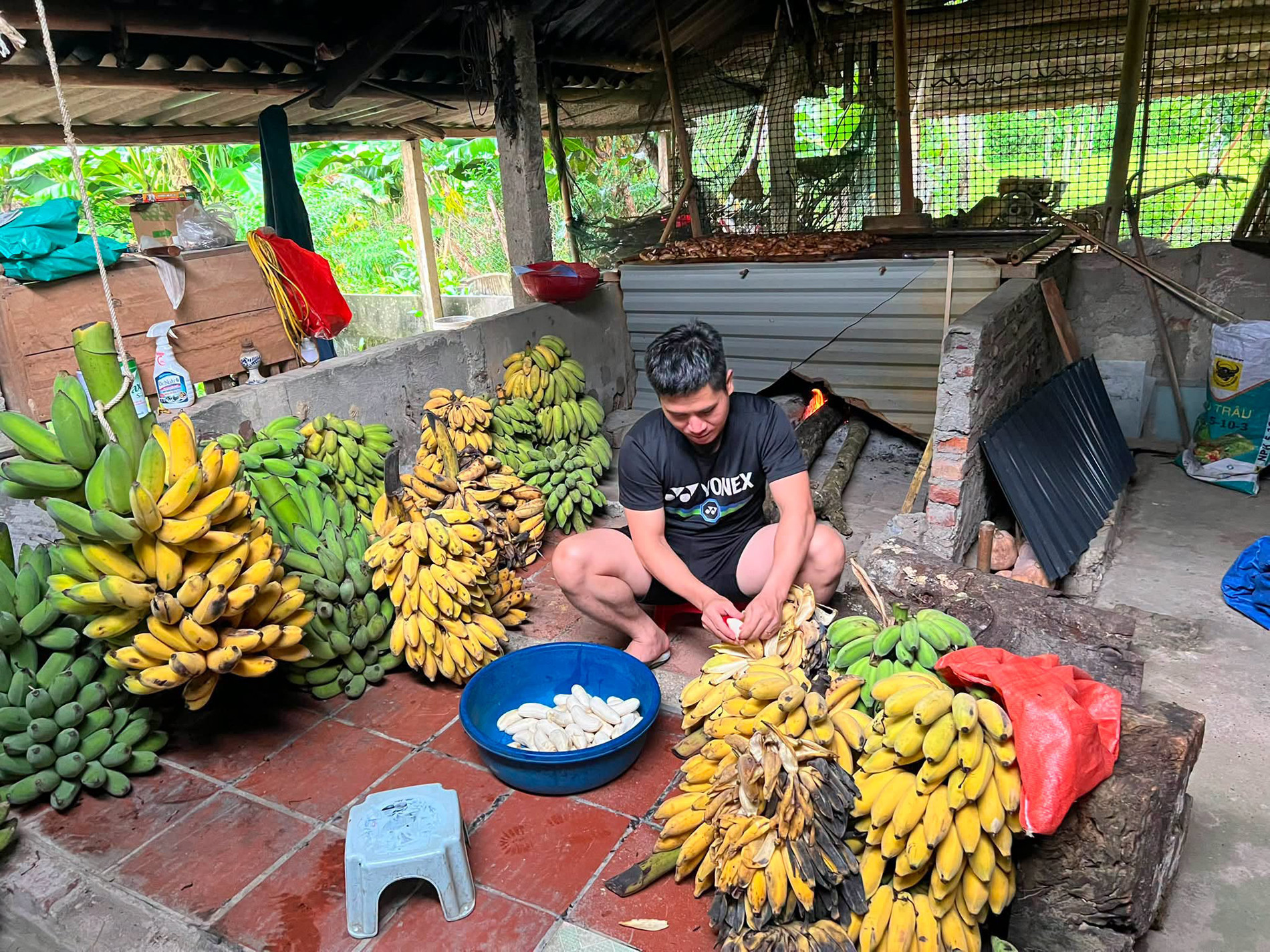
According to Huyen, only fully ripe bananas with thin skins are suitable. After peeling, the bananas are suspended above the kitchen fire and slowly dried for several days until they become soft and chewy, turn a glossy brown and release their natural syrup.
This is the most demanding and time-consuming stage of the process. The bananas must be dried continuously for three days and three nights without allowing the fire to go out.
Careful attention is required to achieve a rich honey-brown color without over-drying. Properly prepared bananas retain their soft texture while developing their signature smoky aroma.
"Fire-dried bananas taste much better than sun-dried or machine-dried ones. This traditional method gives them a richer color, brings out their natural syrup and makes the cakes sweeter and more flavorful," Huyen said.
Once dried, the bananas are washed to remove ash and dust before being simmered in water until they become tender, darken to a honey-like color and develop a thick, sticky consistency.
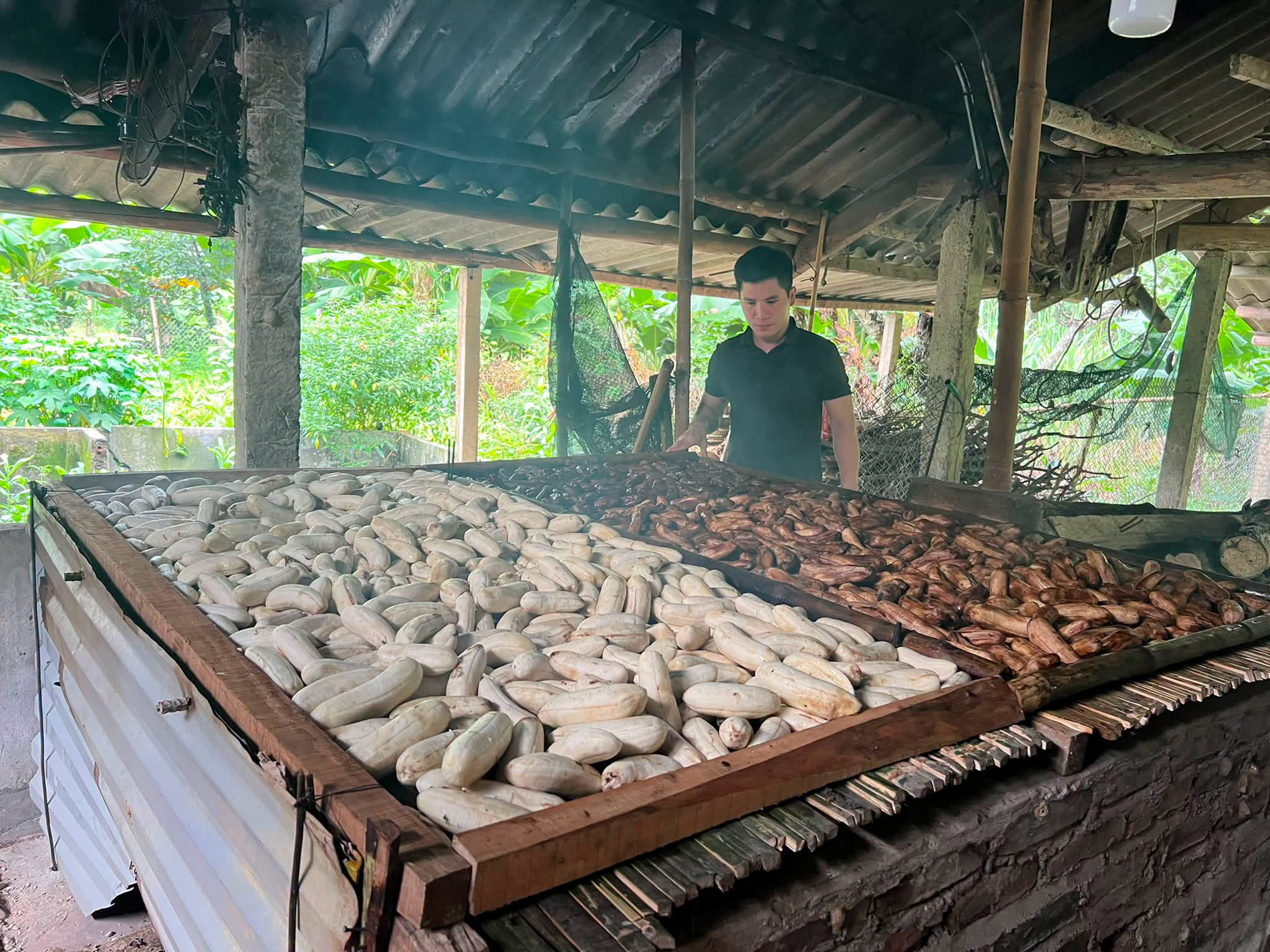
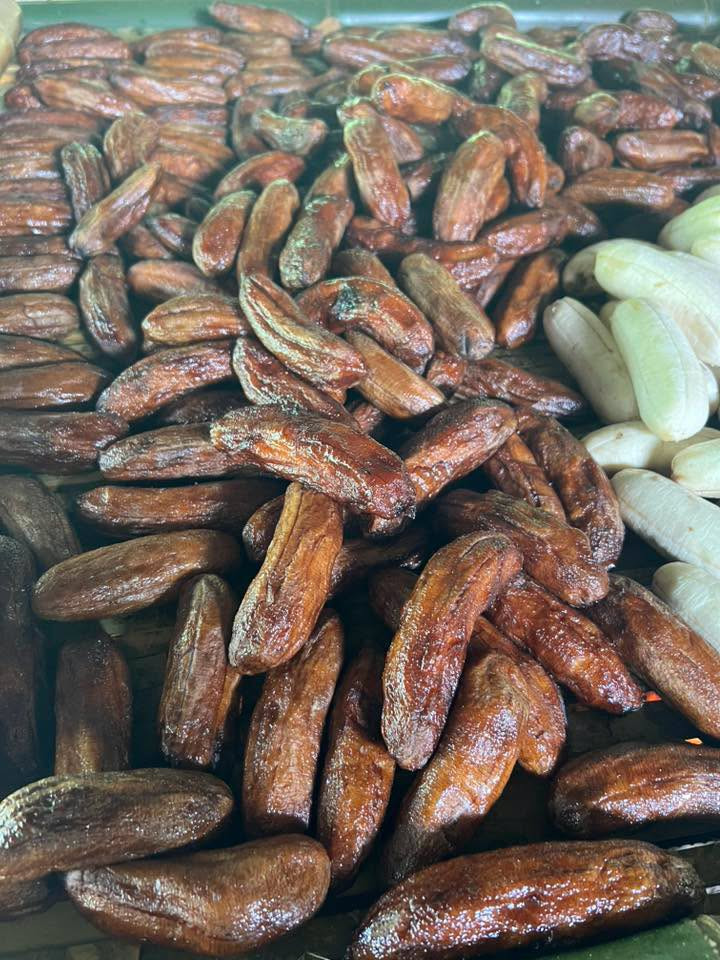
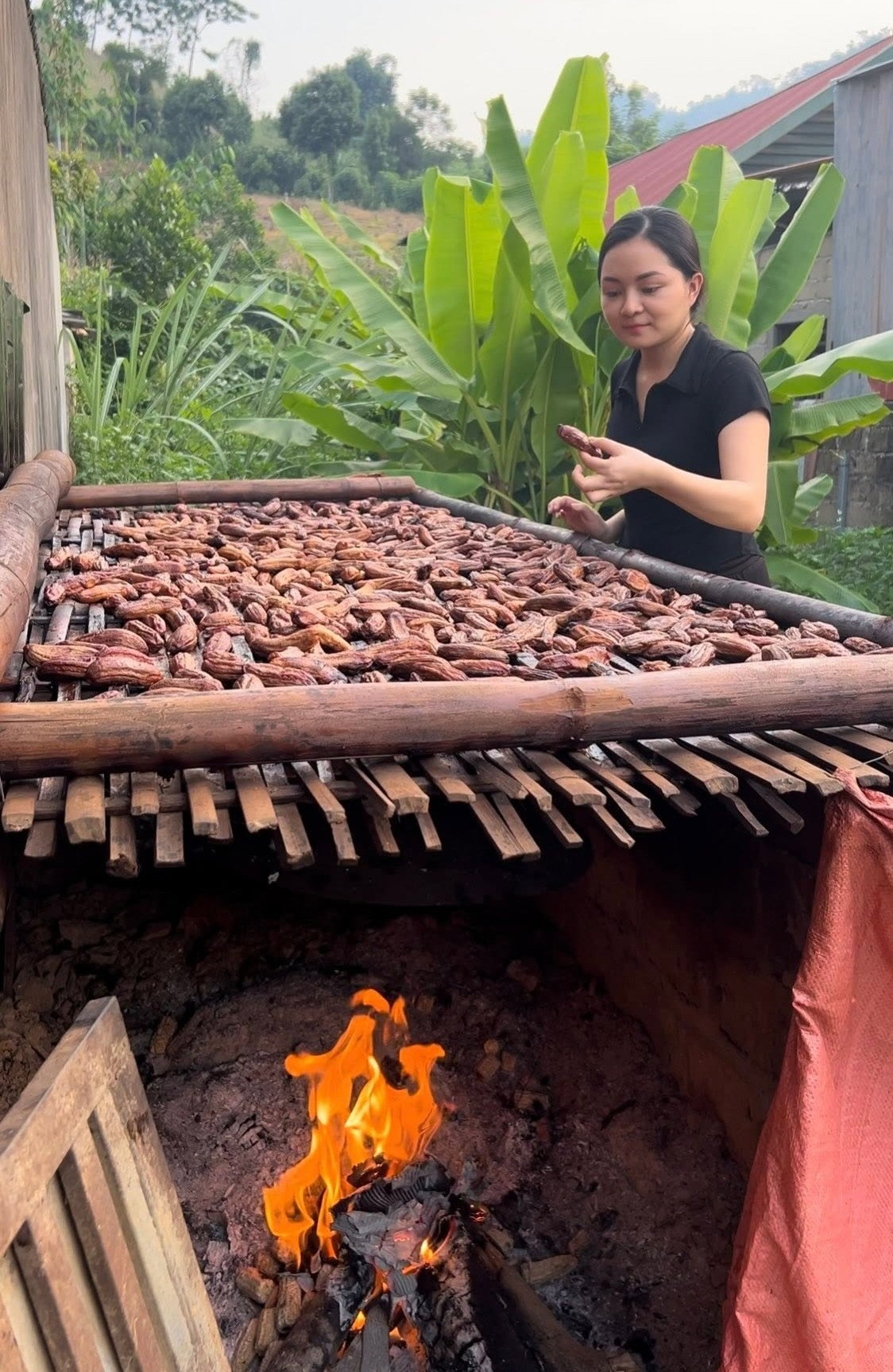
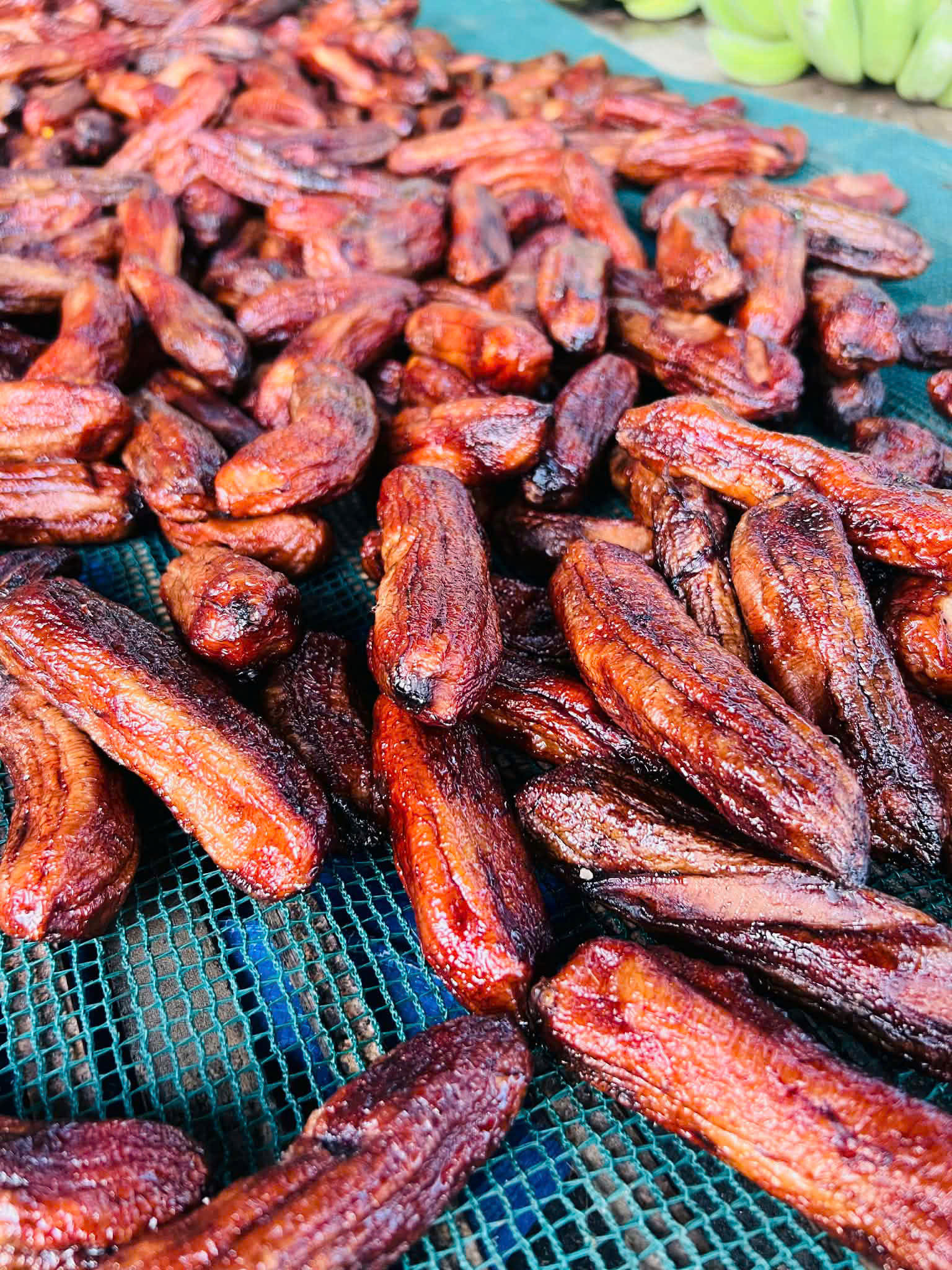
The mountain glutinous rice is soaked overnight, wet-ground and pressed to remove excess water. The rice dough is then mixed with the softened fire-dried bananas before being kneaded into a smooth, elastic mixture.
The dough is divided into small portions, shaped by hand and wrapped in wild banana leaves. Before wrapping, the leaves are washed and air-dried to make them supple and durable.
High-quality banana leaves give the finished cakes a smooth exterior, prevent sticking and add a subtle natural fragrance.
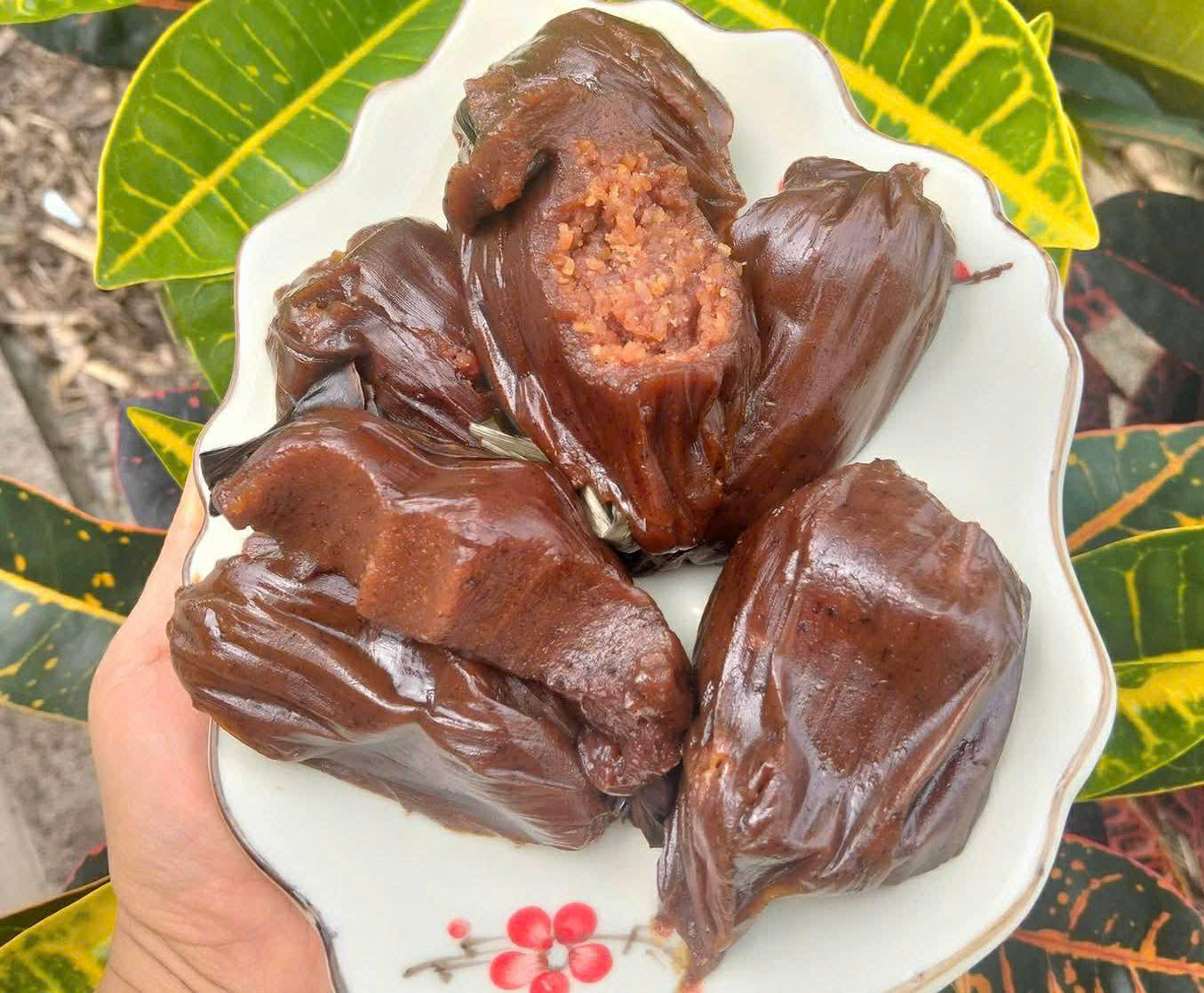
Depending on local customs and family preferences, the cakes may be made plain or filled with peanuts or mung beans. Filled versions offer more complex flavors, while plain cakes are easier to preserve and have a longer shelf life.
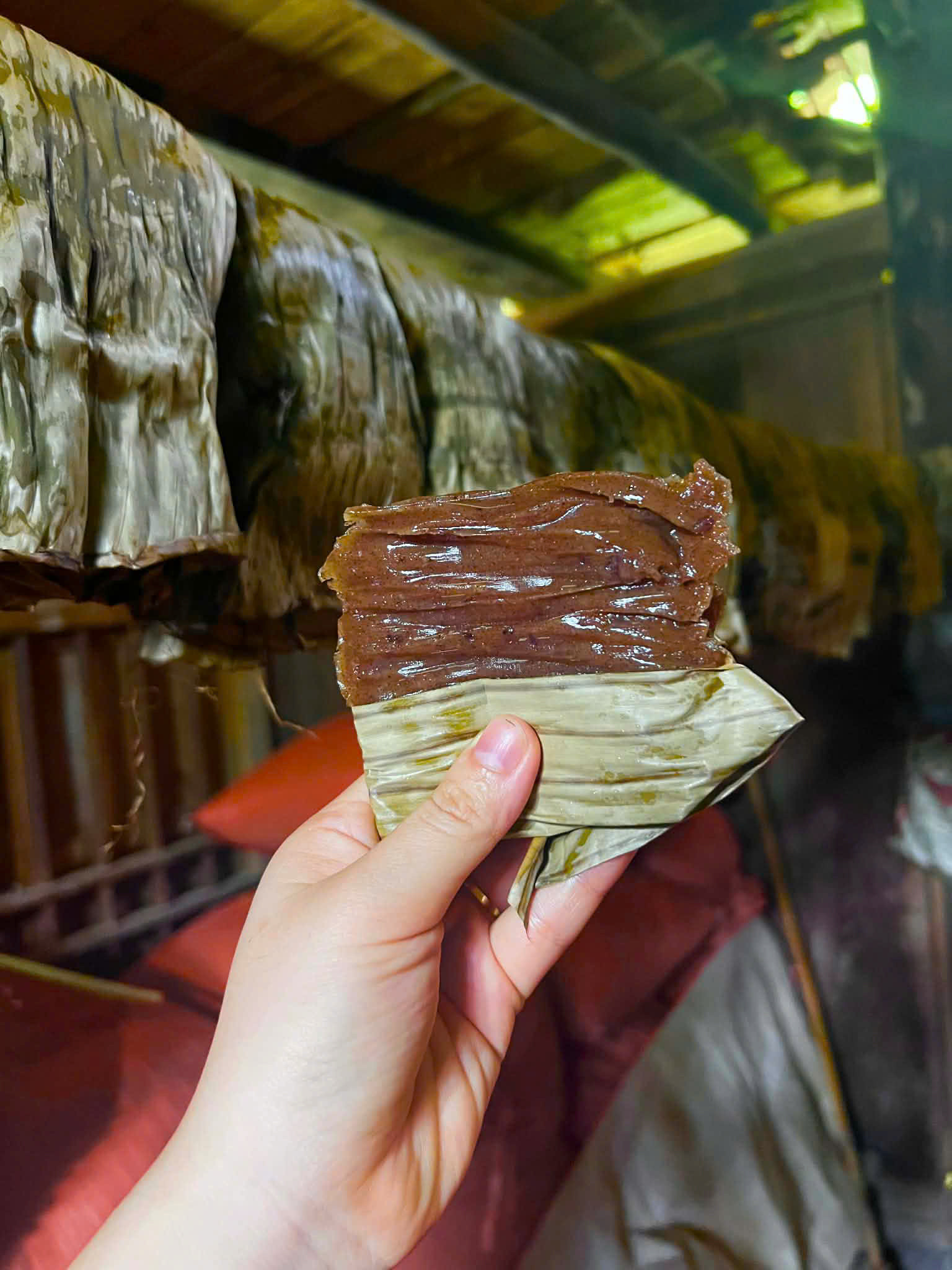
According to Huyen, the Tay people traditionally tie the cakes together in pairs, twist both ends, secure them with bamboo strips and steam them.
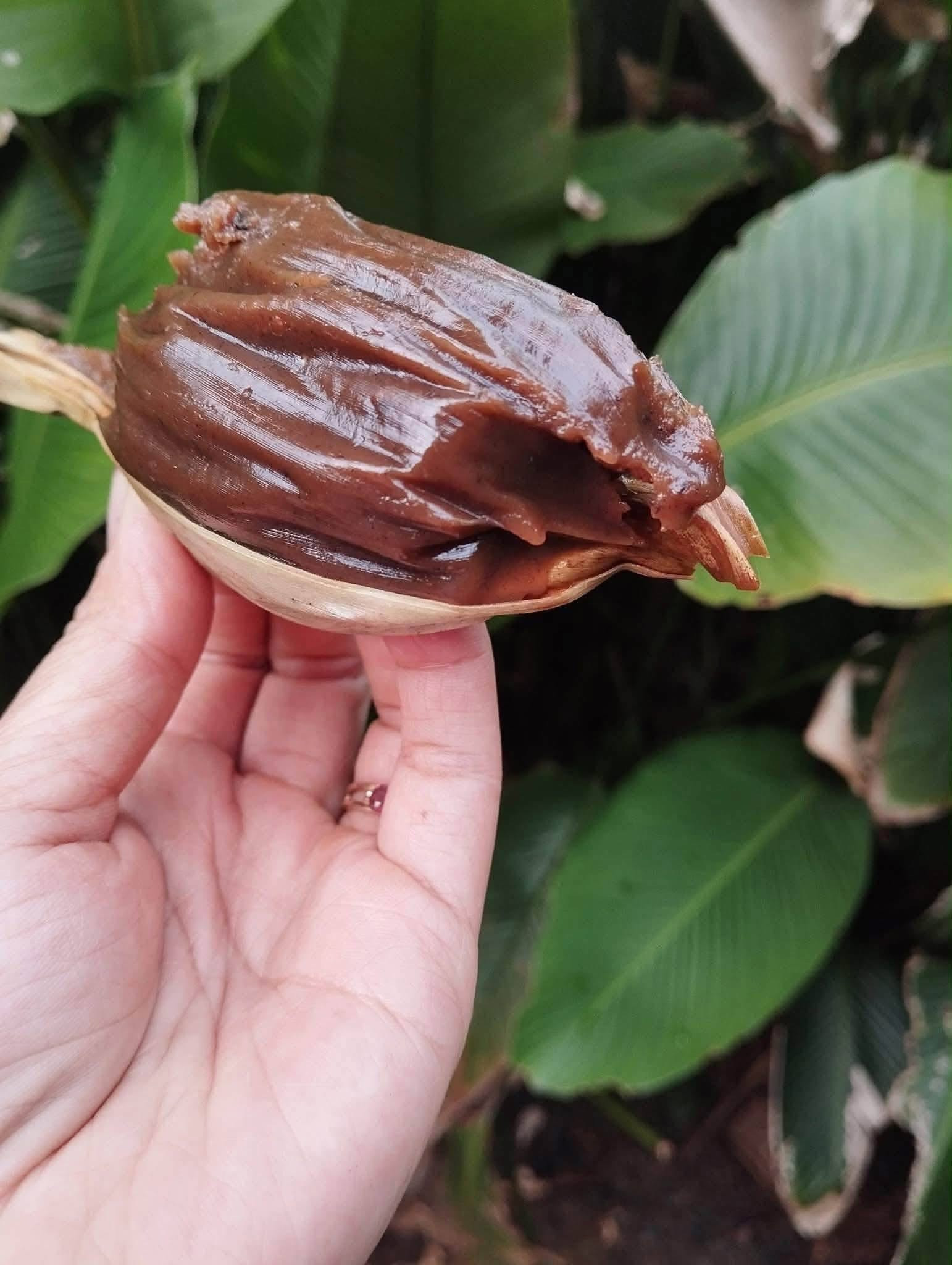
After about 45 minutes of steaming, the cakes are ready. They emerge with a glossy brown color, a fragrant banana syrup aroma and a pleasantly chewy texture complemented by a gentle, naturally refreshing sweetness.
"The cake has just the right amount of sweetness from the bananas and glutinous rice, making it easy to enjoy. Unlike many sweet cakes, it isn't overly sugary or heavy. What makes it special is that it stays soft and chewy for several days at room temperature, whereas many other cakes quickly become hard or lose their flavor," Huyen said.
Thao Trinh
.svg)
