 Vietnamnet.vn

 Podcast



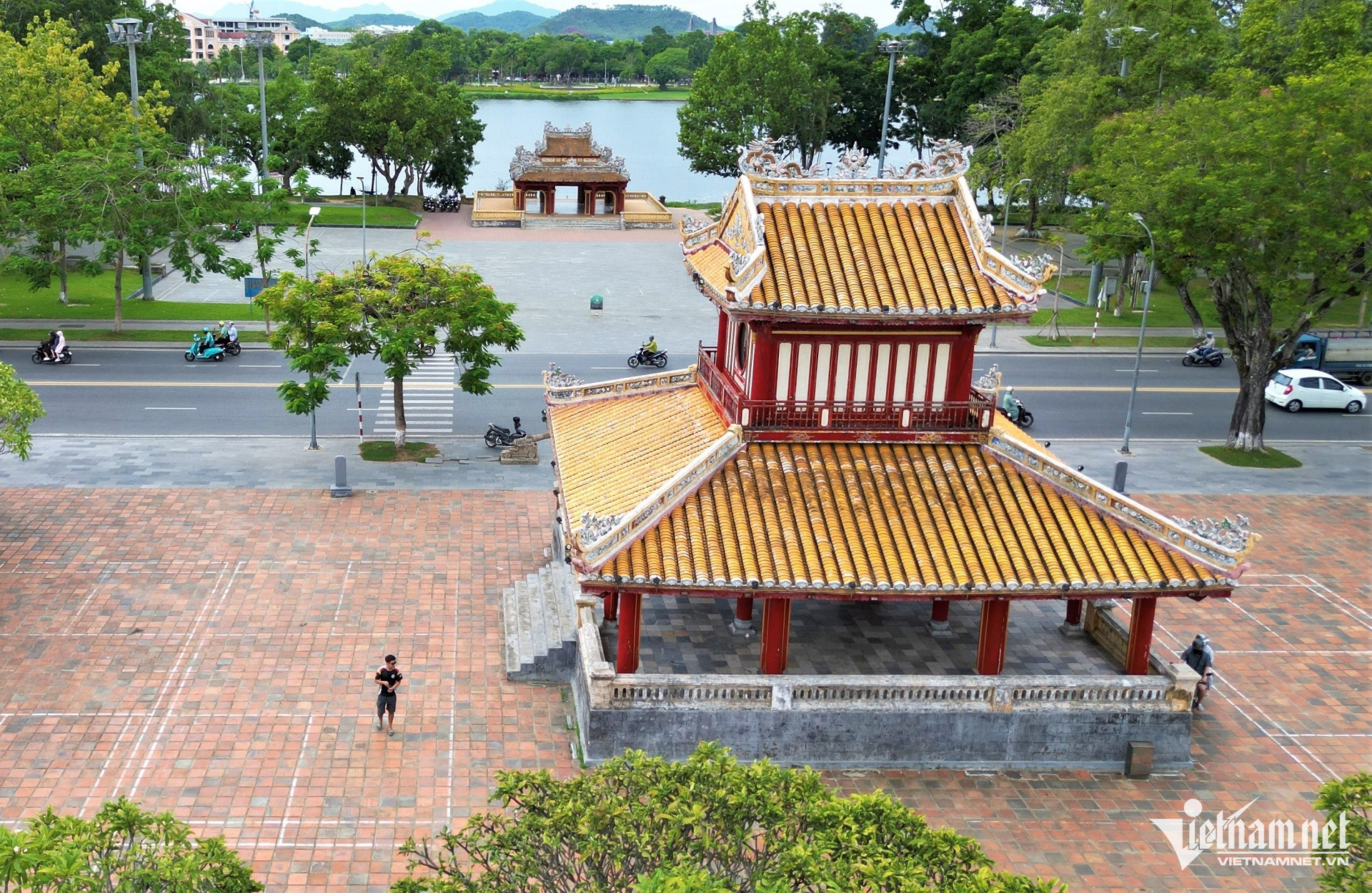
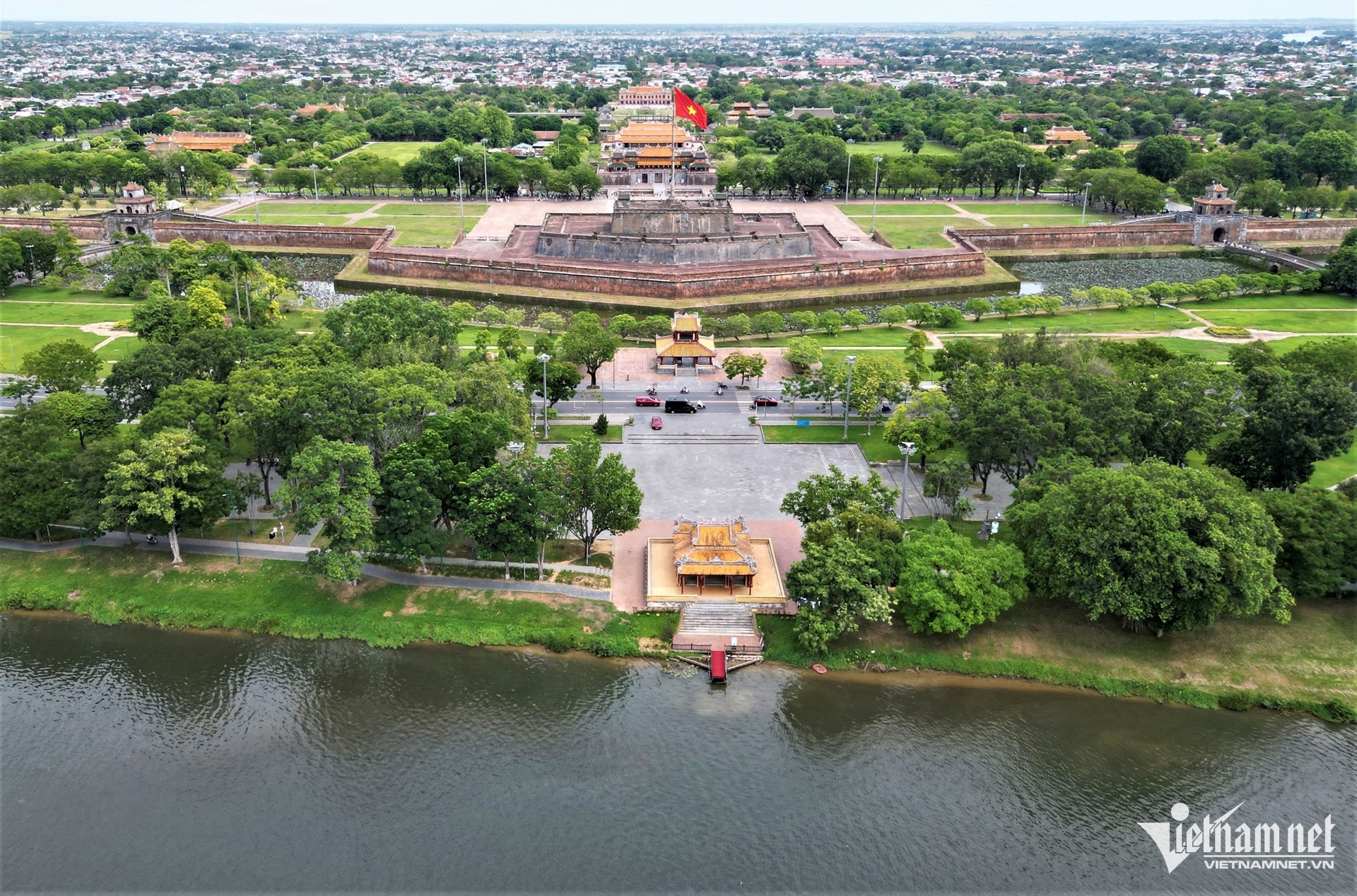
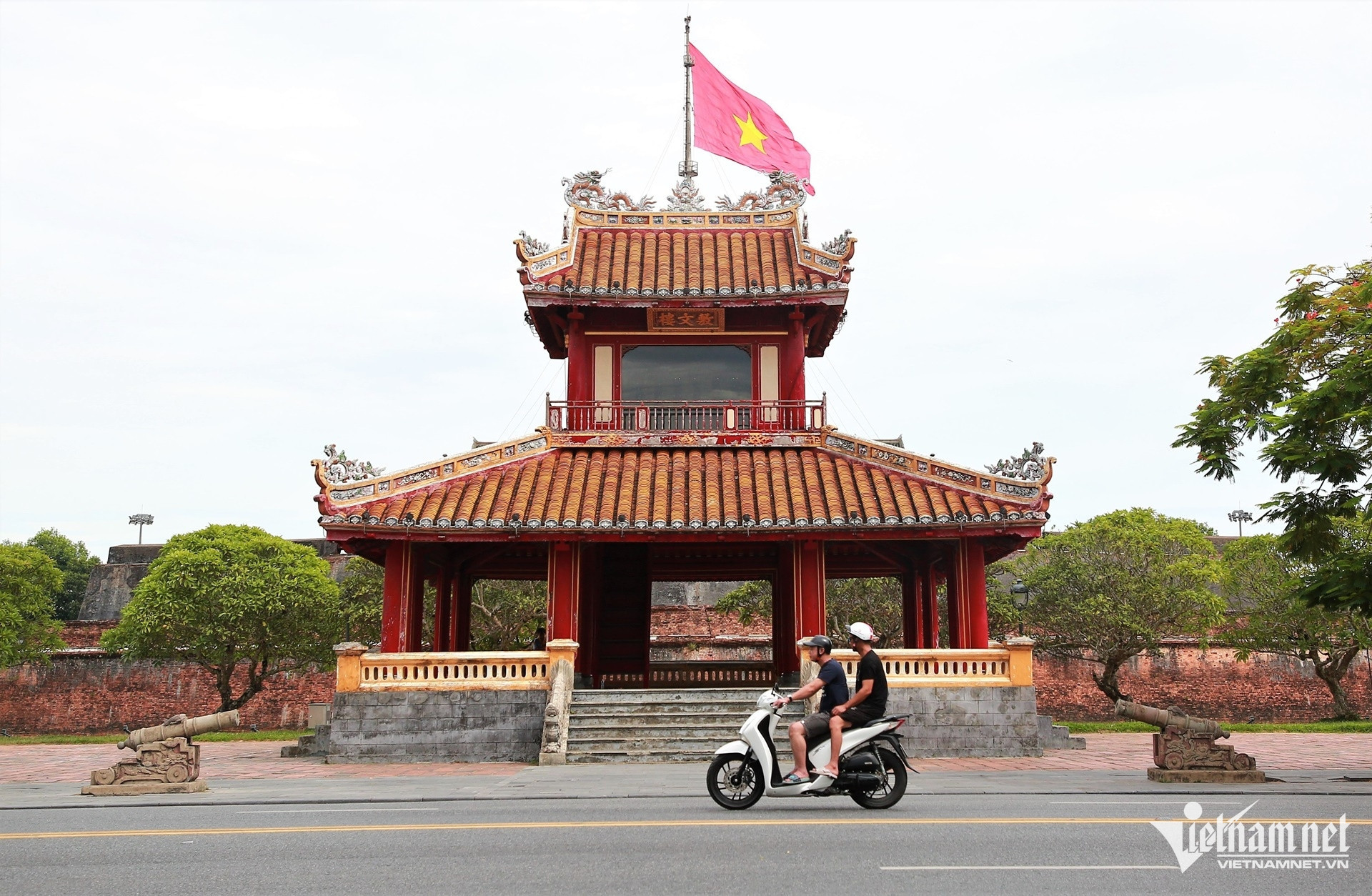
It was where royal decisions and policies were publicly announced, while the names of successful doctoral candidates were also posted there following the imperial examinations.
Publicly displaying the names of newly successful scholars both honored talented individuals and helped encourage the pursuit of education in society at the time.
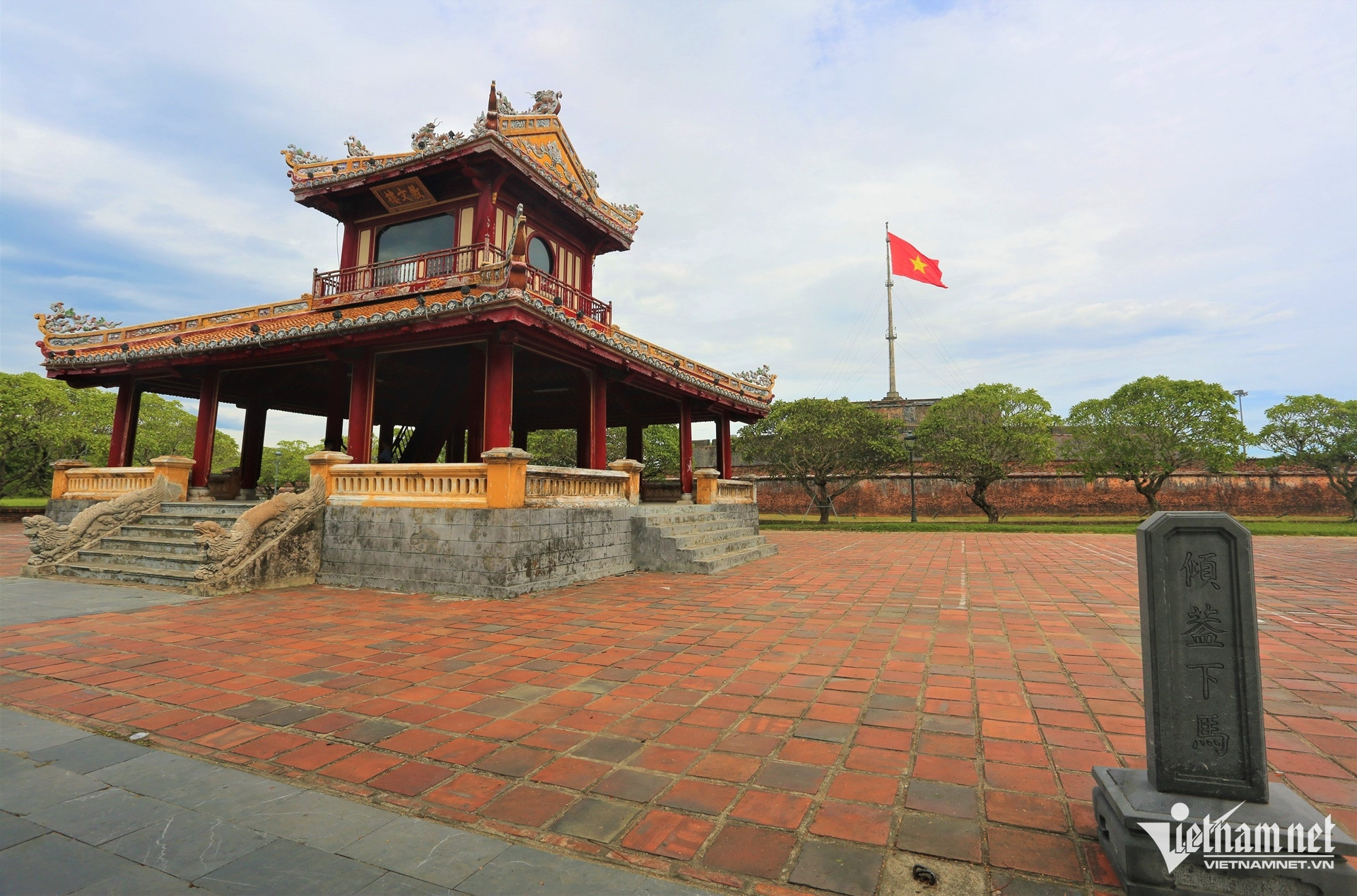
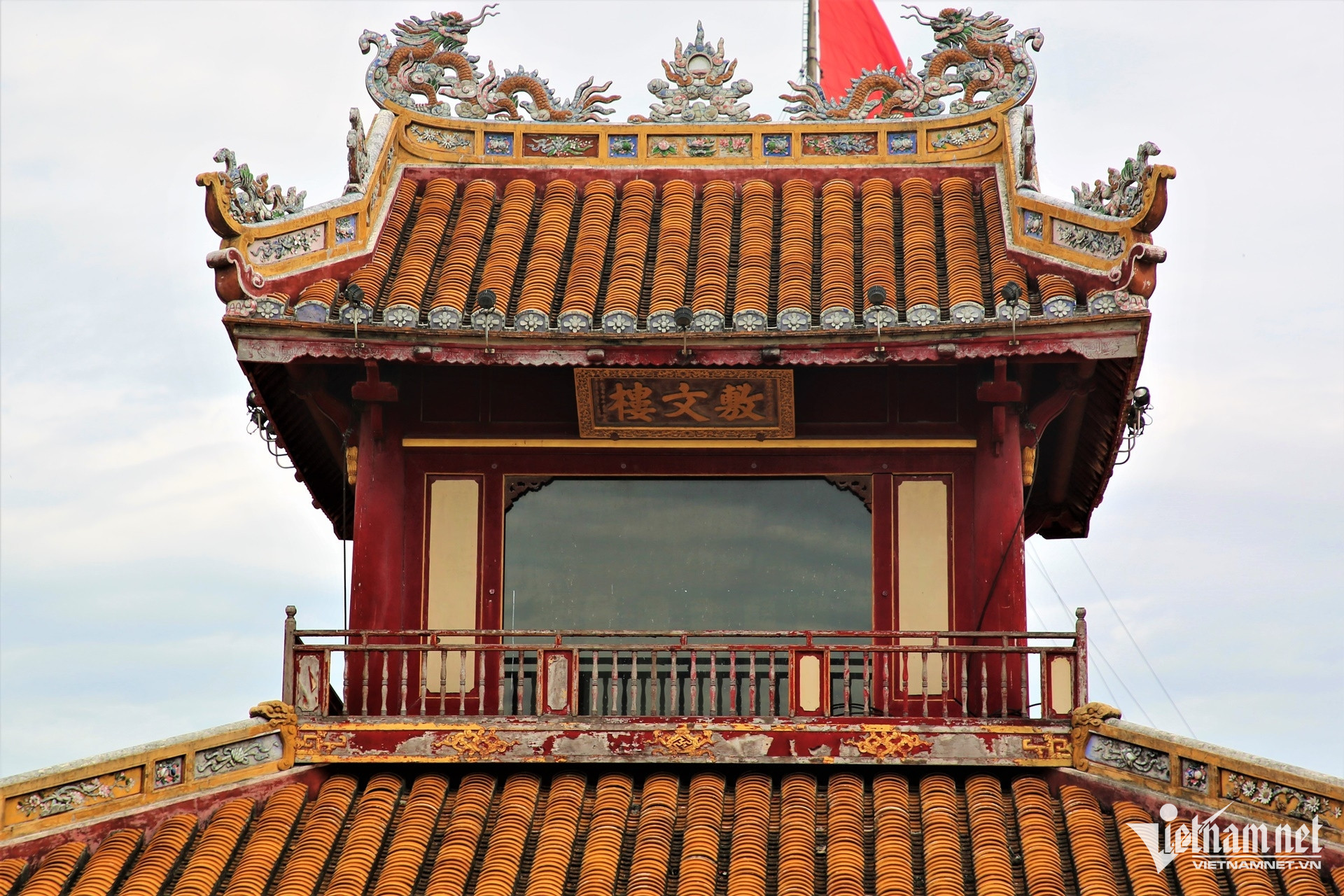
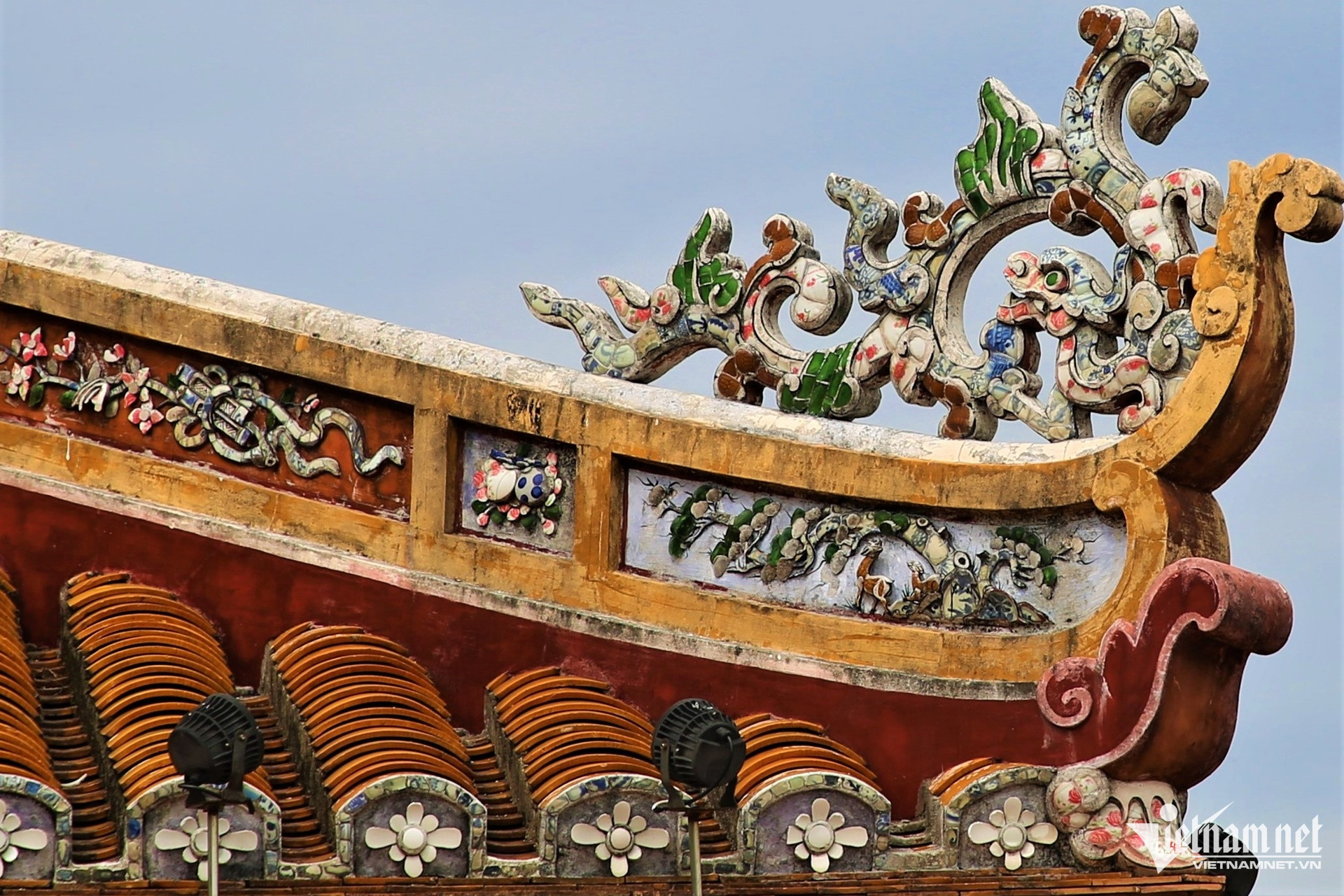
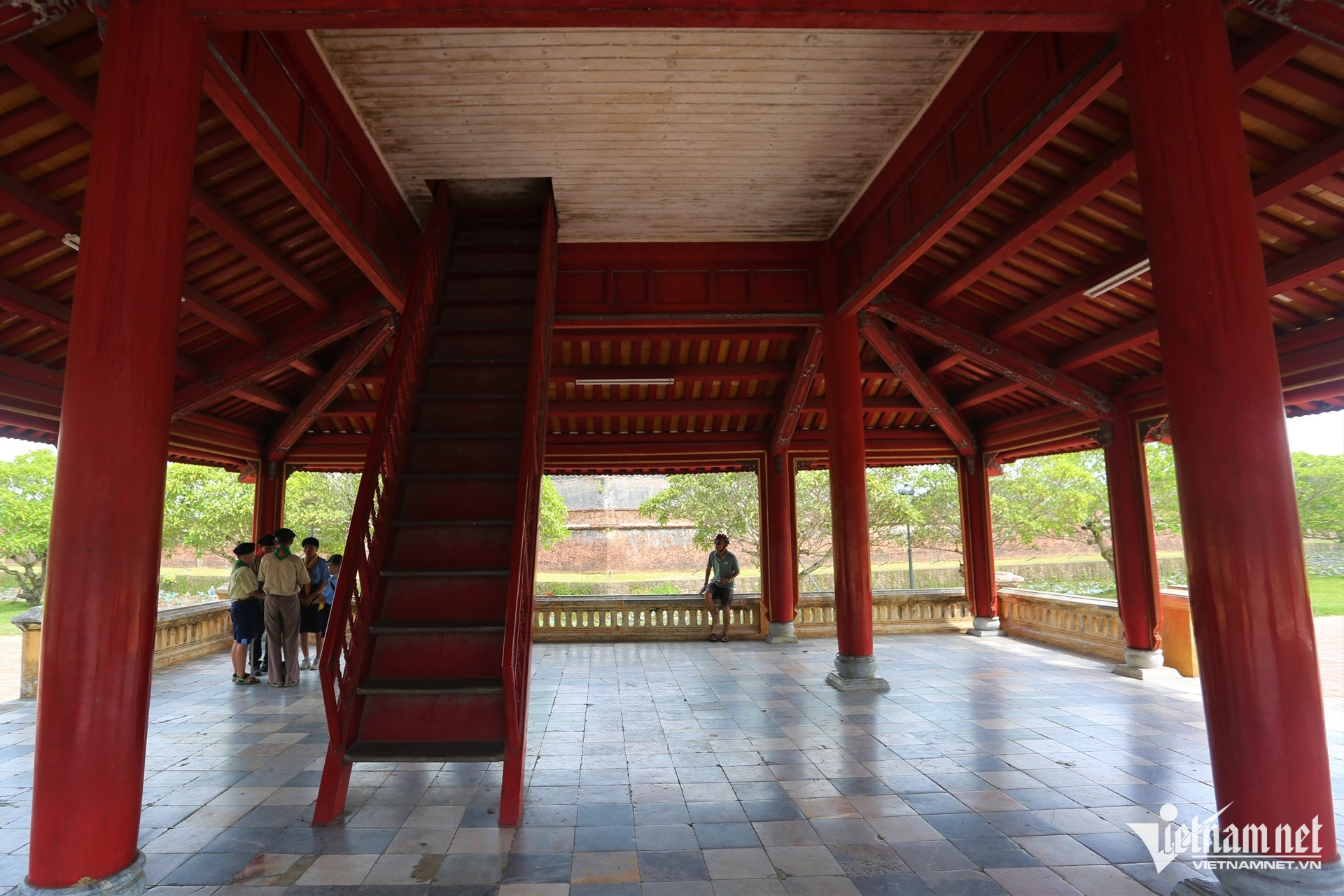
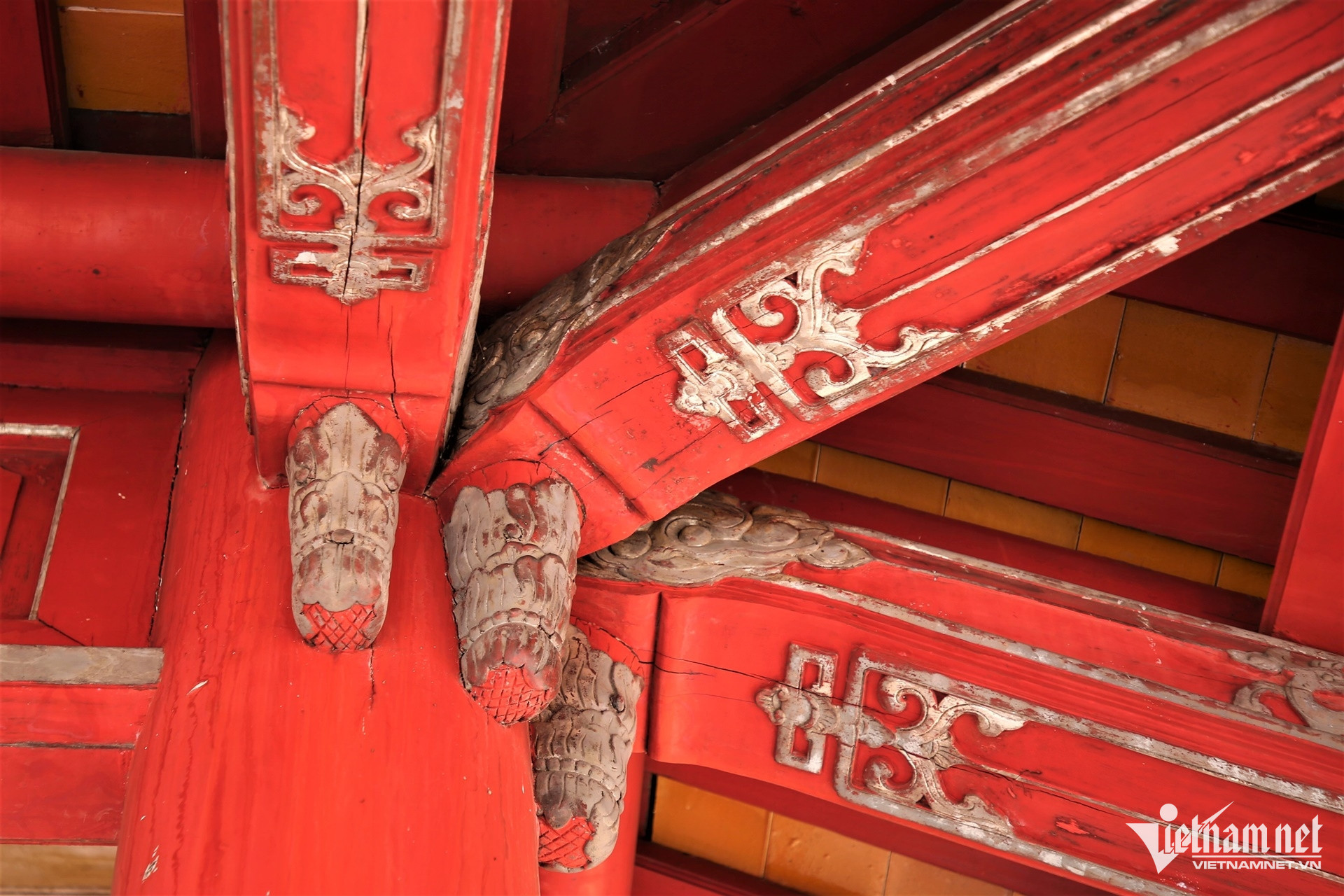
Up close, the ends of the rafters and other wooden structural elements reveal finely detailed decorative work. The paint has faded in many places, leaving visible traces of time on the historic structure.
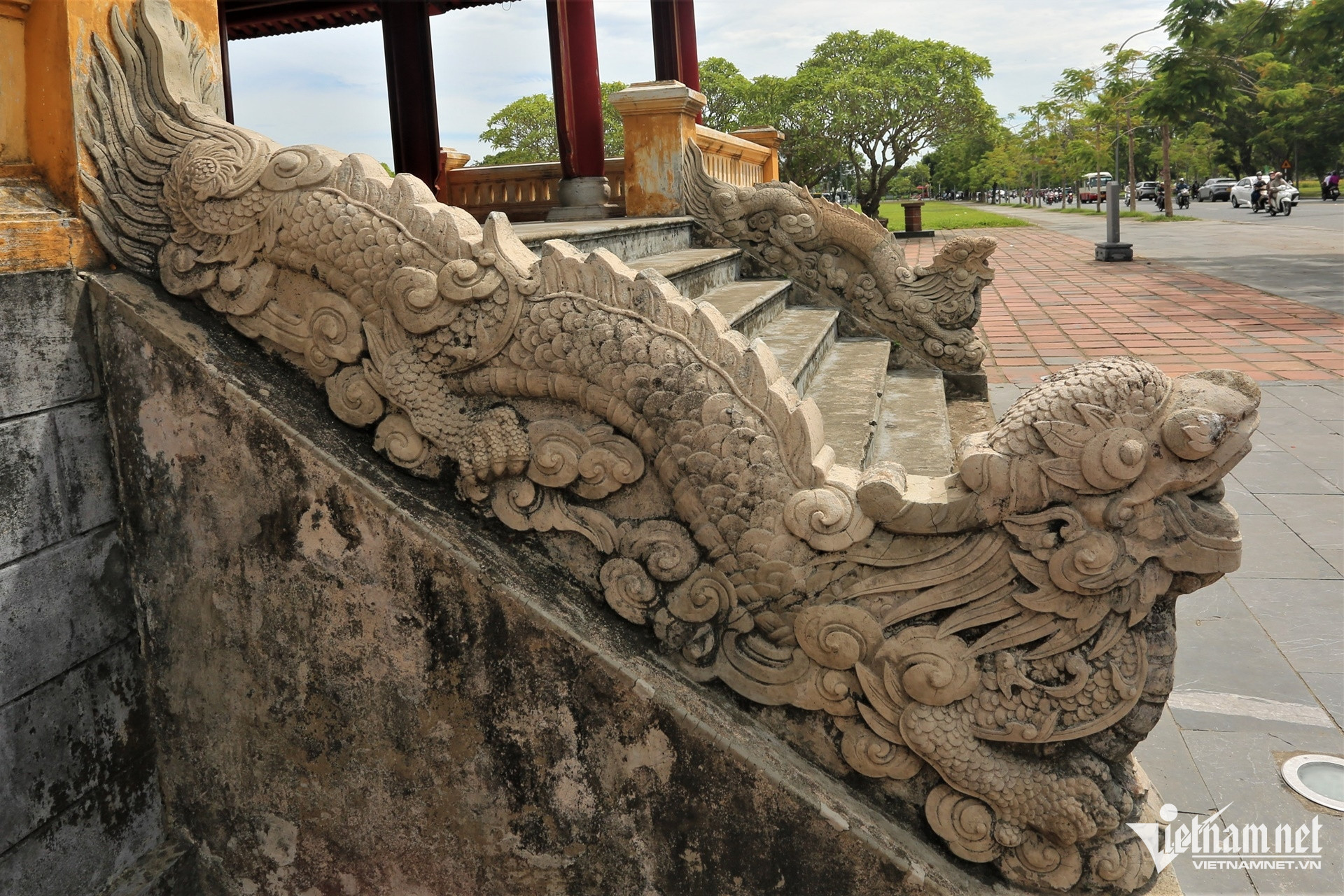
The steps at the front are flanked by sculpted dragons with flowing, curved lines. Over time, their surfaces have weathered and changed color, further accentuating the monument’s antique appearance.
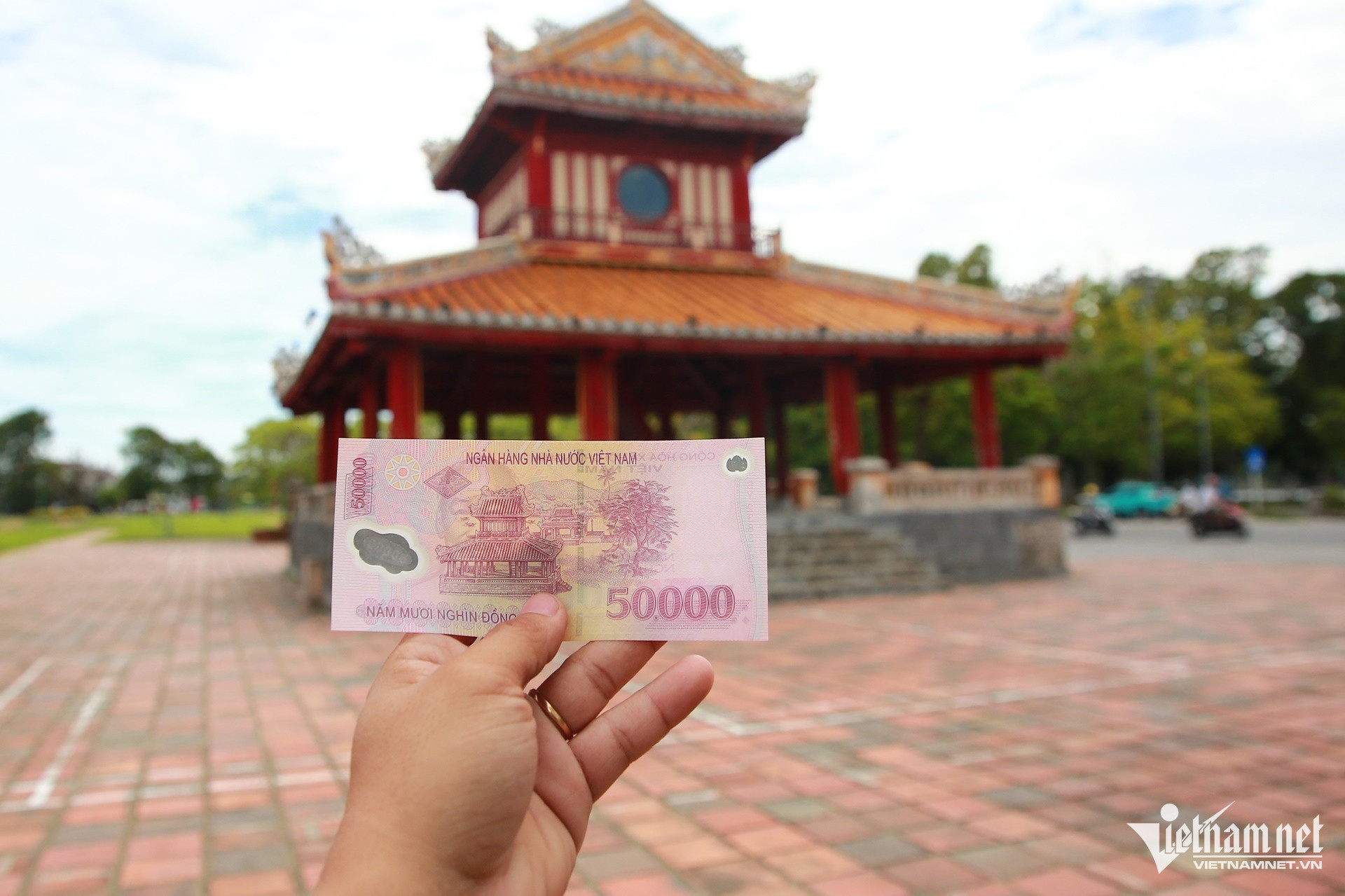
Many visitors to Hue make their way to Phu Van Lau and Nghenh Luong Dinh to explore the landmarks and take photographs. One visitor holds up a VND50,000 ($1.90) banknote to compare its image with the real Phu Van Lau.
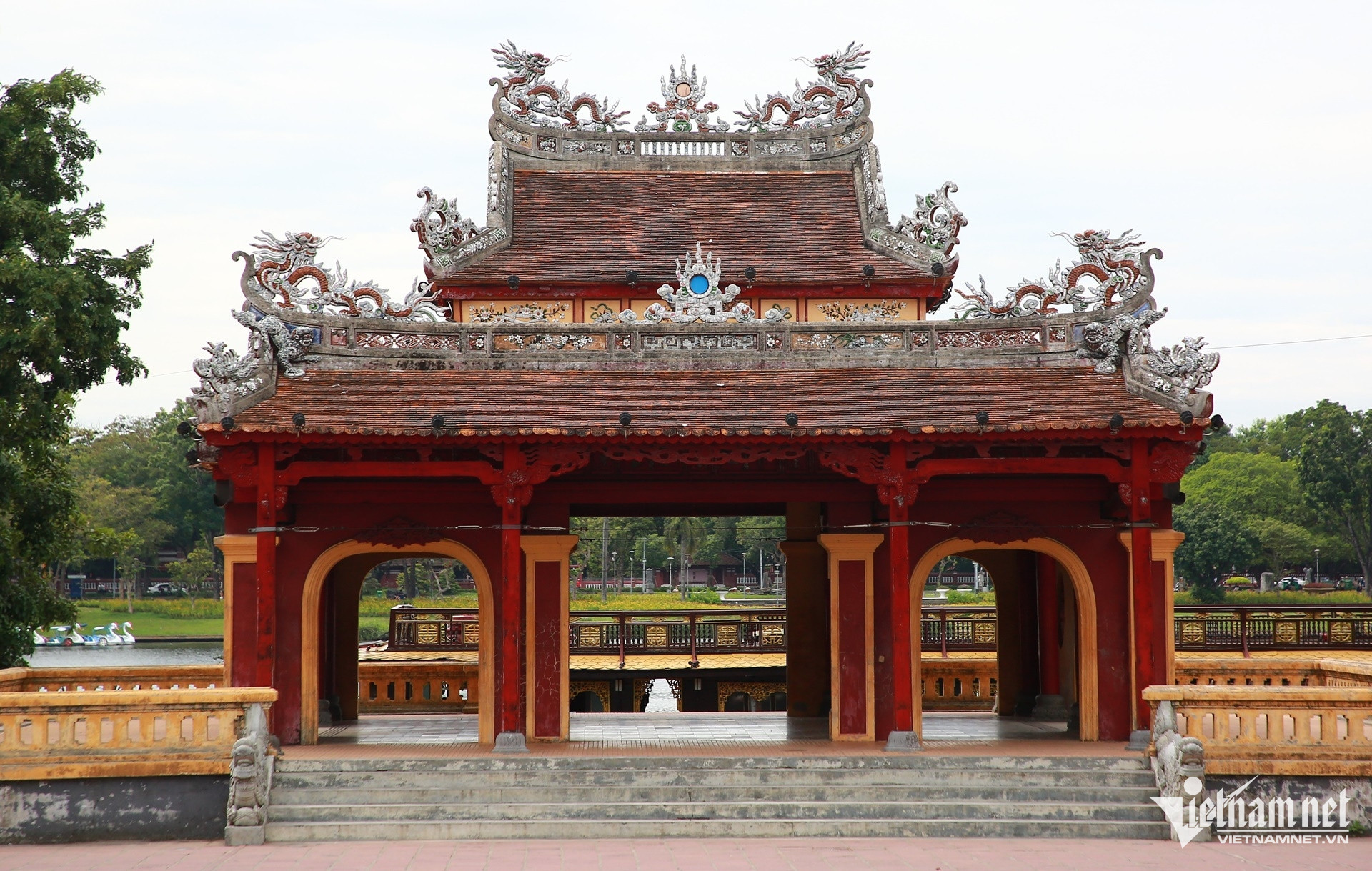
On the reverse of the note, Phu Van Lau and Nghenh Luong Dinh are depicted amid the distinctive scenery of Hue. Across the road, close to the bank of the Perfume River, stands Nghenh Luong Dinh.
Also built during the Nguyen Dynasty, the pavilion once served as a place where the emperor could rest before heading to the river wharf to board a royal dragon boat or simply enjoy the cool breeze.
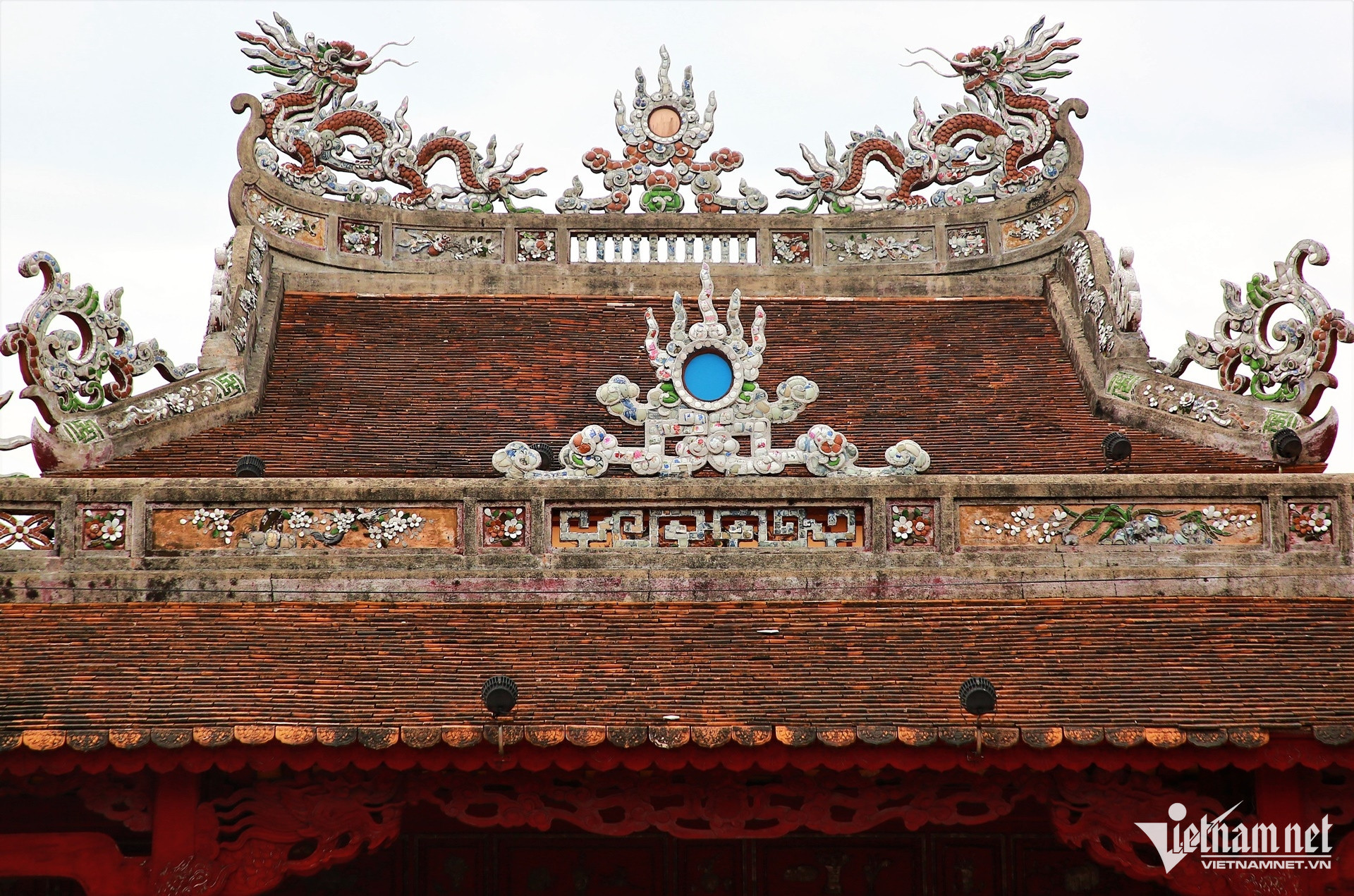
Set close to the water in an open setting, Nghenh Luong Dinh has a graceful appearance that contrasts with the more imposing structures inside the Imperial Citadel. Nghenh Luong Dinh is striking for its layers of curved roofs and colorful ornamentation. Dragon figures, floral motifs and ceramic mosaics across the roof lend a sense of softness and elegance to the riverside structure.
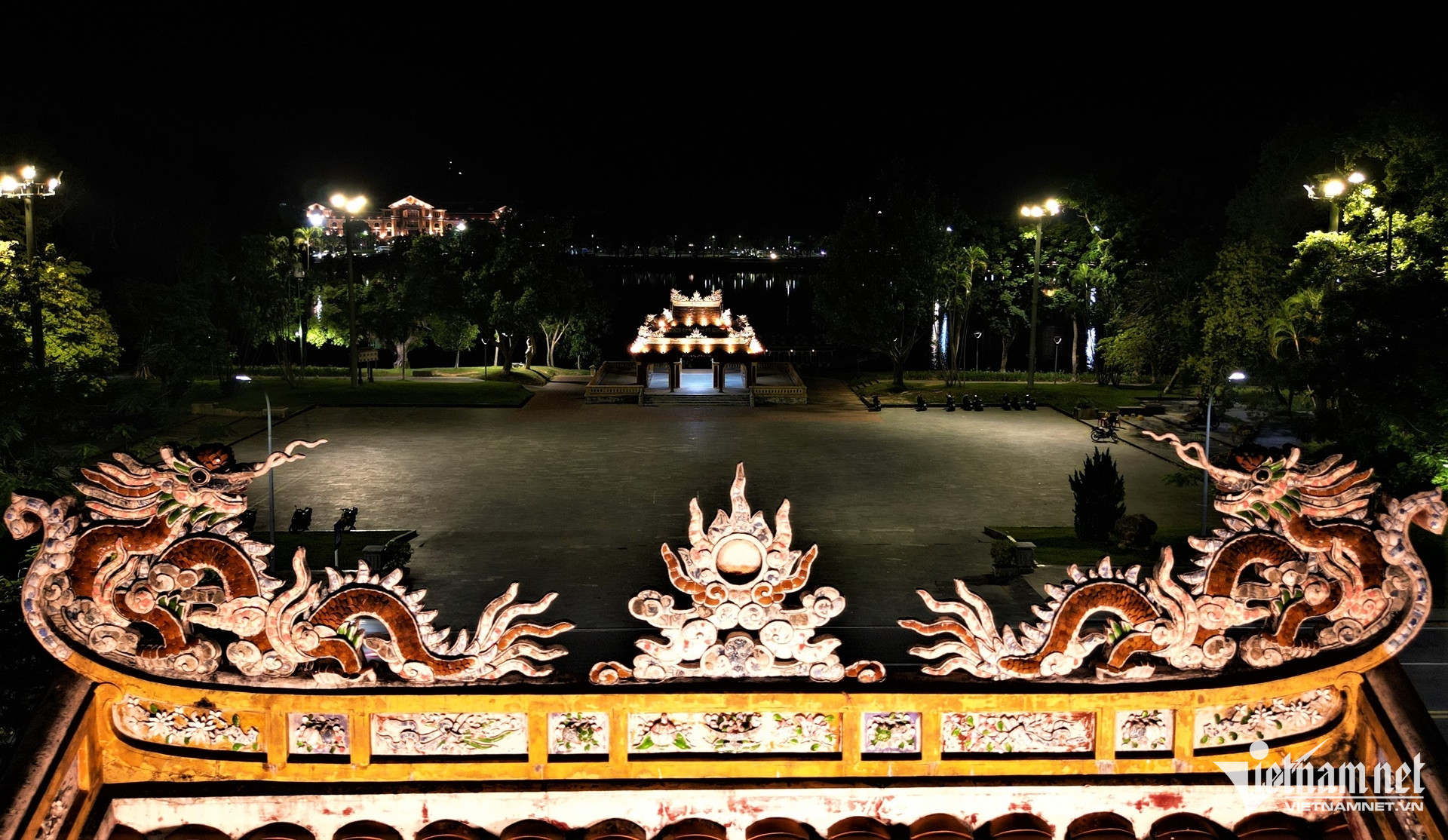
At night, Nghenh Luong Dinh glows beside the Perfume River when viewed from Phu Van Lau. Dragon figures and decorative motifs on the roof in the foreground form a natural frame, drawing the eye toward the illuminated pavilion in the distance.
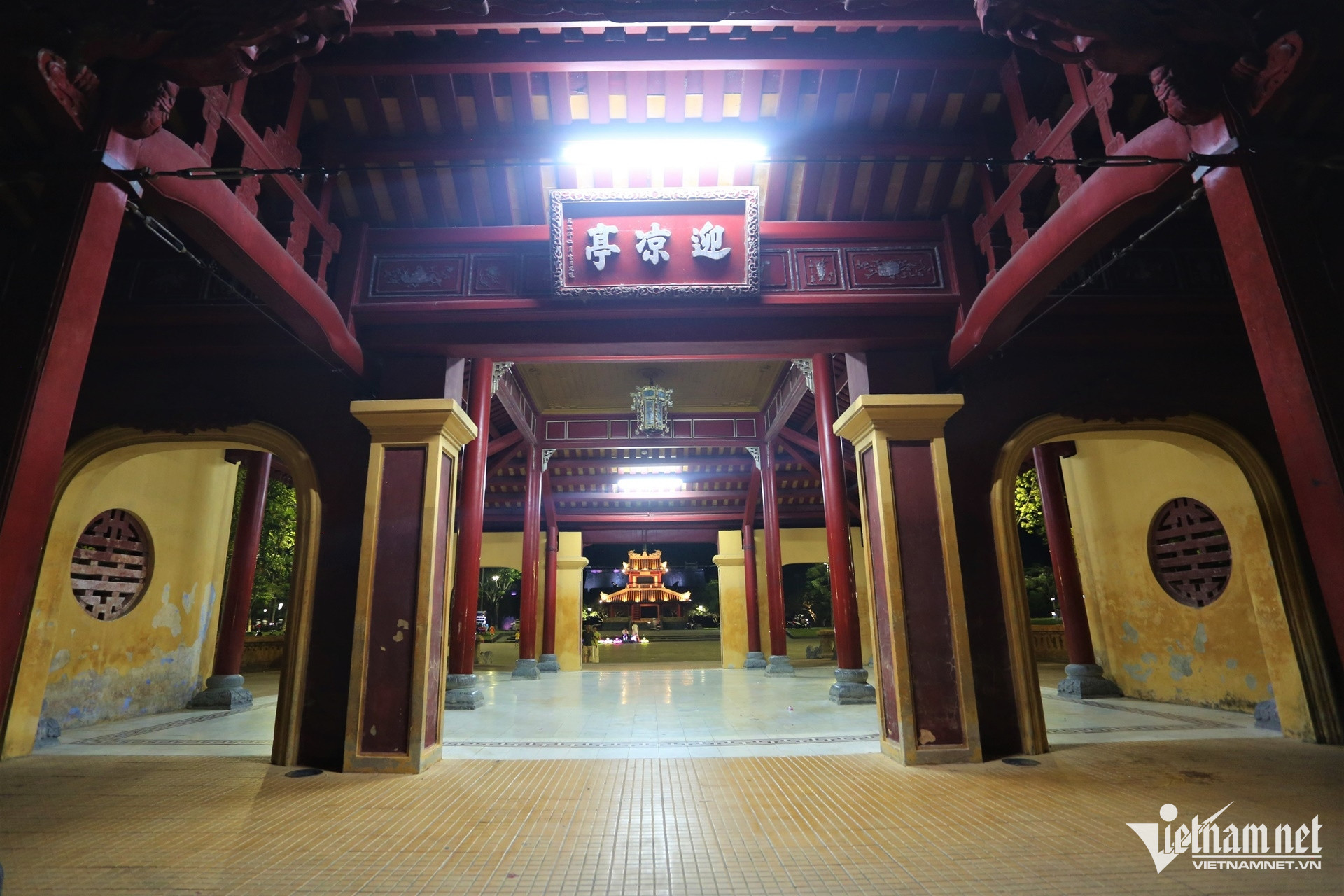
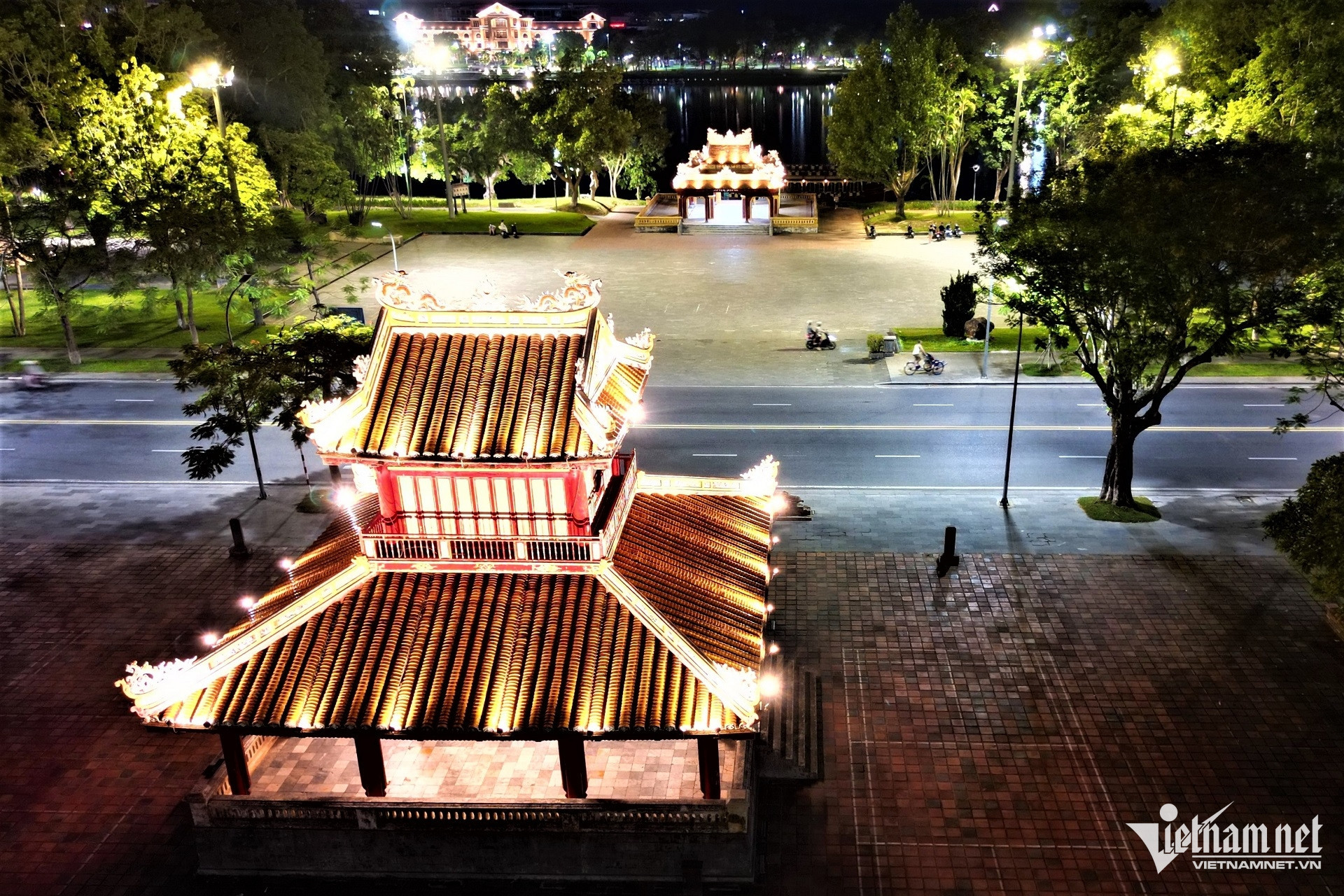
After dark, Phu Van Lau and Nghenh Luong Dinh are both illuminated, facing each other across Le Duan Street. More than a century after they were built, the two structures remain familiar landmarks in the heritage landscape at the heart of Hue.
Ha Nam
.svg)
