 Vietnamnet.vn

 Podcast



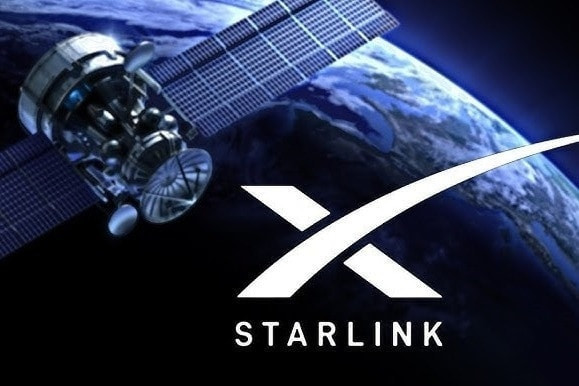
February 13 marks a significant milestone in Vietnam’s journey to strengthen its national digital infrastructure, as the Radio Frequency Department officially granted a license for the use of radio frequencies and radio equipment to Starlink Services Vietnam Co., Ltd.
The event is more than an administrative decision. It signals that Vietnam is opening itself more decisively to next-generation space technology, where Internet access is no longer constrained by mountainous terrain, offshore islands or long-standing infrastructure blind spots.
Under the issued radio frequency license granted to SpaceX, the initial deployment phase will include four gateway stations and a maximum of 600,000 user terminals in Vietnam. The scale reflects a methodical, carefully controlled rollout aligned with the national telecommunications infrastructure roadmap.
Being licensed to use radio frequencies means the system can legally deploy transmission and reception infrastructure in Vietnam, fully complying with regulations on radio frequency management and ensuring no interference with existing wireless communication networks.
This is a critical factor for sustainable market development, preventing technical conflicts and safeguarding information security. Notably, this first approval underscores an evolving regulatory mindset: tightly managing the finite national resource of radio spectrum while simultaneously creating controlled space for breakthrough technologies to be tested.
Establishing a clear legal corridor for expanding Internet coverage from low Earth orbit satellites lays the groundwork for a stable and long-term digital connectivity ecosystem.
Beyond technology, the move reflects Vietnam’s proactive vision amid the global commercialization of space technology.
As the world extends its connectivity footprint into orbit, Vietnam is preparing its foundation to ensure it is not left behind.
The February 13 decision can therefore be viewed as a strategic boost to connectivity infrastructure, formally integrating Internet-from-the-sky into the country’s digital development strategy, with the goal of comprehensive, inclusive and sustainable connectivity in the new era.
Earlier media reports indicated that SpaceX, the space company founded by billionaire Elon Musk, plans to invest US$1.5 billion in Vietnam.
The investment is aimed at deploying Starlink satellite Internet services, expected to provide broadband connectivity across the entire territory of Vietnam, particularly in remote, border and island areas where traditional Internet infrastructure remains limited.
The rollout of Starlink services is anticipated to accelerate digital transformation and narrow the digital divide in Vietnam. However, achieving optimal effectiveness will require close cooperation between SpaceX and domestic telecommunications enterprises, alongside investment in infrastructure and supply chains.
Such collaboration would contribute to narrowing the digital gap and expanding access to digital services for citizens nationwide, especially in areas that are difficult to reach with fixed broadband or 4G and 5G networks.
However, Starlink’s business model in Vietnam has not yet been disclosed.
The pilot period will last up to five years from the date the enterprise established by SpaceX in Vietnam is granted a telecommunications service business license, and will conclude before January 1, 2031.
Thai Khang
.svg)
