 Vietnamnet.vn

 Podcast



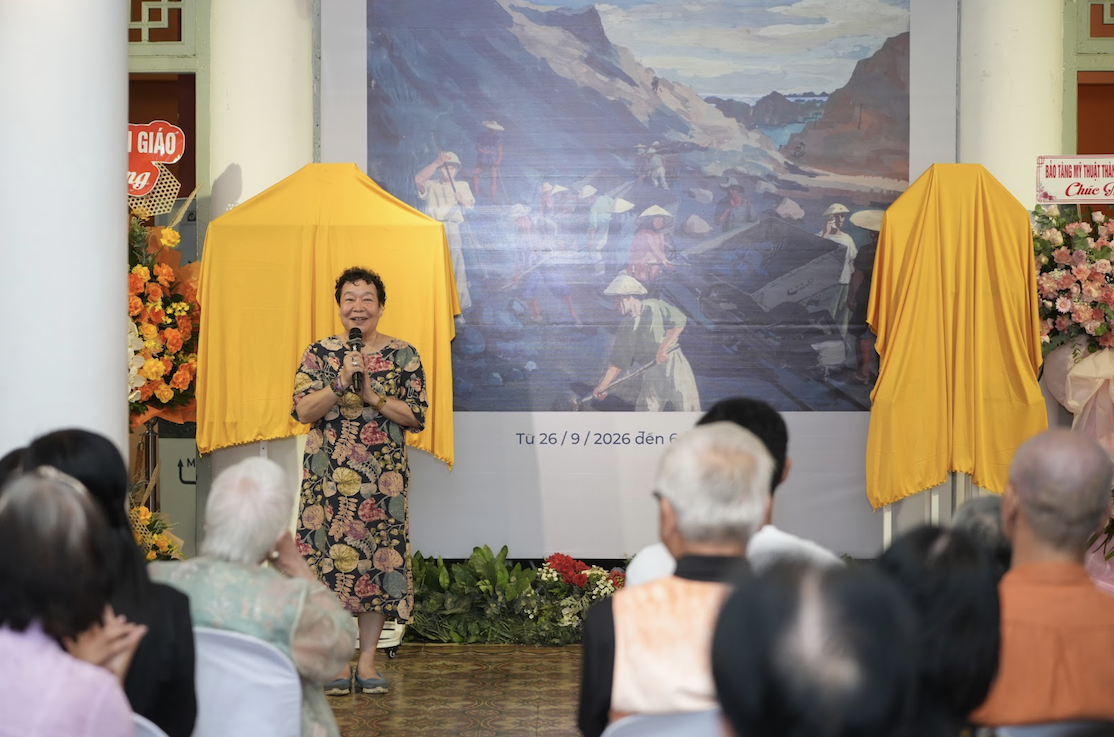
In the broader landscape of modern Vietnamese art, Van Giao stands as an example of complete artistic commitment: an indefatigable traveler who devoted his life to moving through the country, observing it and breathing alongside its changing fortunes, capturing the pulse of his time through a vivid and deeply human visual language.
Facing the hardships and challenges of life with optimism, he regarded contributing to society and his country as a higher purpose. That belief guided him through nearly eight decades of life and art.
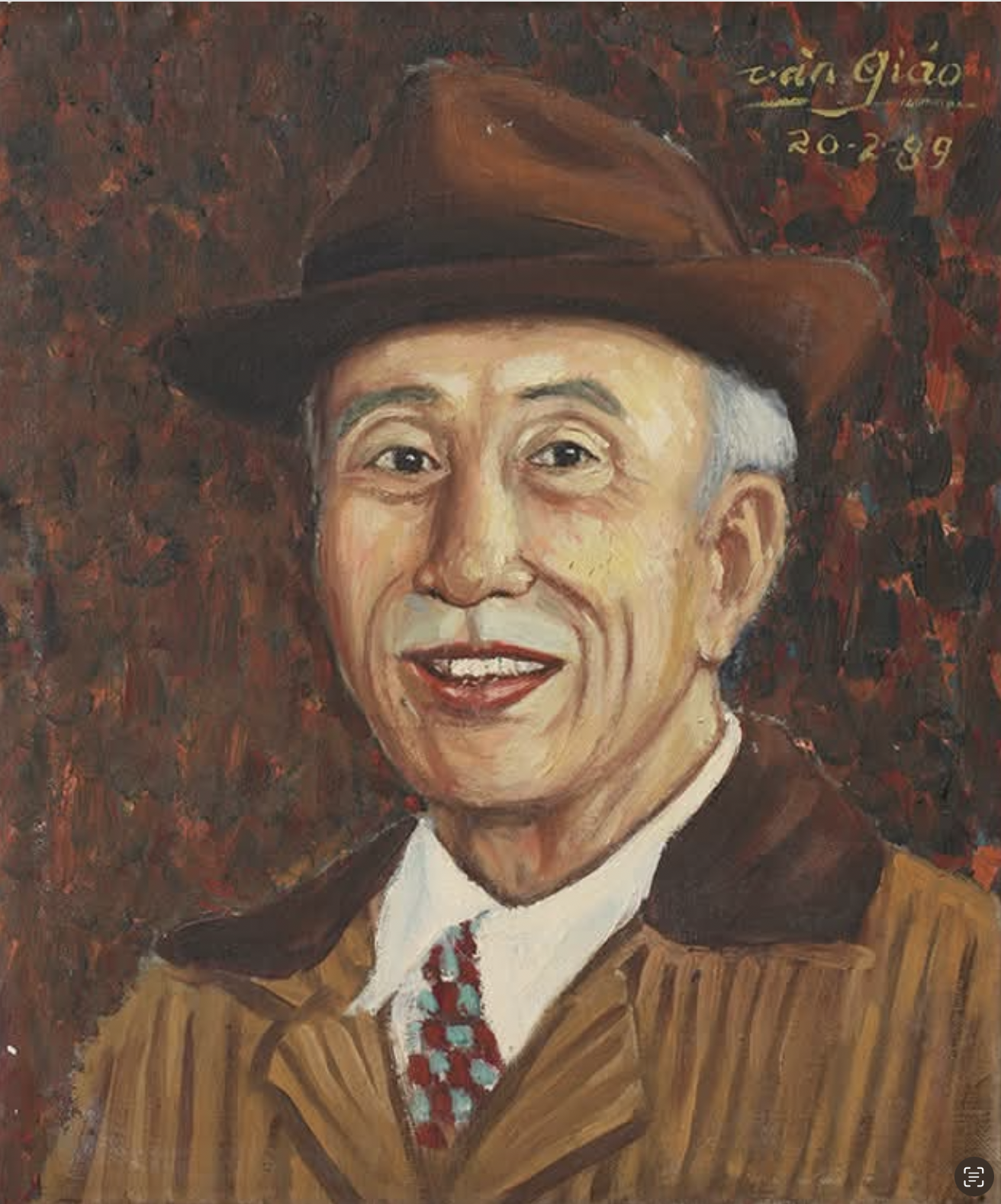
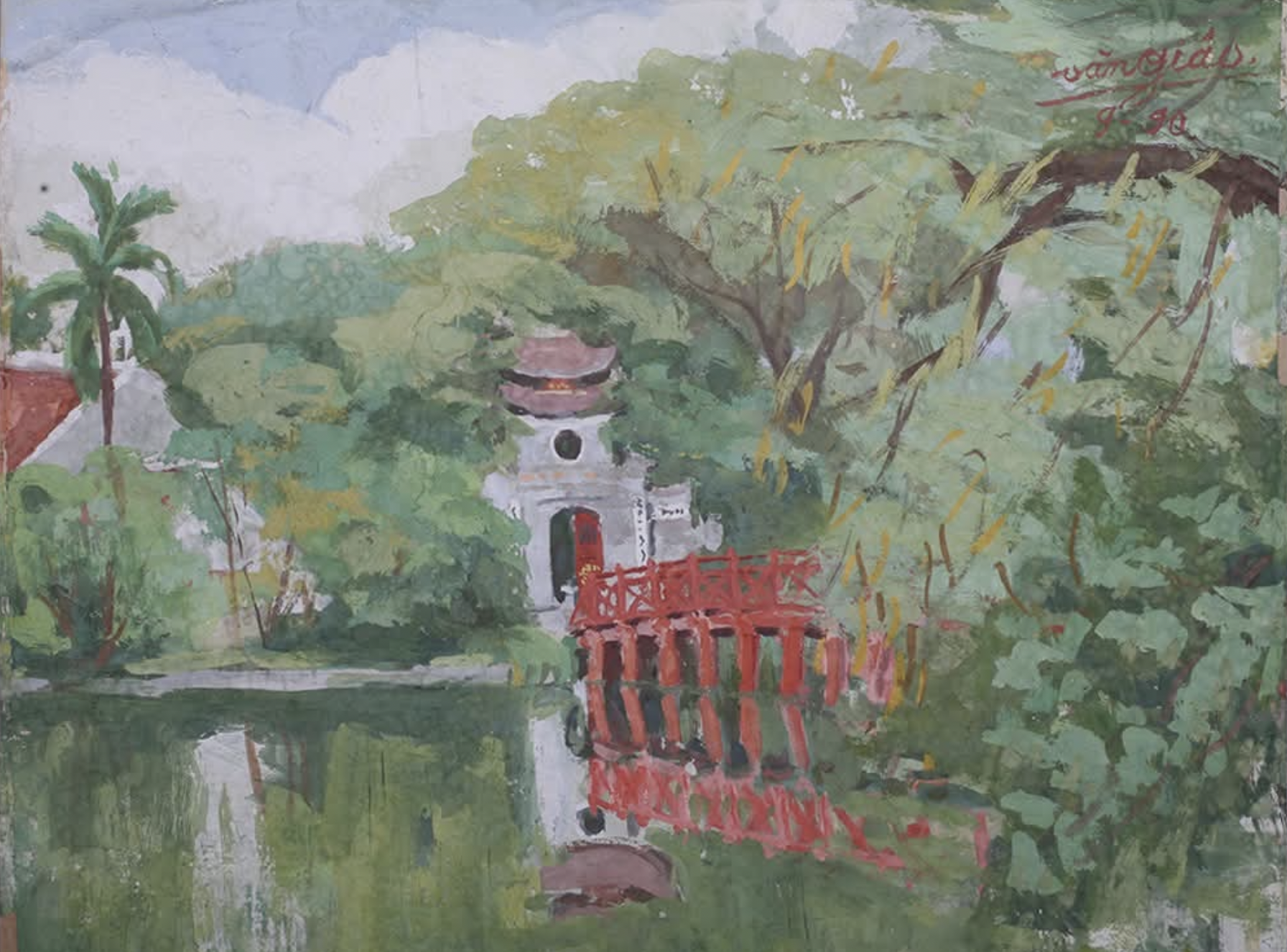
From a young man passionate about painting, Van Giao spent four years studying at the Indochina College of Fine Arts. He produced an important early work, The Inner Gate of the Temple of Literature (1939), now in the Vietnam National Fine Arts Museum. It marked the beginning of an intensely productive artistic period before the August Revolution of 1945. He would later become a cultural soldier in the revolutionary cause and a master of Vietnamese gouache painting.
Van Giao’s enormous creative output - thousands of works and more than 100 solo exhibitions from 1945 until the final years of his life - can leave viewers astonished by the endurance of an artist who traveled to almost every corner of Vietnam. Yet perhaps his greatest legacy lies in the purity of his artistic life, the distinctive world he created through his work, and the deep relationships he formed with fellow artists and writers, national leaders and working people.
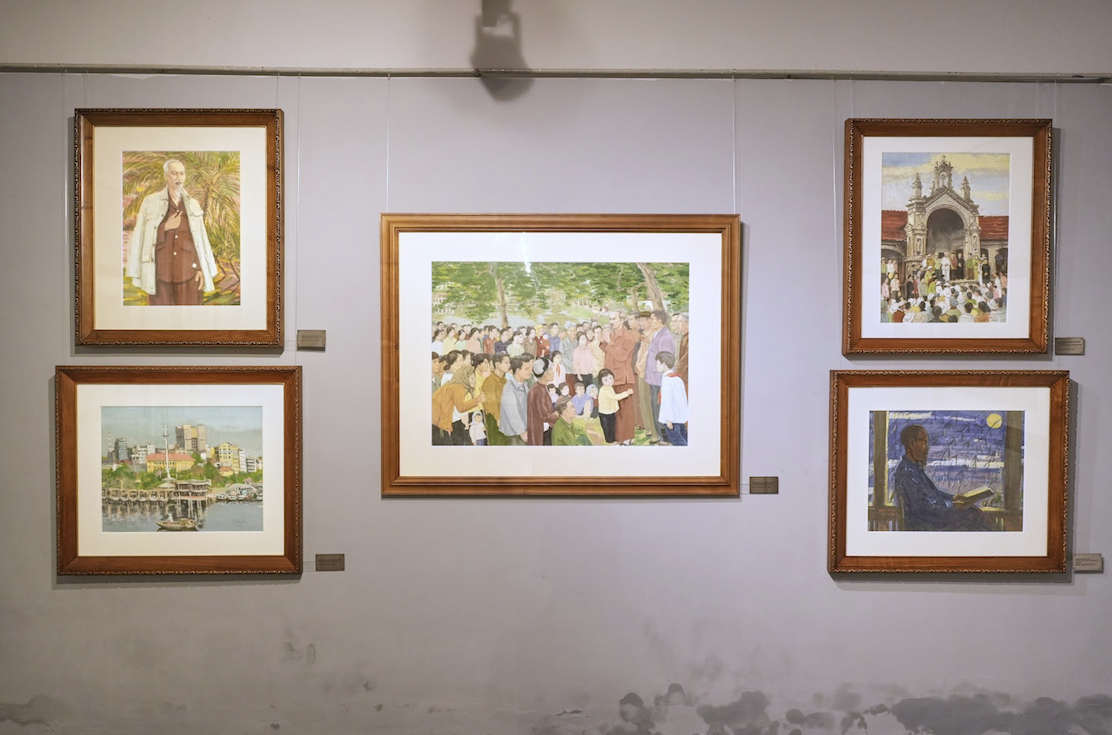
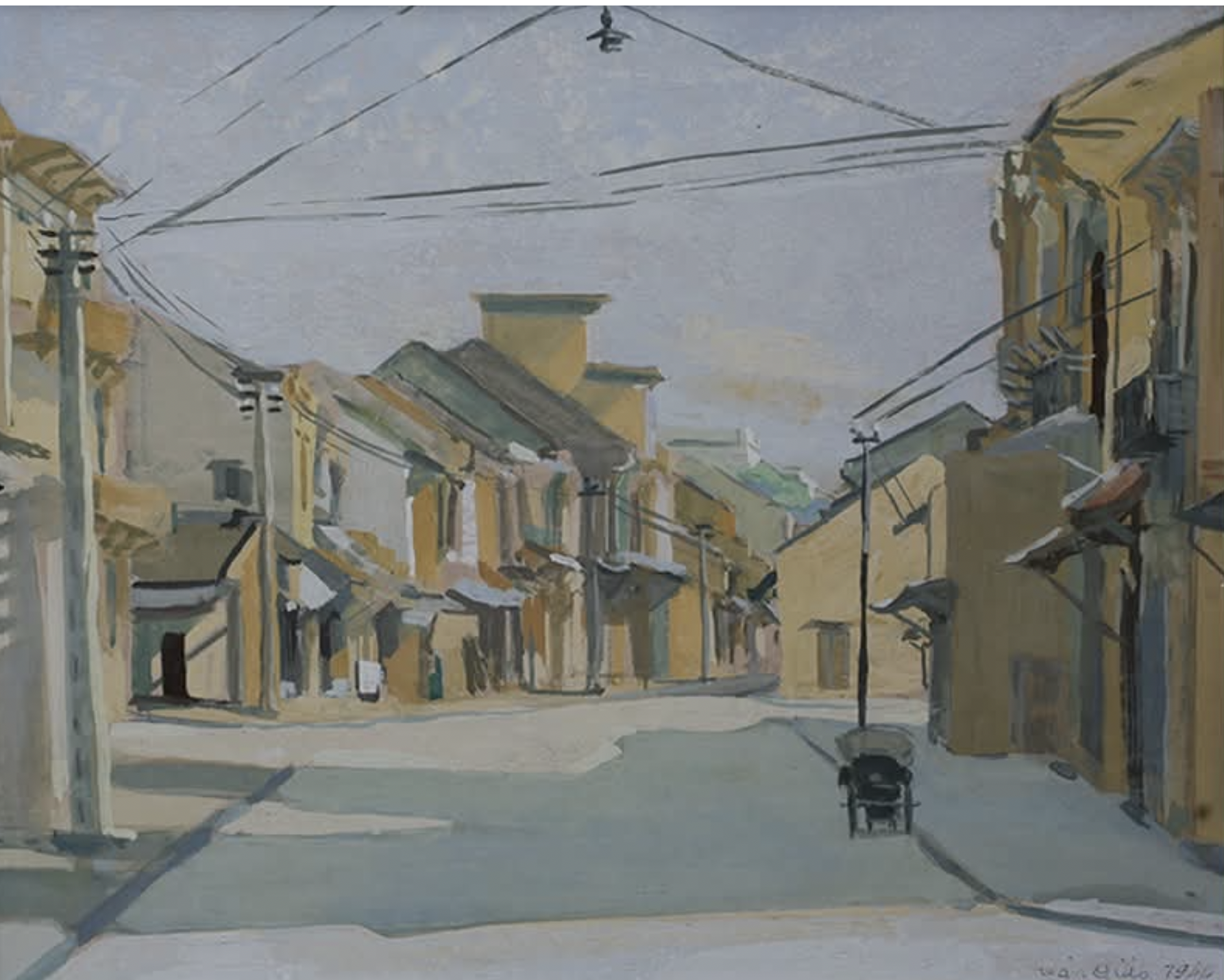
Van Giao had already emerged on Hanoi’s art scene by the late 1930s. His first solo exhibition, held at his home at 18 Lo Su Street, featured landscapes of Hanoi and the Temple of Literature as well as self-portraits, revealing a young artist determined to establish his own voice.
For Van Giao, art was not simply about the natural landscape. It was inseparable from the life of the nation and from an artist’s social responsibilities. When Vietnam entered a period of resistance war, he therefore had little hesitation in leaving behind his growing reputation as a landscape painter to join the revolution.
The early days of the Democratic Republic of Vietnam brought Van Giao an experience few other artists shared. He was among the first painters given the opportunity to draw President Ho Chi Minh from life at the Bac Bo Phu, the seat of the new revolutionary government in Hanoi. He spent about 10 days drawing Ho Chi Minh. The experience was significant not only professionally but would shape his artistic career for decades.
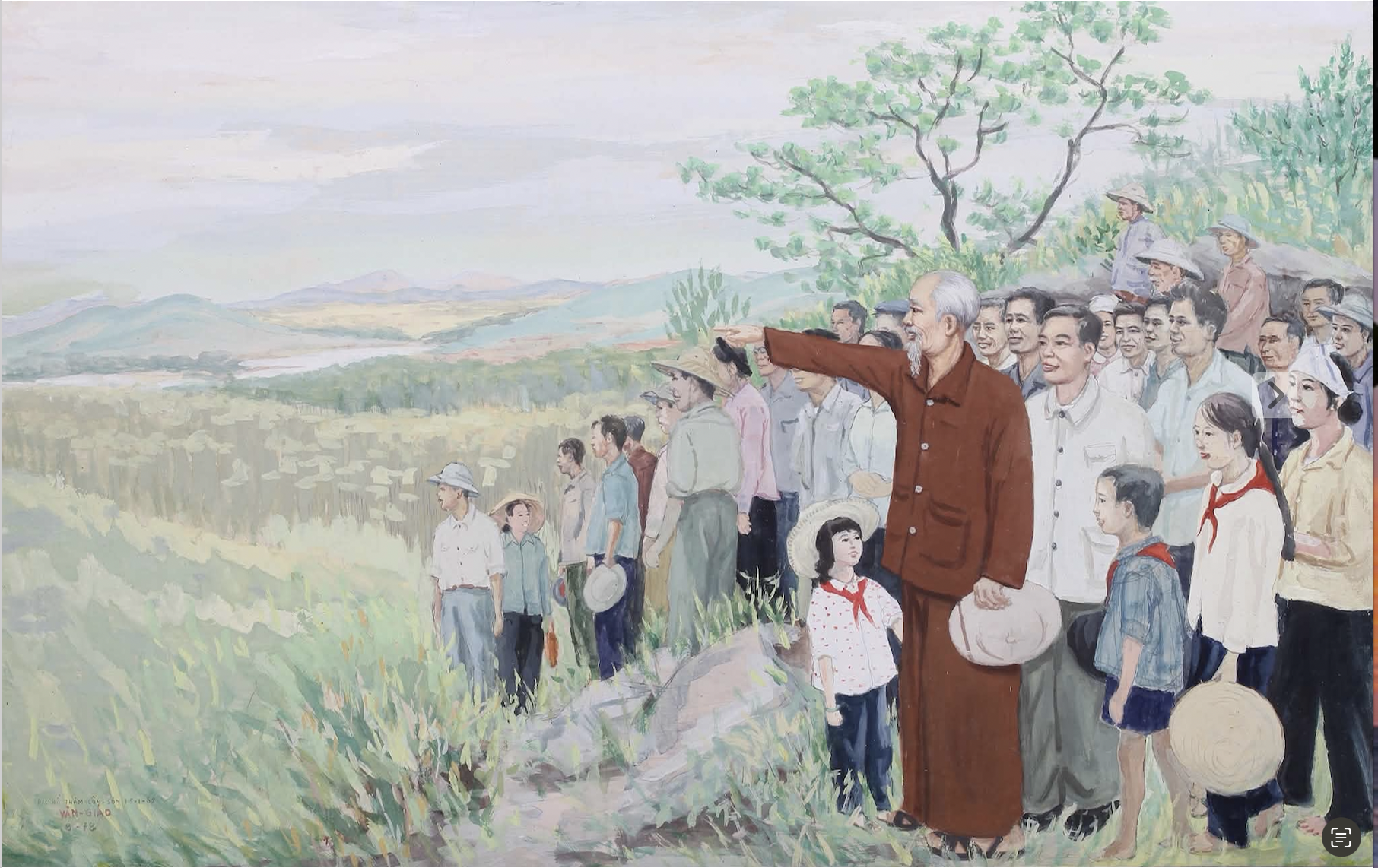
From that point onward, Ho Chi Minh became one of the central subjects of Van Giao’s work for nearly half a century. Few artists pursued the subject with such persistence. Rarer still was the way Van Giao moved beyond straightforward portraiture to depict Ho Chi Minh’s relationship with ordinary people, his homeland and different regions of Vietnam.
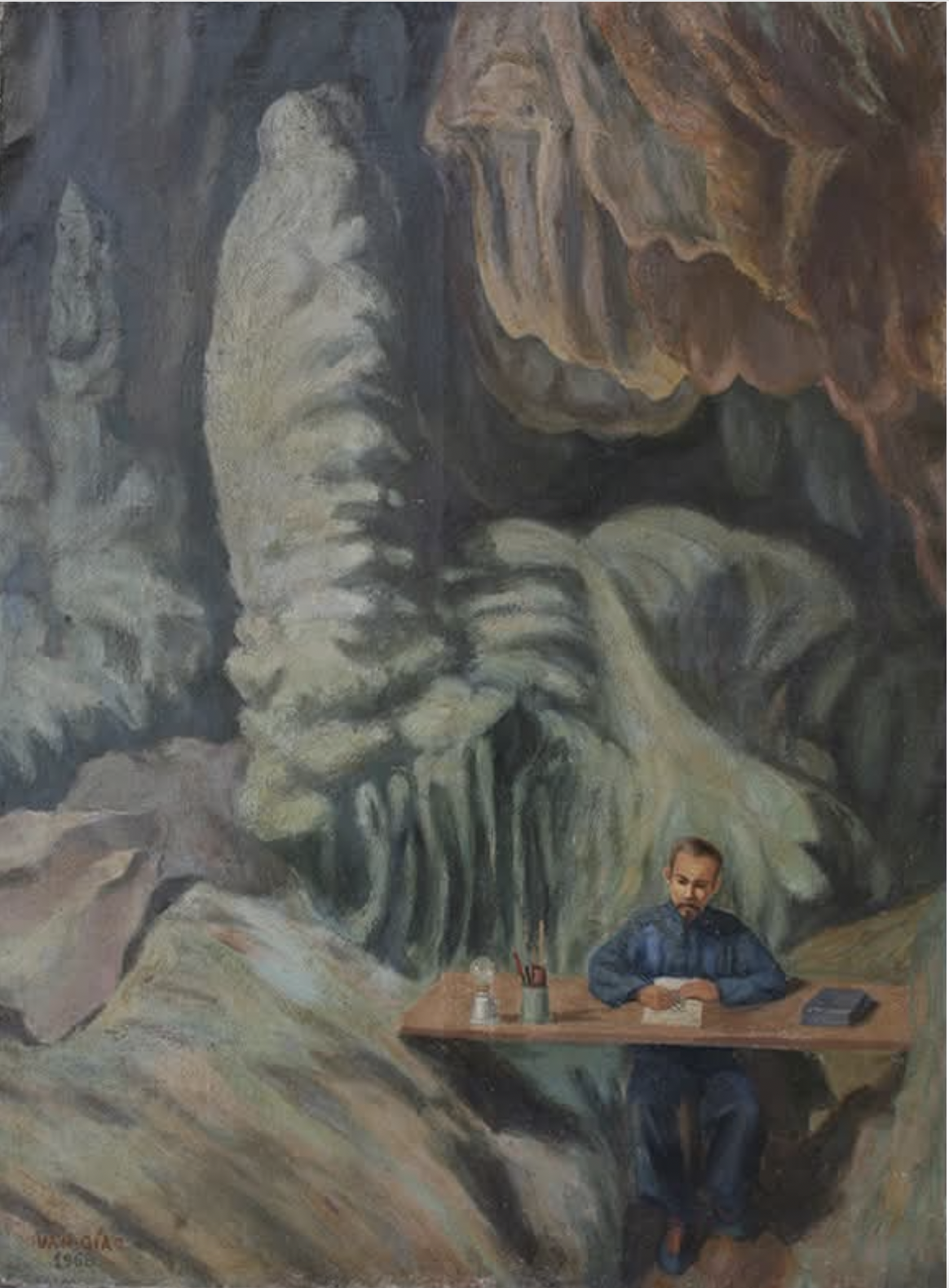
In 1970, on the occasion of his exhibition 25 Years Following the Party - his 74th exhibition since the August Revolution - Van Giao proposed an overarching artistic program titled 30 Years Creating Art About Uncle Ho, From 1970 to 2000, alongside the broader theme Ho Chi Minh, Portrait of a Man.
One important feature of Van Giao’s career was that even after becoming known for paintings of the revolution, the resistance wars and President Ho Chi Minh, he never lost the eye of a landscape painter.
Nature remained an important “character” in most works across these major themes. Van Giao typically maintained a bright, clear palette infused with hope. It was more than an aesthetic choice: it reflected the artist’s optimism about his country’s future.
One of Van Giao’s most important contributions to modern Vietnamese painting was his assertion of gouache as an independent artistic language. From his Hanoi landscapes of the late 1930s, through works produced during the resistance in Interzone V, Dien Bien Phu, Vinh Linh and Vietnam’s northern mountains, to his later paintings of Hanoi and Ho Chi Minh, gouache remained his principal medium.
In the European academic tradition, as well as at the Indochina College of Fine Arts, gouache was commonly regarded as a medium for studies, sketches or preparatory work. Van Giao’s decision to embrace it was therefore more than a technical preference; it represented an artistic position. He did not regard gouache as a secondary medium or an intermediate stage on the way to a more important work. His gouache paintings were finished works in their own right.
Many of his best-known works - The Inner Gate of the Temple of Literature (1939), Cam Pha Mine (1955), Voi Phuc Temple (1957), The Two Banks of Hien Luong (1957) and Warming a Soldier’s Shirt (1962) - were created in gouache.
More importantly, Van Giao explored and expanded the medium’s expressive possibilities. Because gouache allows little room for correction, an artist must make rapid decisions about composition, tonal values, form, line and light. It demands direct observation and precise visual instincts.
Van Giao frequently painted outdoors, even when working on compositions involving numerous figures, allowing him to make full use of his gift for improvisation. Confronted directly with constantly shifting landscapes and people, he sought to capture the emotion of a particular instant.
Gouache thus became, in his hands, a medium of speed, instinct and immediate memory. Through thousands of works, Van Giao demonstrated that gouache could stand as an independent genre, helping raise its status in 20th-century Vietnamese art.
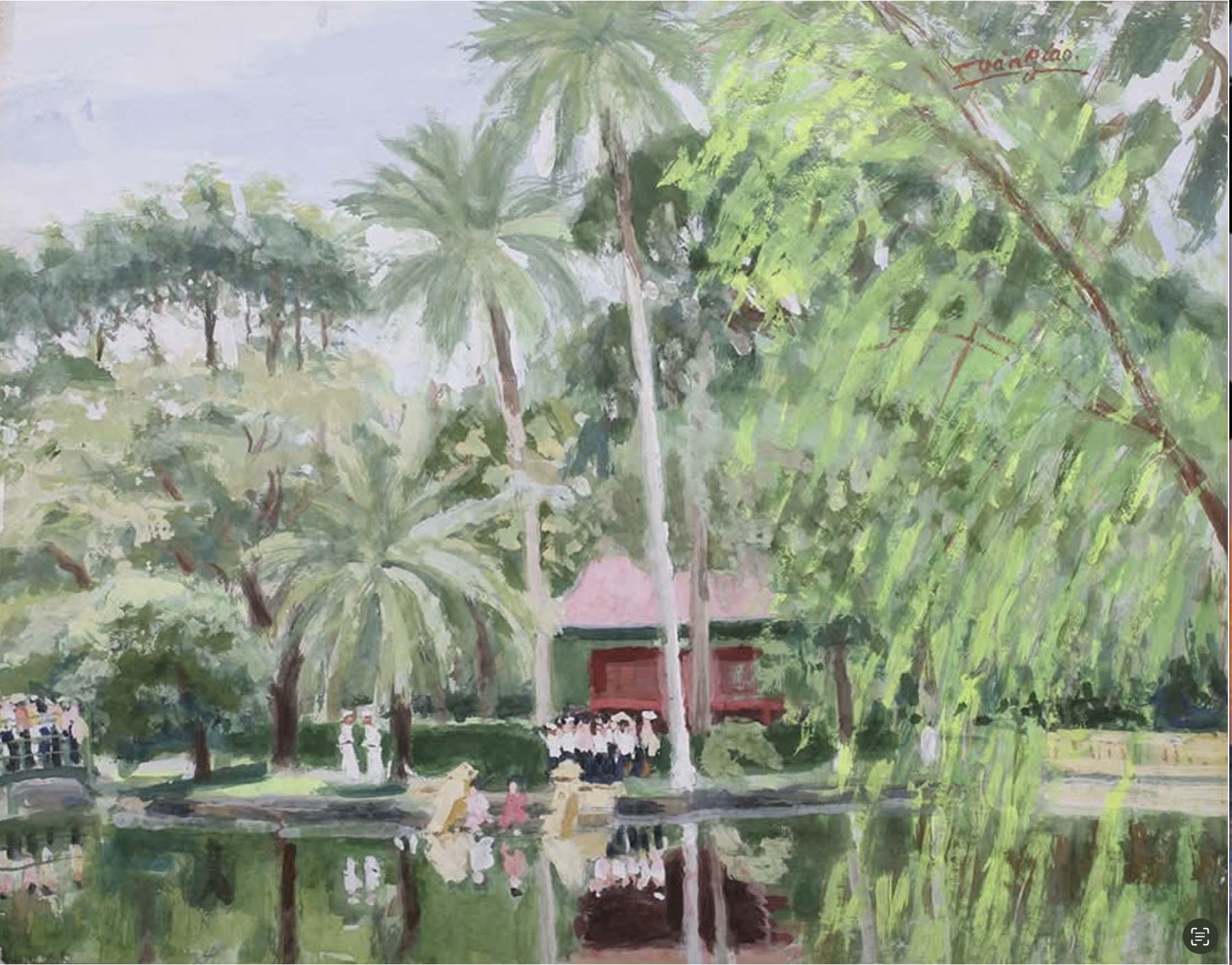
Van Giao’s final work, Willow Tree Beside Uncle Ho’s House, was completed in 1995, just one year before his death. The choice seems almost symbolic.
After a long journey through war and peace, periods when peace was suddenly interrupted by conflict, construction sites, state farms, mining regions, mountains and plains, the artist concluded his career with an exceptionally simple image: a willow tree beside Ho Chi Minh’s stilt house.
The painting reads almost like a quiet closing statement to Van Giao’s entire creative life. Painting, in the end, was his way of preserving the simplest yet most enduring things about people and country.
Today, looking back at Van Giao’s legacy, what stands out is not merely the vast number of works he produced or the extraordinary persistence of a lifetime spent painting, but the consistency of his artistic spirit. For nearly 60 years, he traveled, observed and painted, placing his faith in the power of sketches, paintings born from sketches, lived reality and gouache.
Vietnamese art in the 20th century moved through numerous artistic currents and profound historical upheavals. Van Giao chose a path that may have appeared quiet, yet proved remarkably enduring: he became a faithful visual chronicler of his country.
It was precisely that fidelity that gave his work its lasting value.
Van Giao left behind more than beautiful paintings. He also left a vision of what it meant to be an artist: that art acquires its true meaning when nourished by life, by tireless journeys and by an enduring love for people, homeland and national history.
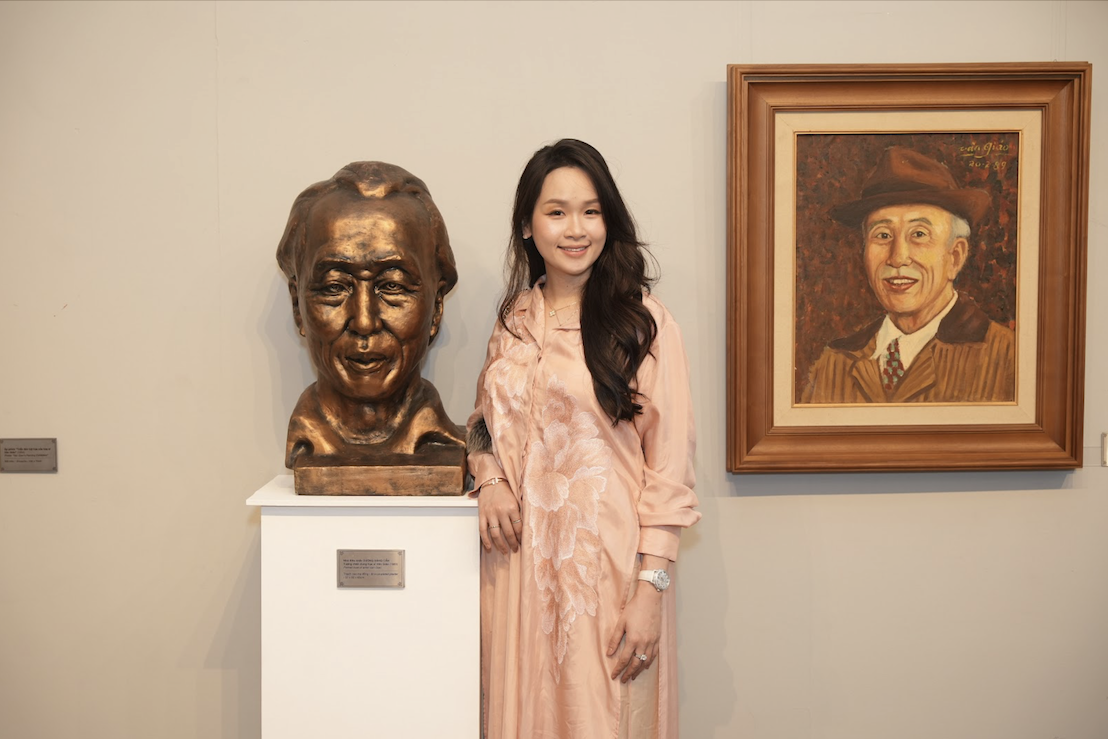
Marking the 110th anniversary of the late artist’s birth (1916-1996), the exhibition The Country in Spring has been jointly organized by his family, the Vietnam Fine Arts Association and the Ho Chi Minh City Museum of Fine Arts as a retrospective of his contribution to Vietnamese painting.
His family will also donate two paintings, On the Training Ground and Welcoming Uncle Ho at Hong Thai Communal House, at the exhibition’s opening, which will also see the launch of an art book on Van Giao.
Huyen My
.svg)
