 Vietnamnet.vn

 Podcast



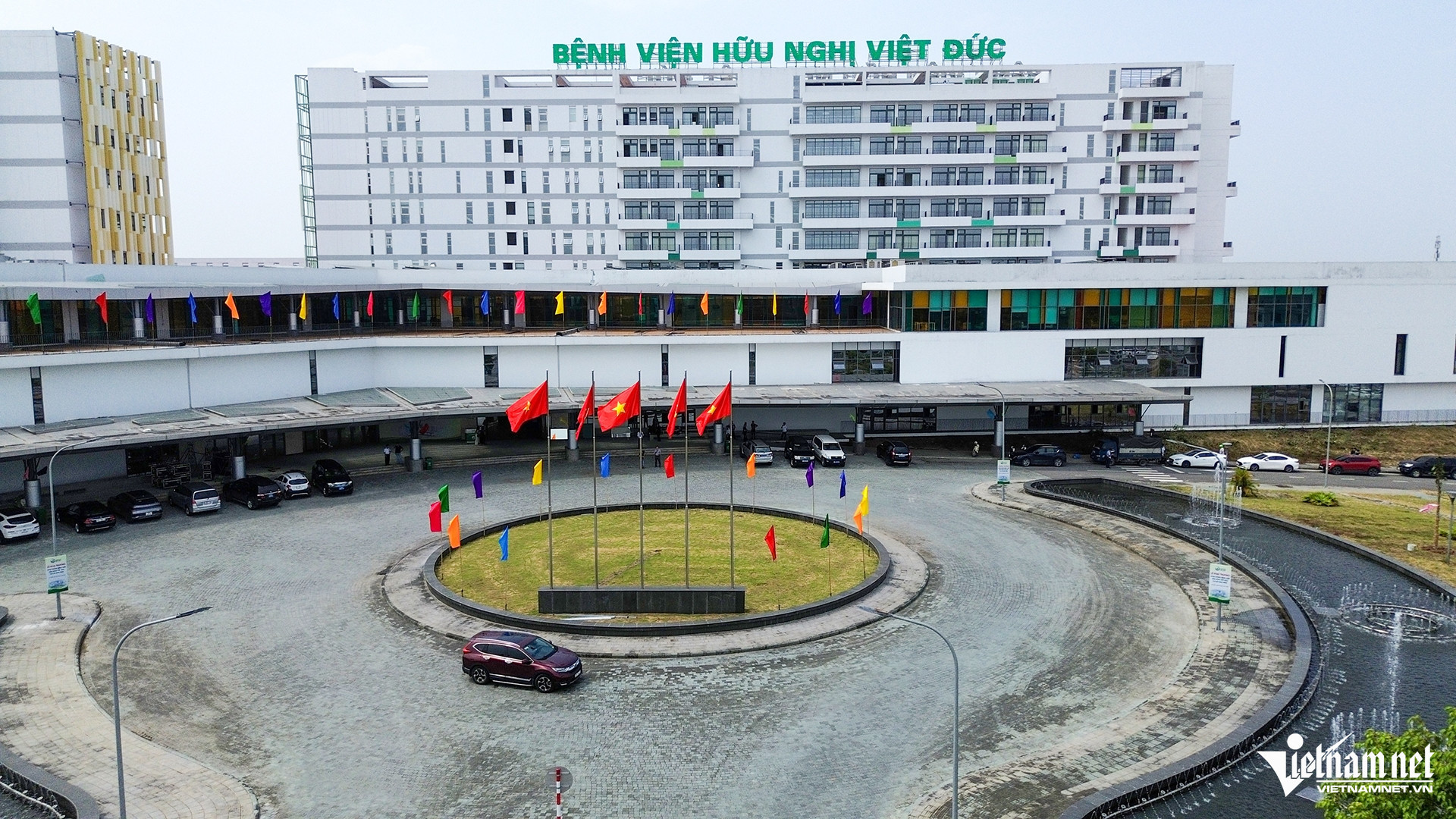
Viet Duc Friendship Hospital officially opened its new Ninh Binh campus on July 9, marking a major expansion of Vietnam's healthcare system aimed at bringing advanced medical services closer to people in Ninh Binh and neighboring provinces while easing pressure on overloaded hospitals in Hanoi.
The new campus began operations after completing trial runs of its entire clinical workflow, including patient registration, emergency services, diagnostic imaging, laboratory testing, surgery, intensive care, health insurance processing and digital hospital systems.
Built with an investment of approximately VND5 trillion (USD191 million), the hospital has a planned capacity of 1,000 beds. Hospital leaders said the project represents one of the largest investments per hospital bed in the region, at more than VND5 billion (USD191,000) for each bed, covering construction, medical equipment and infrastructure.
Designed to European standards, the facility features fully digitalized medical systems and incorporates artificial intelligence into hospital operations. Senior officials said many of its medical devices are newer generations than those currently used at the hospital's main campus in Hanoi.
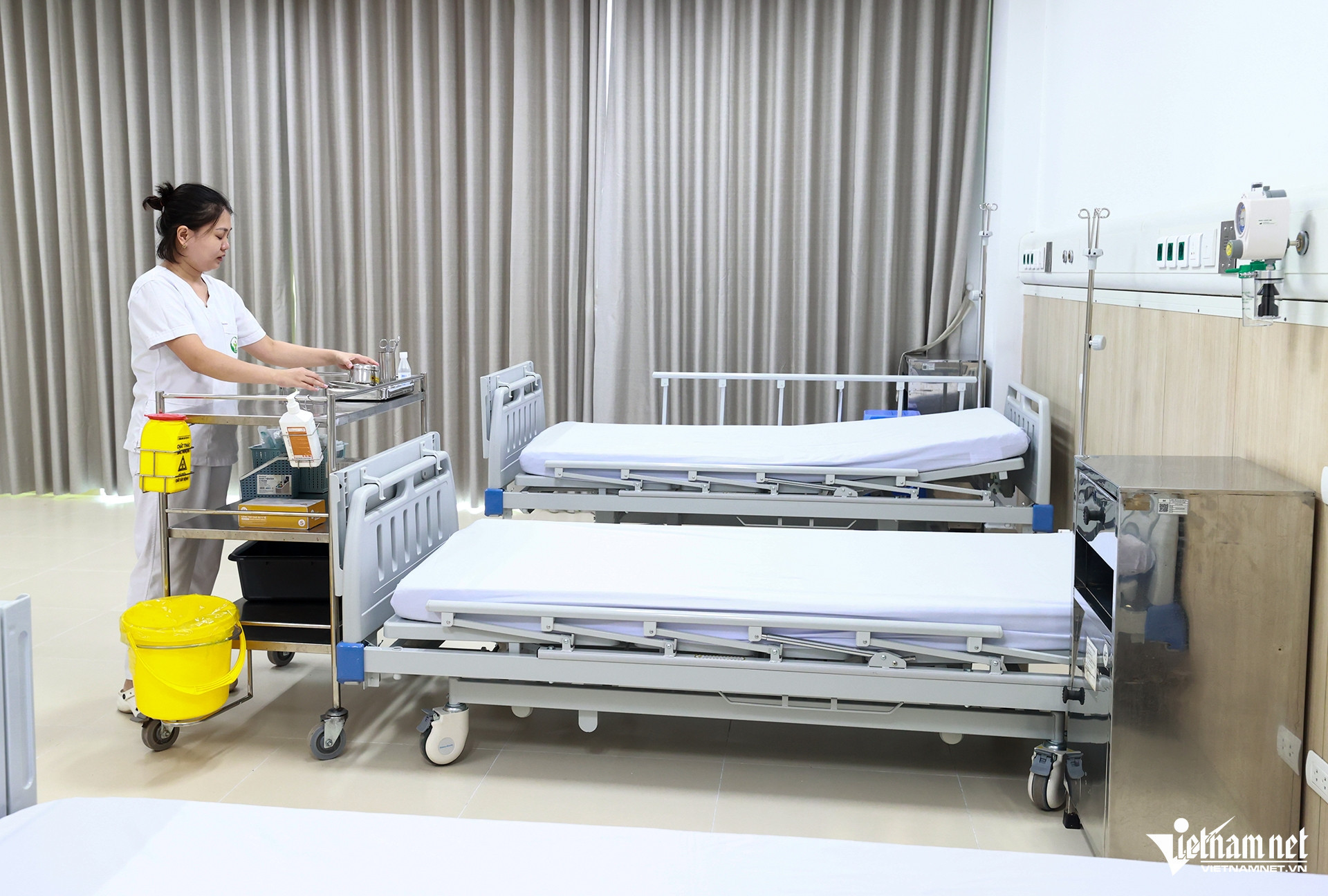
During the initial phase, the hospital is operating 320 beds, representing about 30% of its designed capacity. Expansion to the full 1,000-bed capacity is scheduled for completion by the end of 2027, although hospital leaders said the timeline could be accelerated if patient demand increases.
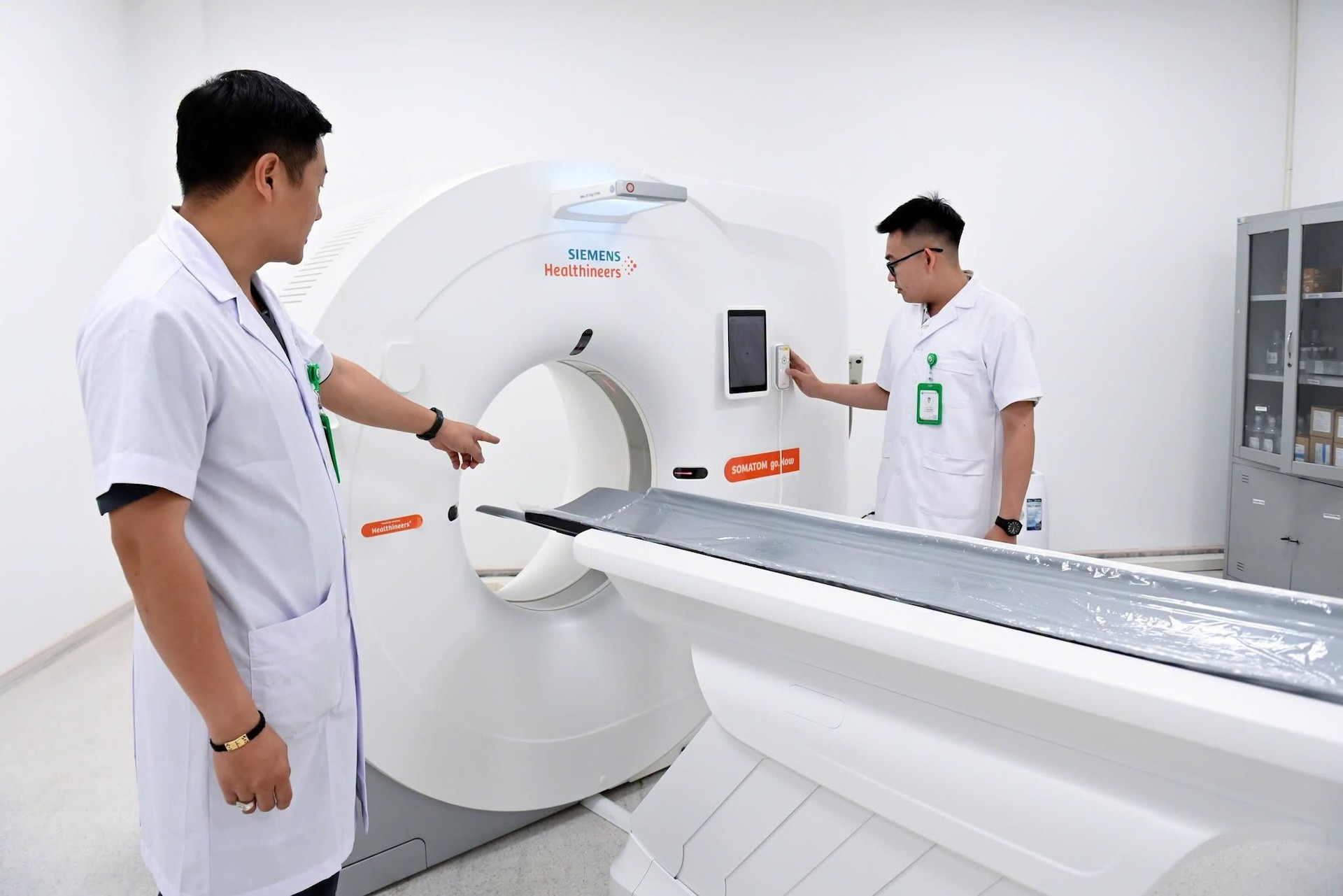
The new campus is equipped with 44 operating rooms, of which 12 are being used in the first phase. Diagnostic equipment currently includes one computed tomography (CT) scanner, three X-ray systems and three ultrasound machines, while a magnetic resonance imaging (MRI) scanner is being installed.
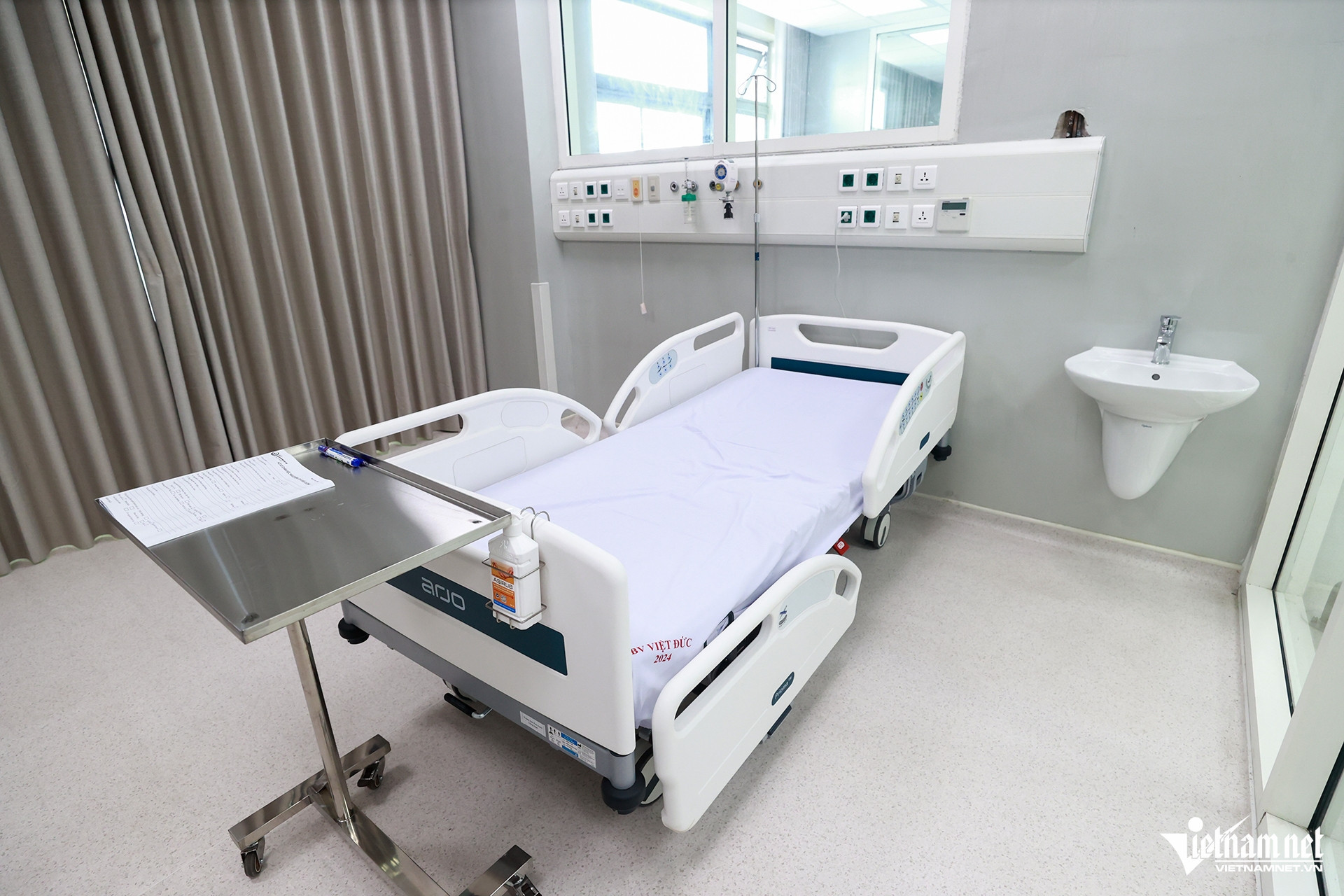
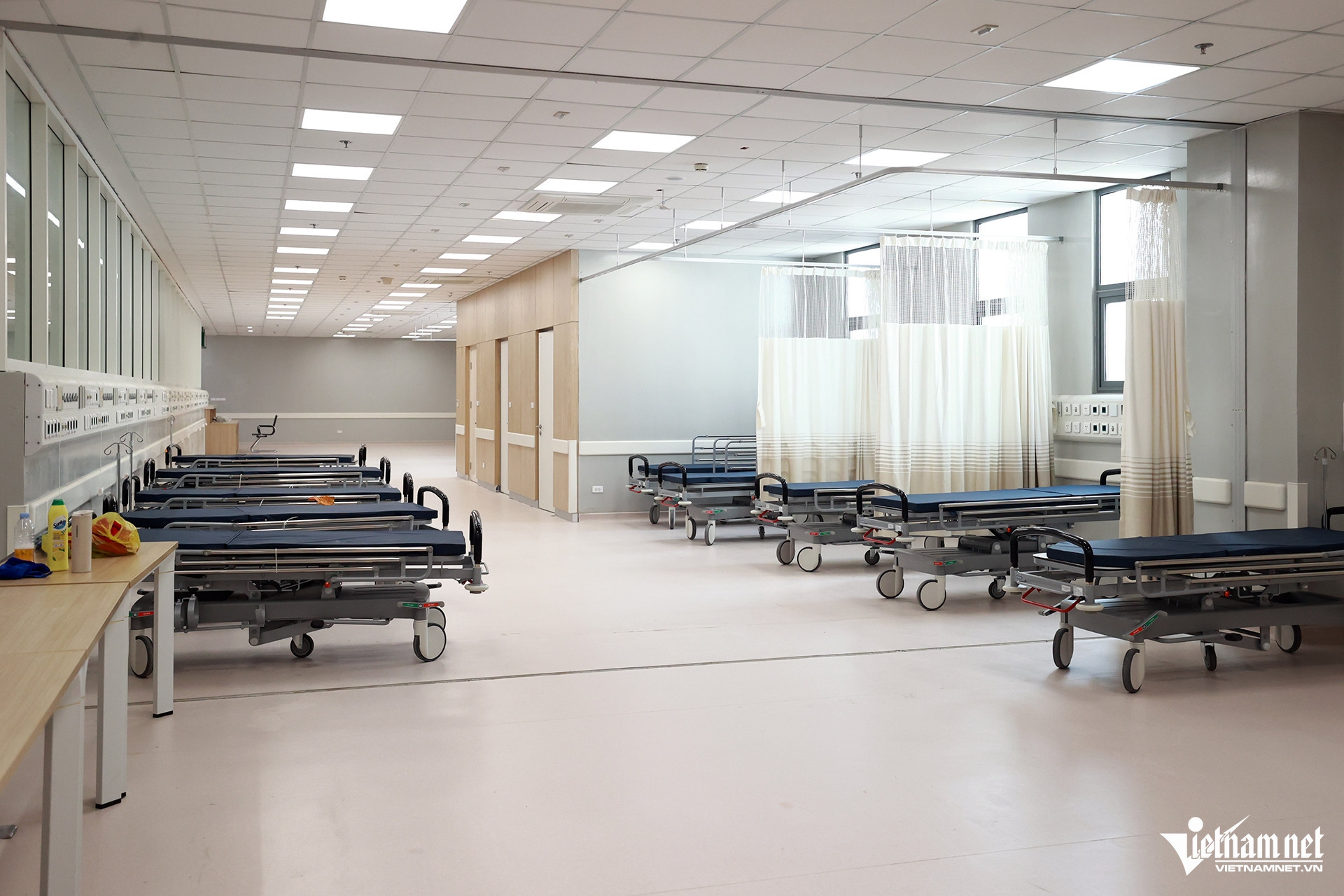
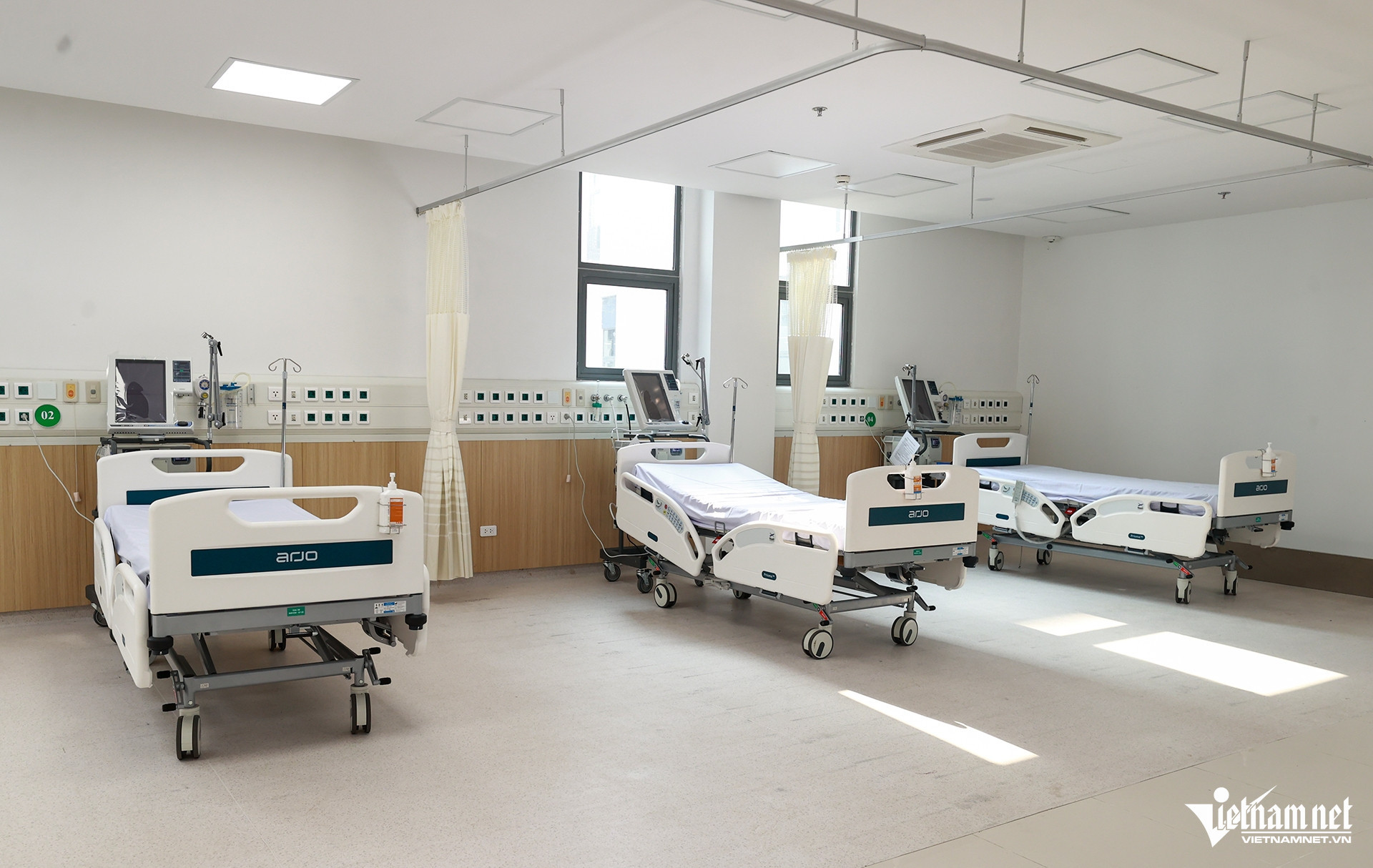
Patient care areas have been designed with privacy in mind, with curtains separating beds in emergency departments and inpatient wards. The ground floor features a spacious reception hall with more than 10 registration counters, self-service kiosks, escalators and climate-controlled waiting areas.
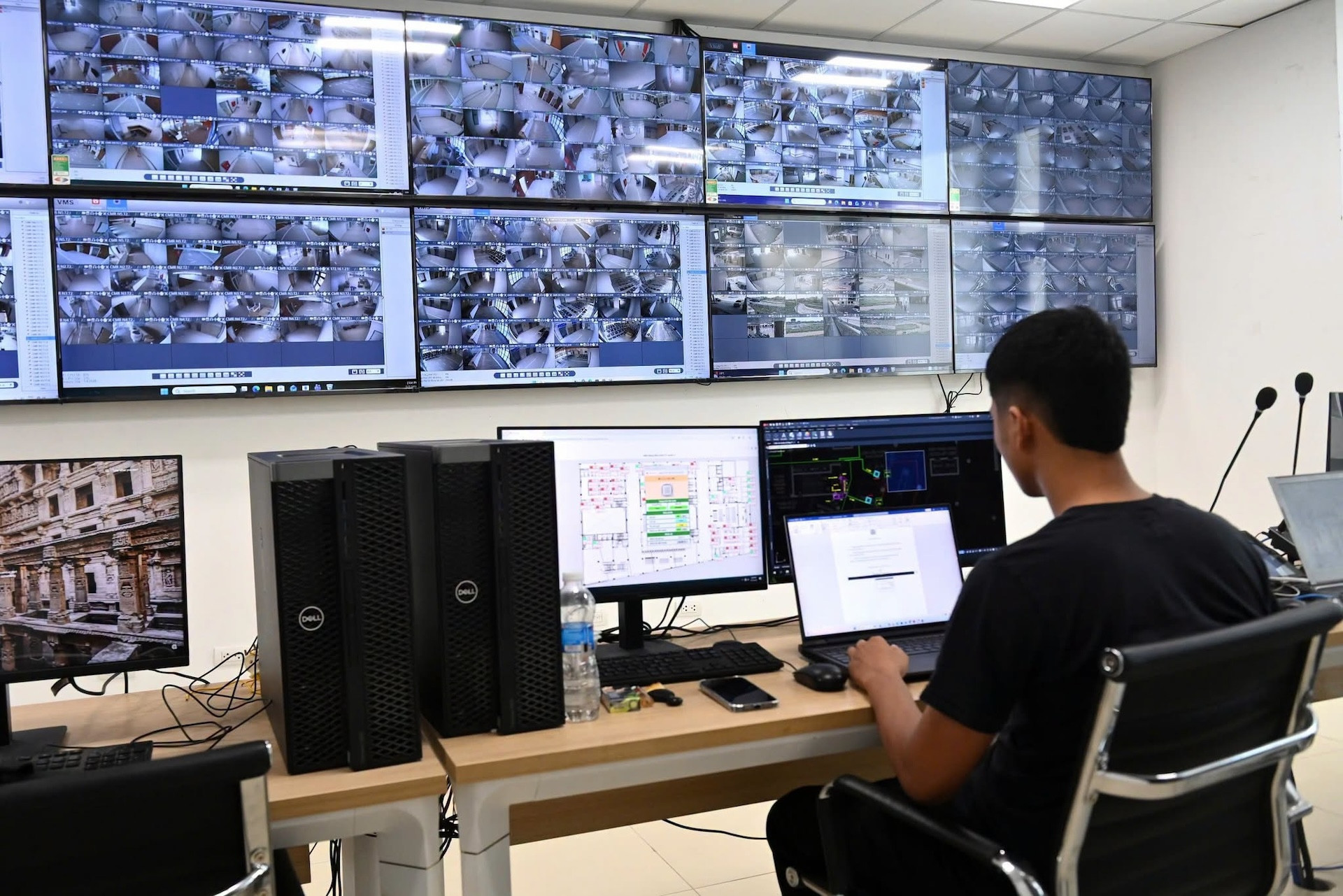
A comprehensive security camera system has also been installed throughout the hospital.
Associate Professor Dr. Duong Duc Hung, Director of Viet Duc Friendship Hospital, said preparations for the new campus began seven years ago, including recruiting and training dozens of doctors to operate the hospital's advanced medical equipment.
"The project gives us an opportunity to integrate with international medical standards and bring advanced surgical techniques closer to people," he said.
To support operations, 412 doctors, nurses and medical staff have been transferred from the hospital's Hanoi campus. Some personnel will be permanently based in Ninh Binh, while others will commute daily using transportation provided by the hospital.
The hospital will initially prioritize specialties that currently experience the highest patient demand and longest waiting times at the Hanoi campus. These include trauma surgery, neurosurgery, spinal surgery, rehabilitation medicine and gastrointestinal surgery.
According to hospital leaders, patients requiring these procedures will be able to receive treatment directly at the Ninh Binh campus without traveling to Hanoi.
Before the official opening ceremony, the hospital welcomed nearly 300 of its first patients, including military veterans, war veterans, wounded soldiers, people with meritorious service and policy beneficiary families from Phu Ly and Liem Tuyen wards.
Leading specialists from departments including neurosurgery, orthopedics, cardiology and digestive surgery provided free consultations, examinations and medical advice.
Among them was 78-year-old T.V.N., who said he previously had to travel to Viet Duc Hospital in Hanoi whenever he needed specialist treatment for chronic headaches and recurring stomach problems.
"Even though I received priority because of my family's policy beneficiary status, I still had to wait a long time for CT scans, MRI examinations and X-rays because the hospital was always crowded," he said. "Now experienced doctors and modern equipment are available much closer to home, making things much easier for us."
Hospital officials said the Ninh Binh campus and the nearby Bach Mai Hospital campus will together form a high-quality medical hub outside Hanoi, improving access to advanced healthcare while reducing pressure on the capital's major hospitals.
Dr. Hung emphasized that the Ninh Binh campus operates as an integral part of Viet Duc Friendship Hospital rather than a separate institution.
"The equipment here is newer, the facilities are modern, and the services will be delivered by highly experienced specialists. We believe patients will receive healthcare services that meet the highest expectations," he said.
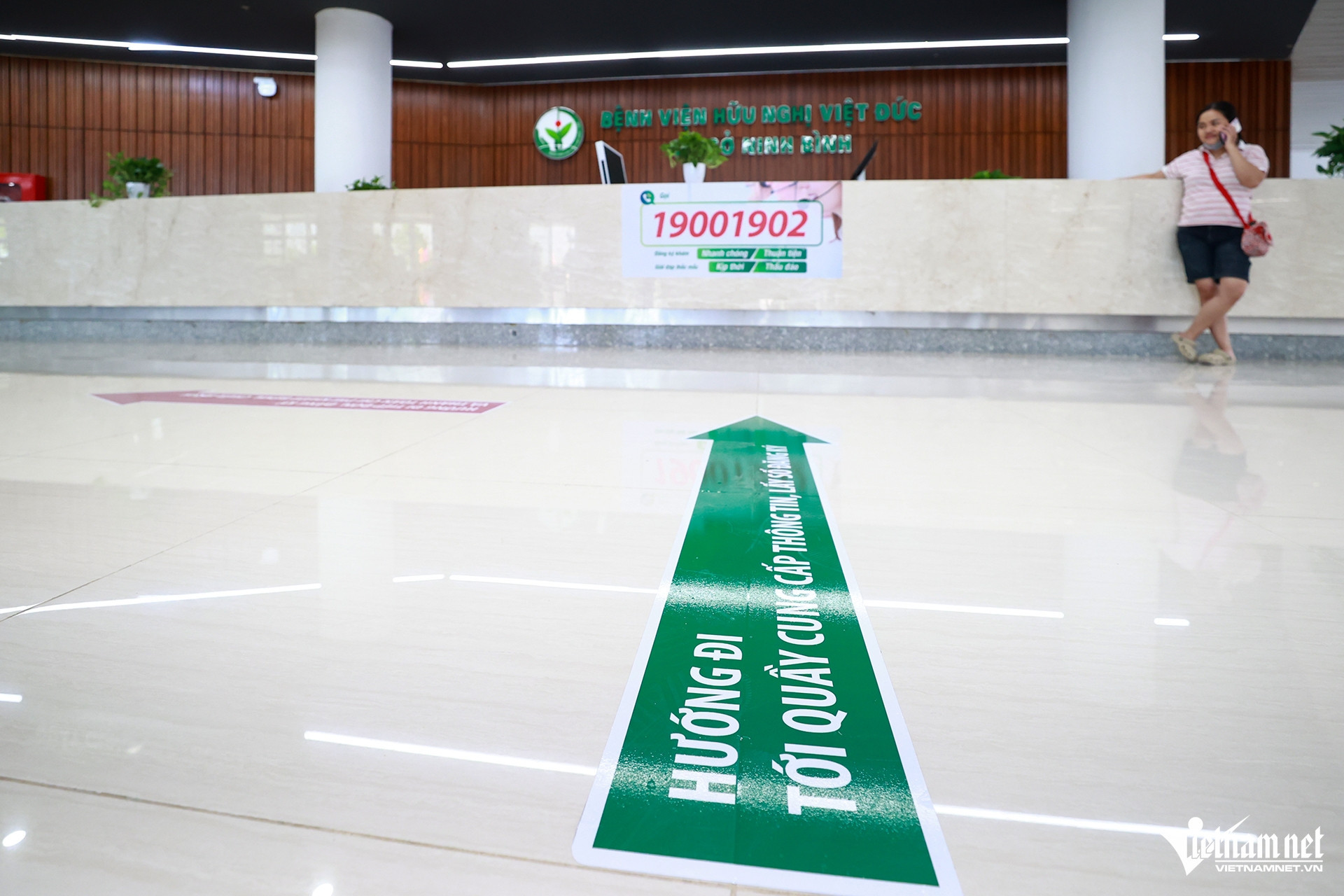
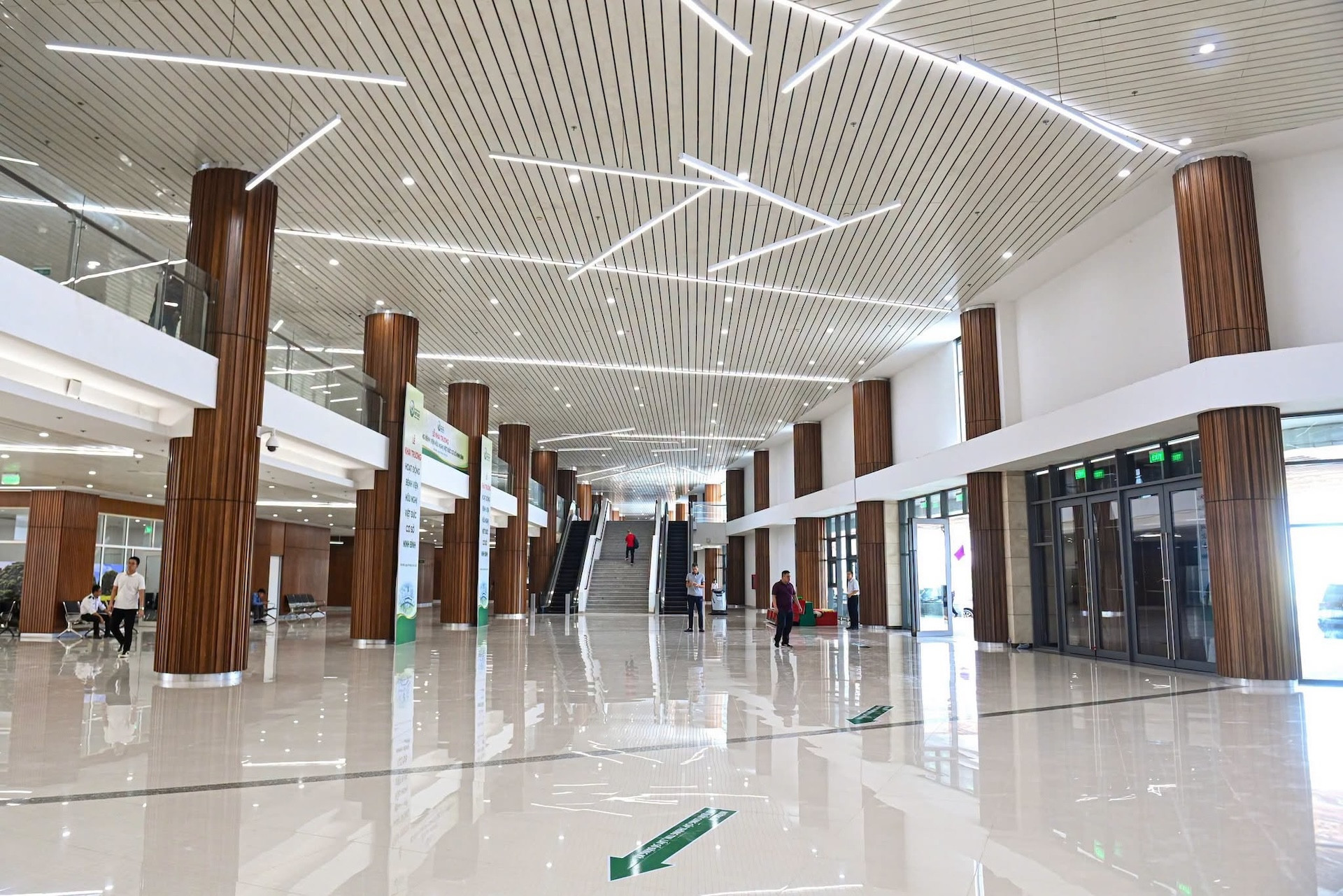
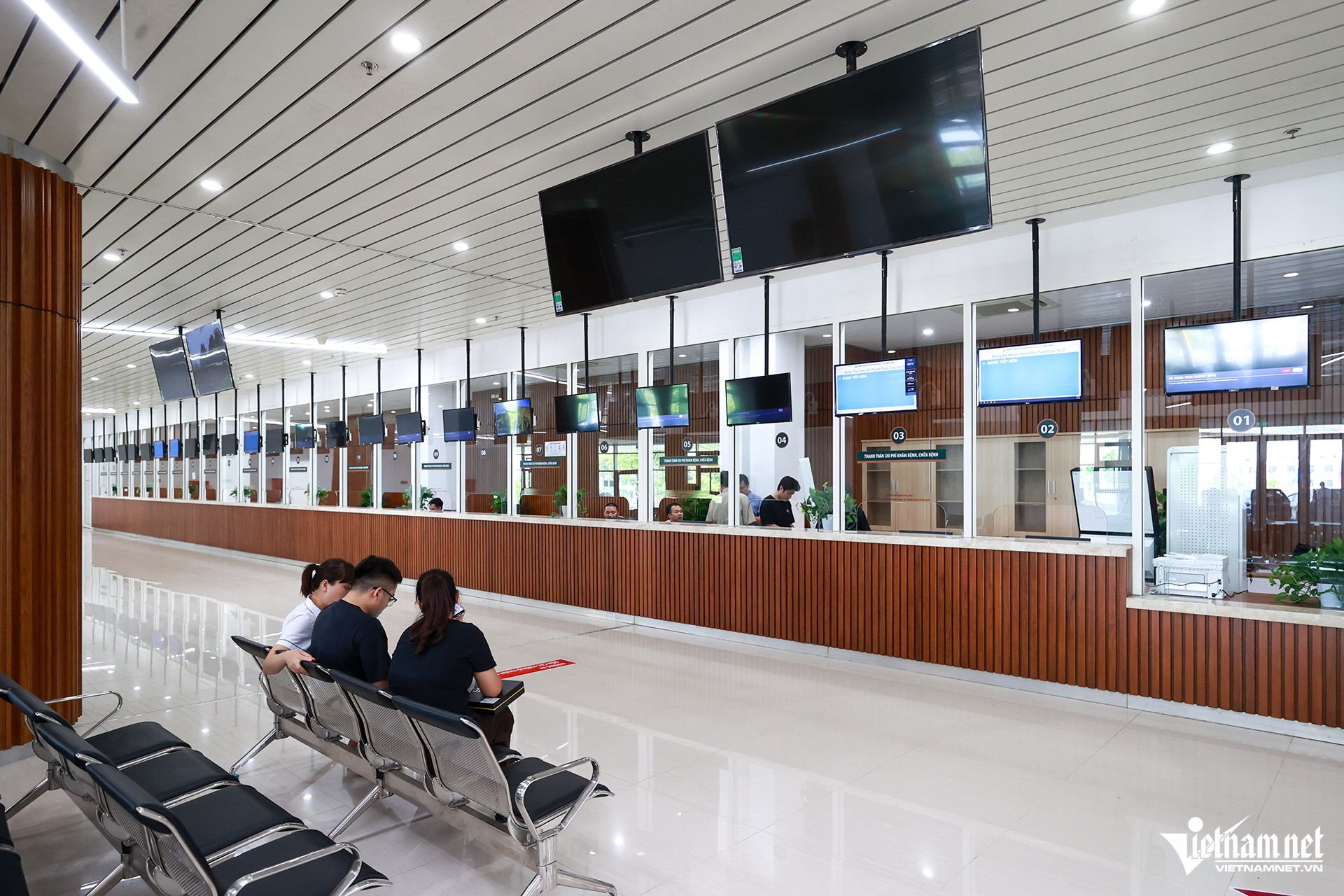
The reception hall at Viet Duc Friendship Hospital's Ninh Binh campus features spacious waiting areas, self-service registration kiosks and multiple patient reception counters.
The hospital's diagnostic imaging department is equipped with next-generation CT, X-ray and ultrasound systems, with an MRI scanner currently being installed.
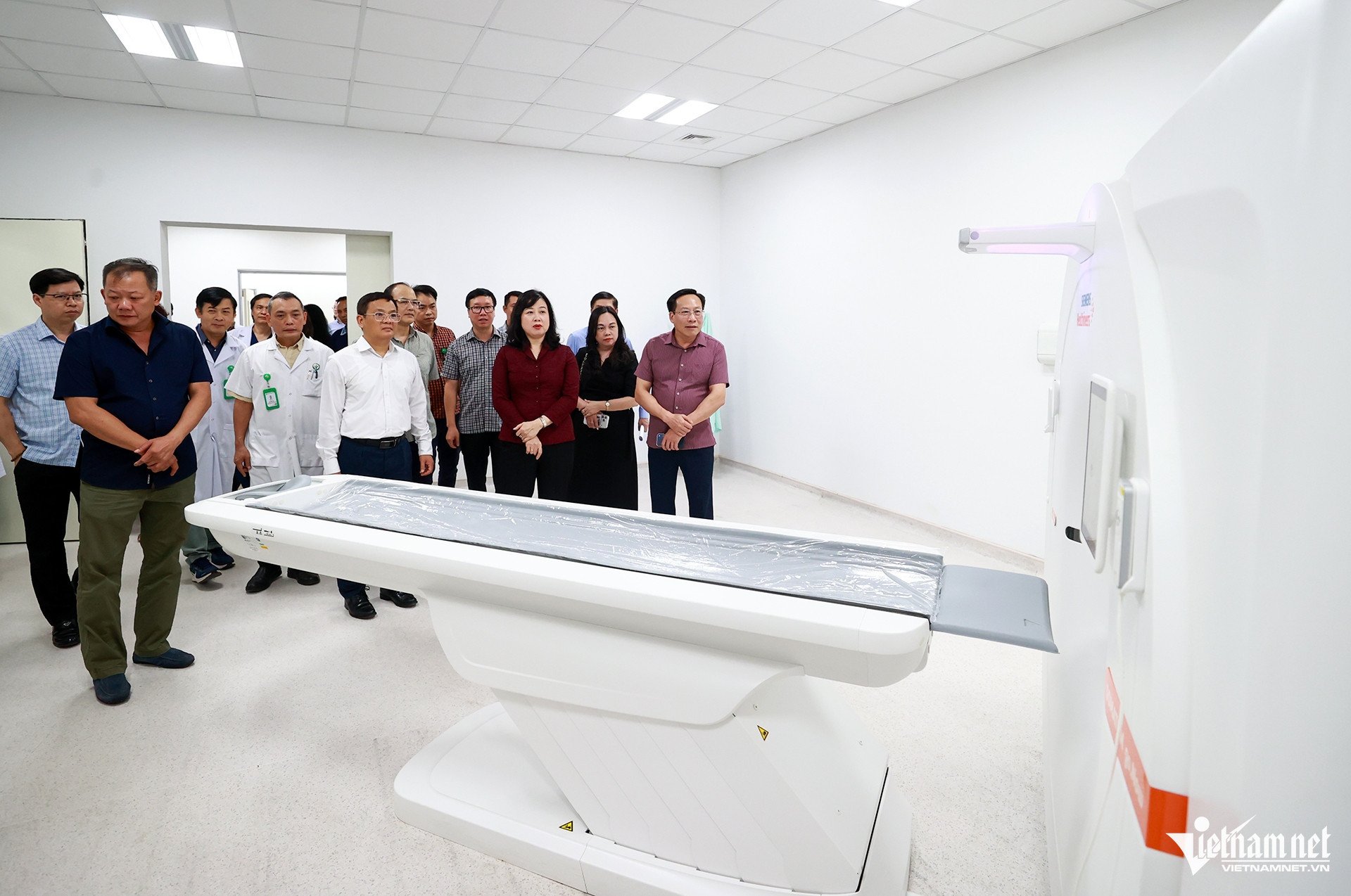
Associate Professor Dr. Duong Duc Hung, Director of Viet Duc Friendship Hospital, said more than 400 medical staff have been assigned to the Ninh Binh campus during the initial phase.
Veterans and policy beneficiary families receive free health consultations from leading specialists on the morning of the hospital's official opening.
Vo Thu - Pham Hai
.svg)
