 Vietnamnet.vn

 Podcast



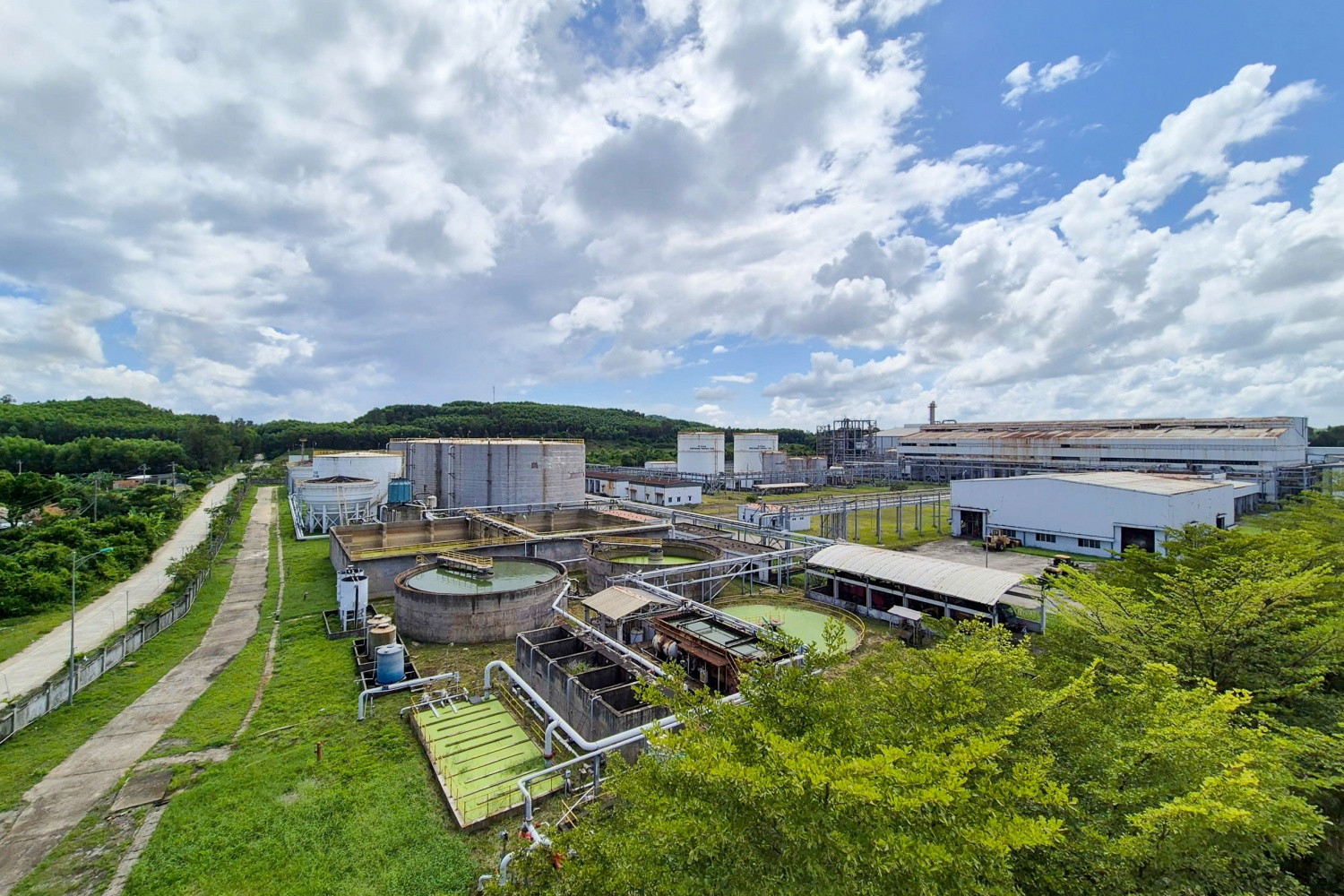
Vietnam is considering accelerating the nationwide rollout of E10 gasoline to as early as April 2026, ahead of its previously planned schedule, as part of broader efforts to strengthen energy security and reduce reliance on fossil fuels.
Under the existing roadmap, from June 1, 2026, all unleaded gasoline meeting national technical standards must be blended into E10 for use in gasoline-powered vehicles nationwide. At the same time, E5 RON92 gasoline will continue to be produced and used until the end of 2030.
However, amid mounting global energy uncertainties, Prime Minister Pham Minh Chinh on March 19 issued a directive calling for stronger energy-saving measures, accelerated energy transition, and the promotion of electric transport. The Ministry of Industry and Trade has been tasked with advancing the use of biofuels, reviewing conditions, and potentially bringing forward the E10 transition to April 2026, with a target of cutting fossil gasoline consumption by 10 percent.
“Accelerating the adoption of biofuels not only helps create stable demand for agricultural products and reduce environmental pollution, but also significantly lowers dependence on fossil fuels,” said Bui Ngoc Bao, Chairman of the Vietnam Petroleum Association, in an interview with VietNamNet on March 22.
An earlier nationwide rollout of E10 could also help ease fuel prices, as environmental protection taxes and excise taxes on biofuels are lower than those on conventional gasoline.
According to fuel traders, Vietnam consumed around 11.37 million cubic meters of gasoline in 2025. With E10 blending, which contains 10 percent ethanol, the amount of fossil fuel replaced would be substantial. If the country moves further toward higher blends such as E15, E20, or biodiesel variants like B15 and B20, as seen in other countries, the reduction in fuel import dependence would become even more pronounced.
Currently, Vietnam meets only about 30 percent of its domestic fuel demand, with the remaining 70 percent relying on imports. “Any program that helps reduce dependence on fossil fuels carries strategic significance,” Bao emphasized, noting that the conditions are now in place to expand E10 use nationwide from April.
Local companies step up biofuel production
Ho Ngoc Linh, Deputy Head of Petroleum Engineering at Vietnam National Petroleum Group (Petrolimex), said the company has been piloting E5 and E10 gasoline sales in Ho Chi Minh City since August 2025.
Petrolimex currently operates seven blending facilities ready to distribute E10 nationwide, supported by a network of more than 2,800 retail stations that have already prepared the necessary infrastructure and transition plans. The company is also accelerating distribution timelines in line with Circular 50.
In terms of supply, Petrolimex alone is estimated to require between 45,000 and 50,000 cubic meters of ethanol per month for E10 blending.
Amid escalating tensions in Iran that could impact global energy markets, Binh Son Refining and Petrochemical Joint Stock Company (BSR), the operator of the Dung Quat refinery, has proactively developed operational scenarios to ensure a stable supply of biofuel for the domestic market.
BSR said that by the end of March 2026, the refinery is expected to receive around 60,000 tonnes of ethanol (E100) from the Central Biofuels Plant for blending into E10 gasoline. This supply is expected to help boost domestic fuel output at a time when imports may be constrained due to export restrictions from some countries.
Pham Van Vuong, Director of the Central Biofuels Plant, said the facility began trial operations on January 20, 2026, and produced its first batch of fuel ethanol by February 6. In the initial phase, output reached around 470 cubic meters, and by February 12, the plant had delivered its first shipment of 210 cubic meters to BSR for blending into E10 RON95 gasoline.
Following the trial phase, the plant has continued to refine and optimize its operations. From March 20, it is expected to reach optimal capacity of around 60,000 tonnes of ethanol per year, equivalent to more than 5,000 tonnes per month.
Cassava chips serve as the primary input material, secured through long-term contracts to ensure stable supply. On the output side, the company is initially focusing on supplying ethanol to BSR via a direct pipeline system connected to storage tanks at the Dung Quat refinery. Road transport systems have also been invested in to support future market expansion.
As demand for biofuel is projected to rise, restarting domestic ethanol plants is seen as a key solution to improving energy supply autonomy. With existing blending infrastructure and integrated systems, the Dung Quat refinery is expected to play a significant role in supplying E10 gasoline to the market.
The Chairman of the Vietnam Petroleum Association also noted that the transition to E10 does not pose major technological challenges, nor are there significant concerns about supply. Globally, E10 is not a new product, and Vietnam can draw on the experience of countries that have implemented it for years.
Moreover, domestic companies have already gained experience from long-term E5 gasoline blending, while E10 has been piloted at multiple fuel stations nationwide since August 2025.
“The June 1 roadmap remains mandatory. However, given current supply pressures, companies that are ready in terms of infrastructure can move ahead with blending and begin distributing E10 earlier,” Bao said.
Tam An
.svg)
