 Vietnamnet.vn

 Podcast



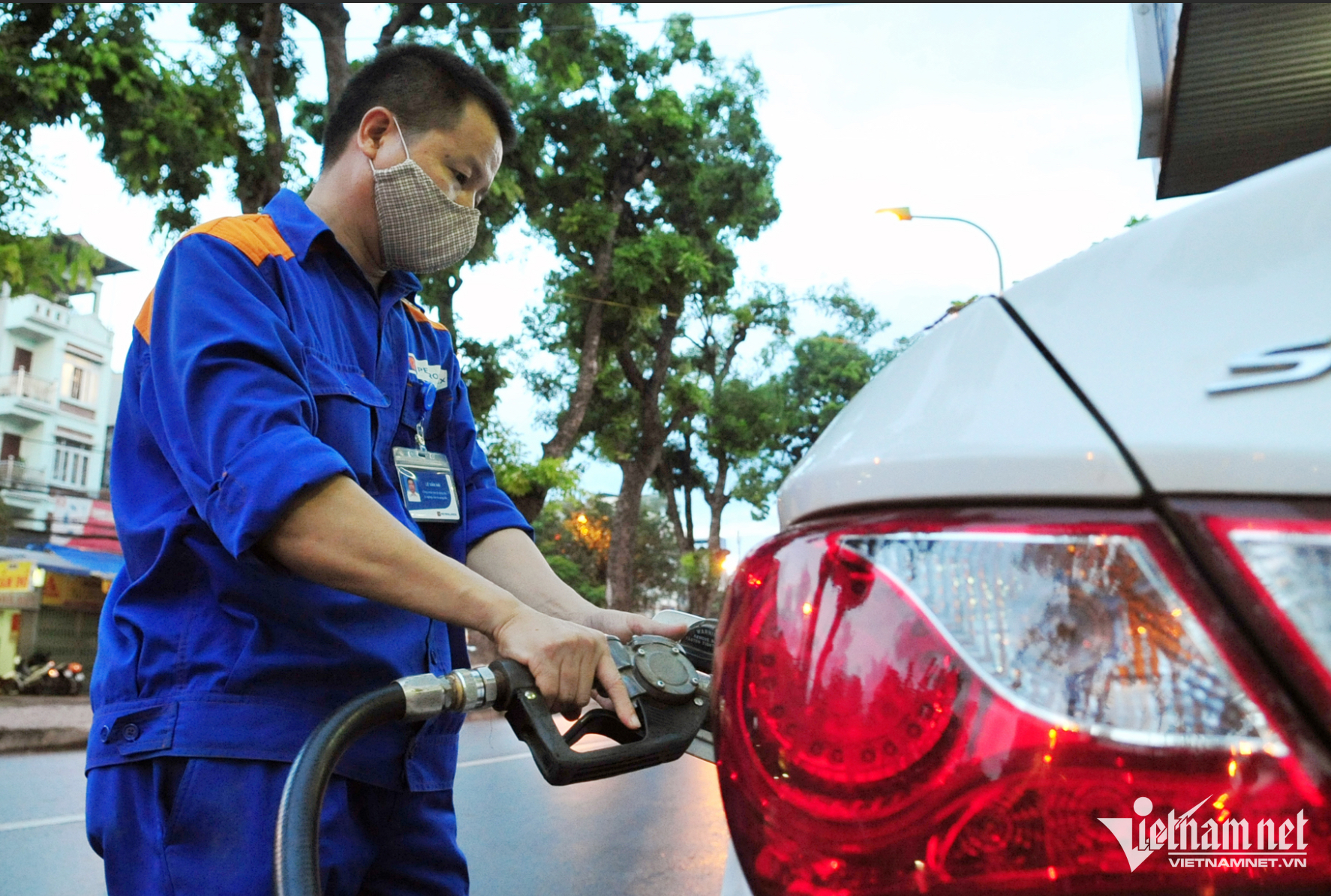
Under the current roadmap, from June 1, 2026, all gasoline must be blended into E10 for use in petrol engines nationwide. E5 RON92 will continue to be available until the end of 2030.
However, amid growing concerns over energy security and global fuel market volatility, the Ministry of Industry and Trade has been tasked with accelerating the rollout. The goal is to cut consumption of conventional fossil-based petrol by 10%.
According to Deputy Minister Nguyen Sinh Nhat Tan, expanding the use of biofuels such as E5 and E10 will not only reduce emissions compared to traditional gasoline but also support environmental protection, boost the biofuel industry, and create stable demand for agricultural products while reducing reliance on imported fuels.
Key considerations for vehicle owners
Despite concerns among motorists about potential impacts on engines, experts and manufacturers have largely affirmed that E10 is safe.
During the drafting of Circular 50, the ministry consulted major automakers such as Toyota, Honda and Ford, along with technical bodies including the Society of Automotive Engineers (SAE). All confirmed that E5 and E10 do not harm engines. In fact, E10’s higher octane rating can improve combustion efficiency and reduce knocking.
However, practical usage still requires attention.
Lo Hai Nam, head of the technical board at the Vietnam Association of Motorcycle Manufacturers (VAMM), noted that biofuels tend to absorb moisture. Vehicles left unused for extended periods may become harder to start compared to when using conventional petrol.
Biofuel also has a cleaning effect. In fuel systems with metal tanks, long-standing deposits can be loosened and broken into small particles, potentially leading to clogging or minor disruptions in fuel flow. Regular inspection and maintenance of the fuel system are therefore essential.
Associate Professor Dam Hoang Phuc from Hanoi University of Science and Technology emphasized that most modern cars are already compatible with higher ethanol blends, even up to E20 in some cases.
The bigger risk, he said, lies not in E10 itself but in using fuel that does not meet the vehicle’s standard. Drivers should check whether their vehicles comply with Euro 3, Euro 4 or Euro 5 standards and refer to markings on the fuel cap. Labels such as “Euro 5 E20” indicate compatibility.
For older vehicles - especially those more than 20 years old without “E” markings - more thorough inspection of the entire fuel system is necessary. This is essential regardless of whether E10 is used, as components naturally degrade over time.
Ethanol’s cleaning properties can accelerate the dissolution of existing deposits, allowing them to flow into the engine. In newer vehicles, improved fuel systems largely eliminate this issue. Older motorcycles, however, may still face such risks and require extra caution.
“E10 does not create deposits. It simply speeds up the process of dissolving what is already there,” Phuc stressed.
Another factor is ethanol’s tendency to absorb water, which can affect combustion, particularly in vehicles using carburetors. Ensuring proper fuel circulation and avoiding long storage times can help minimize these risks.
For consumers, filling only the amount of fuel needed for short-term use is a practical way to reduce potential issues.
Performance and efficiency impact
Research comparing RON95, E5-RON95 and E10-RON95 fuels, conducted in collaboration with Toyota, shows that engine power may slightly decrease due to ethanol’s lower energy content. However, the higher octane rating improves combustion efficiency.
Overall, engine performance remains within a fluctuation range of about ±5%. Fuel consumption may increase by around 1-3% depending on driving conditions.
As Vietnam moves toward a broader adoption of biofuels, the transition to E10 signals a significant shift in both energy policy and everyday driving habits - one that millions of vehicle owners will need to adapt to in the months ahead.
Tam An
.svg)
