 Vietnamnet.vn

 Podcast



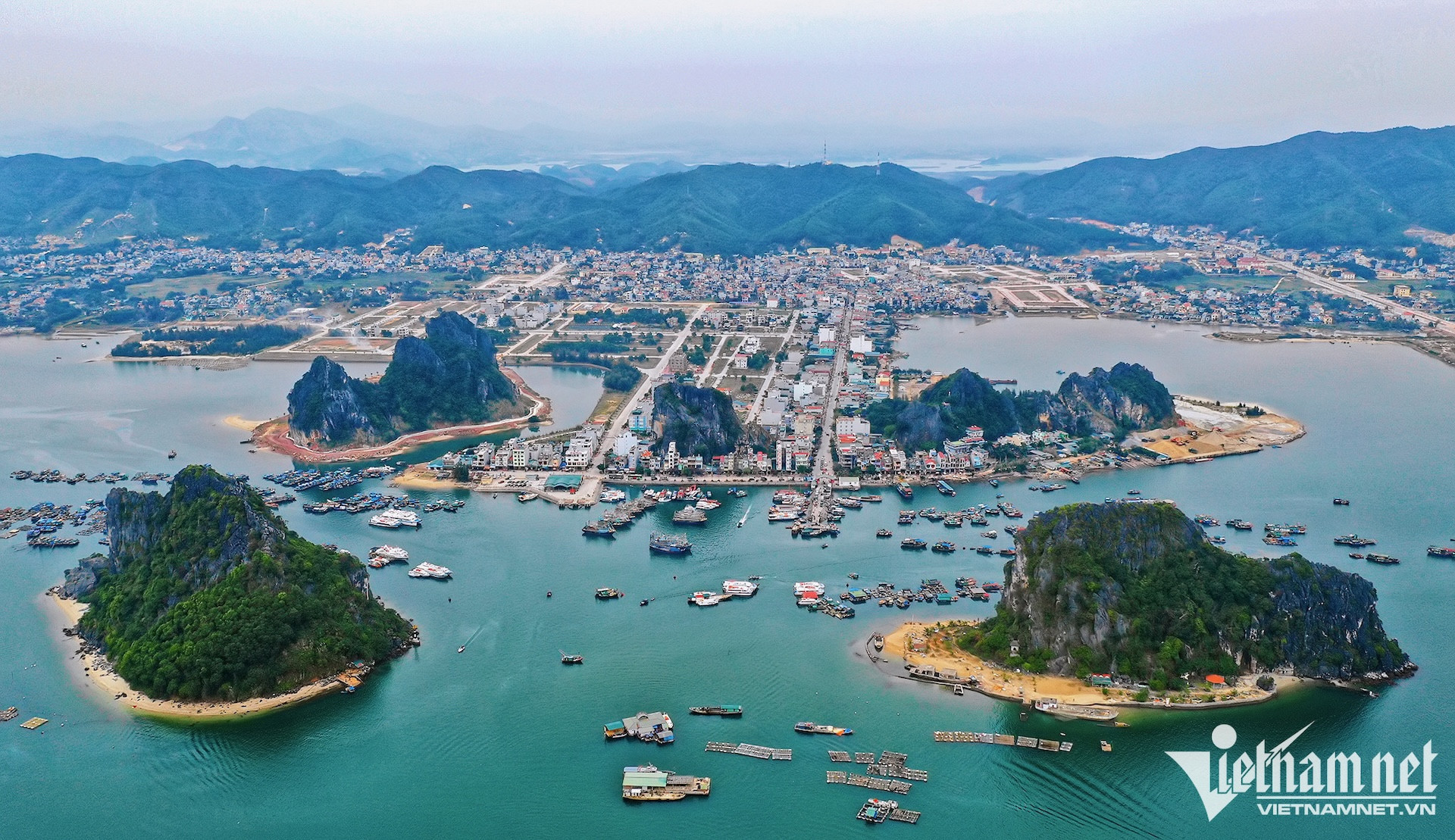
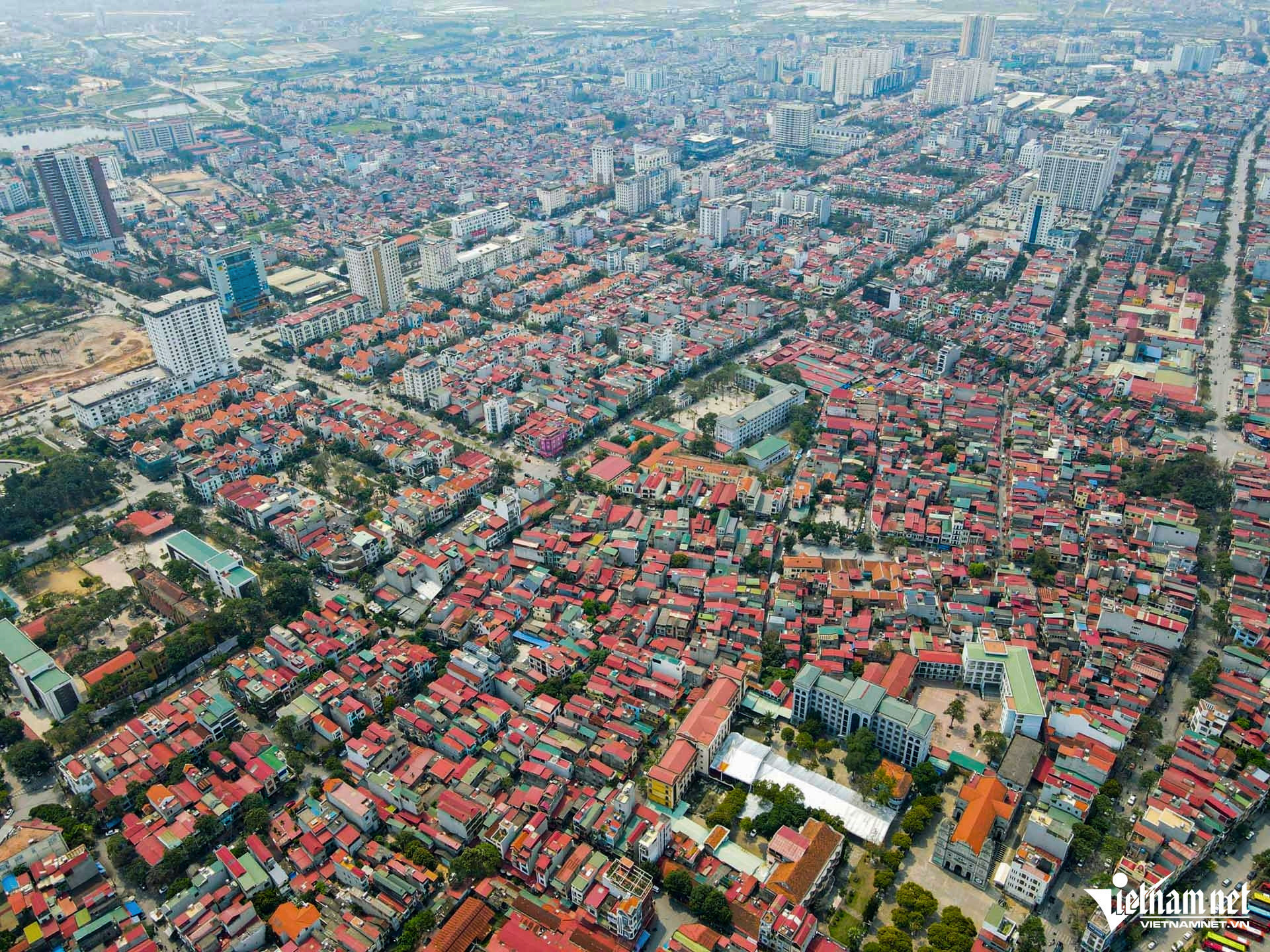
In addition to the policies and entitlements applicable to centrally governed cities, special mechanisms and policies previously applied to Quang Ninh and Bac Ninh provinces will continue to be implemented in Quang Ninh and Bac Ninh cities until the end of their stipulated periods or until competent authorities decide otherwise.
In its report on feedback, explanations and revisions, the Government said it would direct the two localities to comprehensively implement tasks and measures to achieve the targets already set.
In particular, the Government emphasized the need to transform their growth models and pursue economic development alongside environmental and ecological protection, with science, technology and innovation serving as the principal drivers of growth. The two cities are expected to develop modern and high-tech industries and artificial intelligence, become more deeply integrated into global supply chains, and emerge as major growth poles for their regions and the country.
Relevant ministries and agencies will continue studying and proposing greater decentralization and delegation of authority to local governments for consideration by competent authorities.
Regarding special mechanisms and policies for the two cities, the Government has proposed a number of provisions in the Urban Development Law that would apply to cities including Quang Ninh and Bac Ninh. These cover investment and the attraction of strategic investors; finance and budgeting; science, technology, innovation and digital transformation; as well as land, site clearance and land-fund development.
The Government will direct the two cities to continue studying and developing their own special mechanisms and policies to support development, which will then be submitted to competent authorities for consideration and approval.
Quang Ninh and Bac Ninh are the next two cities to join the seven existing centrally governed cities: Hanoi, Ho Chi Minh City, Hai Phong, Da Nang, Can Tho, Hue and Dong Nai.
Four national target programs merged
Also this afternoon, with 477 of the 478 National Assembly deputies present voting in favor, the legislature passed a resolution approving the investment policy for the National Target Program on cultural and social development, rural areas, ethnic minorities and mountainous regions for 2026-2035.
The National Assembly approved the investment policy for the 2026-2035 National Target Program on cultural and social development, rural areas, ethnic minorities and mountainous regions by merging four programs: the National Target Program on Cultural Development; the National Target Program on Modernizing and Improving the Quality of Education and Training; the National Target Program on New-Style Rural Development, Sustainable Poverty Reduction and Socioeconomic Development in Ethnic Minority and Mountainous Areas; and the National Target Program on Healthcare, Population and Development.
Total resources allocated to implement the program in 2026-2030 amount to VND808.558 trillion (about US$30.7 billion). Of this, the central government budget will provide VND345 trillion (US$13.1 billion), including VND244.2 trillion (about US$9.3 billion) in public investment and VND100.8 trillion (US$3.8 billion) in recurrent expenditure.
Local government budgets will contribute VND395.392 trillion (US$15 billion). Provincial-level People’s Councils will determine the allocation between public investment and recurrent expenditure from local budgets.
The state budget will provide VND23 trillion (US$874 million) for policy lending. Universities and colleges will contribute counterpart funding of VND20.429 trillion (US$776 million), while other legally mobilized resources will total VND24.737 trillion (US$939 million).
The National Assembly tasked the Government with reviewing and deciding on adjustments to the program’s allocation of central government public investment and recurrent expenditure, ensuring that public investment is concentrated rather than spread too thinly, while recurrent spending is strictly economized in accordance with the Party Central Committee’s Conclusion No. 18.
During implementation, the Government will continue balancing the central budget to prioritize additional support for the program, including policy credit, while ensuring that funding remains consistent with budget capacity, implementation progress, achievement of targets and tasks, and the disbursement of state budget funds.
At the National Assembly session in early 2030, the Government will report to the legislature on the implementation of the program’s targets and tasks for 2026-2030 and propose the resources required to carry out the program during the 2031-2035 period.
Tran Thuong
.svg)
