 Vietnamnet.vn

 Podcast



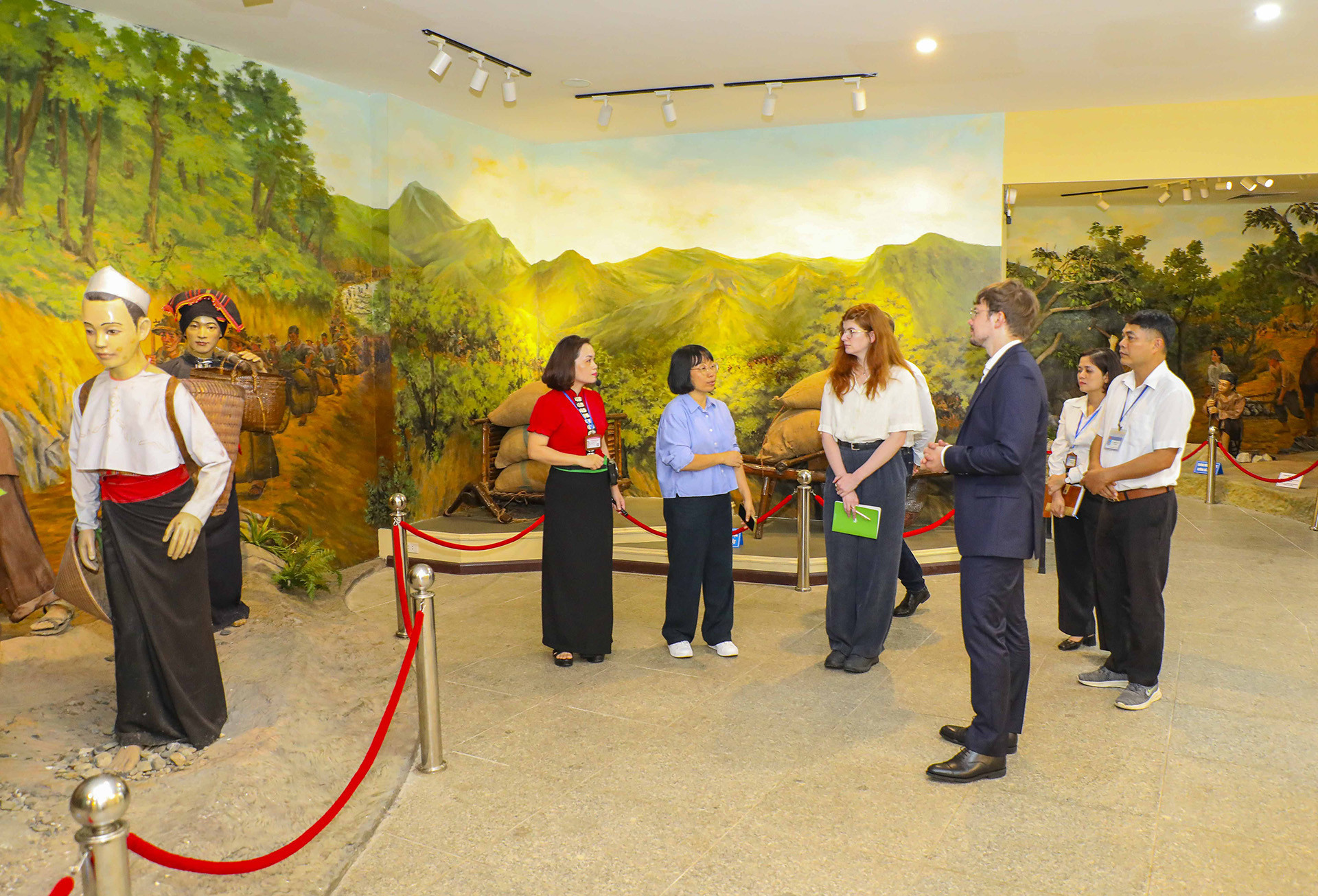
In mid-June, a delegation of French historians and museum experts spent four meaningful days in Dien Bien, visiting major historical sites including Hill A1, the Dien Bien Phu Victory Museum, the Dien Bien Phu Victory Monument, the A1 National Martyrs Cemetery and the De Castries Bunker.
The activities are part of a partnership launched following French President Emmanuel Macron's visit to Vietnam in May 2025.
One notable milestone was the visit by French Armed Forces Minister Sebastien Lecornu to Dien Bien during commemorations marking the 70th anniversary of the Dien Bien Phu Victory on May 7, 2024.
That was followed by cooperation between the Caen Memorial Museum and the Dien Bien Phu Victory Museum, with French museum specialists and historians sharing expertise in museum studies, exhibition design, curation and methods of transmitting history to future generations.
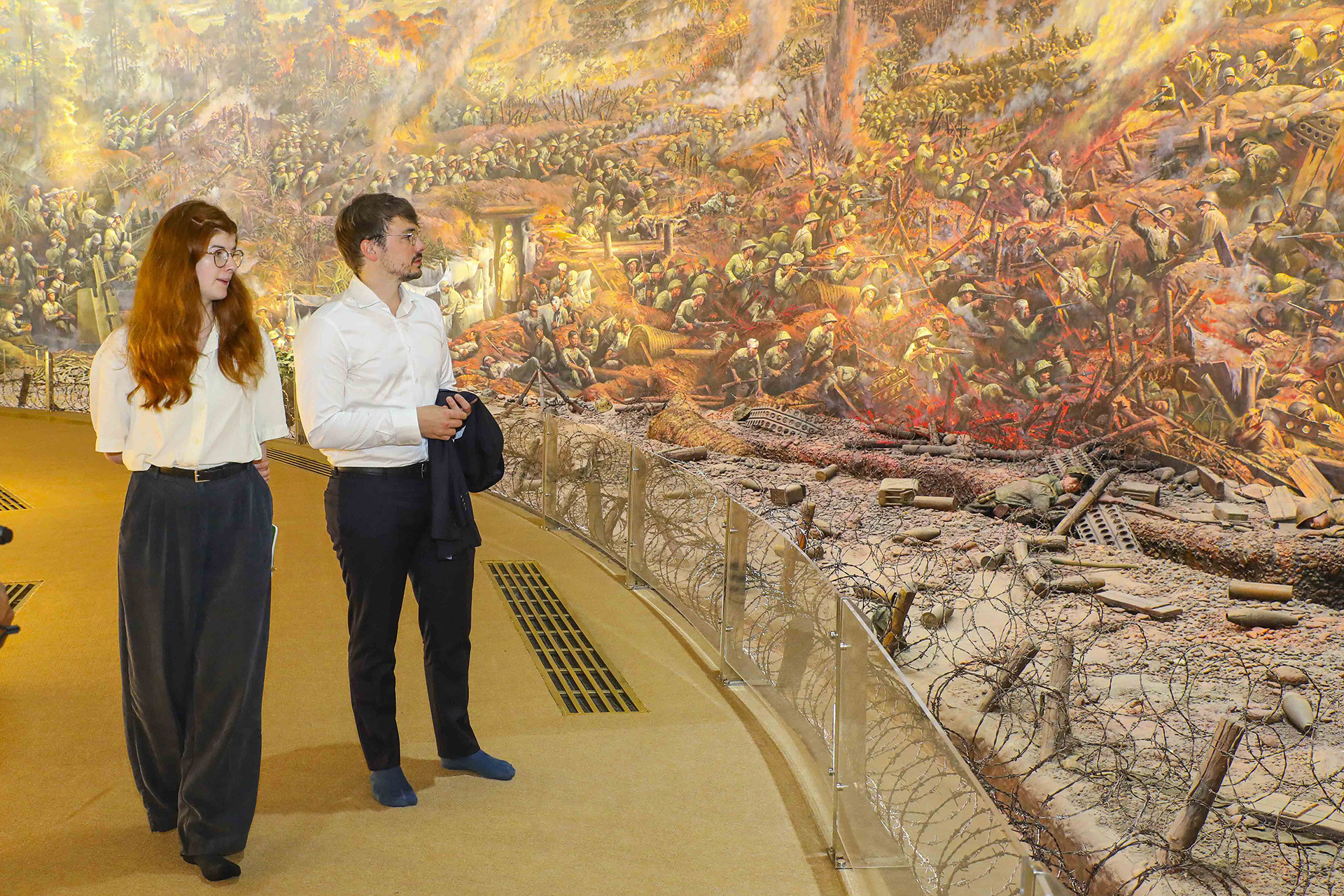
Associate Professor Clement Fabre, a senior lecturer in contemporary history at Paris-Est Creteil University and a specialist in colonial and imperial history, said that after his first visit to Vietnam and Dien Bien Province in March 2025, he spent considerable time studying the Dien Bien Phu Victory Museum.
"We believe the museum has many strengths. Its exhibition design clearly reflects its identity through a diverse collection of artifacts, especially the large panorama painting. Every member of our delegation was impressed by the museum. The artifacts are truly remarkable, extraordinary and rich in content. But the point I would emphasize most is the history and the story the museum is telling," said Associate Professor Clement Fabre.
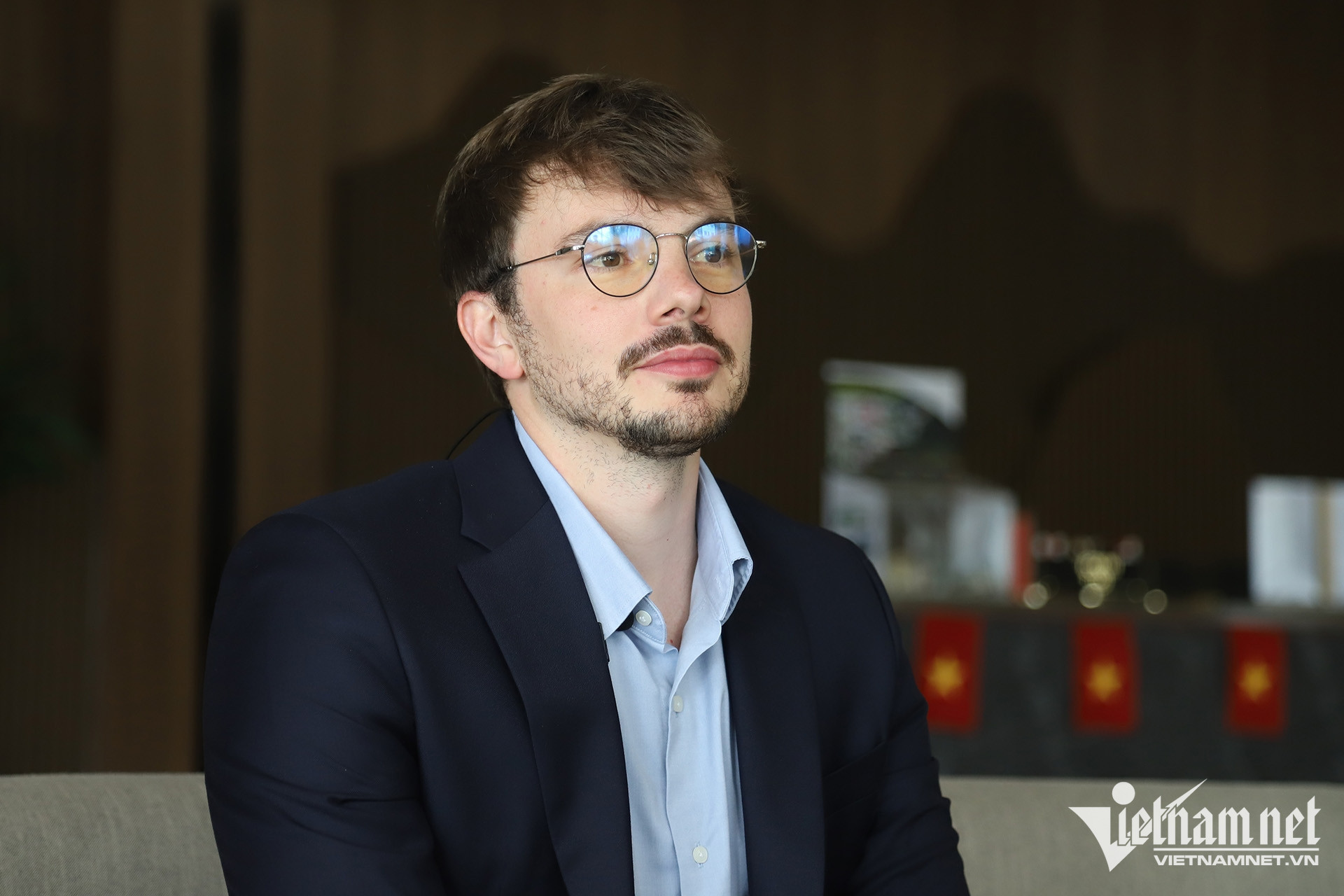
Not every museum has a unique story to tell. The Dien Bien Phu Victory marked a turning point not only in Vietnamese history and Vietnam-France relations but also in world history. The victory of May 7, 1954 served as a signal that inspired anti-colonial liberation movements around the world. For that reason, Fabre believes the story resonates not only with Vietnamese and French audiences but also with people from many other countries.
However, he stressed that renewal should not be viewed as a challenge unique to the Dien Bien Phu Victory Museum. It is a reality faced by museums everywhere. Even the Caen Memorial Museum reorganizes its exhibition spaces, content, artistic presentation, lighting and sound systems every year.
Such efforts help create fresh experiences for visitors and allow historical interpretation to evolve over time.
"Life is constantly changing. Museums are cultural, artistic and historical institutions, and they must continue to innovate in order to remain relevant to contemporary life," Fabre said.
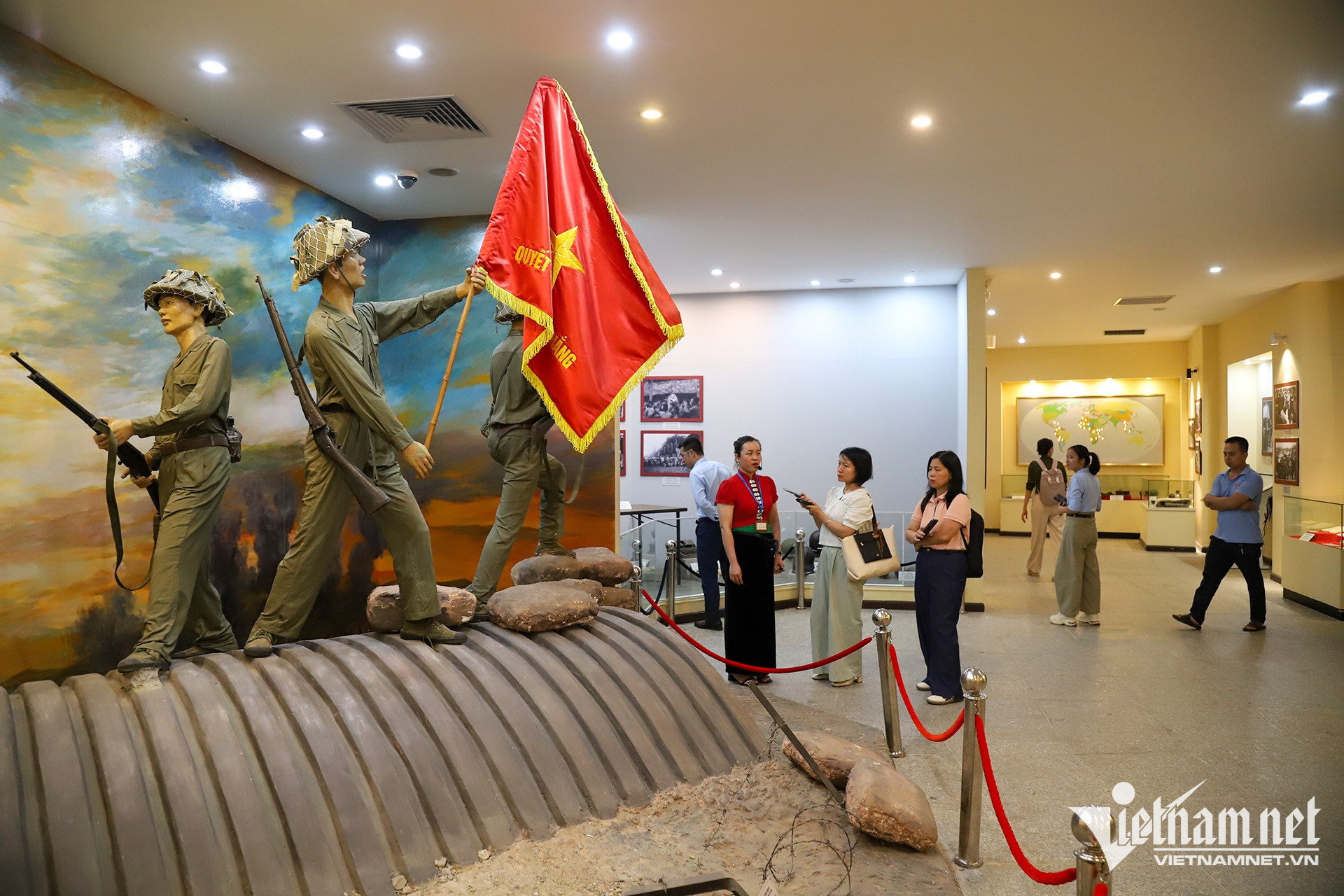
The museum's annual visitor figure of around 400,000 demonstrates its success with Vietnamese audiences, many of whom already have some knowledge of the country's history and seek deeper understanding through direct experience.
The French historian believes that, as part of its long-term development strategy, the museum should expand its reach to French visitors and international audiences. To do so, he said, it will need to further refine its exhibitions in line with international museum standards. That is also the spirit guiding the partnership between the Dien Bien Phu Victory Museum and the Caen Memorial Museum.
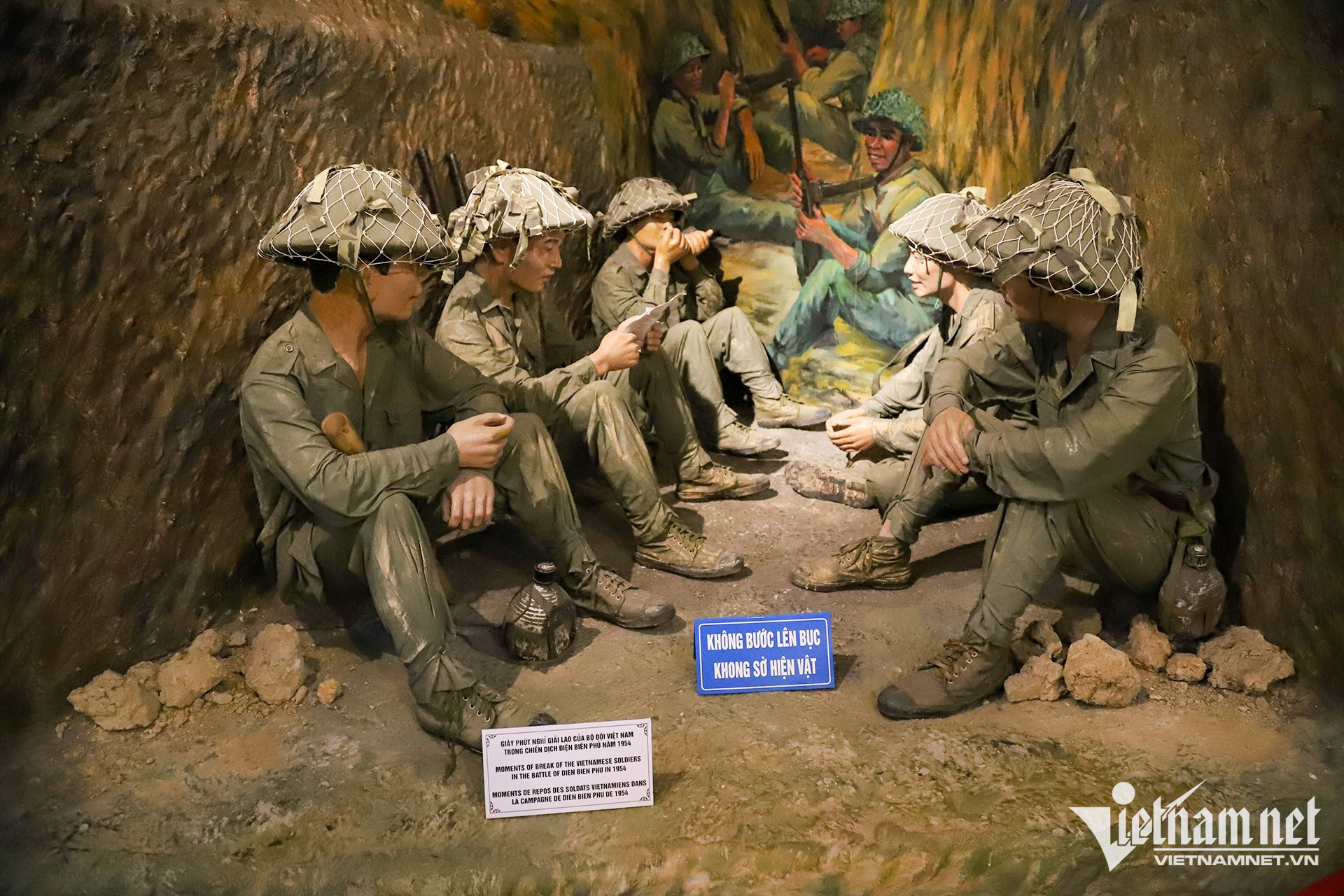
For foreign visitors unfamiliar with the event and its international significance, the experts suggested adjustments that would provide greater context about the historical importance of the battle.
"The museum naturally has many distinctive elements that must be preserved, such as the panorama painting. It needs to strike a balance between protecting its unique identity and meeting international technical and professional museum standards," Fabre said.
A remedy for healing the wounds of the past
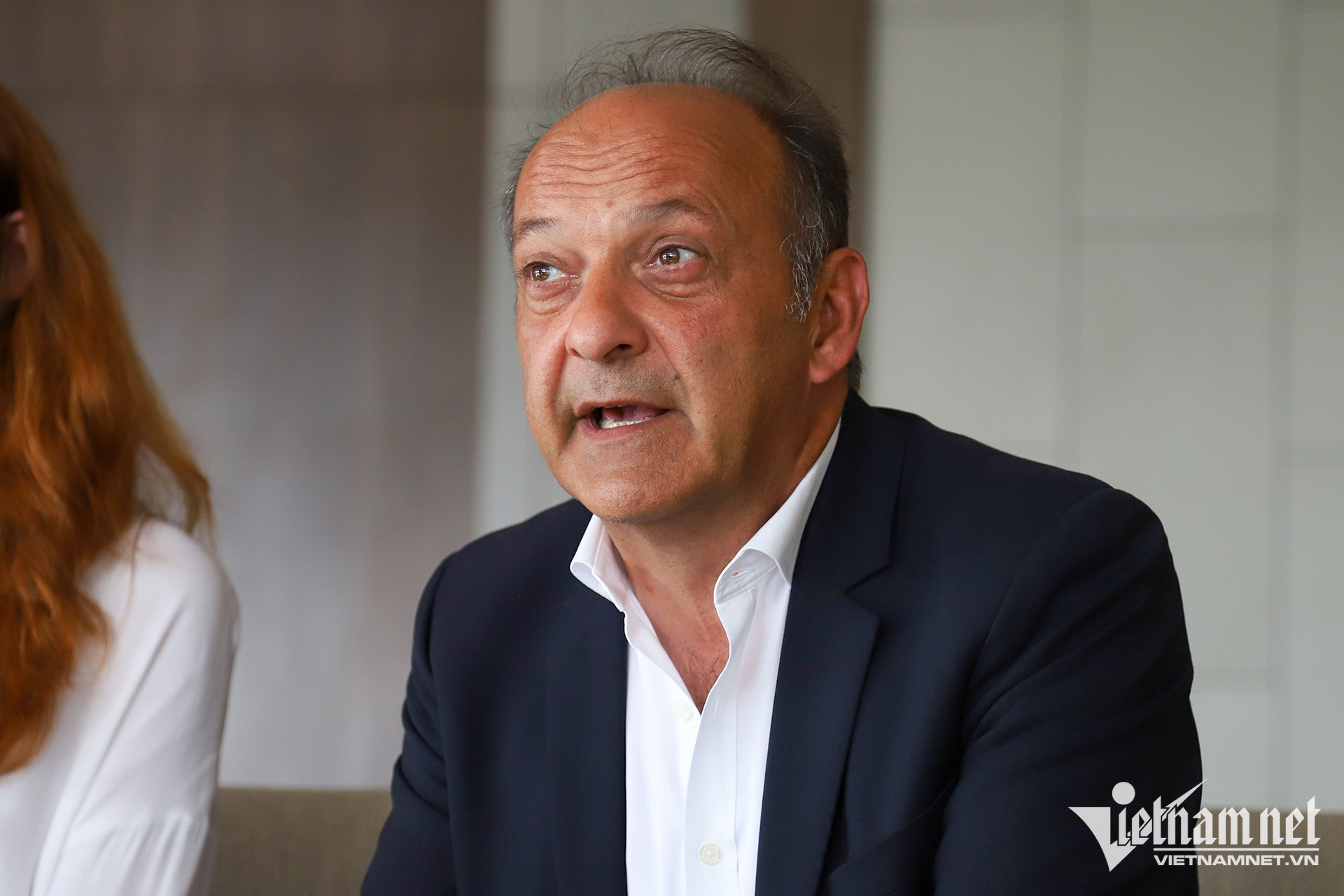
Damien Palomba, Director of Development and Operations at the Caen Memorial Museum, said the French delegation reviewed the museum's permanent exhibition areas and held discussions with its leadership and professional staff to better understand its needs, direction and renovation plans.
The Dien Bien Phu Victory Museum has also asked its French counterparts to assist with several tasks, including proposals for updating an exhibition section related to the French military. The French side has also been asked to help identify archival materials and artifacts in France that could enrich the museum's collection.
Palomba noted that younger visitors can be engaged more effectively through interactive and entertaining experiences that leave a lasting emotional impression.
"Emotion is the key to connecting young people with history. We should not focus solely on statistics. Historical events can be conveyed through real stories, through the experiences of individuals and the testimonies of veterans who lived through the conflict. Those personal stories create genuine emotion and deeper empathy," he said.
Tour guides also need flexibility and sensitivity to help school and university students connect the historical knowledge they learn in textbooks with the artifacts and images they encounter during museum visits.
The French experts noted that many people today can simply look at their phones to find out what is displayed inside a museum. However, excessive digitalization of historical spaces, stories and artifacts may not always produce positive results. The true strength of museums lies in the presence of authentic objects and real-world experiences.
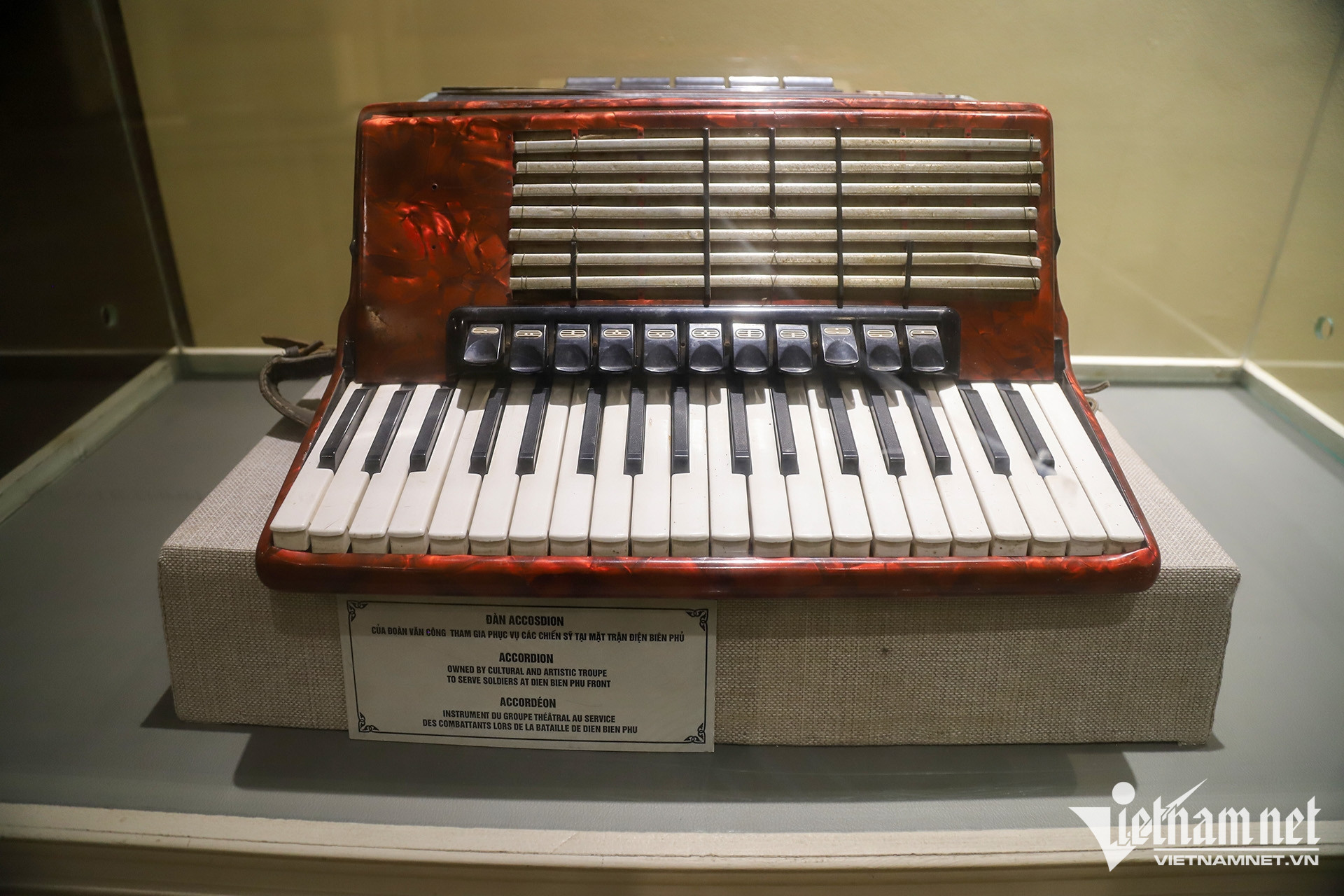
Each artifact can tell a story, but the emotional impact often comes from the way it is presented and interpreted by guides. As an example, Fabre pointed to an accordion displayed at the museum that once belonged to a performance troupe serving soldiers on the Dien Bien Phu front. He suggested exhibiting the instrument alongside music played on similar accordions or stories from people connected to it.
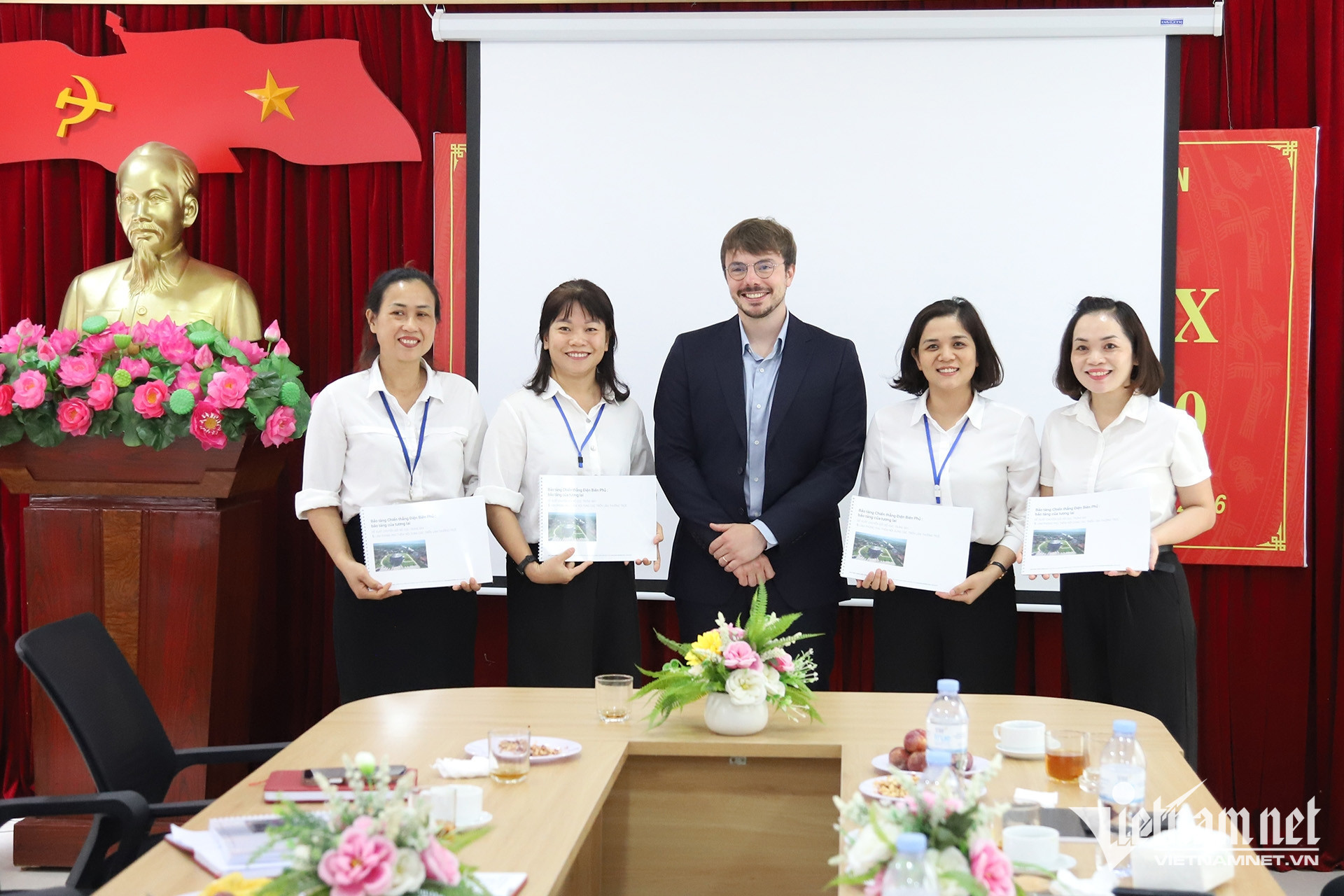
During a meeting with the French delegation, Dien Bien Party Secretary Tran Tien Dung received a set of recommendations regarding exhibition improvements at the Dien Bien Phu Victory Museum. He said the province is considering a larger and more ambitious project as part of its strategy to develop cultural industries.
"If a museum only displays artifacts, visitors will finish viewing it very quickly. I was particularly interested in the images in the report showing French self-propelled artillery and military Jeeps. If we could recreate the weapons, equipment and vehicles used by the French at the time, which represented advanced technology in that era, it would be very attractive," he said.
According to the provincial leader, the cooperation between the two museums carries significance beyond professional exchange. It also helps promote Dien Bien to international audiences and brings the historical values of the Dien Bien Phu battlefield closer to people both in Vietnam and abroad through research, education, cultural and tourism activities.
History is a shared asset of humanity, and historical museums are institutions that preserve collective memory. For that reason, cooperation among museums holds special importance. Telling history together and researching history together - including its most painful chapters - is one of the most effective remedies for healing the wounds of the past and one of the surest paths toward a peaceful future.
Tran Thuong
.svg)
