 Vietnamnet.vn

 Podcast



At the invitation of Singaporean President Tharman Shanmugaratnam and his spouse, General Secretary and President To Lam, accompanied by his spouse and a high-level Vietnamese delegation, will pay a state visit to Singapore from May 29 to 31.
Speaking with VietNamNet, Associate Professor Dr. Duong Minh Hai of the National University of Singapore shared his views on bilateral cooperation in science and technology, as well as expectations surrounding the visit.
Vietnam aims to become a modern industrialized nation by 2030 and a high-income developed country by 2045. General Secretary and President To Lam has repeatedly stressed that achieving those goals requires accelerating science and technology development, innovation, and the national digital transformation strategy. How do you view this direction, particularly in the current global context?
I believe the direction set by General Secretary and President To Lam and the Vietnamese leadership is both strategic and inevitable for Vietnam’s next stage of development.
In the past, growth was largely driven by low-cost labor, natural resource extraction, and expanding investment. But in today’s era, development must be powered by science and technology, innovation, and digital transformation.
Viewing science and technology as the “golden key” to escaping the middle-income trap is absolutely the right approach. Looking at countries such as Singapore, South Korea, and China, none became developed nations without major investment in technology, education, and high-quality human resources.
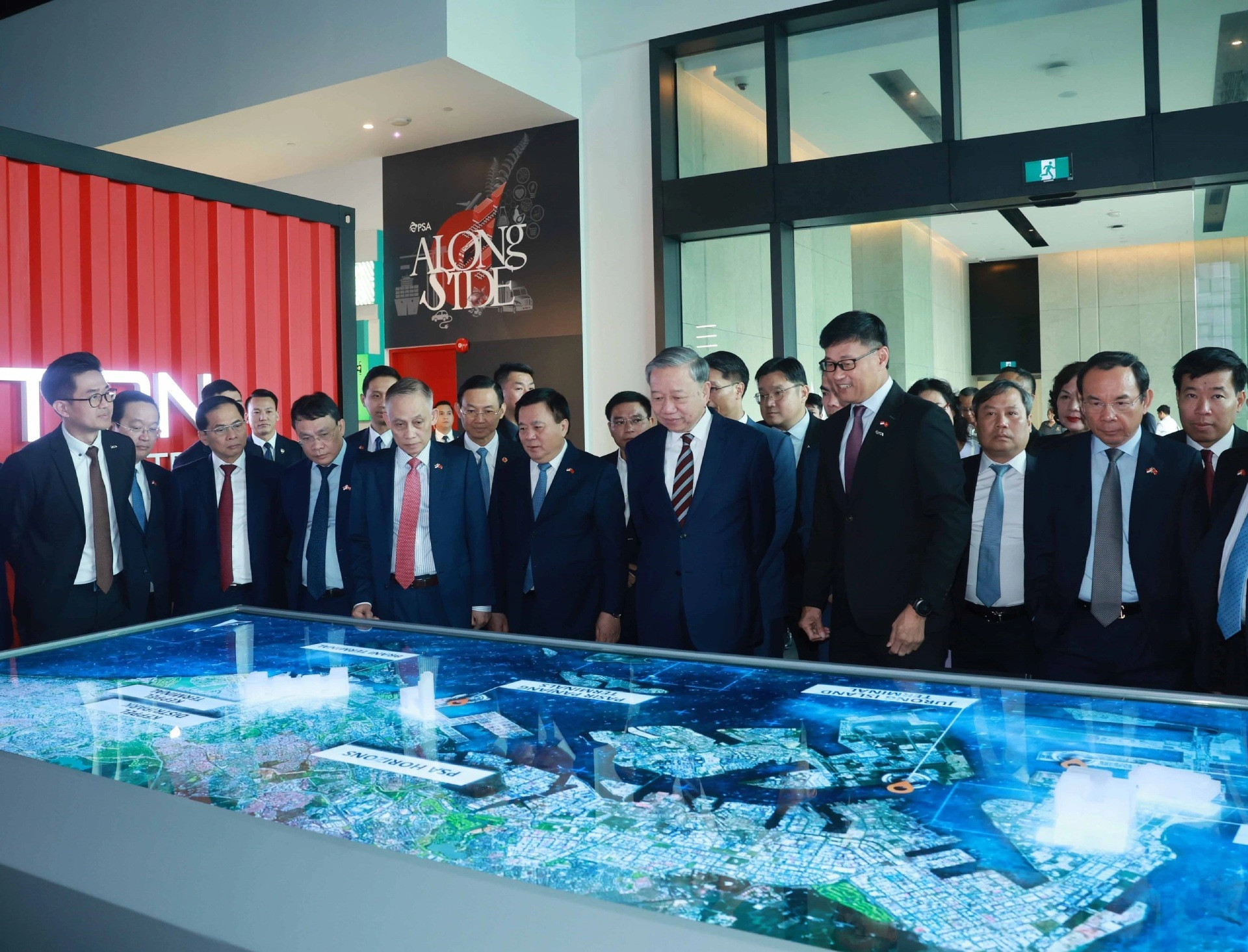
As the world enters a new race around AI, semiconductors, advanced materials, clean energy, and green technology, national advantage no longer lies primarily in natural resources, but in innovation capacity and the ability to master technology. This is both a challenge and a major opportunity for Vietnam.
Vietnam currently possesses important advantages, including a young population, rapid technology adoption, a strong entrepreneurial spirit, and increasingly deep participation in global supply chains. If it can capitalize on the current wave of technological shifts, Vietnam can absolutely leapfrog in several strategic sectors.
In my view, the most important task is transforming development thinking - treating investment in science and technology as an investment in the nation’s future, while building an innovation ecosystem linking the government, universities, research institutes, businesses, and startups.
Digital transformation also goes far beyond digitizing administrative procedures. More fundamentally, it means transforming growth models, governance, and economic operations. If implemented effectively, it could significantly improve productivity, competitiveness, and narrow the gap with developed economies.
One of the key pillars of Vietnam-Singapore cooperation is science and technology, innovation, and digital transformation. Given the similarities and complementary strengths between the two countries, which areas do you believe Singapore can cooperate with Vietnam most effectively?
I believe bilateral cooperation in science and technology, innovation, and digital transformation holds tremendous potential because the two economies complement one another.
Singapore’s strengths lie in technology, governance, finance, and innovation ecosystems, while Vietnam has a young workforce, a dynamic market, and enormous demand for technological development. Most importantly, the two countries are not direct competitors, but can jointly create new value for ASEAN and global supply chains.
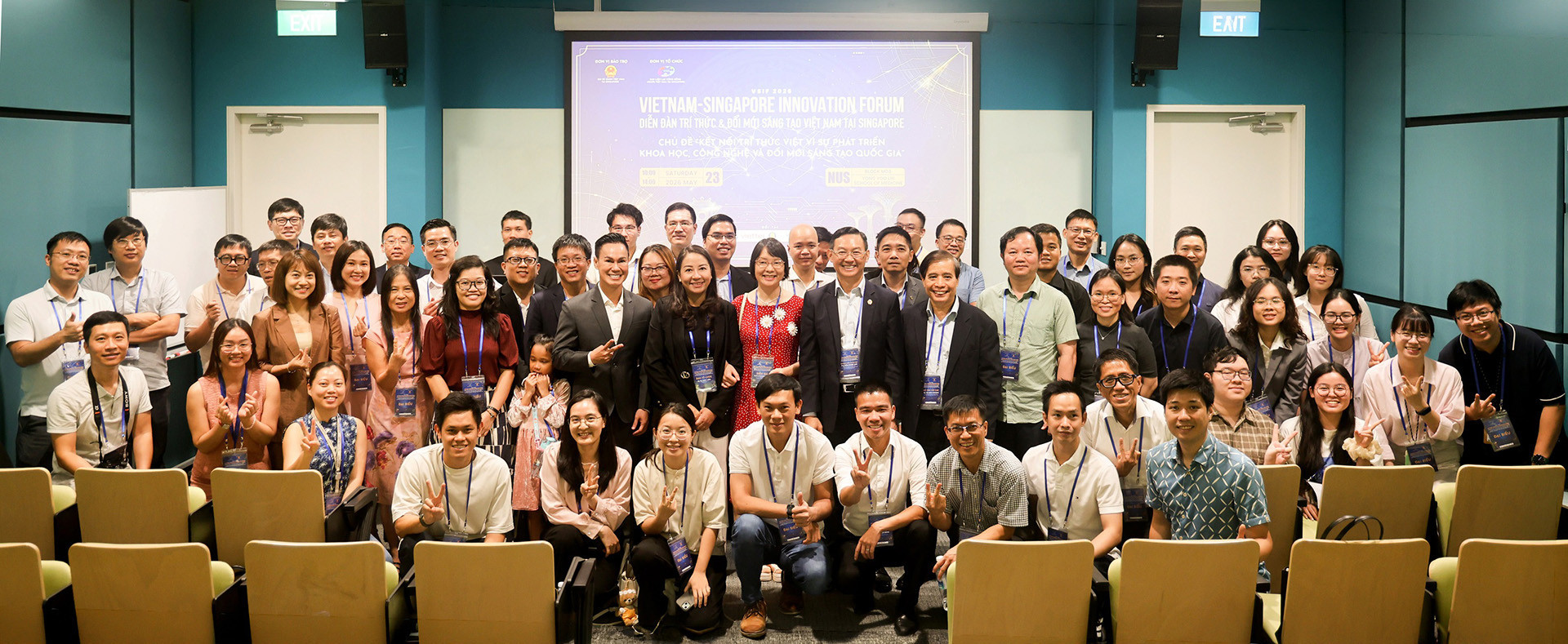
One of the standout areas is AI and digital transformation. Singapore is a regional leader in AI, digital government, and data governance, while Vietnam has one of the fastest rates of technology adoption. The two countries could cooperate on AI applications in manufacturing, logistics, healthcare, education, and smart cities.
A second promising area is green technology and sustainable development. Singapore has extensive experience in waste management, water treatment, clean energy, and circular economies, while Vietnam possesses abundant biomass and agricultural byproducts. Combining Singaporean technology with Vietnam’s biological resources could allow the two countries to jointly develop green materials, recycling technologies, biofuels, and net-zero solutions.
Semiconductors and advanced electronics are also strategically important areas. Singapore is one of the world’s semiconductor hubs, while Vietnam is increasingly positioned to participate more deeply in global supply chains. Cooperation could include workforce training, chip design, and semiconductor material research.
Another crucial area is startups and innovation ecosystems. Singapore has built an effective model connecting universities, investment funds, businesses, and startups. More Vietnam-Singapore startup exchange programs, joint investment funds, and shared technology testing mechanisms could generate enormous impact.
Future cooperation should move beyond simply “buying technology” toward “co-developing technology.” When both countries jointly research, test, and commercialize new technologies, the resulting value will be far more sustainable and meaningful.
Vietnam and Singapore can absolutely become a model for strategic cooperation in innovation, green transition, and high technology within ASEAN.
On May 25, during a meeting of the Central Steering Committee on science, technology, innovation, and digital transformation, General Secretary and President To Lam emphasized the need for an academic environment that is free, honest, creative, and capable of offering worthy incentives and major responsibilities to talented individuals. As someone working at one of the region’s top universities, what recommendations would you make regarding academic research and talent policies?
The direction outlined by General Secretary and President To Lam regarding a free, honest, and creative academic environment, alongside policies that genuinely value talent, is extremely important for Vietnam’s scientific future.
International experience shows science can only flourish when researchers are empowered to think creatively, experiment with new ideas, and even fail. Major breakthroughs often emerge from unconventional thinking.
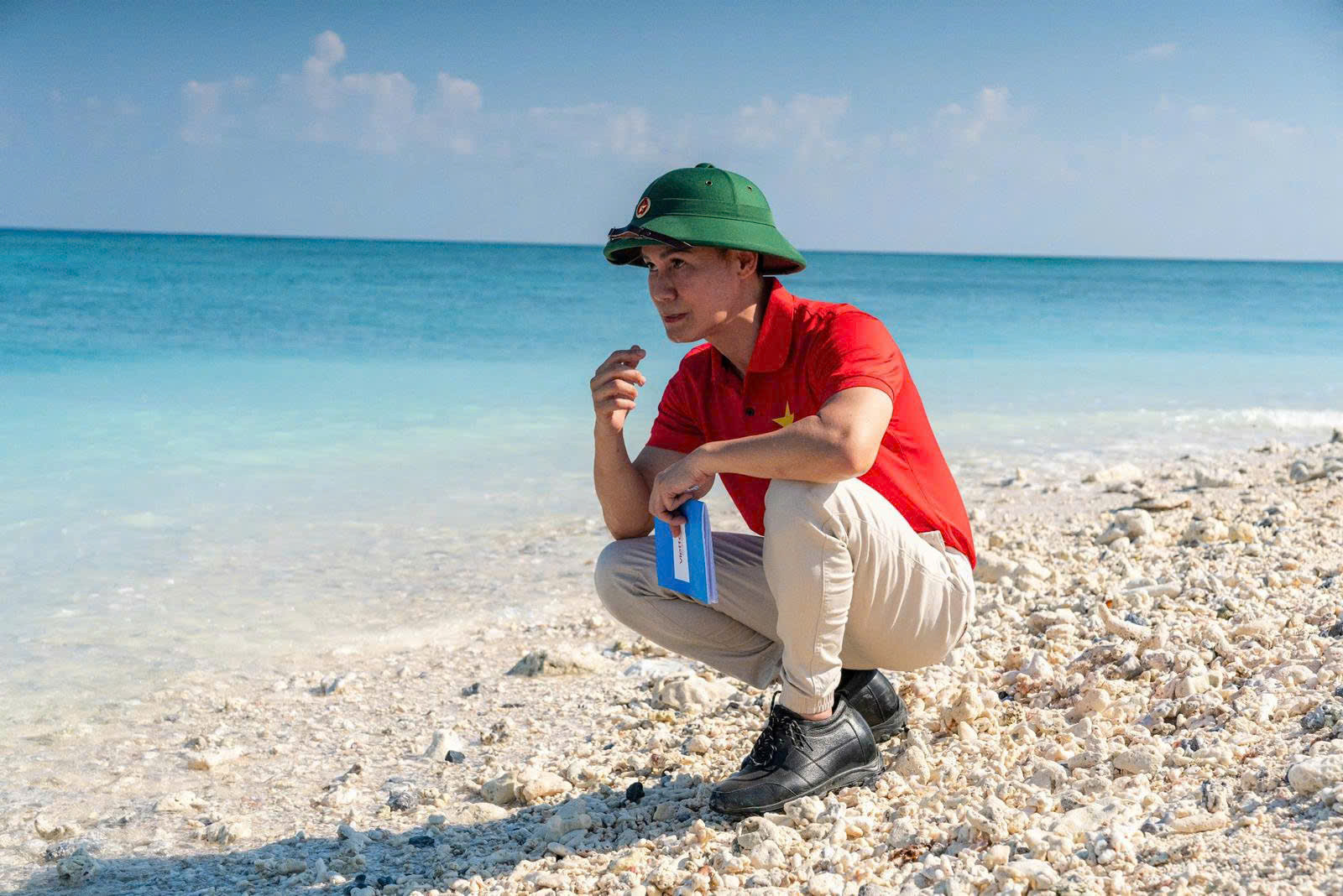
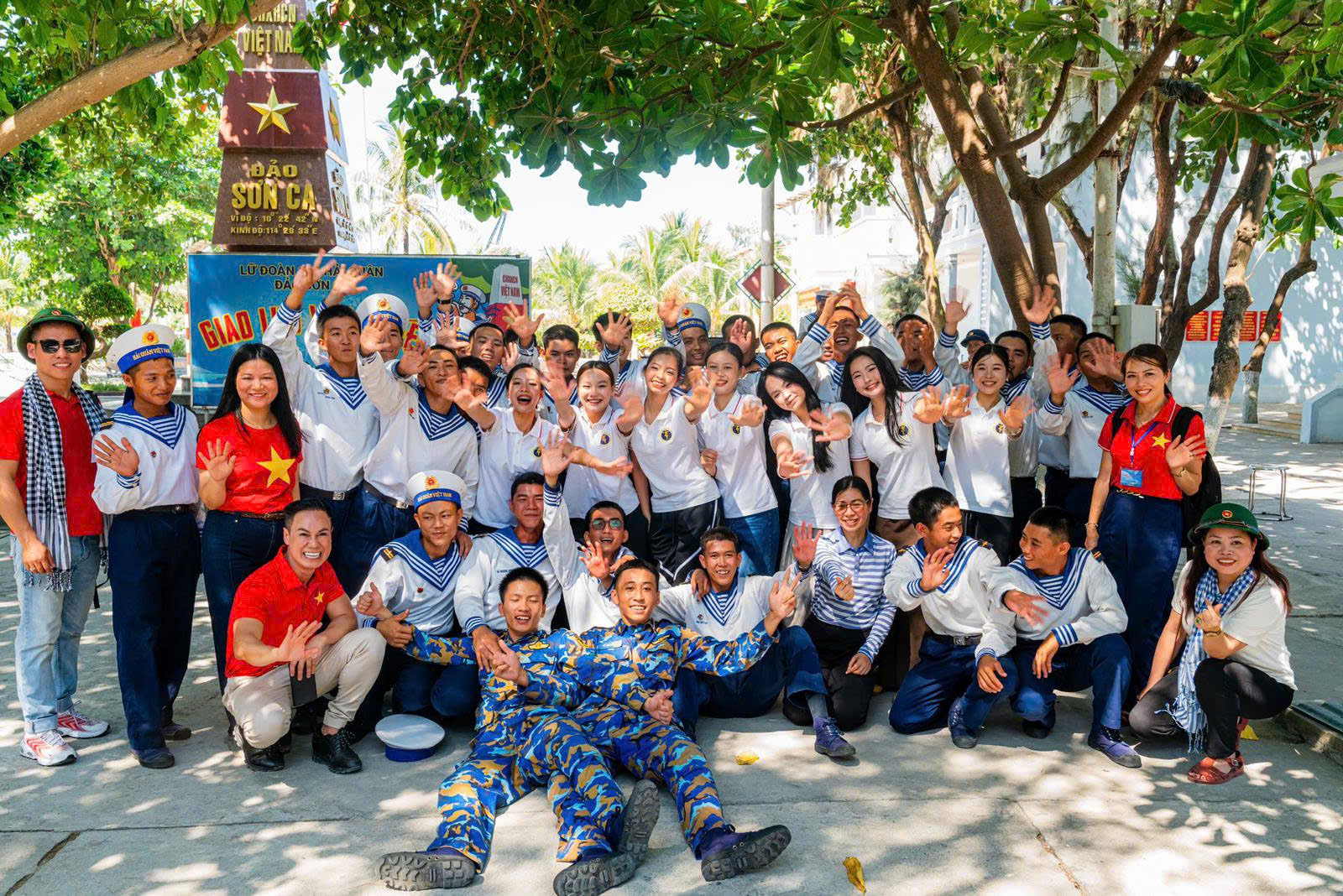
First, Vietnam needs a truly transparent academic environment that respects critical thinking. Scientists should be evaluated based on research quality, practical impact, and creativity rather than formalistic indicators.
Second, the country should boldly entrust major responsibilities to young and capable researchers. At many leading research universities, young scientists are allowed to lead laboratories or major projects early in their careers if they demonstrate capability.
Third, Vietnam needs competitive incentives to retain talent. Compensation is not just about income, but also research infrastructure, academic autonomy, support teams, and long-term career opportunities.
Vietnam should also invest more heavily in long-term research and build interdisciplinary centers of excellence in areas such as AI, advanced materials, clean energy, and green technology.
Most importantly, I believe Vietnam must create trust and aspiration. When scientists feel respected, empowered, and able to contribute to national goals, they will dedicate themselves for the long term.
General Secretary and President To Lam has also highlighted the need to develop Vietnam’s materials industry in a green, sustainable, and self-reliant direction. As a scientist specializing in advanced materials, how do you view this strategy? What lessons can Vietnam learn from Singapore’s development of its materials industry?
I believe the strategy of building a green, sustainable, and self-reliant materials industry is highly strategic and timely. This is not merely about one industrial sector, but about laying the foundation for national competitiveness in the green and high-tech economy.
Vietnam cannot continue relying on the “export raw, import refined” model - exporting low-value resources while importing high-value advanced materials and technologies. To improve industrial competitiveness and self-reliance, Vietnam must move toward deep processing, mastering core technologies, and generating added value domestically.
I strongly agree with the three-tier materials development approach proposed by General Secretary and President To Lam - maintaining and upgrading foundational materials, making breakthroughs in strategic materials, and preparing early for future materials.
For foundational materials, traditional sectors such as steel, cement, polymers, and construction materials should become greener, more energy efficient, and lower in emissions.
For strategic materials, Vietnam should focus on sectors capable of shaping the future economy, including electric vehicle battery materials, semiconductors, renewable energy, green hydrogen, and CO2 absorption materials.
For future materials, early investment should be directed toward emerging technologies such as aerogels, hydrogels, carbon nanomaterials, biomaterials, and materials derived from agricultural byproducts. These could become high-value industries if developed properly.
Vietnam’s unique advantage lies in its vast biomass and agricultural waste resources, including pineapple leaves, rice straw, sugarcane residue, waste paper, and plastic waste. By combining modern science with these resources, Vietnam could build a distinctive green materials industry.
The biggest lesson from Singapore is that a country without abundant natural resources can still become a leading center for advanced technology and materials if it invests properly in people, research, and innovation ecosystems.
Singapore’s standout strength is its long-term commitment to research investment. The country supports not only projects with immediate commercialization potential, but also foundational technologies requiring many years of development.
With a long-term strategy and focused investment, Vietnam can eventually shift from being an assembly-based economy to a creator of advanced materials technology.
As an overseas Vietnamese scholar, what are your expectations for General Secretary and President To Lam’s visit to Singapore and future cooperation between the two countries?
As an overseas Vietnamese living, teaching, and conducting research in Singapore, I strongly hope this visit will open a new chapter of deeper and more practical cooperation between Vietnam and Singapore, particularly in science and technology, innovation, education, green transition, and high-tech industries.
In my view, bilateral ties should move beyond traditional trade cooperation toward partnerships in knowledge, technology, and co-innovation.
What I hope for most is the creation of joint innovation programs in which both countries research, develop, and commercialize technologies together.
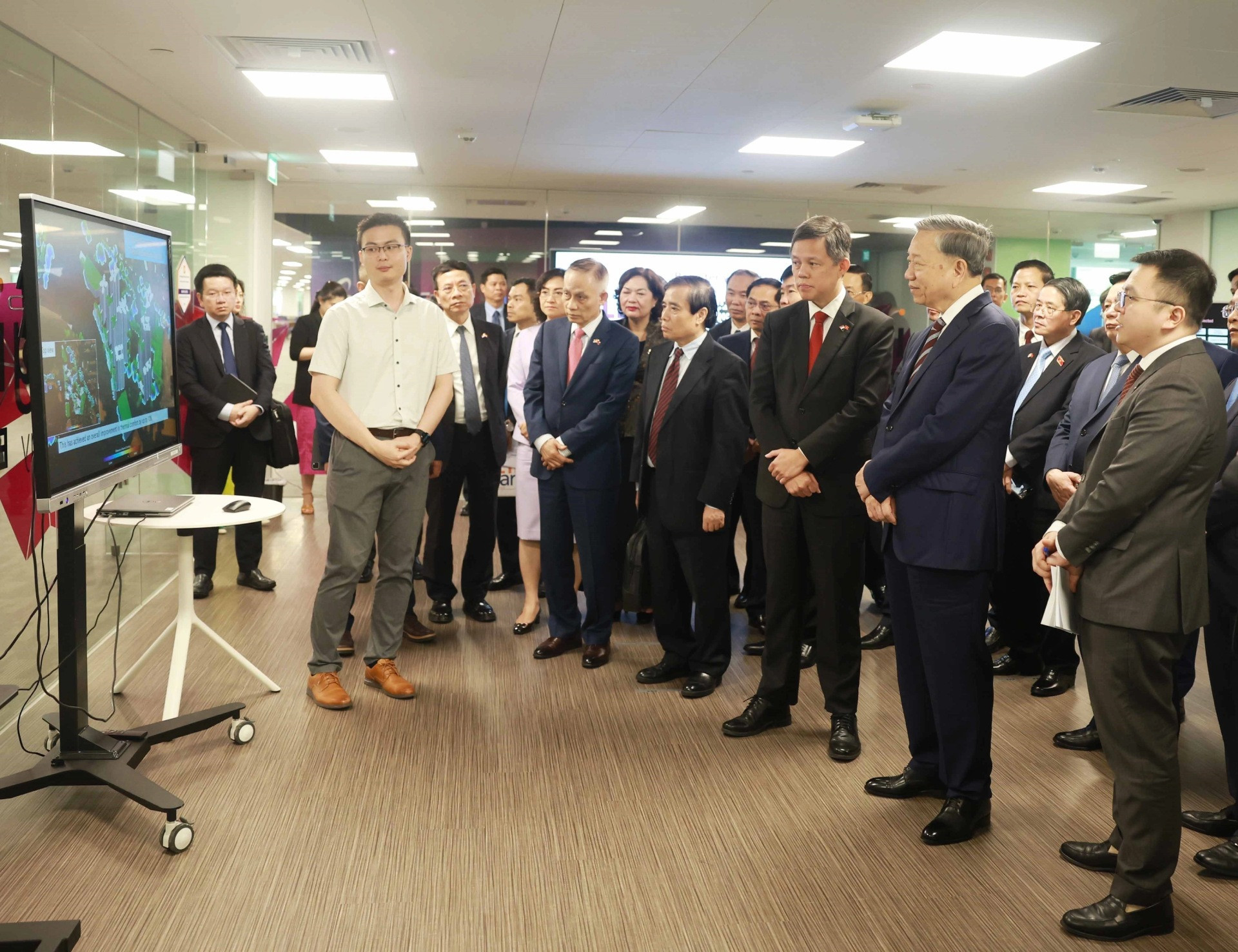
Singapore excels in governance, financial technology, and innovation ecosystems, while Vietnam offers a young workforce, dynamic markets, and abundant biological resources. If these advantages are combined effectively, the two countries could jointly develop industries such as green materials, circular economies, applied AI, and low-carbon technologies.
I also hope to see more joint research centers, cross-border laboratories, and university-business partnership programs between the two countries. These will serve as crucial bridges connecting laboratory research with the marketplace.
For overseas Vietnamese intellectuals, this visit also strengthens confidence that Vietnamese scientists and experts around the world will have more opportunities to contribute to scientific cooperation and knowledge transfer back home.
If this new phase of cooperation is utilized effectively, Vietnam-Singapore relations could become not only one of ASEAN’s leading economic partnerships, but also a model for innovation, green technology, and sustainable development cooperation.
Tran Thuong
.svg)
