 Vietnamnet.vn

 Podcast



El Nino 2026-2027 is forecast to persist through the end of next year with a probability of more than 95%, increasing the risk of prolonged heat, drought, water shortages, saltwater intrusion and extreme weather across many regions.
The El Nino event officially formed in mid-2026 and has developed rapidly, according to the latest report from the Department of Hydrometeorology under the Ministry of Agriculture and Environment.
The meteorological agency forecasts that the warm phase will continue from the second half of 2026 into 2027, with a probability of more than 95%.
El Nino is expected to reach moderate to strong intensity, with a 60-65% chance of becoming very strong by late 2026.
The duration of the event will determine the extent of its impact on Vietnam's weather and climate.
If El Nino begins weakening in early 2027, its effects are expected to be concentrated mainly during the 2026-2027 dry season. However, if it persists until mid-2027, the risks of prolonged heat, drought, water shortages, saltwater intrusion and a delayed rainy season will increase, particularly from March to June 2027.
Under that scenario, the impact on Vietnam could range from very severe to devastating.
Prolonged heat, drought and saltwater intrusion
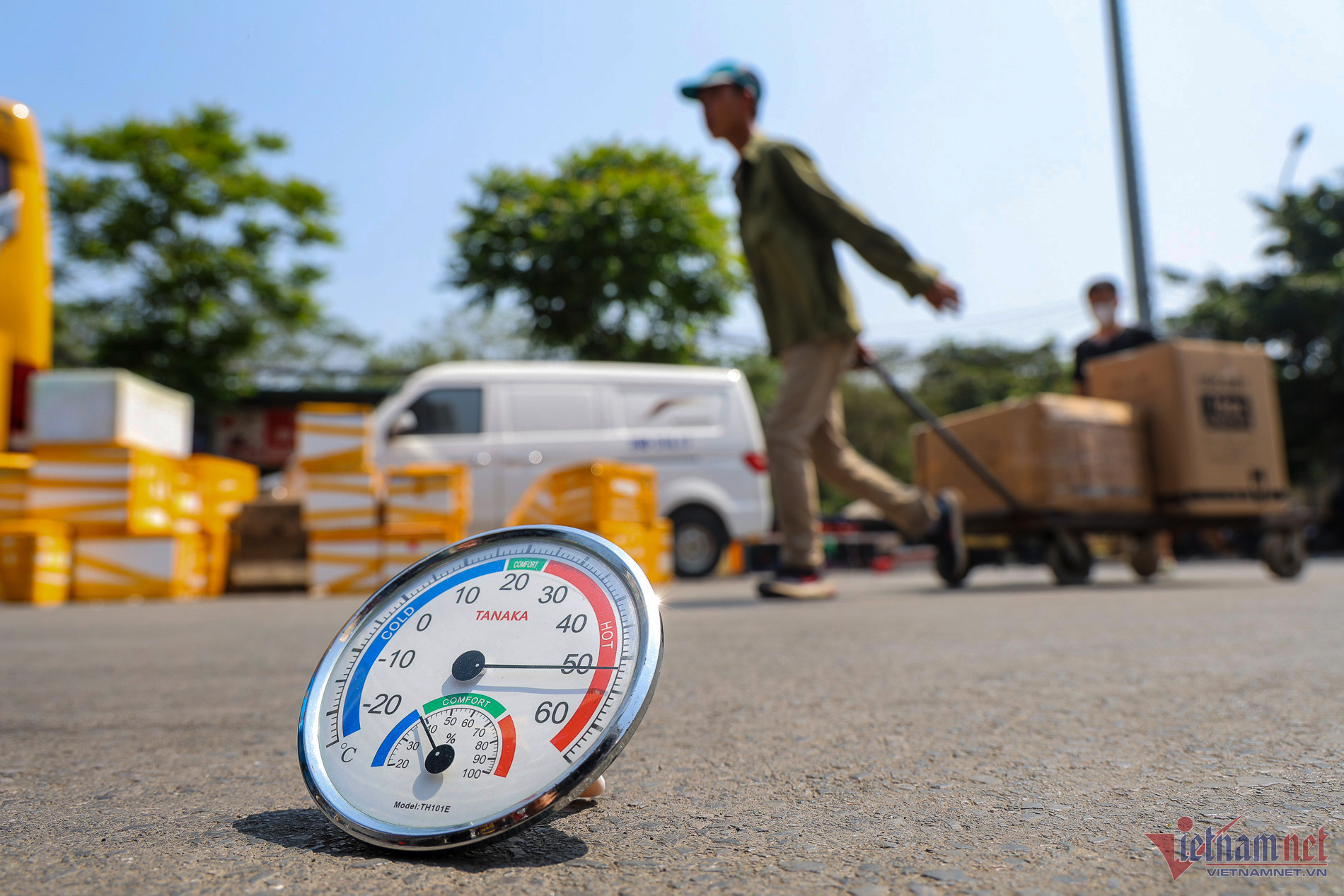
Under the influence of El Nino, temperatures tend to rise above long-term averages, while rainfall becomes unevenly distributed and seasonally deficient.
River flows across many basins are also expected to decline, increasing the risks of drought, water shortages and saltwater intrusion.
Average temperatures nationwide could be 0.5-1.5 degrees Celsius above long-term averages. In some parts of northern and central Vietnam, the difference could reach 2-3 degrees.
Heatwaves are forecast to arrive earlier, last longer and become more intense across all three regions of the country.
Seasonal rainfall could decline by 10-30%, while some areas in the South Central region may receive more than 50% less rain.
River and stream flows are expected to fall by 20-40%, increasing drought risks in the South Central Coast, the Central Highlands and the Mekong Delta.
In the Mekong Delta, the salinity boundary of 4 grams per liter is forecast to move deeper inland during high-tide periods in early 2027.
Saltwater intrusion could extend 90-125 km along the Vam Co River, 85-90 km along the Cua Tieu River and 70-80 km along the Ham Luong River.
The situation could directly affect more than 350,000 ha of winter-spring rice, as well as fruit-growing areas, aquaculture and domestic water supplies for millions of people in coastal communities.
Fewer storms, but weather remains unpredictable
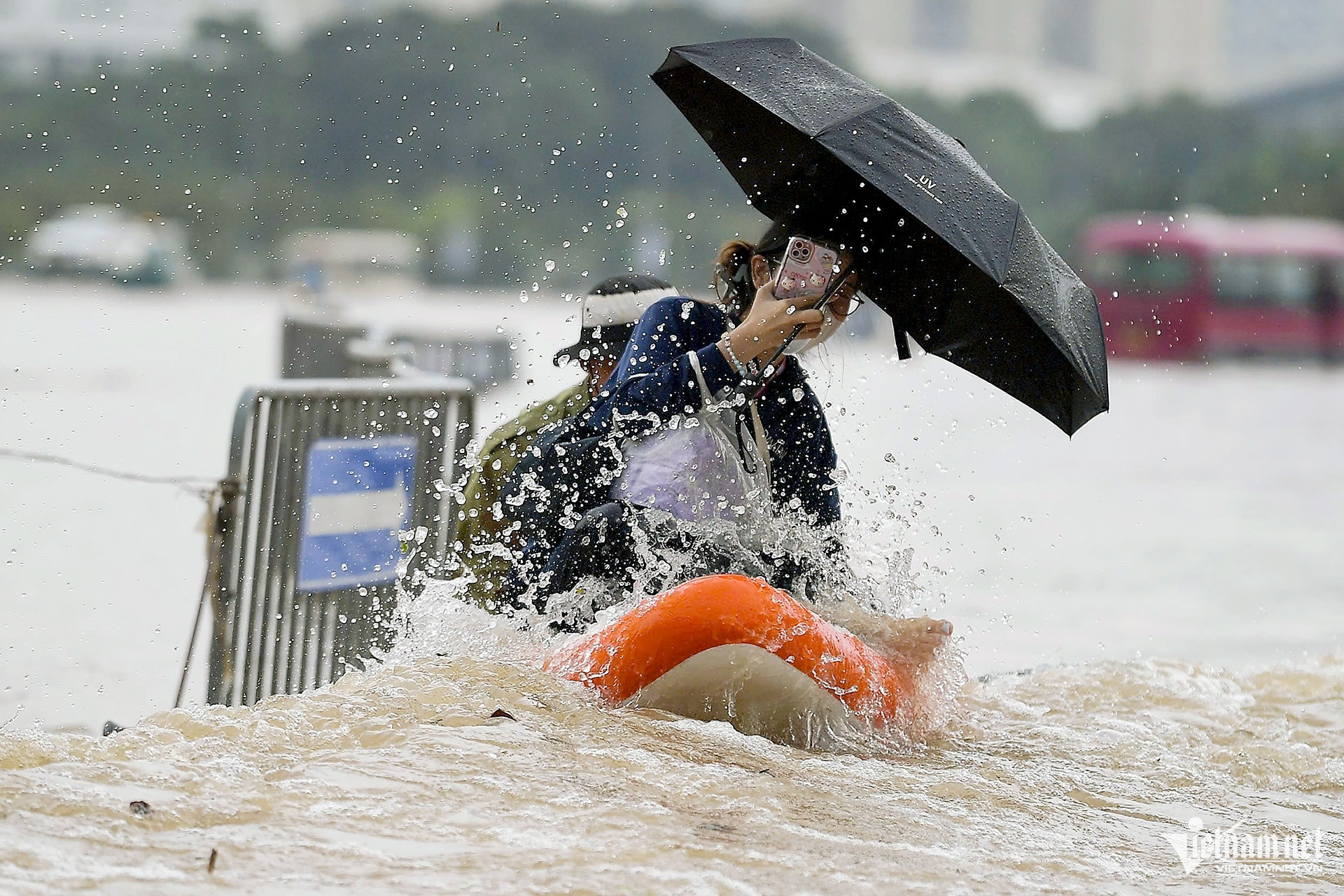
According to the Department of Hydrometeorology, El Nino does not mean that conditions will be limited to heat and drought.
Although the number of storms and tropical depressions in the East Sea is forecast to fall to around eight to 10 during the El Nino period, below the long-term average, individual storms could follow more complex tracks and become stronger under the impact of climate change.
Vietnam may also experience 16-19 episodes of extreme rainfall, with intense downpours occurring over short periods.
Heavy rain following prolonged dry conditions could increase the risk of flash floods and landslides in the northern mountains and Central Highlands, while also causing flooding in many urban areas.
Previous El Nino events and their impact on Vietnam
A review of more than 70 years of El Nino activity shows that each event has affected Vietnam differently, but all have increased the risks of heat, drought, water shortages and saltwater intrusion.
Strong El Nino events in 1997-1998 and 2015-2016 caused rainfall deficits, reduced river flows and severe saltwater intrusion.
The 2015-2016 event was considered one of the most damaging periods of drought and salinity intrusion on record.
Historical experience shows that the impact of El Nino depends not only on its intensity but also on how long it lasts, global temperatures, available water resources and response capacity.
For El Nino 2026-2027, if the event becomes very strong and continues until mid-2027, drought, water shortages and saltwater intrusion could become more serious than in previous periods.
However, this remains a risk scenario that requires close monitoring rather than a certain forecast.
The Department of Hydrometeorology said its current approach is shifting from forecasting the phenomenon itself toward impact-based warnings to provide more effective support for disaster prevention and response.
The agency advised residents and local authorities to closely follow weather forecasts, proactively store water for daily use, conserve electricity and water, adjust crop structures where necessary, and prepare response plans for drought, saltwater intrusion, heavy rain, flash floods and landslides to minimize losses.
Bao Anh
.svg)
