 Vietnamnet.vn

 Podcast



El Nino has officially formed and is forecast to strengthen further in the coming months. Vietnam could face reduced rainfall, worsening drought conditions and increased saltwater intrusion, while the threat of powerful storms, extreme rainfall and flash floods remains.
Could match or even exceed the historic El Nino event
Speaking to the media on June 17 about disaster preparedness, Dang Thanh Mai, Deputy Director General of the Department of Meteorology and Hydrology, said both domestic and international forecasting models indicate that El Nino is almost certain to persist from June 2026, intensify during the second half of the year and potentially continue into early 2027.
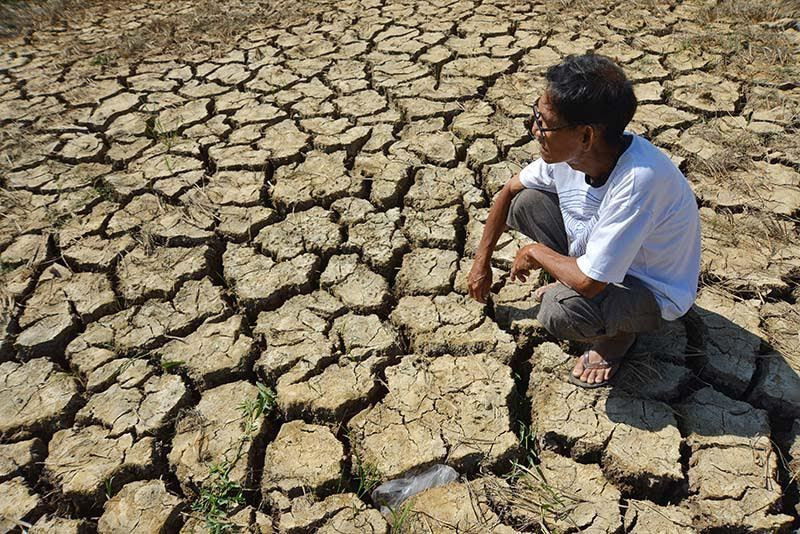
Notably, the probability of a very strong El Nino event is currently estimated at 60-65%, comparable to the 2015-2016 episode and potentially ranking among the strongest El Nino events recorded since 1950.
According to Mai, if this scenario materializes, average temperatures nationwide could rise by 0.5-1.5 degrees Celsius above long-term averages, with increases of 1-2 degrees Celsius possible during the final months of the year. Rainfall could decline by 25-50%, particularly across Central Vietnam, the Central Highlands and the South.
"As a result, the risks of drought, water shortages and saltwater intrusion will increase in many areas," Mai said.
Mai Van Khiem, Director of the National Center for Hydro-Meteorological Forecasting, added that most major meteorological agencies worldwide have now confirmed the emergence of El Nino. In Vietnam, the seasonal climate bulletin released on June 15 also officially recognized the phenomenon.
According to Khiem, the likelihood of a strong El Nino has been rising rapidly. While forecasts in April placed the probability at around 20%, it climbed to 57% in May and reached approximately 65-66% in the June update.
"Current trends suggest a very high probability that El Nino will reach an intensity similar to the 2015-2016 event, and the possibility of it becoming even stronger cannot be ruled out," Khiem said.
The 2015-2016 El Nino brought prolonged heatwaves, severe drought and historic saltwater intrusion across many localities, particularly in the South Central Coast, the Central Highlands and the Mekong Delta.
Less rainfall does not mean fewer disasters
Forecasts indicate that rainfall during this year's wet season in the north-central and central coastal regions will remain below average, increasing the risk of water shortages for agricultural production.
Meanwhile, the Central Highlands and the Mekong Delta are expected to be among the regions most heavily affected by El Nino, facing elevated risks of drought and saltwater intrusion.
Khiem noted that lessons from the 2019-2020 El Nino demonstrated how early warnings and adjustments to agricultural planning could significantly reduce damage. Many localities proactively altered planting schedules and advanced crop cycles to avoid peak drought and salinity periods.
In the Central Highlands, the 2026-2027 dry season is expected to be drier than normal, with reduced rainfall and an earlier end to the rainy season. This could directly affect major cash crops such as coffee and pepper. Authorities are therefore being urged to develop water storage plans early to ensure adequate supplies for both production and daily use.
One important point, experts say, is that El Nino typically reduces the number of storms and tropical depressions forming in the East Sea compared with long-term averages. However, that does not mean disaster risks will diminish.
Powerful storms capable of causing severe damage can still occur during El Nino years. Extreme weather events such as localized heavy rain, flash floods and landslides also remain significant threats.
Khiem emphasized that although overall rainfall is expected to decrease, short-duration extreme rainfall events could still occur, triggering urban flooding, major river floods and landslides in mountainous areas.
"We must not become complacent simply because the number of storms or average rainfall decreases. Extreme weather events can still occur and cause serious damage," he said.
Vu Diep
.svg)
