 Vietnamnet.vn

 Podcast



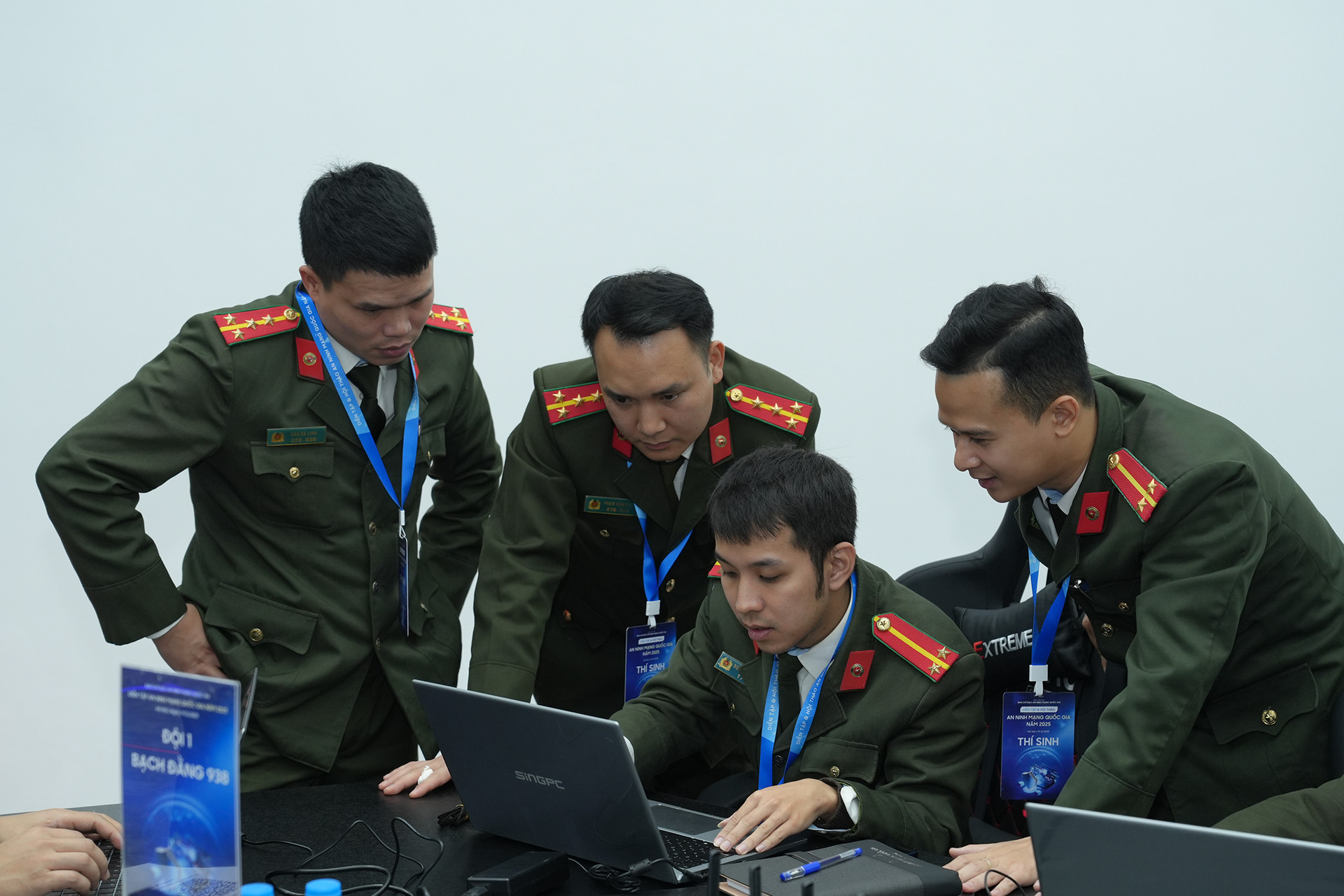
The project sets a target for Vietnam to rank among the world’s top 15 countries in the Global Cybersecurity Index by 2030. It also envisions the establishment and development of a regional training center in Vietnam for cybercrime prevention and cyber security, aimed at strengthening the country’s position and leadership capacity in the region.
Another key objective is to develop at least 10,000 highly specialized cyber security experts by 2030, with 20% meeting international standards.
Under the plan, 100% of specialized cyber security protection forces will be placed under the Ministry of Public Security and the Ministry of National Defense. Cyber security units will also be organized across ministries, sectors, provincial-level People’s Committees and agencies managing critical national information systems. Personnel directly responsible for operating level-3, level-4 and level-5 information systems in state agencies and enterprises must hold certifications verifying advanced cyber security knowledge and skills issued by competent authorities.
In parallel, 90% of internet users are expected to gain access to awareness programs, skills training and tools to ensure cyber security. The country will also prioritize research, development and gradual mastery of strategic cyber security technologies.
The project highlights the goal of building an ecosystem of cyber security products and services developed and mastered by Vietnamese entities. The State will select at least two organizations or enterprises for each key product or service category to focus resources and drive development.
At least 70% of ministries, sectors, localities and critical national information systems are expected to adopt strategic “Make in Vietnam” technology products. All cyber security products and services must undergo inspection and evaluation before being put into use, with priority given to critical national infrastructure and systems within the political system.
Looking ahead to 2045, Vietnam aims to become one of the leading countries in the Asia-Pacific region in cyber security, with strong capabilities in defense, active response and suppression of cybercrime and hostile forces. The goal is to firmly safeguard digital sovereignty and ensure the safety of all activities of the State, businesses and citizens in cyberspace.
The cyber security industry is expected to emerge as a key economic and technical sector, with at least three Vietnamese cyber security companies ranking among the world’s top 50 solution providers and exporting products, services and technologies globally.
To achieve these goals, the project outlines several key tasks and solutions. These include strengthening the National Cyber Security Steering Committee and its subcommittees across ministries, sectors and localities, as well as consolidating specialized cyber security agencies within the Ministry of Public Security and the Ministry of National Defense.
The plan also calls for building a network of domestic and international cyber security experts to support national efforts, expanding the national cyber incident response alliance, and developing a highly skilled workforce capable of mastering critical technologies such as AI, post-quantum cryptography and blockchain at a world-class level.
Annual training programs will be organized based on practical needs, delivered through in-person, online or hybrid formats for agencies of the Party, State and the Vietnam Fatherland Front from the central to grassroots levels.
Human resource development remains a central pillar, with stronger connections between universities, research institutes, businesses and state agencies in the cyber security field. The project emphasizes public-private partnerships and nurturing the next generation of cyber security experts.
The government also requires a review and publication of priority lists of core national cyber security technologies, products and services to be mastered domestically. Mechanisms will be promoted to enable state agencies to commission enterprises to develop cyber security products, with priority given to piloting and testing technologies developed in Vietnam.
In addition, Vietnam will strengthen bilateral cooperation with advanced countries and major organizations in cyber security through information sharing, technical support and workforce training. Priority partners include the US, the European Union, Japan, South Korea, India, Israel, China, the UK, France and Germany.
Tran Thuong
.svg)
