 Vietnamnet.vn

 Podcast



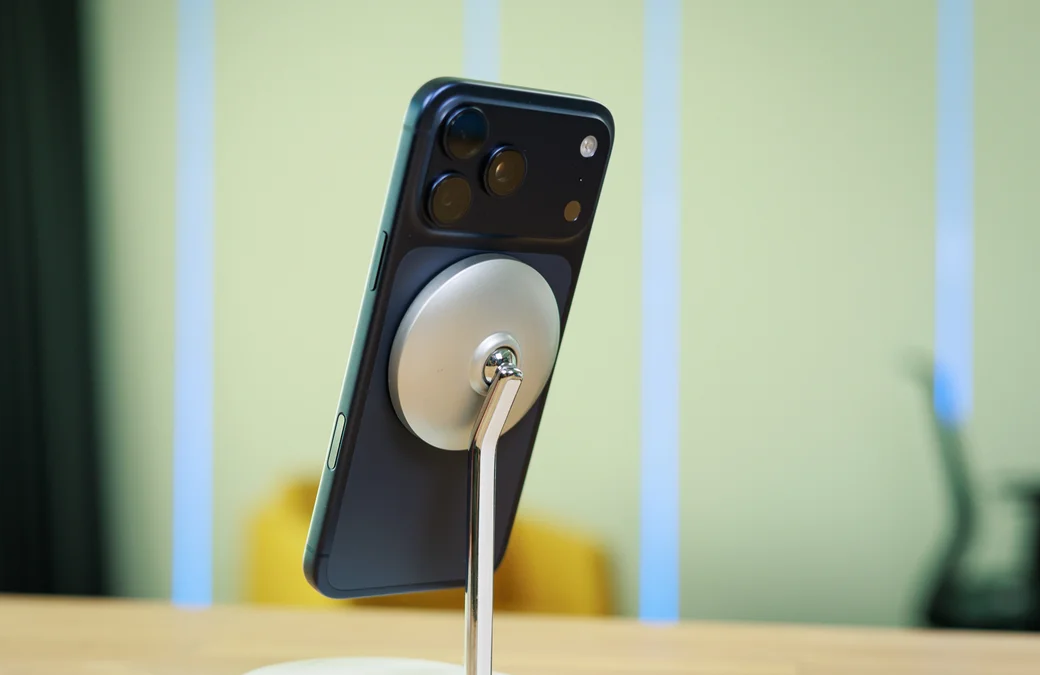
The feature in question is not flashy, rarely promoted and often left unused by most users. Yet its performance is now drawing serious attention across the tech world.
A “clean record” against spyware
Apple confirmed that it has not recorded a single successful spyware attack on devices with Lockdown Mode enabled since the feature was introduced in 2022.
According to the company’s latest report, this record holds across the entire lifespan of the feature, with no known breaches to date.
So what exactly is Lockdown Mode?
In simple terms, it acts as a kind of “panic button” for iPhone users. Once activated, it significantly reduces the device’s functionality. Message links no longer show previews, wired connections to computers are restricted, web browsing capabilities are limited, and incoming calls from unknown contacts are tightly controlled.
This is clearly not a setting designed for everyday users casually browsing social media. Instead, Lockdown Mode is built for individuals at high risk of targeted cyberattacks, including journalists, lawyers and activists. In exchange for a heavily restricted user experience, they gain a substantially higher level of security.
A response to growing threats
Spyware has become an increasingly serious global threat. Tools such as Pegasus have been used to monitor activists, politicians and journalists, often without any interaction from the victim.
These so-called “zero-click attacks” can take control of a device without the user doing anything at all, making them among the most dangerous forms of cyber intrusion.
In that context, Lockdown Mode’s flawless record is particularly notable. It suggests that Apple’s strategy of reducing potential entry points for attackers is working not just in theory, but in real-world conditions.
The achievement also highlights a clear advantage for Apple. While Android does offer a feature with a similar name, it does not operate in the same way or provide the same depth of protection. Even many Android enthusiasts acknowledge that there is currently no direct equivalent at this level.
A broader question for Apple
Apple deserves recognition for this accomplishment. At the same time, it is important to understand its scope.
Lockdown Mode is designed for a relatively small group of users facing highly specific threats. For the average iPhone user who mainly messages friends or watches videos online, enabling the feature is unlikely to make a noticeable difference in daily security.
However, the broader significance lies elsewhere.
The success of Lockdown Mode demonstrates that when Apple focuses on security at a deep level, it can deliver measurable results. This raises a larger question: could such protections be expanded to benefit all users, rather than remaining an optional setting hidden within the system?
If Apple were to integrate these defenses more widely, or even make them standard, the overall security of the iPhone ecosystem could be significantly strengthened.
As spyware continues to evolve, such improvements may become critical in shaping the future of mobile security.
For now, Lockdown Mode remains a little-known and often overlooked feature. But with a near-perfect security record, it may be time for users to reconsider its importance as one of the most powerful tools available on the iPhone.
Hai Phong
.svg)
