 Vietnamnet.vn

 Podcast


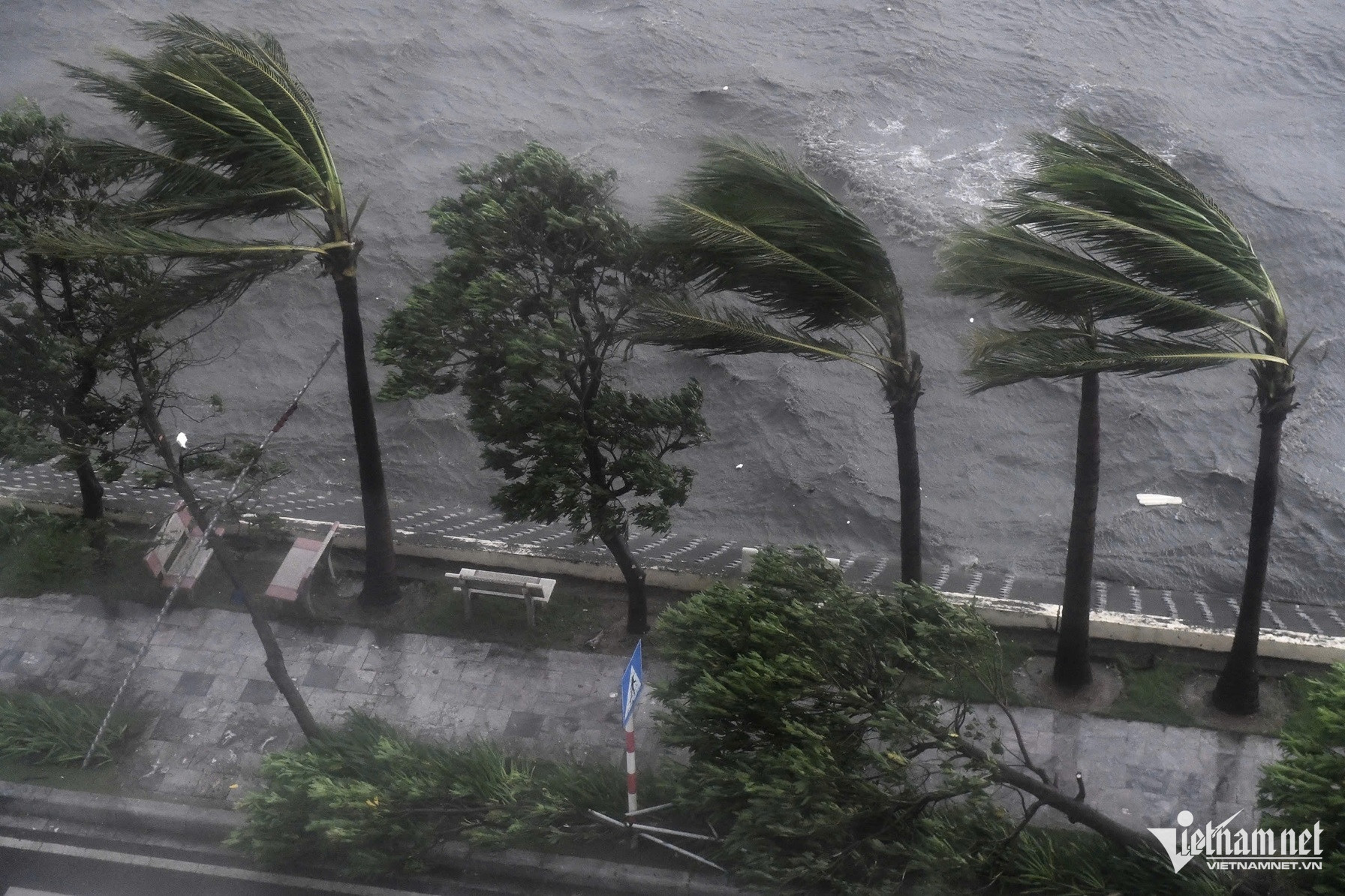
Maximum rainfall over a single day or five consecutive days could increase by approximately 30-40% in northern and southern Vietnam. The number of days with heavy rainfall is also expected to rise substantially, particularly in the south.
In some parts of northern Vietnam, the Central Highlands and southern Vietnam, the number of days recording more than 100mm of rainfall could increase by 80-100% under the high-emissions scenario.
These changes point to a growing threat from extreme rainfall and underscore the need to strengthen disaster preparedness, risk reduction and climate adaptation measures.
One of the most significant additions to the 2025 scenario is its assessment, for the first time, of extreme climate events associated with global warming thresholds of 1.5°C, 2°C, 3°C and 4°C above pre-industrial levels.
The findings suggest that super typhoons comparable in intensity to Typhoon Yagi in 2024 could become increasingly frequent as the planet warms.
On September 7, 2024, Super Typhoon Yagi struck northern Vietnam, triggering the country's worst natural disaster in half a century. The storm brought winds reaching level 14 on Vietnam's wind scale, with gusts up to level 17, along with historic flooding, widespread inundation, flash floods and landslides. Because of the exceptionally severe damage it caused, Yagi was retired from the regional list of tropical cyclone names and replaced with Tomo.
According to the updated scenario, if global average temperatures rise by 2°C, Vietnam could face a Yagi-strength super typhoon once every 13 years on average.
That interval could shorten to nine years under a 3°C warming scenario and just seven years if global temperatures increase by 4°C.
The projected frequency varies considerably across regions.
Under the 4°C warming scenario, northern Vietnam could experience a super typhoon once every 13 years on average, compared with once every 16 years in central Vietnam.
Southern Vietnam faces a substantially lower frequency, with such storms projected to occur approximately once every 133 years.
Hanoi and Ho Chi Minh City face rising heat and urban heat island risks
For the first time, Vietnam's 2025 Climate Change Scenario includes a dedicated assessment of urban areas, focusing on Hanoi and Ho Chi Minh City, the country's two largest cities.
The analysis examines the combined effects of global warming and urbanization, highlighting projected increases in temperatures, extreme heat, the urban heat island effect and extreme rainfall.
According to the scenarios, climate change is expected to affect several vulnerable sectors, including public health, rice production and structural infrastructure.
Beyond intensifying extreme weather, climate change is also accelerating sea-level rise as global temperatures increase.
By 2100, average sea levels are projected to rise by approximately 46.1cm under a low-emissions scenario and could increase by as much as 63.7cm under a high-emissions scenario.
Associate Professor Dr. Pham Thi Thanh Nga emphasized that climate change scenarios should not be confused with weather or climate forecasts.
Rather, they are scientifically grounded hypothetical scenarios describing possible future climate trends based on the relationships among socioeconomic activities, greenhouse gas emissions, climate change and sea-level rise.
She stressed that effectively applying these scenarios requires careful consideration of uncertainties and the selection of assumptions appropriate to each planning or policy objective.
Under Vietnam's Law on Hydrometeorology, climate change scenarios must be developed and published every five years, with revisions or additional updates permitted when necessary.
Vietnam first released its national climate change scenario in 2009, followed by updates in 2012, 2016 and 2020.
Bao Anh

