 Vietnamnet.vn

 Podcast


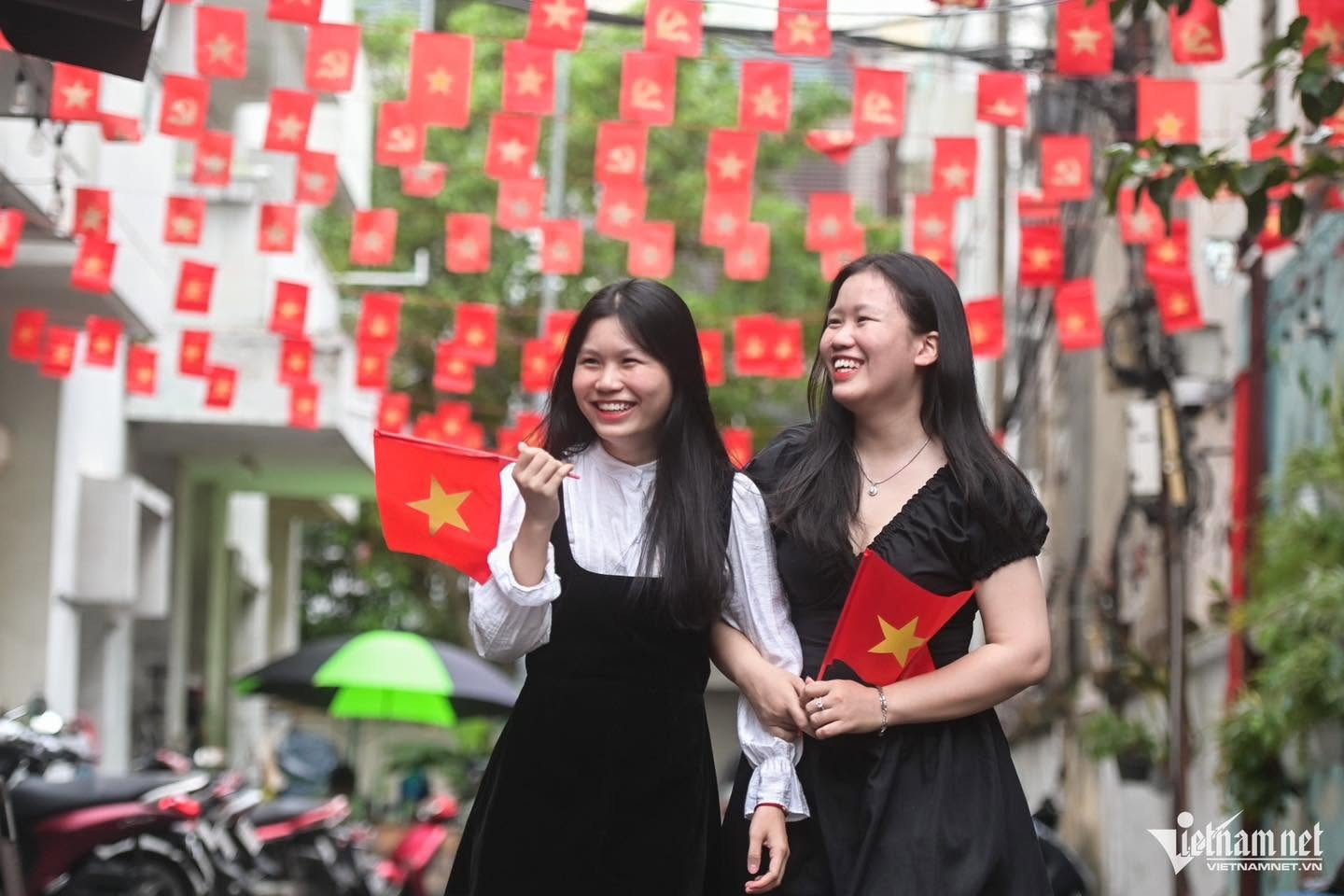
With the decision establishing Vietnam Culture Day (November 24), millions of workers welcomed the news with joy, yet a question arises: How will citizens "consume" this day off?
Implementing a new public holiday presents challenging management equations. The largest barrier lies in the risk of "bureaucratization", when November 24 gets converted into rigid administrative meetings or formal ribbon-cutting ceremonies, while citizens receive it merely as a routine day off.
A paid day off only truly fulfills its mission of honoring culture when filled with activities of appreciation, creation, and spiritual rejuvenation. If November 24 passes as merely a catch-up sleep for exhausted workers or gatherings for drinking, the goal of institutionalizing culture into a "driver of development" cannot be attained.
Granting citizens time is a necessary condition, but creating a cultural ecosystem attractive enough for them to enjoy is the sufficient condition.
Access to cultural experiences remains markedly unequal.
In concentrated industrial parks across Bac Ninh, Dong Nai, or HCMC, thousands of workers live within biological rhythms dictated by shift work, overtime, and financial pressures. For them, concepts like "enjoying the arts" or "visiting heritage sites" are a luxury. The spiritual life of the majority of general workers is confined to smartphone screens with short entertainment content on social media.
If Vietnam Culture Day doesn’t consider bringing culture to these areas, the gap in cultural enjoyment between urban areas and industrial zones, as well as between lowlands and highlands, will widen further.
An imperative for innovation
A meaningful Culture Day requires elaborate preparation from the supply of the market. Museums cannot expect visitors when displays remain rigid and lack interaction. Theaters cannot expect audiences when ticket prices exceed what working-class families can afford, or when play scripts drift far from real life.
November 24 must become a creative imperative for the entire cultural institution system.
People's Artist Pham Ngoc Khoi, Vice President of the Vietnam Musicians' Association, shared that unlike the majority of the public resting to enjoy, the responsibility of artists during this occasion is to bring songs, dances, and musical pieces to perform for the public.
Vietnam has 12 UNESCO-recognized intangible cultural heritage items (eight of which belong to music), alongside countless unique traditional art forms such as tuong, cheo, cai luong, ca Hue, and quan ho. These serve as an "anchor" helping the nation retain its identity.
However, Khoi also emphasized the burden of responsibility on artists. Achieving stature is difficult, but preserving and promoting it over time is even harder. Vietnam Culture Day serves as a reminder for preservation, education, and dissemination work. Culture must become every individual's lifestyle, mindset, and living foundation.
Businesses: the bridge bringing culture to workers
People's Artist Vu Ngoan Hop, Vice President of the Vietnam Association for Corporate Culture Development, argued that on Vietnam Culture Day, citizens young and old should immerse themselves in an open, free, or specially discounted festive space at historical sites, cinemas, and theaters. People take to the streets not merely to crowd retail shops, but to appreciate the finer aspects and beauty of national culture together.
In particular, businesses serve as the most practical bridge to bring culture to workers. Instead of merely turning off lights and letting employees off, businesses need to take proactive action by organizing internal cultural festivals, turning this into an occasion to honor workers, host artistic or sports talent competitions, and strengthen collegial bonds.
Enterprises can gift "cultural presents", such as theater tickets, movie passes, or valuable books to employees and their families instead of standard gifts, thereby stimulating healthy cultural consumption demand and spreading a culture of sharing by encouraging workers to join volunteer or community activities on November 24.
According to Hop, the success or failure of Vietnam Culture Day is not measured by the number of events held, but by the public's smiles, participation, and satisfaction levels. It is time to move past formalistic management approaches and enter an era of modern cultural governance. Only when every worker in industrial zones to the urban youth finds their own spiritual joy on November 24 will Culture Day truly become a festival for the people.
Tinh Le

