 Vietnamnet.vn

 Podcast



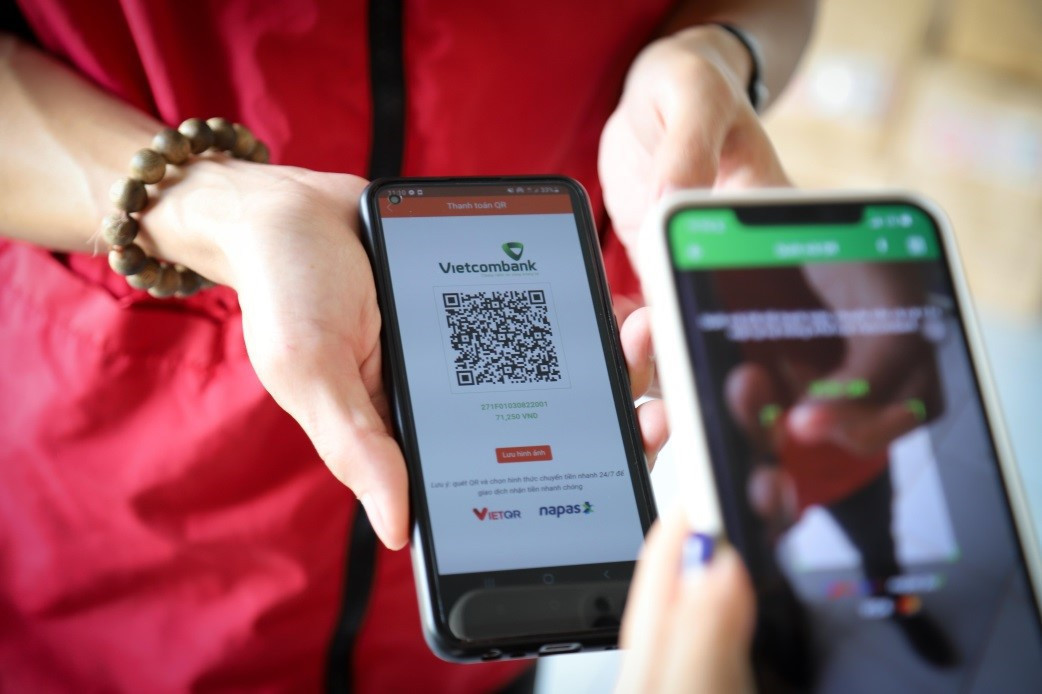
Under a draft decree detailing several provisions and implementation measures for the Law on Tax Administration, the Ministry of Finance had proposed that credit institutions, foreign bank branches providing payment services, payment intermediaries, online payment service providers, and international card organizations be responsible for supplying tax authorities with information related to taxpayers’ payment accounts opened at banks.
The proposal also sought coordination between financial institutions and tax authorities in cases involving unusual transactions requiring tax compliance checks.
However, in the latest draft dossier submitted to the Ministry of Justice for appraisal, the Finance Ministry removed the proposal after incorporating feedback from the State Bank of Vietnam.
In its comments, the central bank stressed that the provision of taxpayer information and customer transaction data by credit institutions and payment intermediaries must comply with existing regulations on confidentiality and information disclosure.
Accordingly, banks and payment intermediaries are only permitted to provide customer information with the customer’s consent or at the request of a competent state authority.
At present, Vietnam’s Law on Tax Administration does not specifically define the responsibilities of credit institutions, payment service providers, and payment intermediaries regarding the provision of information to tax authorities.
In addition, current payment regulations do not require service providers to identify or collect information on goods and services purchased or used by customers in a way that would enable reporting to tax authorities.
With payment systems processing millions of transactions daily, the State Bank argued that requiring banks to automatically identify foreign providers that have “not registered, declared, or paid taxes” would be technically and operationally unfeasible.
At a recent workshop on tax administration based on cash flow analysis, Dang Ngoc Minh, deputy director of the Tax Department, said many organizations and individuals currently conduct frequent high-value transactions through bank accounts, digital platforms, payment intermediaries, or delivery services without fully reflecting them in electronic invoice systems and tax declarations.
According to Minh, many of these transactions are directly linked to business activities or taxable income but remain insufficiently declared. This has exposed the limitations of traditional tax administration methods that rely mainly on declarations, accounting records, and post-audit inspections, particularly amid the rapid growth of e-commerce and digital payments.
“Researching and gradually implementing tax administration methods based on cash flow analysis is becoming an inevitable trend among modern tax authorities worldwide,” Minh said.
He added that tax authorities currently hold information on around 250 million bank accounts, including approximately 200 million personal accounts and 50 million corporate accounts.
“In cases where major risks, unusual transactions, or suspected tax evasion and money laundering are detected, banks will coordinate and provide information upon request from tax authorities,” Minh said.
Nguyen Le
.svg)
