 Vietnamnet.vn

 Podcast


The Vietnamese government has set a GDP growth target of at least 10% for 2026, following economic expansion of 9.01% in the first nine months of the year.
However, businesses and economists say sustaining growth momentum in the final months will require concrete measures focused on increasing output, generating new orders and improving the efficiency of resource allocation.
Growth must begin at the business level
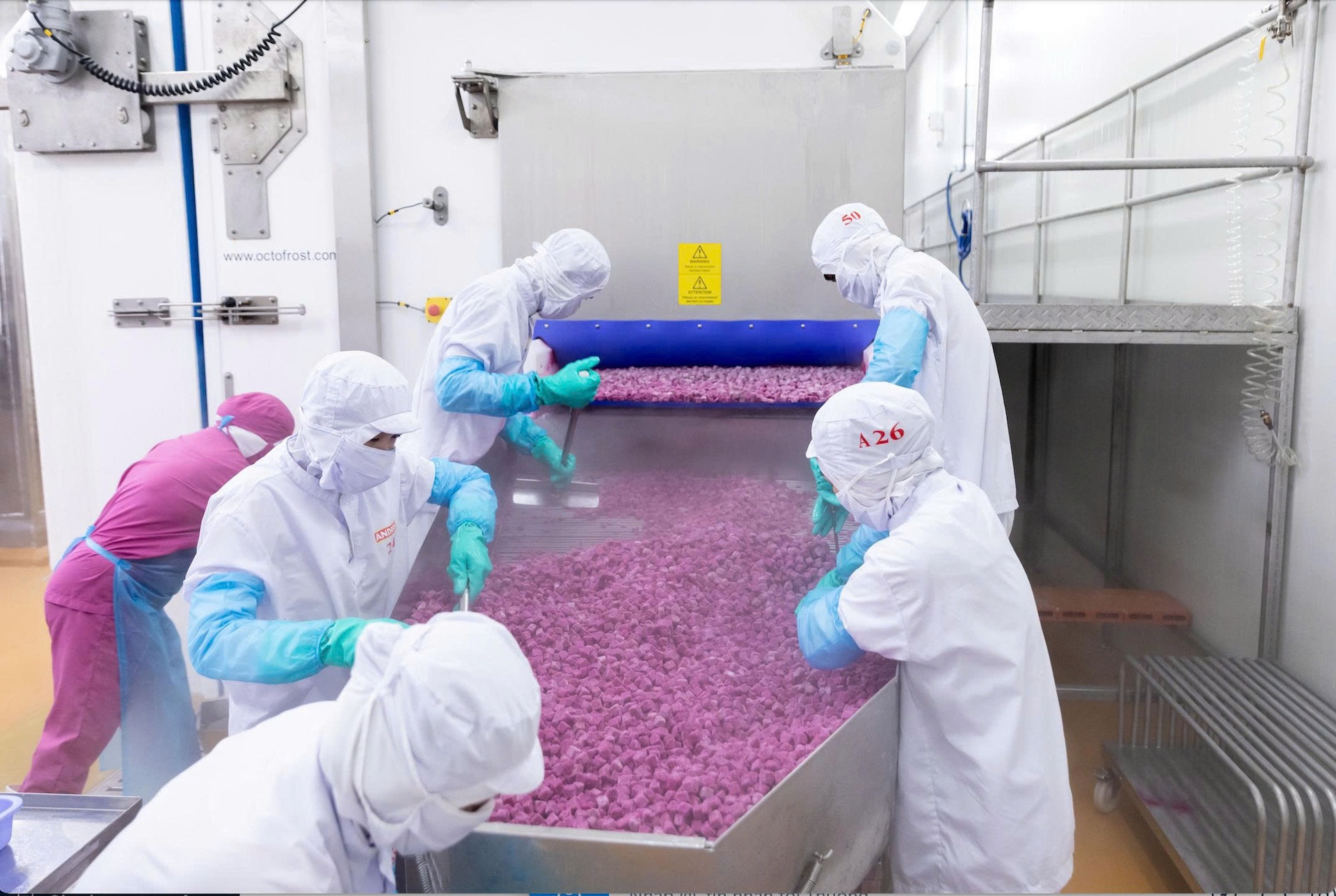
Sluggish consumer spending during the first three quarters has placed pressure on businesses, particularly manufacturers entering the final months of the year.
At food producer Vissan, rather than waiting for the market to recover, the company has proactively reviewed its costs, negotiated with suppliers to limit increases in input prices and allocated additional resources to promotional campaigns.
Phan Van Dung, deputy general director of Vissan, said the company was willing to accept lower profits to invest in the market and stimulate consumer demand.
Savings from cost-cutting measures will be redirected toward discount programs offering price reductions of 30-50%, with the aim of attracting customers and increasing sales volumes.
According to Dung, economic growth should be assessed through the development of individual components of the economy.
For businesses, sustaining consumer demand does not depend solely on macroeconomic policies. It also requires companies to proactively reduce costs, adjust their operations and share some of the financial burden with consumers.
However, economists argue that government support is also needed for such efforts to deliver meaningful results.
Dr. Huynh Thanh Dien, a lecturer at Nguyen Tat Thanh University in Ho Chi Minh City, said the double-digit growth target should be viewed from a long-term perspective rather than focusing exclusively on this year's results.
He argued that fiscal policy should play a stronger role during the remaining months of 2026, particularly through faster public investment disbursement and the removal of legal obstacles affecting private-sector projects.
Many businesses already have sufficient capital, yet their projects remain stalled because of lengthy administrative procedures.
Resolving these bottlenecks promptly would allow companies to begin investing, create jobs and inject additional money into the economy.
Dien also proposed capitalizing on year-end shopping demand through price stabilization programs, promotional campaigns, festivals and tourism activities.
When workers have jobs, earn income and spend money, cash continues circulating through the economy, supporting further business activity.
"I still believe we can achieve the expected growth in 2026 if we are determined to resolve these difficulties," Dien said.
Economist Dr. Le Ba Chi Nhan also argued that achieving double-digit growth requires a shift away from managing the economy primarily through numerical targets toward a growth model based on productivity, investment efficiency and the ability to mobilize resources.
According to Nhan, public investment should serve as seed capital, while private investment should expand production capacity.
Exports generate foreign currency earnings, while domestic consumption sustains demand and helps stabilize the market.
He also stressed the importance of close coordination between fiscal and monetary policies to ensure sufficient resources for economic activity while controlling inflation, stabilizing exchange rates and limiting financial risks.
From a practical perspective, Nguyen Tuan Anh, a master's degree holder associated with the Fulbright Public Policy Program, said policymakers must identify which sectors can still increase output in the final months of the year, which businesses can secure additional orders and which construction projects can be completed during the fourth quarter.
He argued that the process should begin by addressing the obstacles businesses encounter in their daily operations.
When administrative procedures are resolved promptly, companies can manufacture and deliver products sooner, allowing them to capitalize on market opportunities.
For public investment, priority should be given to projects that are ready for implementation and can be completed and brought into operation.
Disbursement must not only be accelerated but also linked to construction progress, quality and the actual effectiveness of completed projects.
"In Ho Chi Minh City, GRDP growth of 9.06% in the first nine months provides a positive foundation," Tuan Anh said.
"The Urban Development Law and resolutions of the municipal People's Council that took effect on October 1, 2026, have created additional conditions for the city to implement new mechanisms."
To boost growth in the final months, he recommended reviewing and identifying projects, manufacturing facilities and service activities capable of generating additional economic value during the fourth quarter.
Accelerating growth without sacrificing macroeconomic stability

Economists caution that pressure to meet the growth target should not lead to weaker risk management standards.
Resources must be directed toward activities capable of generating genuine economic value rather than expanding investment at any cost.
Nhan said monetary policy should remain flexible and ensure adequate liquidity, but this should not translate into indiscriminate credit expansion.
Capital should be channeled toward productive business activities that demonstrate real economic efficiency.
Exchange rate management must also account for market supply and demand, movements in the US dollar and the balance of payments, avoiding excessive volatility that could create difficulties for businesses.
At the same time, authorities should closely monitor energy, food and other essential commodity prices to contain inflationary pressures.
According to Nhan, Vietnam needs to move away from a growth model heavily dependent on capital accumulation and place greater emphasis on productivity and efficiency, establishing a stronger foundation for sustainable expansion.
Tuan Anh agreed, warning against increasing borrowing or allocating funding to inefficient projects simply to improve short-term growth figures.
Instead, he recommended making better use of already allocated budget resources and eliminating administrative obstacles that restrict business cash flow.
Timely tax refunds, payments for completed and officially accepted construction work, and the removal of bureaucratic barriers would give businesses more resources to purchase raw materials, pay employees and maintain production.
Credit policies should be based on actual financing needs and borrowers' repayment capacity, rather than lowering lending standards to pursue growth targets.
Government support should also be concentrated on groups facing the greatest difficulties, avoiding prolonged, broad-based subsidies that could place additional pressure on the state budget.
According to Tuan Anh, economic performance at the end of the year should not be assessed solely through the GDP growth rate.
The financial health of businesses, employment opportunities and household incomes are equally important indicators.
The ultimate priority, he said, should be to establish a stronger productive foundation for 2027 rather than leave behind mounting debt and inefficient infrastructure projects.
Thu Ha

