 Vietnamnet.vn

 Podcast



On the morning of May 12, Deputy Prime Minister Ho Quoc Dung chaired a meeting with ministries and relevant agencies to review a draft decree detailing and guiding the implementation of several provisions of the High Technology Law.
The decree is considered a particularly important step in concretizing the major orientations of the High Technology Law and creating a legal framework to promote the development of science, technology and innovation.
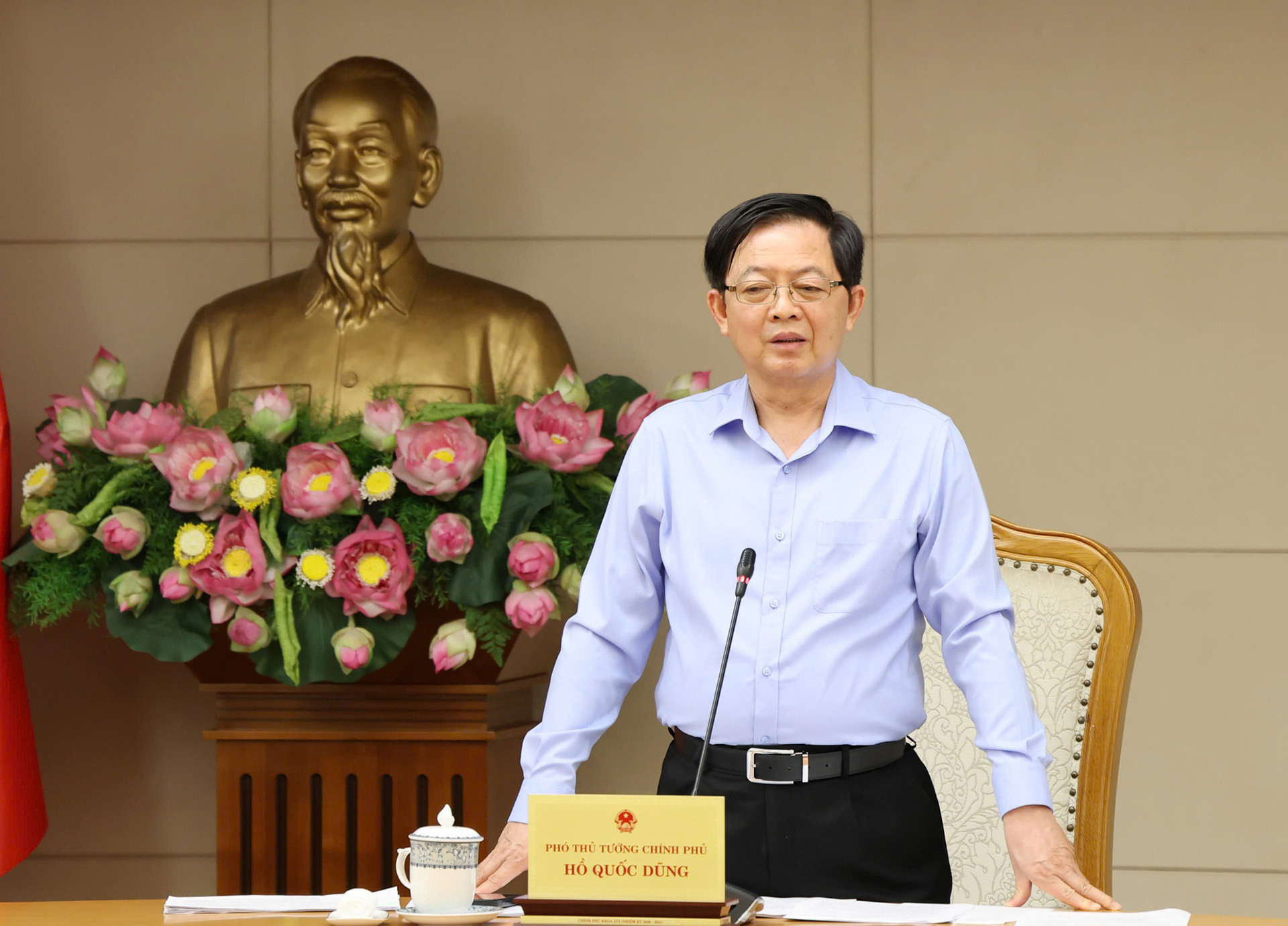
According to the draft prepared by the Ministry of Science and Technology, the decree details regulations related to high-tech research and development, strategic technology development, enterprises manufacturing high-tech products, high-tech enterprises and strategic technology enterprises, as well as criteria for high-tech startups, strategic technology startups and high-tech parks.
The draft decree also outlines the implementation of science, technology and innovation programs for high technology, along with special national programs for strategic technologies. It further proposes criteria for high-tech human resources and policies to attract highly skilled personnel.
In addition, the draft includes preferential and support policies for organizations and individuals engaged in scientific research, technological development and innovation activities in high-tech sectors. These include tax incentives, human resource support, intellectual property assistance and commercialization support for research outcomes.
Outstanding incentives must go hand in hand with strict post-audits
Concluding the meeting, Deputy Prime Minister Ho Quoc Dung stressed the determination to build a decree guiding the implementation of the High Technology Law in a bold and practical direction that creates the most favorable conditions possible for businesses.
He requested the Ministry of Science and Technology to study the application of the highest incentive levels currently available for the high-tech sector.
The Deputy Prime Minister said mechanisms related to corporate income tax, personal income tax and import-export taxes on machinery and equipment used for research and production should be further refined in order to encourage the establishment of domestic high-tech research and manufacturing centers.
He also emphasized the need to add policies supporting land access, housing for experts, government procurement mechanisms and priority purchasing for domestically developed technology products.
At the same time, Vietnam should introduce interest rate support, credit guarantees and financial incentives so businesses can better access development capital in this high-risk yet strategically significant sector.
The Deputy Prime Minister also agreed with proposals to establish mechanisms to attract overseas Vietnamese experts in strategic technologies back to work and contribute to the country.
According to him, policies must be attractive enough for experts currently working in developed countries such as the US, the UK and Australia to be willing to return.
He also stressed that tax policies, financial mechanisms and government procurement frameworks must be designed with exceptional incentives while simultaneously establishing strict criteria, conditions and post-audit mechanisms to ensure the policies reach the right beneficiaries and are not abused.
Regarding policies on land rent exemptions and reductions for high-tech enterprises, the Deputy Prime Minister described them as appropriate measures that would help businesses invest in factories, develop export-oriented products and contribute to national development.
However, he noted that enterprises failing to fulfill their commitments must face strict recovery and enforcement measures.
Deputy Prime Minister Ho Quoc Dung assigned the Ministry of Science and Technology to urgently coordinate with the Ministry of Justice and relevant agencies to finalize the draft decree as soon as possible for appraisal and consultation procedures in accordance with regulations.
Tran Thuong
.svg)
