 Vietnamnet.vn

 Podcast



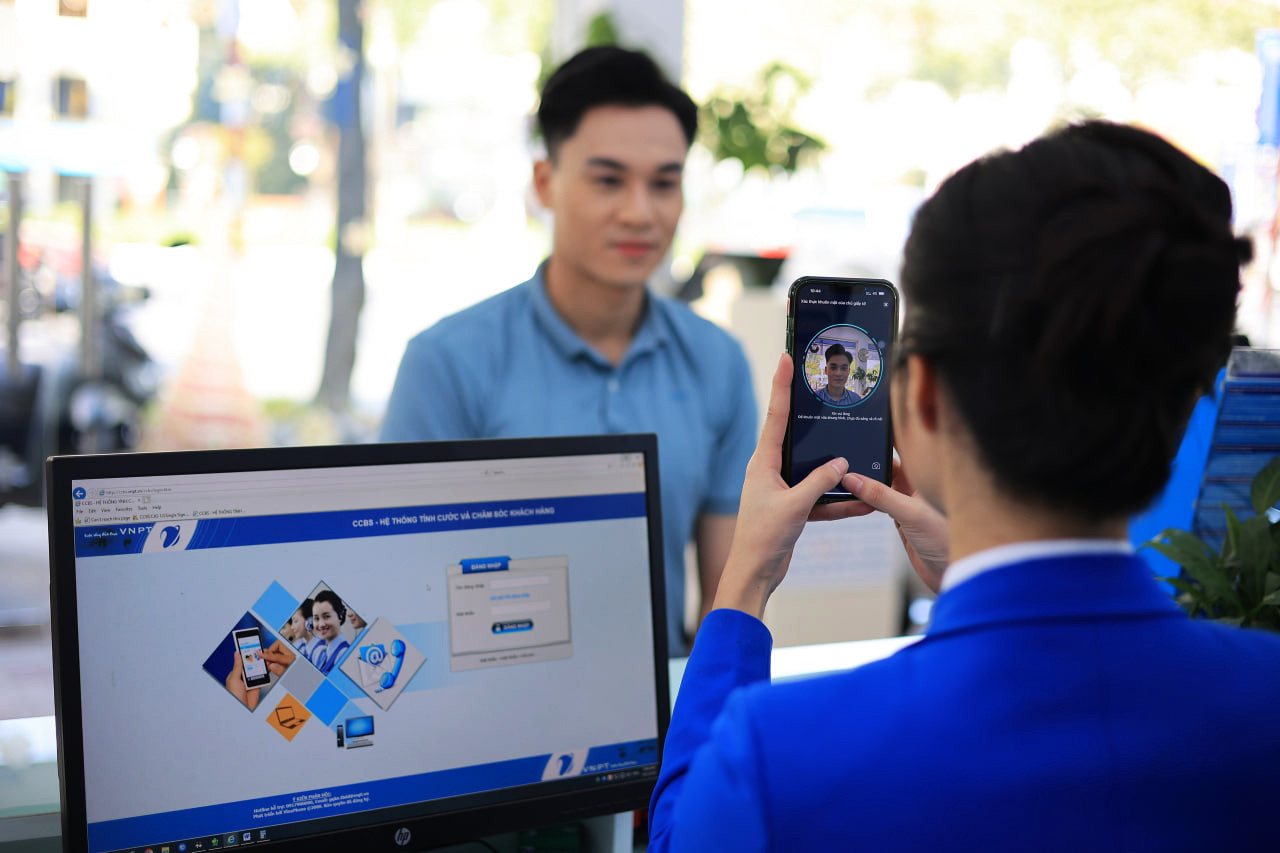
From June 15, 2026, mobile subscribers changing devices must complete facial biometric verification.
The requirement is part of broader efforts to strengthen subscriber identity management, prevent telecommunications fraud and ensure that every mobile number is linked to its legitimate owner.
New verification requirement takes effect
According to the Telecommunications Authority, subscribers who change their mobile device must re-authenticate their identity through facial biometric verification.
Users who fail to complete the verification process within the prescribed period may have their outgoing calling and messaging services suspended. Continued non-compliance could eventually result in full service termination under the established regulatory roadmap.
Officials said the measure addresses long-standing problems involving SIM cards that were registered using legitimate personal information but later transferred to other users without updating ownership records.
In some cases, mobile dealers registered SIM cards under customers' identities before selling them to unrelated individuals. Such loopholes have enabled criminal activities including spam messaging, scam calls and financial fraud.
Authorities also noted that abandoned SIM cards that were never formally cancelled have sometimes been exploited for illegal purposes.
Closing loopholes in subscriber management
Vietnam's 2023 Telecommunications Law and Decree No. 163 clearly state that subscribers are legally responsible for phone numbers registered under their names. However, regulators say a significant number of SIM cards transferred or loaned to other users in previous years remain inaccurately registered.
To address these issues, the Ministry of Science and Technology issued Circular No. 08 on March 31, establishing new rules governing authentication for terrestrial mobile subscribers. The regulation took effect on April 15, 2026.
Under the circular, subscribers who change terminal devices are required to complete facial biometric re-authentication. Until verification is completed, outgoing calls and text messages may be temporarily suspended.
Authorities said the policy is designed to protect consumers in situations where a SIM card is lost or stolen and used for unlawful activities before the legitimate owner can block the service.
The biometric verification process mirrors security measures already widely used in the banking sector and is intended to reduce opportunities for anonymous SIM trading and identity misuse.
Linking every phone number to a verified identity
Since April 15, newly activated mobile subscriptions have been required to undergo facial biometric verification and identity matching against the National Population Database and Citizen Identity Database.
The goal, regulators say, is to ensure that every mobile number is tied to a verified individual.
The new framework also supports a nationwide subscriber review campaign, allowing citizens to confirm ownership of their mobile numbers and remove numbers that do not belong to them through the VNeID platform.
Officials believe Circular 08 represents another important step toward improving subscriber data accuracy, strengthening national security, maintaining social order and supporting Vietnam's digital economy.
The regulation is also expected to enhance efforts to combat cybercrime and telecommunications-based fraud while creating a more secure digital ecosystem.
Millions of unverified subscribers face restrictions
The new biometric requirement coincides with a nationwide campaign targeting unverified mobile subscriptions.
According to the Telecommunications Authority, telecom operators began suspending outgoing services for unverified subscribers from midnight on June 15.
VinaPhone announced that nearly three million subscribers who had not completed the required authentication procedures under Circular 08 were affected beginning at 9 a.m. on June 15.
These subscribers can still receive incoming calls and messages but are temporarily barred from making calls or sending SMS messages.
Operators stressed that the one-way suspension is only the first stage of the enforcement process and that customers still have time to complete verification and restore full service.
Under the official roadmap, subscribers whose services have been restricted will have an additional 60 days to complete authentication. Failure to do so will result in a two-way suspension.
If verification is still not completed within five days after two-way suspension takes effect, telecom operators will terminate service in accordance with regulations.
Thai Khang
.svg)
