 Vietnamnet.vn

 Podcast



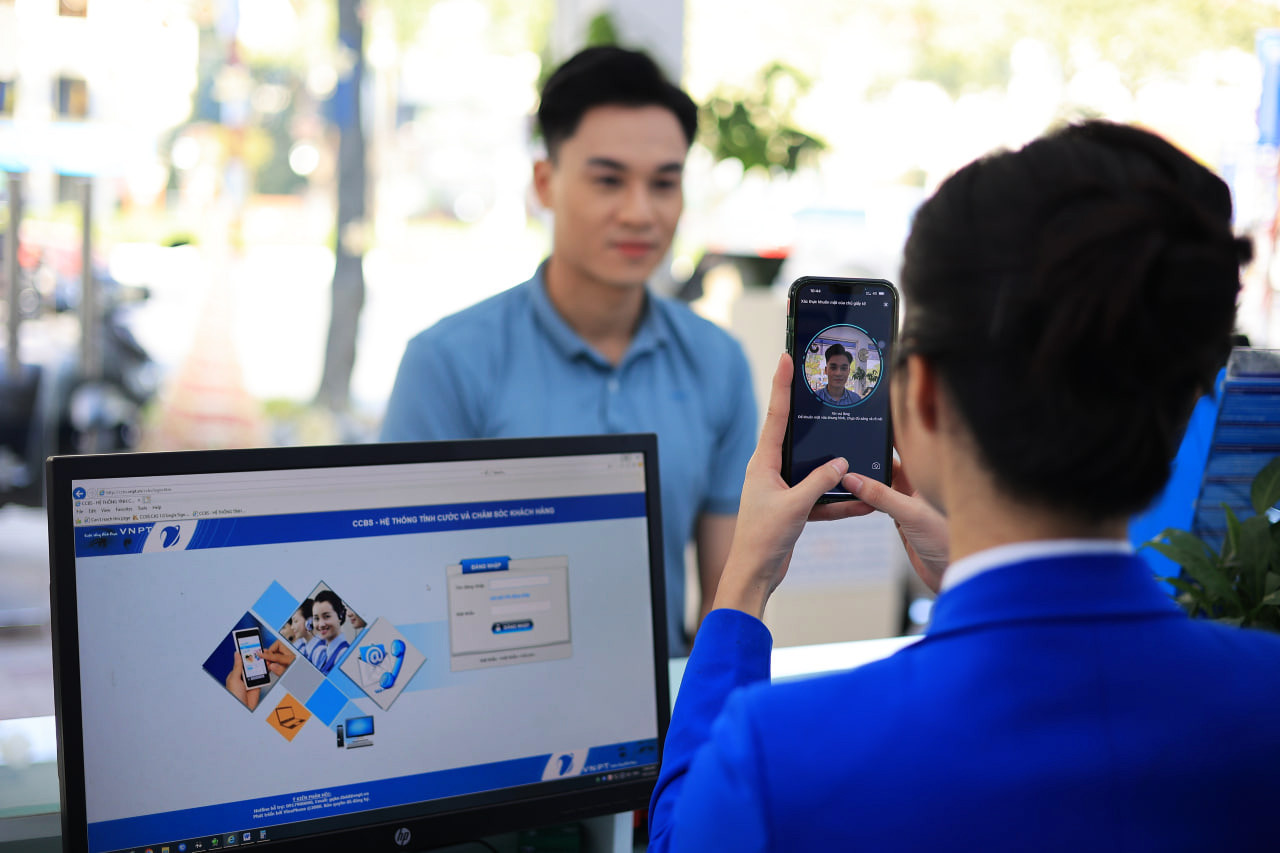
The requirement is part of a broader effort led by the Ministry of Science and Technology (formerly the Ministry of Information and Communications), which recently drafted a circular guiding the authentication of mobile subscriber information for ground-based telecom networks.
The move aims to eliminate loopholes that have enabled fraudulent practices. As of July 2023, ministry inspectors uncovered cases where multiple SIM cards were activated using identical personal information, registered across different provinces within short periods. Some agents even used their own IDs to activate thousands of SIMs and resell them without updating subscriber records - fueling the rise in spam calls and digital scams.
Once the new circular is enforced, all active mobile numbers will be categorized and evaluated based on ID documents used for registration, user behavior, and compliance with legal requirements.
For individual Vietnamese citizens and organizations operating in Vietnam, subscriber authentication will be carried out using legally recognized digital ID methods. These include electronic identification services and personal e-identification accounts, which must confirm and verify facial biometric data through the National Population Database. A match of at least four data fields is required: personal ID number, full name, date of birth, and facial biometric data.
Authentication can be done through one of three methods. First, online via the national e-identification app (VNeID). Second, through mobile apps or websites of telecom providers. And third, in person at authorized service centers.
A central feature of the circular is the integration with VNeID, allowing users to verify and confirm that the phone number they are using corresponds to their official identity. Phone numbers that were registered with a citizen’s ID but are now in use by someone else will be deactivated and must be re-registered with proper ownership verification.
This biometric verification process will be mandatory whenever a subscriber switches to a new mobile device, forming a key layer of protection against fraudulent calls and identity misuse.
In May 2024, To Dung Thai, Chairman of VNPT Group and Vice President of the National Cybersecurity Association, stressed the urgent need to implement subscriber identification measures. Although VNeID was not directly mentioned, he highlighted the necessity of ID-based telecom services to prevent cyber fraud.
According to Thai, telecom operators must proactively develop tools to verify caller identity through mechanisms such as SMS Brandname and Voice Brandname. These enable users to recognize the identity of senders and callers, significantly reducing fraud risks.
He also emphasized the importance of identity verification in all digital services - from public administration and finance to social media and email. With an estimated 80 million Vietnamese users and around 800 million accounts across platforms, comprehensive identification infrastructure is critical.
The telecom sector, he urged, must unify efforts to provide ID-based services, deploy proactive protections, and leverage digital infrastructure to enhance public awareness on cyber safety.
Verification through VNeID will link each phone number to its rightful owner. If a number registered under a citizen’s ID is used for illegal activities, the original ID holder will be held accountable - even if they were unaware of the misuse. This measure is designed to prevent SIM card resellers from registering large quantities of numbers under a single identity.
Thai Khang
.svg)
